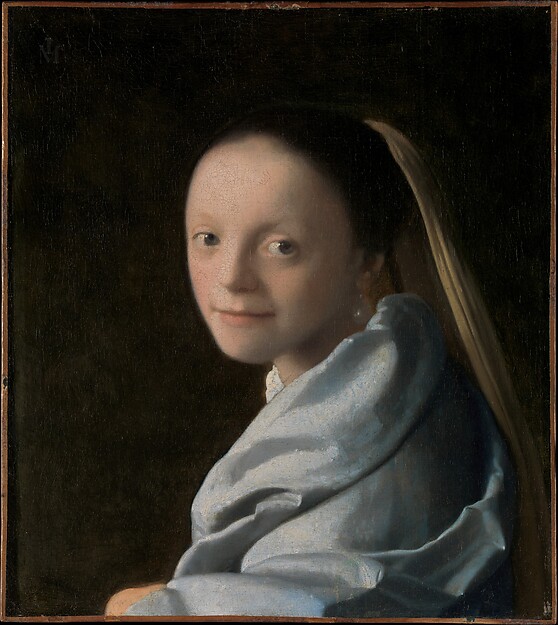
Karel van Mander the Elder歴史的ネーデルラント, 1548–1606
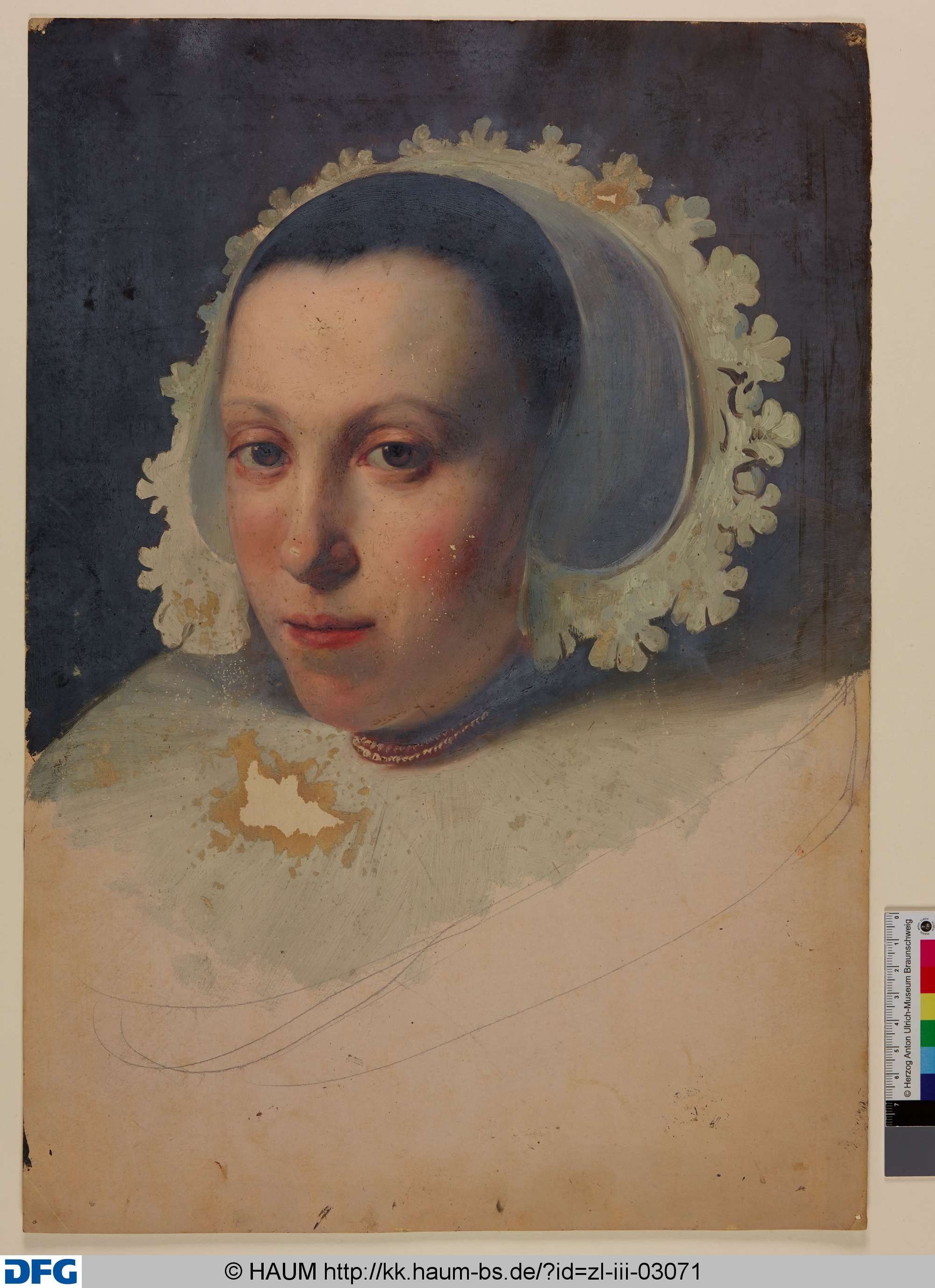
Sitzende Frau
見られますか?
不明
『Sitzende Frau』は今どこに? 所蔵: アントン・ウルリッヒ公爵美術館, ブラウンシュヴァイク. 不明.

ブラウンシュヴァイク, ドイツ
所蔵者は判明していますが、現在展示中かどうかは不明です。
- この状態になった日
- 出典
- 美術館
作品データ
描かれているもの
カタログ収録
出典
- アントン・ウルリッヒ公爵美術館
- 画像: アントン・ウルリッヒ公爵美術館 — CC BY-NC-SA 4.0
その頃、Karel van Mander the Elderの人生では
生涯をすべて見る1573
Sets out for Italy
In 1573 van Mander travels to Italy in the company of some young nobles. Other accounts say that in Florence he worked with Giorgio Vasari on the fresco of the dome of Santa Maria del Fiore.
1583
Flees by ship to Haarlem
Threatened by religious troubles and the plague, van Mander flees by ship with his family and his mother-in-law to the Dutch Republic and settles in Haarlem, where he will live for the next twenty years.
1585
Spranger's drawings for Goltzius
Van Mander shows his friend Hendrick Goltzius drawings by Bartholomeus Spranger, then the leading artist of Northern Mannerism and court artist of Emperor Rudolf II in Prague. The drawings have a galvanising effect on Goltzius; his engravings after them spread the Mannerist style, and van Mander, Goltzius and Cornelis van Haarlem become known as the “Haarlem Mannerists” — with a strong awareness of style, cultivated elegance, artful ingenuity rather than naturalism, exaggeratedly brawny figures, violent drama and a heightened richness of detail.
1587
Founding of the Haarlem academy
Together with Cornelis van Haarlem and Hendrick Goltzius van Mander founds an “academy to study after life”, later known as the Haarlem Academy of Mannerists. What it actually did is not entirely clear: by one account, modelled on the Italian pattern, it studied anatomy and drew from nude models, including women, which was forbidden in the North at the time; by another, it was an informal discussion group, and by a third it was literary in nature.
1604
The “Schilder-Boeck” is published
In Haarlem, from the press of Passchier van Wesbusch, appears the “Schilder-Boeck” (“Book of Painters”) — the first art-historical work in Northern Europe: lives of more than 250 painters, ancient and contemporary, together with the art theory of the day for aspiring painters. Inspired by Vasari's “Lives”, it comprises six parts, from a verse address to students and biographies of ancient, Italian, Netherlandish and German masters to a commentary on Ovid's “Metamorphoses” and a guide to depicting figures; its biographical details on early Netherlandish painters, and above all the Haarlem painters, are unique, gathered by van Mander himself.
1606年9月11日
Died