El Grecoギリシャ, 1541–1614
San Francisco de Asís en éxtasis
見られますか?
不明
『San Francisco de Asís en éxtasis』は今どこに? 所蔵: ラサロ・ガルディアーノ美術館, マドリード. 不明.

マドリード, スペイン王国
所蔵者は判明していますが、現在展示中かどうかは不明です。
- この状態になった日
- 出典
- 美術館
この絵画について
美術館の言葉で — スペイン語
De más de medio cuerpo con las manos cruzadas sobre el pecho, alza los ojos hacia un resplandor en la parte superior izquierda del lienzo. En primer término la calavera sobre una especie de antepecho rocoso.
ラサロ・ガルディアーノ美術館
作品データ
描かれているもの
カタログ収録
出典
- ラサロ・ガルディアーノ美術館
- 画像: ラサロ・ガルディアーノ美術館 — In Copyright
その頃、El Grecoの人生では
生涯をすべて見る1570s
The quarrel with Michelangelo in Rome
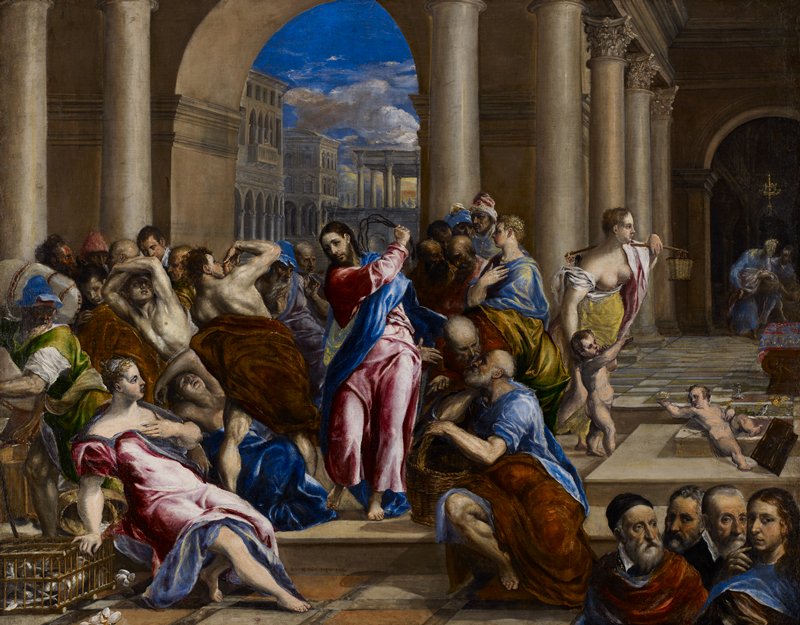
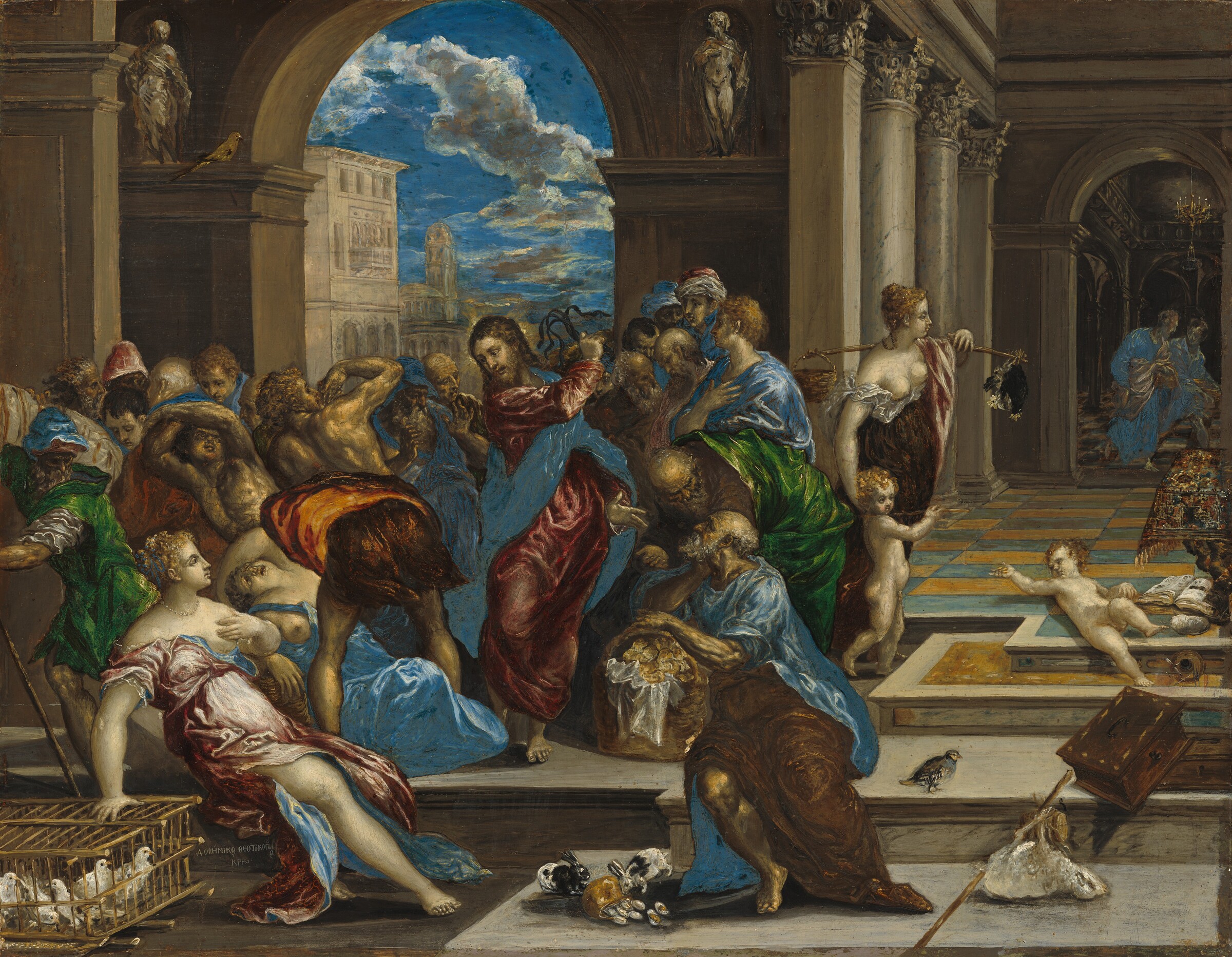
El Greco singled out Correggio and Parmigianino for praise but did not hesitate to dismiss Michelangelo's Last Judgment, offering Pope Pius V to paint over the whole fresco in accord with the new and stricter Catholic thinking; later he said Michelangelo was a good man who did not know how to paint. In The Purification of the Temple he painted portraits of Michelangelo, Titian, Clovio and presumably Raphael, advancing a claim to rival them.
1577
Moving to Spain: Madrid and Toledo
In 1577 El Greco moved to Madrid and then to Toledo, then the religious capital of Spain. Philip II, with the Escorial still under construction, had difficulty finding good artists: Titian was dead, and Tintoretto, Veronese and Anthonis Mor all refused to come to Spain.
c. 1577
Contacts in Toledo: Montano, Chacón, Castilla
Through Clovio and Orsini El Greco met the humanist and royal agent Benito Arias Montano, the clergyman Pedro Chacón and Luis de Castilla, son of Diego de Castilla, the dean of Toledo Cathedral. His friendship with Castilla would secure his first large commissions in Toledo.
by July 1577
Contracts for Santo Domingo el Antiguo and “El Espolio”
He had arrived in Toledo by July 1577 and signed contracts for a group of paintings for the church of Santo Domingo el Antiguo and for El Espolio.
1577–1585
Royal commissions and the disfavour of Philip II
El Greco did not plan to stay in Toledo: he meant to win a place at court and secured two important commissions from Philip II, the Allegory of the Holy League and the Martyrdom of St Maurice. The king disliked them — the St Maurice altarpiece was hung in the chapter-house instead of the intended chapel — and gave him no further commissions; the reasons are unclear: some scholars think he disliked living persons in a religious scene, others that El Greco let style outweigh content.
1578
Birth of his son Jorge Manuel
In 1578 El Greco's only son, Jorge Manuel, was born; his mother, the Spaniard Jerónima de las Cuevas, was probably never married to him. Jorge Manuel also became a painter, assisted his father and repeated his compositions for many years after inheriting the studio.