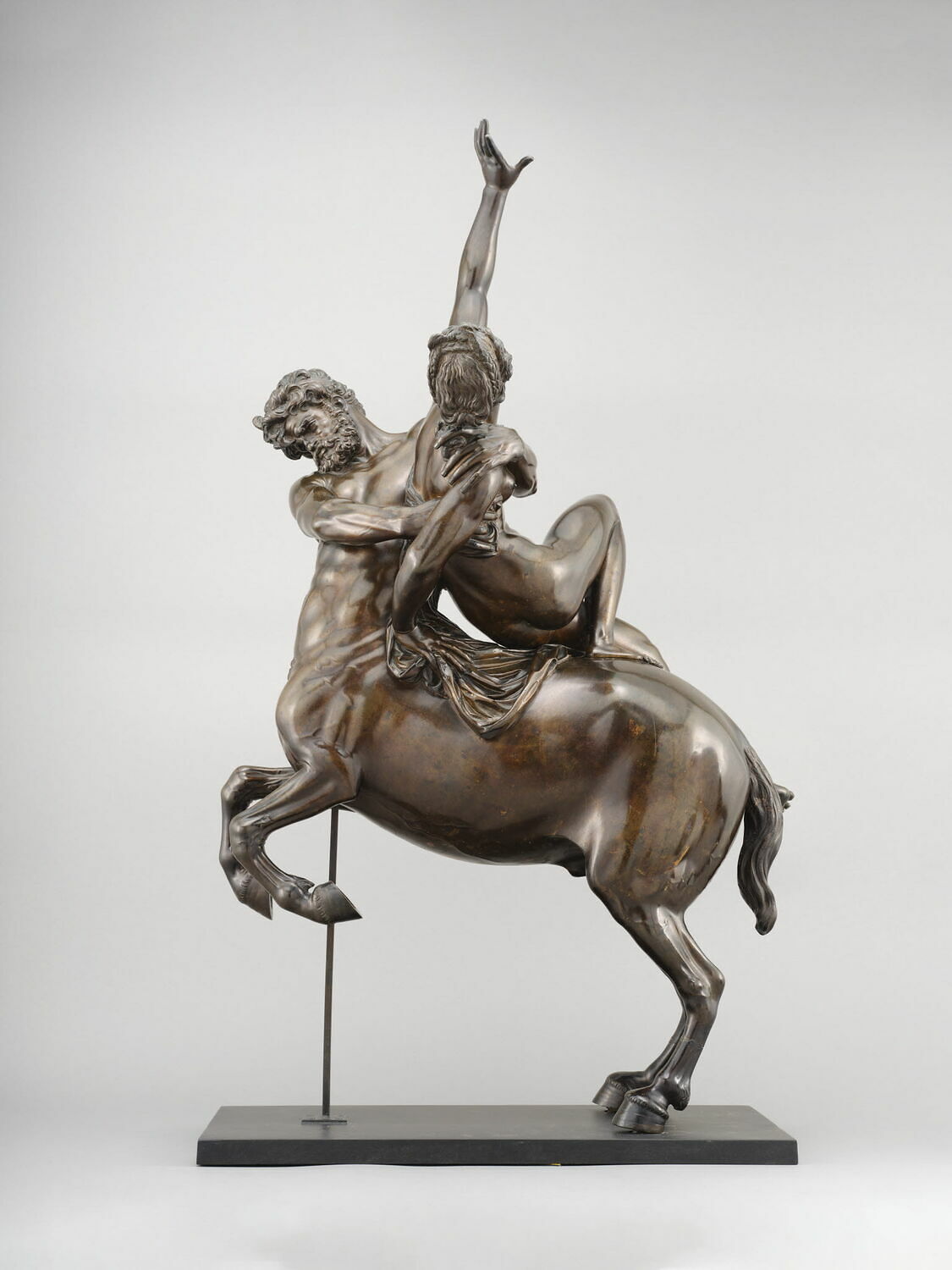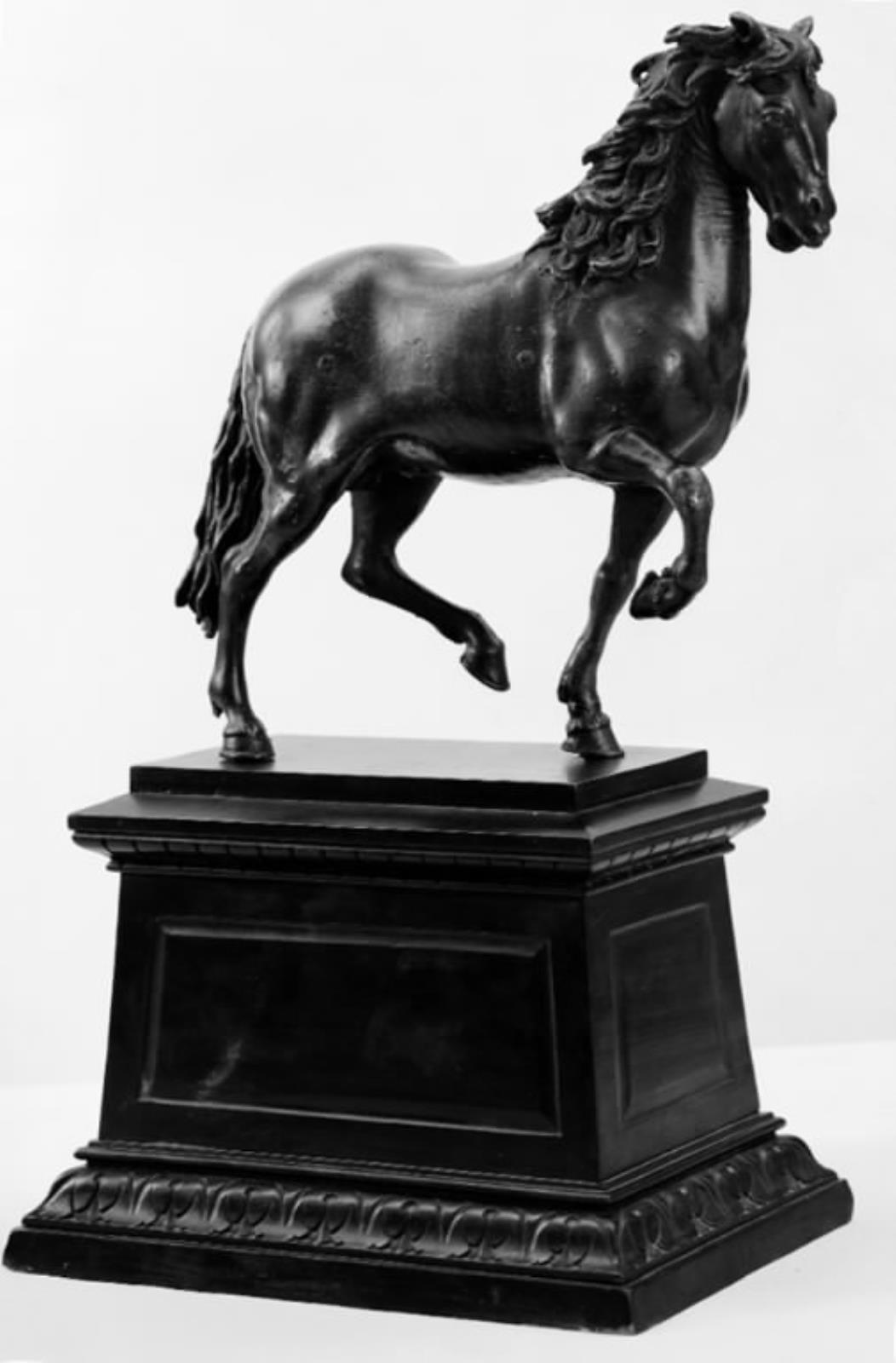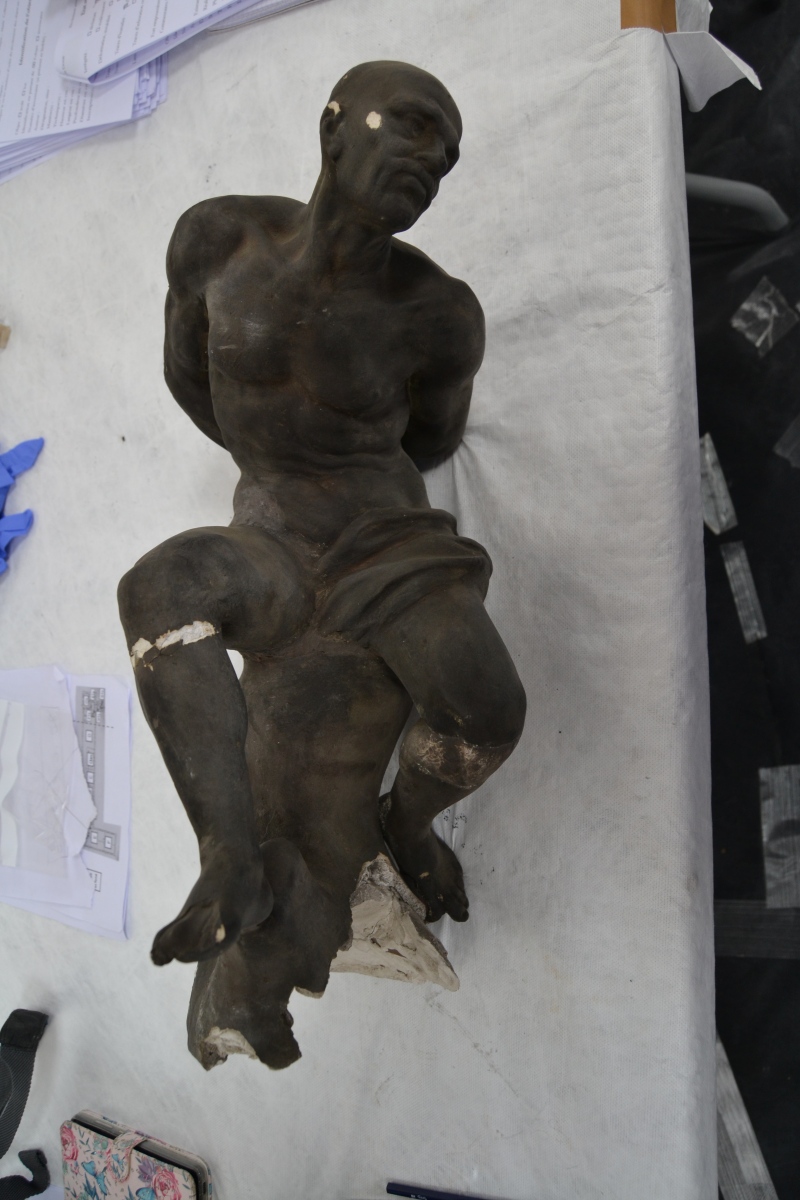
 Pietro Taccaイタリア, 1577–1640
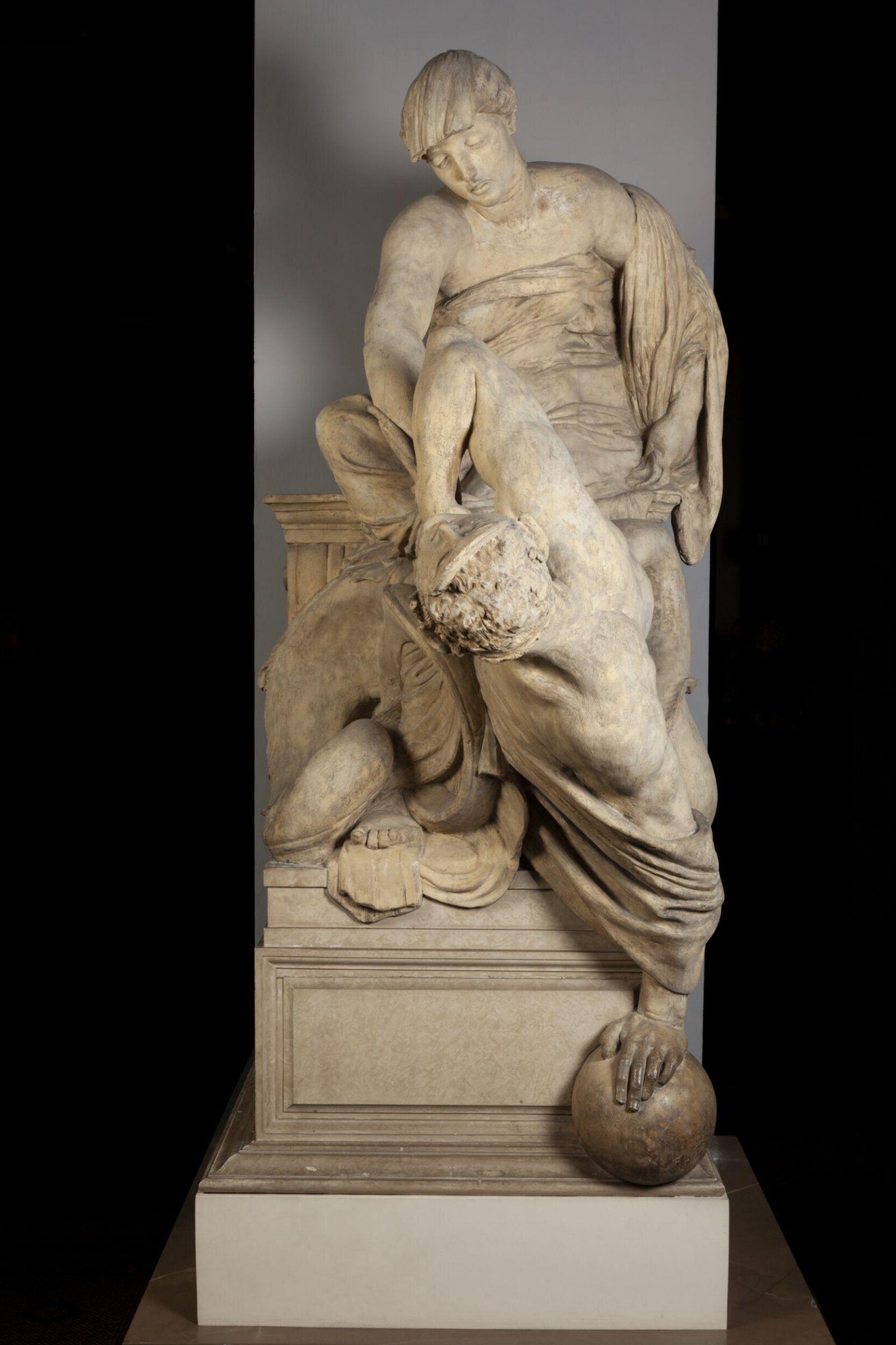
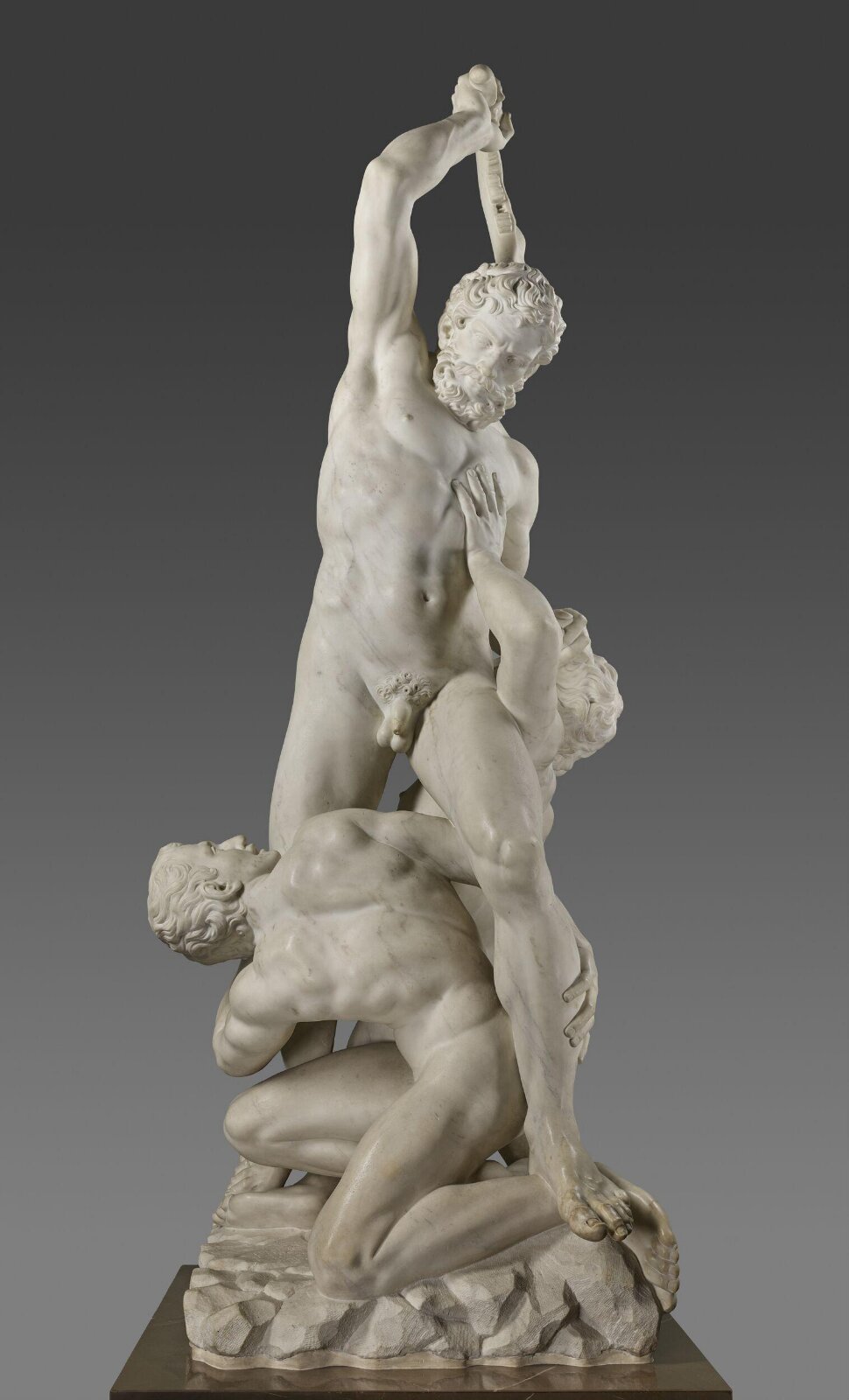
Samson and the Philistines
見られますか?
はい、現在展示中
『Samson and the Philistines』は今どこに? ヴィクトリア&アルバート博物館, Sculpture, Room 22, The Dorothy and Michael Hintze Galleries, ロンドン. はい、現在展示中. 確認 2026年9月25日.

閉館· 明日10:00に開館
一般公開されています。
- 確認
- この状態になった日
- 出典
- 美術館
この彫刻について
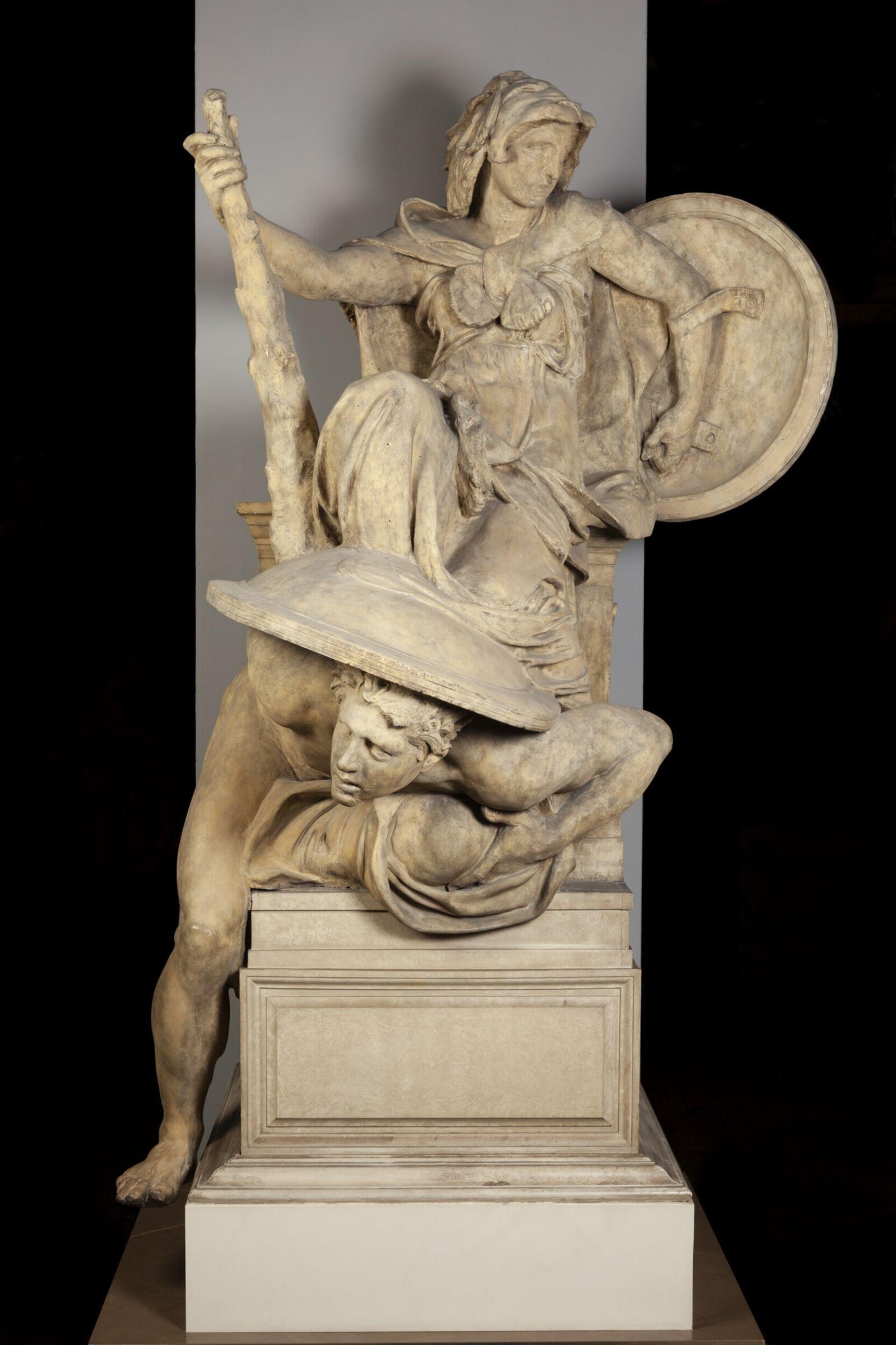
This monumental marble group, signed and dated "VINvS FOGGINI SCULPSIT FLORENTIÆ 1749" depicts the biblical hero Samson in the act of killing two Philistines. The sculpture was purchased by Charles Watson-Wentworth (1730-1782), Lord Malton and later 2nd Marquess of Rockingham during his Grand Tour of 1748–1749. The young nobleman spent several months in Florence between 1748 and 1749 and must have seen the marble sculpture in an advanced state of completion in Vincenzo Foggini’s workshop at the Borgo Pinti. The work was delivered to Wentworth Woodhouse, the family Country House in Yorkshire by mid-1750. Initially intended for the estate’s Great Hall, it was instead installed in the ground-floor Pillared Hall due to its considerable weight. It remained there until the museum’s acquisition.
続きを読む
Due to its signature, the sculpture has for long been considered to be the most ambitious work by Vincenzo Foggini, son of the celebrated Florentine sculptor Giovanni Battista Foggini. This spectacular marble is indebted to Giambologna’s Samson Slaying a Philistine (also at the V&A: A.7-1954) dating back from 1560-62. However, the present sculpture is more frontal respecting to Giambologna’s serpentine figure. The composition differs also with the addition of another Philistine, an idea taken directly from Michelangelo’s lost project on the same subject, which is known through a number of bronze casts.
Surprisingly, the marble group can be traced back in the Florentine workshop of the Borgo Pinti, where Vincenzo Foggini and the former Court sculptors to the Medici worked. It appears that the sculpture was roughed out by at least 1608, date of Giambologna death. Giambologna’s original group of Samson had been sent to Spain in 1601 as a diplomatic gift from Grand Duke Ferdinando I de’ Medici to the Duke of Lerma, chief minister to Philip III of Spain. It is possible that Ferdinando I asked Giambologna to conceive a new marble of the same subject for Florence. Over the following decades, the unfinished group passed through the hands of Pietro and Ferdinando Tacca, then Giovanni Battista Foggini and finally his son Vincenzo.
The marble must have been nearly completed by the 1720s when it inspired its own variants by Giuseppe Brocetti including a terracotta, a lost marble group documented via a surviving drawing and a porcelain figure produced by the Doccia manufactory. However, it was only when Lord Malton visited Florence that Vincenzo Foggini signed and dated the work before it was shipped to England. The Samson is a rare and powerful work completed over the course of 150 years by four generations of sculptors at the Medici court.
(Kira d'Alburquerque, 2025)
ヴィクトリア&アルバート博物館
作品データ
- 収蔵番号
- A.1-1991
描かれているもの
カタログ収録
出典
- ヴィクトリア&アルバート博物館
- 画像: ヴィクトリア&アルバート博物館 — © Victoria and Albert Museum, London