 Ludwig Mies van der Roheアメリカ合衆国, 1886–1969
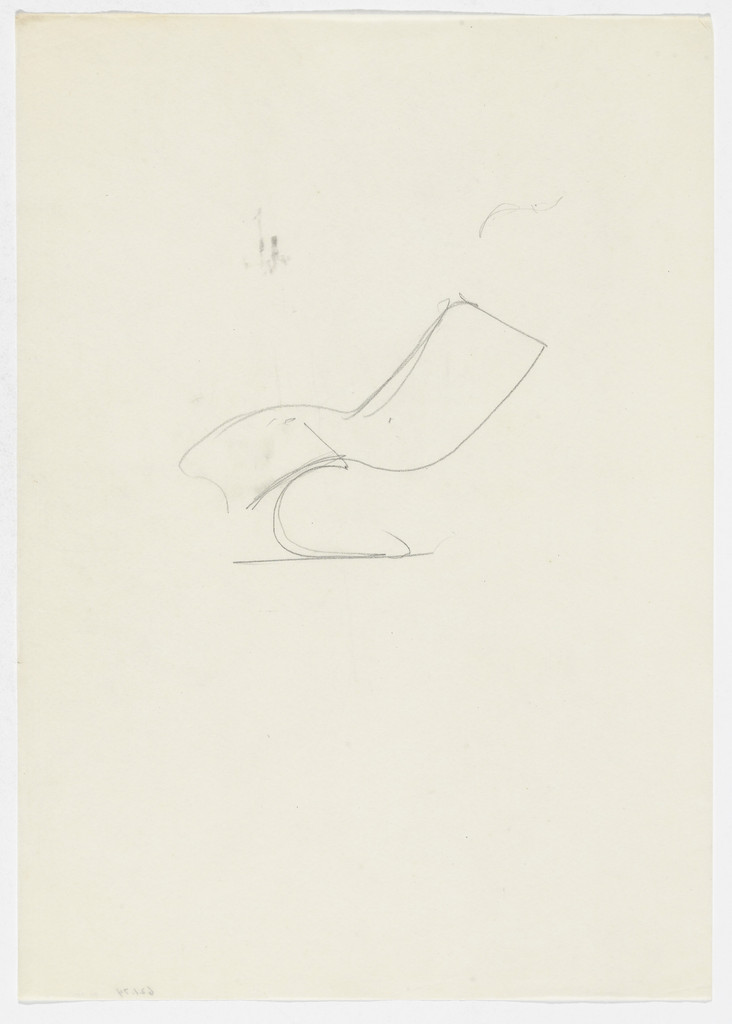
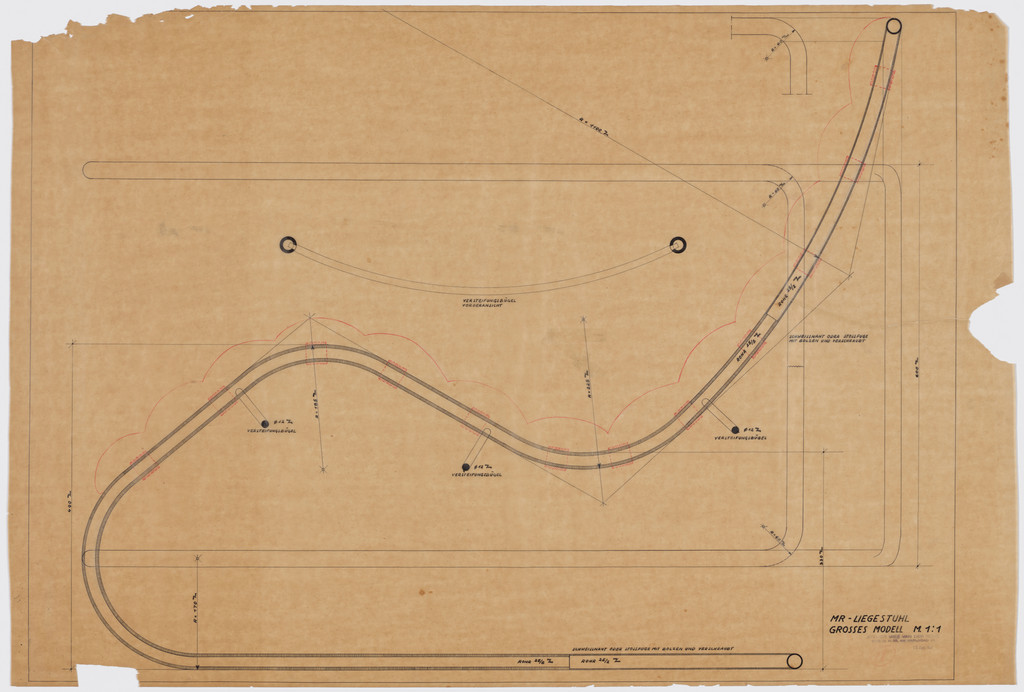
Reclining chair (large version) (Elevation)
お目にかかれますか?
ただいまはお迎えしていません

ニューヨーク近代美術館
ニューヨーク, アメリカ合衆国
コレクションに属していますが、現在は展示されていません。
- 確認
- 出典
- 美術館自身の所蔵データ
作品データ
- 収蔵番号
- 963.1974
カタログ収録
出典
- ニューヨーク近代美術館:美術館のオープンデータ · 15 日前に取得
- 画像: ニューヨーク近代美術館 — © the artist or rights holder
その頃、Ludwig Mies van der Roheの人生では
生涯をすべて見る1929
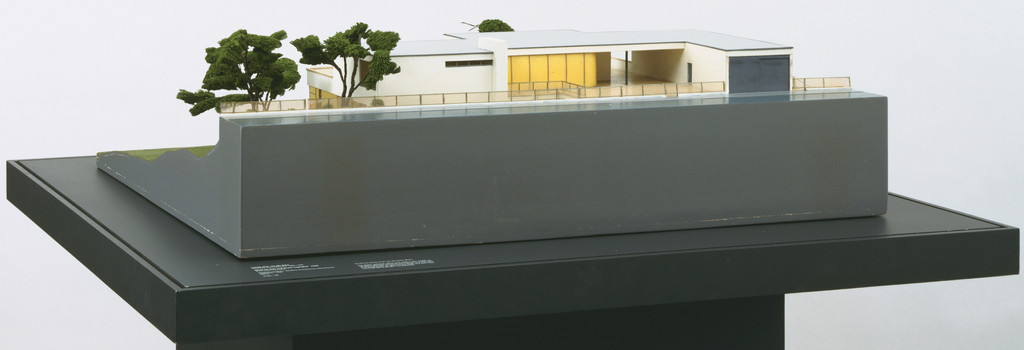
The German Pavilion at the Barcelona exposition
He directed the construction of the German Pavilion at the international exposition — at once a pavilion and an exhibit in its own right: in place of ornament it relied on clear geometry and the reflective properties of polished travertine, onyx, glass and water, and the load was carried not by walls but by freestanding steel supports, so that the space flowed freely. He also created the “Barcelona” furniture collection for it; the project brought him worldwide fame.
1930
The first American commission: Philip Johnson’s apartment
The interior of Philip Johnson’s New York apartment was Mies’s first US commission.
1930–1933
Employed by: Bauhaus
1932
The Bauhaus driven out of Dessau; Mies moves it to Berlin
Since 1930, at the request of his colleague and competitor Gropius, he had directed the faltering Bauhaus; in 1932 the Nazis forced the school to leave its campus in Dessau and Mies moved it to an abandoned telephone factory in Berlin.
April – July 1933
The Gestapo raid and the closing of the Bauhaus
In April 1933 the Gestapo raided the school, and in July, because the Nazis had made its continued operation untenable, Mies and the faculty “voted” to close the Bauhaus.
1933–1937
Attempts to get along with the Nazis
Some of his designs, such as autobahn service stations, found favour with Hitler; Mies and Gropius joined the visual arts section of the Reich Culture Chamber, entered early Nazi architectural competitions with designs showing structures decorated with swastikas, and signed an artists’ manifesto supporting Hitler’s succession to Hindenburg. His design for a Reichsbank building in Berlin won one of six prizes but was rejected by Hitler.