Queen Victoria
お目にかかれますか?
はい、お客様をお迎えしています

一般公開されています。
- 確認
- この状態になった日
- 出典
- 美術館
この彫刻について
Object Type
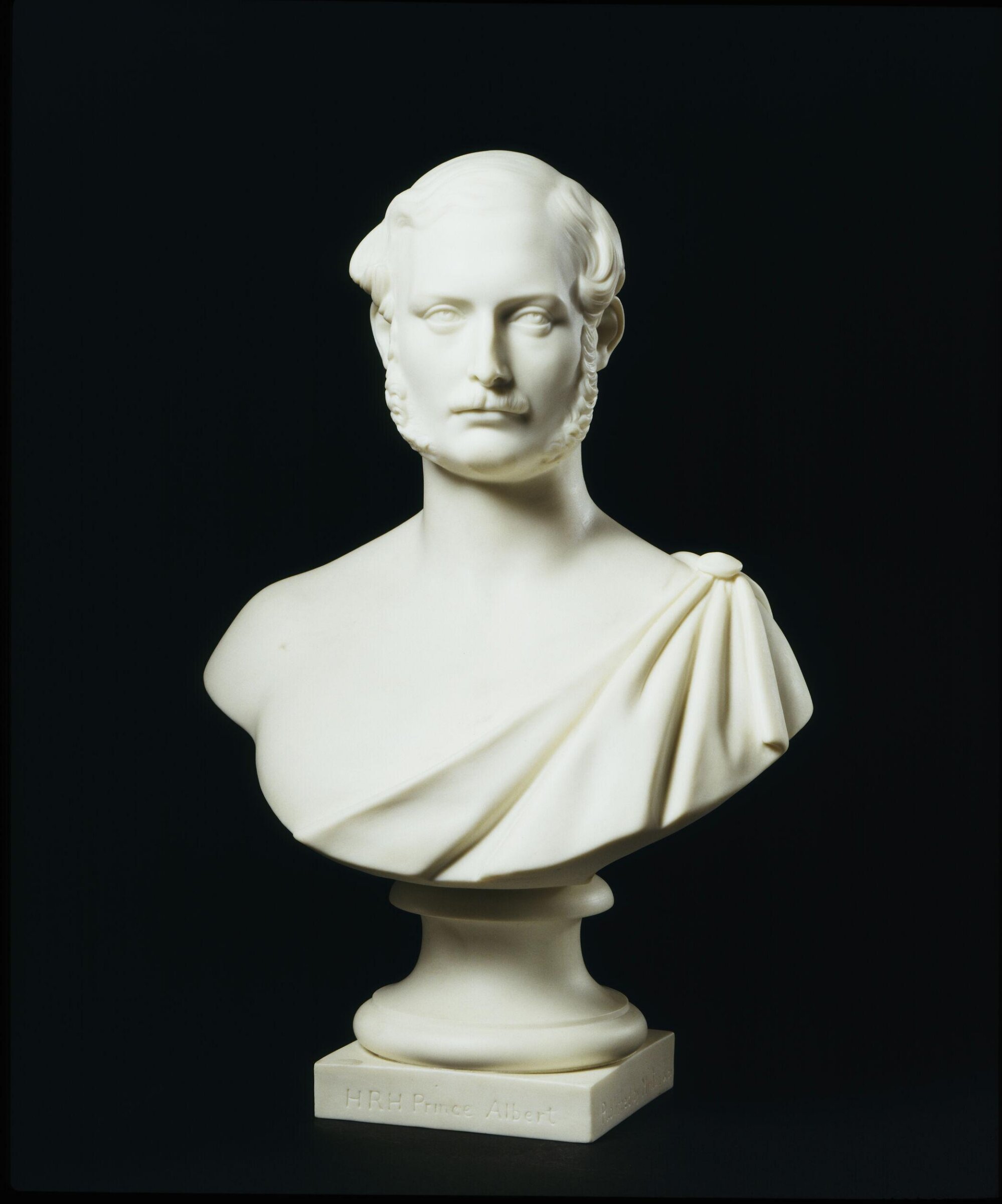
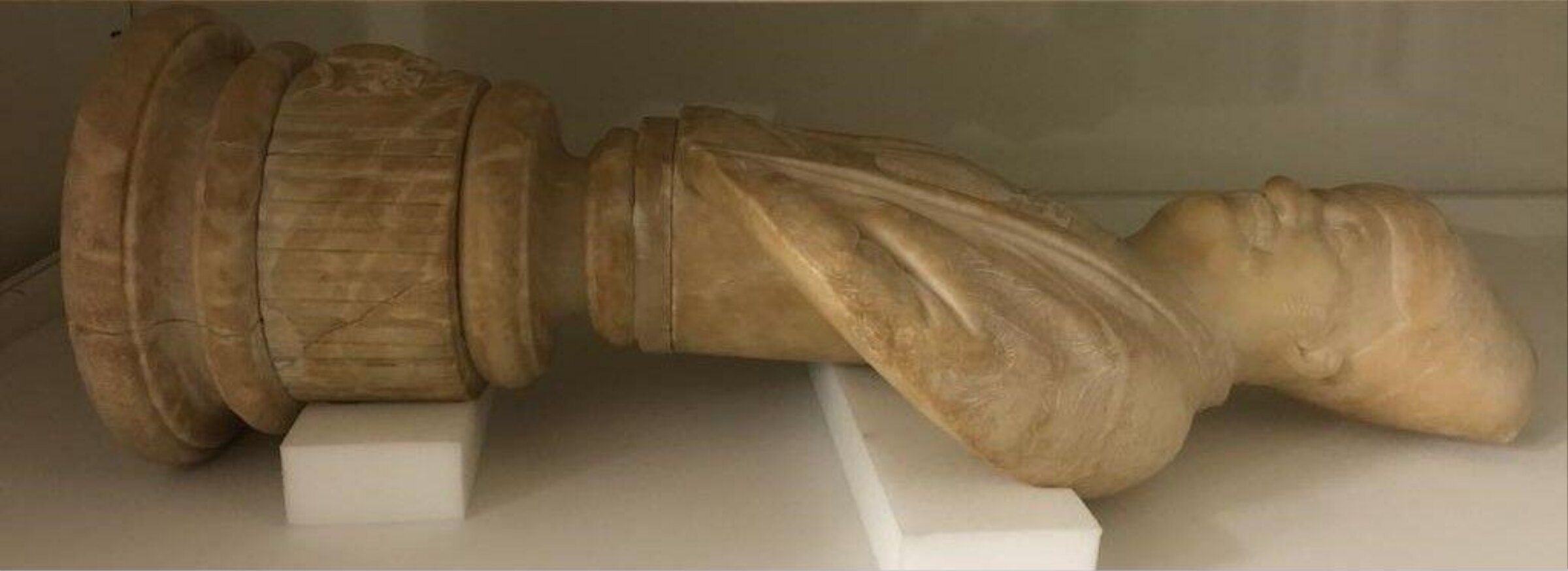
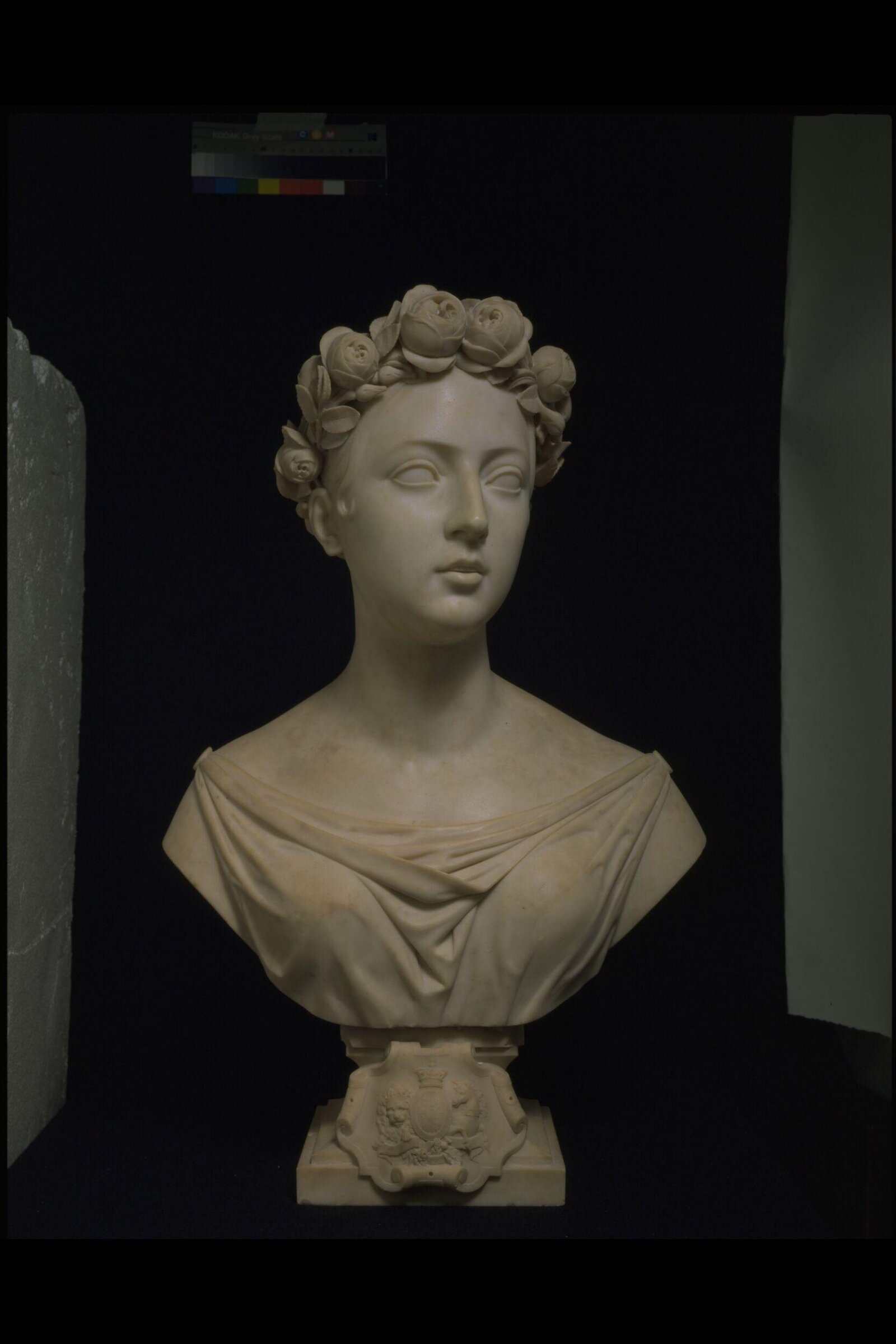
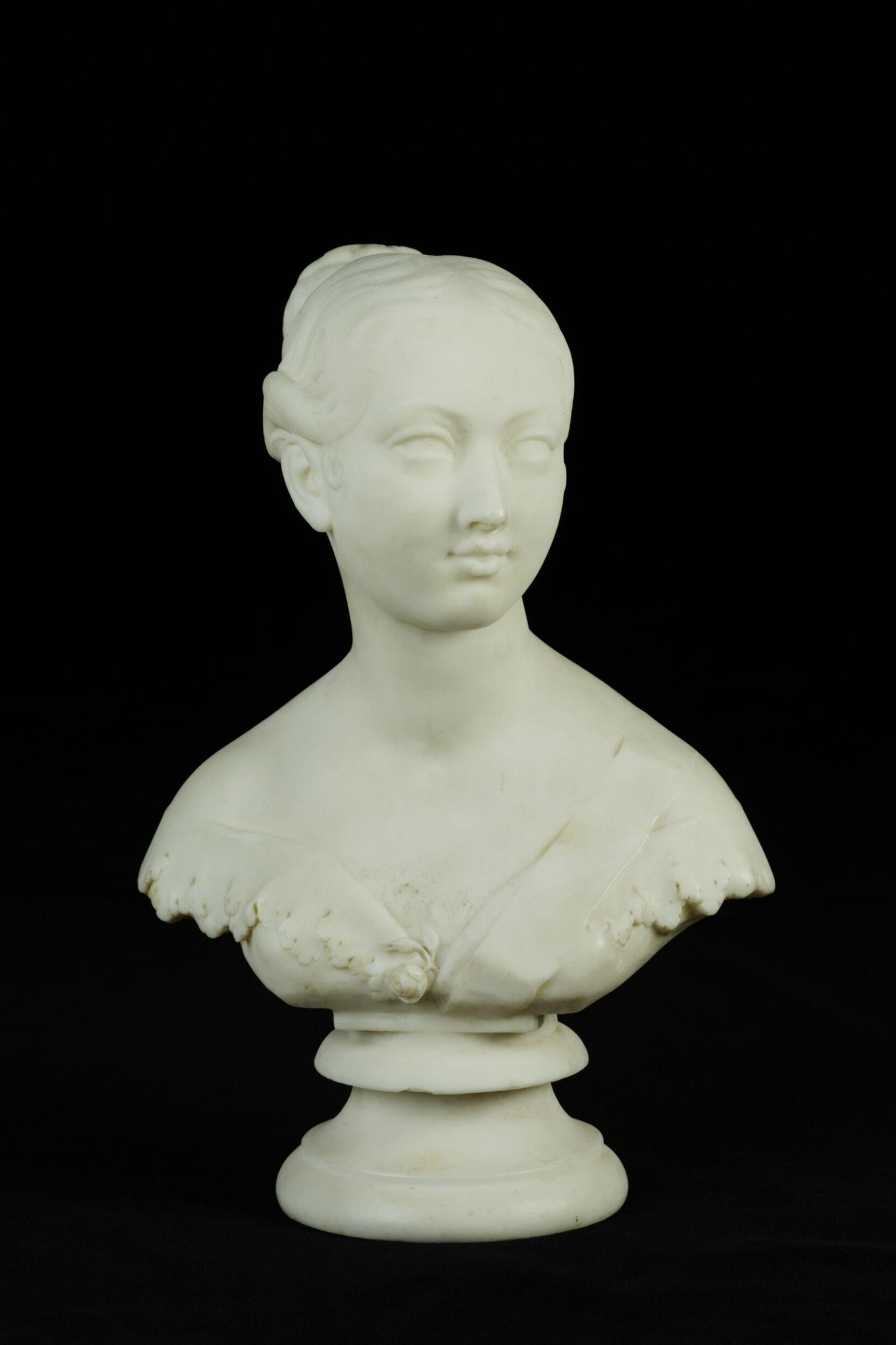
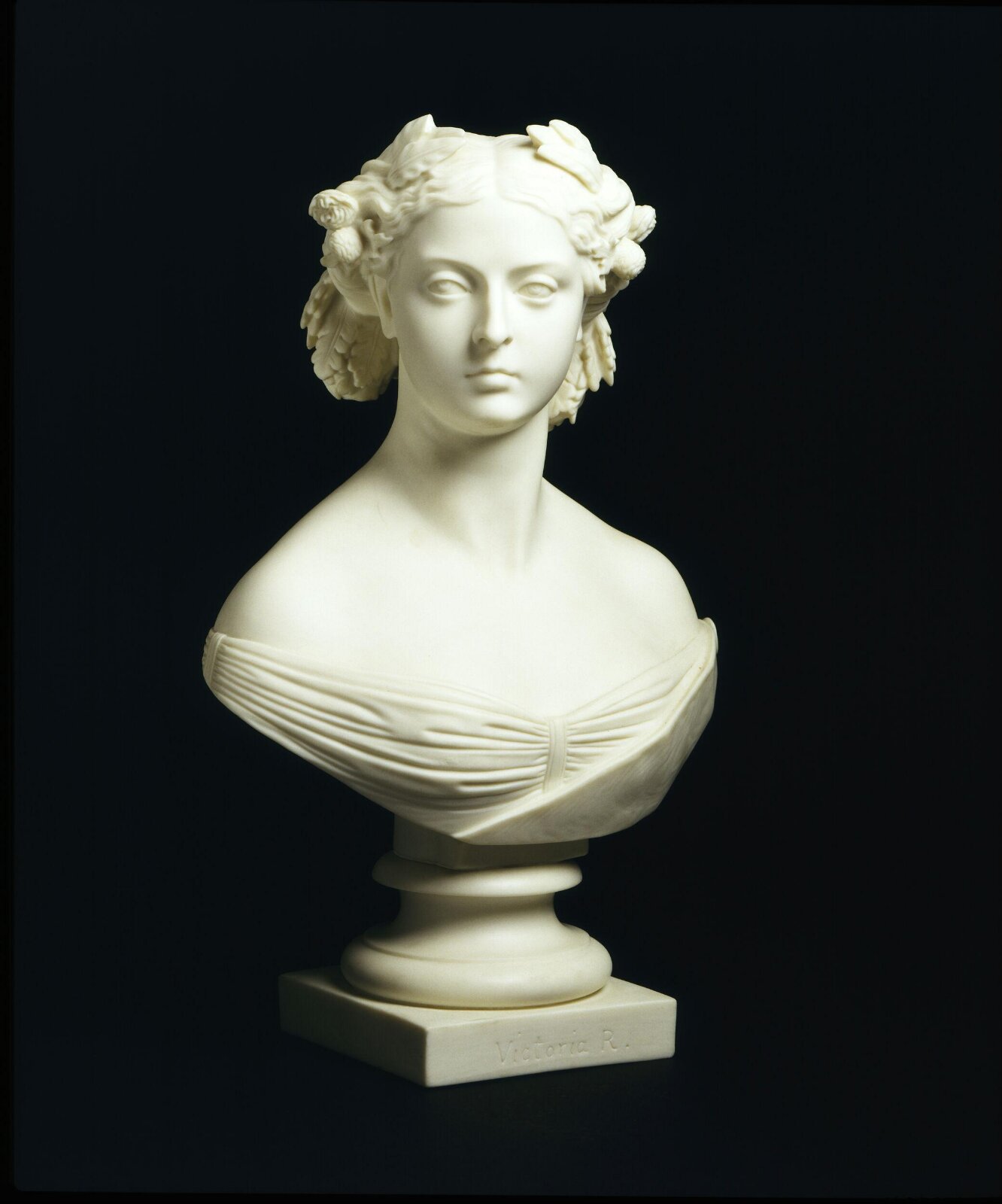
Parian was a type of porcelain developed in the 1840s for use in statuary. It had similar surface qualities to marble, and was named after the Greek island of Paros, where marble was quarried. Parian was less prone to discoloration than unglazed bone china, which had previously been used to produce ceramic figures in imitation of marble. Parian figures and busts became very popular, making sculpture affordable for the middle classes. Numerous models were produced, depicting classical subjects or, as here, eminent individuals.
Materials & Making
続きを読む
Credit for the invention of Parian was hotly contested. Both Minton, who produced these busts, and Copeland laid claim to the discovery of the formula. Because of this unresolved dispute, the jury of the Great Exhibition of 1851 failed to award a Council Medal for its invention. Nevertheless, the material enjoyed enormous success when it was shown there.
Historical Associations
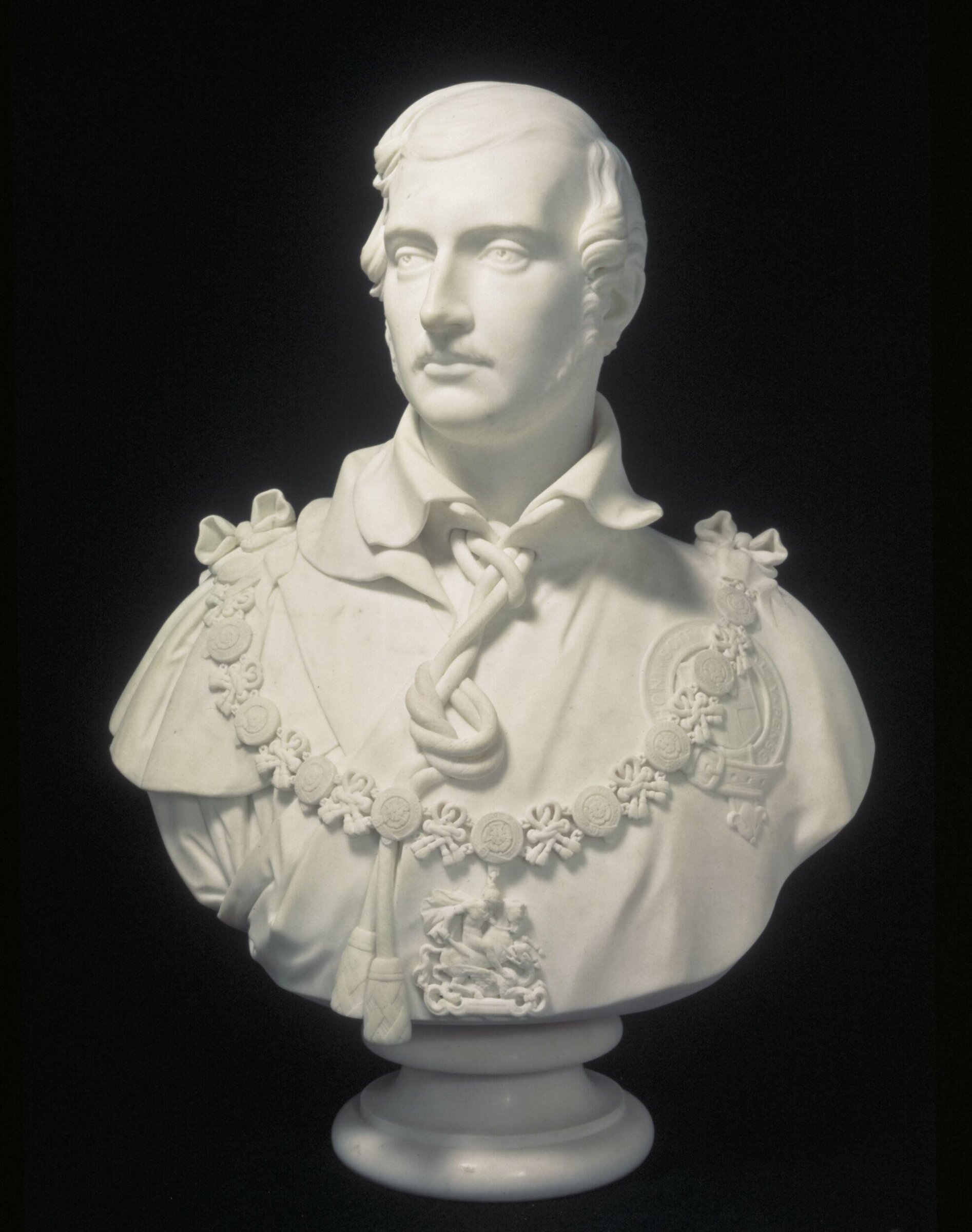
The original marble sculptures from which this Parian bust and its pair, a bust of Prince Albert (museum no. 7888-1862), were copied were made by the Italian sculptor Carlo Marochetti (1805-1867) and were shown at the Royal Academy in 1851. These Parian versions were shown by Minton at the London International Exhibition of 1862, at which an entire section was devoted to 'Parian and Ivory'.
ヴィクトリア&アルバート博物館
作品データ
- 収蔵番号
- 7889-1862
描かれているもの
カタログ収録
出典
- ヴィクトリア&アルバート博物館
- 画像: ヴィクトリア&アルバート博物館 — © Victoria and Albert Museum, London