Salvator Rosaイタリア, 1615–1673
Philosophy
お目にかかれますか?
不明:美術館は黙して語らず

ナショナル・ギャラリー
ロンドン, イギリス
所蔵者はわかっています。いま展示されているかどうかは美術館が公表しておらず、当て推量は私どもの流儀ではありません。
- この状態になった日
- 2026年9月29日
- 出典
- 美術館自身の所蔵データ
About the painting
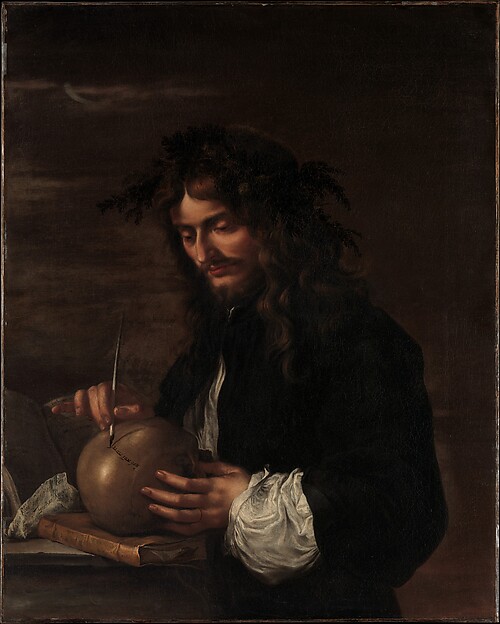
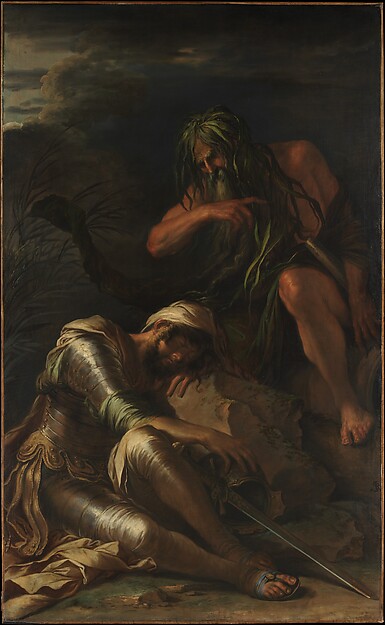
『哲学』(てつがく、伊: Filosofia、英: Philosophy)、または『自画像』(じがぞう、伊: Autoritratto、英: Self-portrait)は、バロック期のナポリ派の画家サルヴァトル・ローザが1645年ごろ、キャンバス上に油彩で制作した絵画である。1933年にランズダウン侯爵より寄贈されて以来、ロンドンのナショナル・ギャラリーに所蔵されている。作品の人物がだれであるかについて多くの議論がなされてきており、ナショナル・ギャラリーに収蔵された当時はサルヴァトール・ローザの「自画像」とみなされていた。しかし、最近の研究により、本作は元来、哲学の擬人像として描かれたことがわかっている。
作品データ
- 収蔵番号
- NG4680
出典
- Wikidata · 5 日前に取得
- 画像: ナショナル・ギャラリー — Salvator Rosa · Public domain · Wikimedia Commons
その頃、Salvator Rosaの人生では
生涯をすべて見る1640–1649
Florentine Period at the Medici Court
After scandalous quarrels with Bernini and his failure to gain admission to the Accademia di San Luca, he moved to Florence at the invitation of Giovanni Carlo de' Medici, where he remained until 1649.
1640s
Founding of the Accademia dei Percossi in Florence
In Florence he founded the Accademia dei Percossi — a combination of studio and salon of poets, playwrights, and painters, where satires and comedies were read at dinners.
1640s
The Satires "Music," "Poetry," "Painting," and "War"
While staying with the Maffei brothers in Volterra, he wrote four satires — Music, Poetry, Painting, and War; at the same time he painted the picture Philosophy (now in the National Gallery, London).
1647
Participation in Masaniello's Revolt
According to a widespread account, he took part in the popular uprising led by Masaniello in Naples; he painted a portrait of Masaniello and expressed sympathy for the revolt in one of his satires.