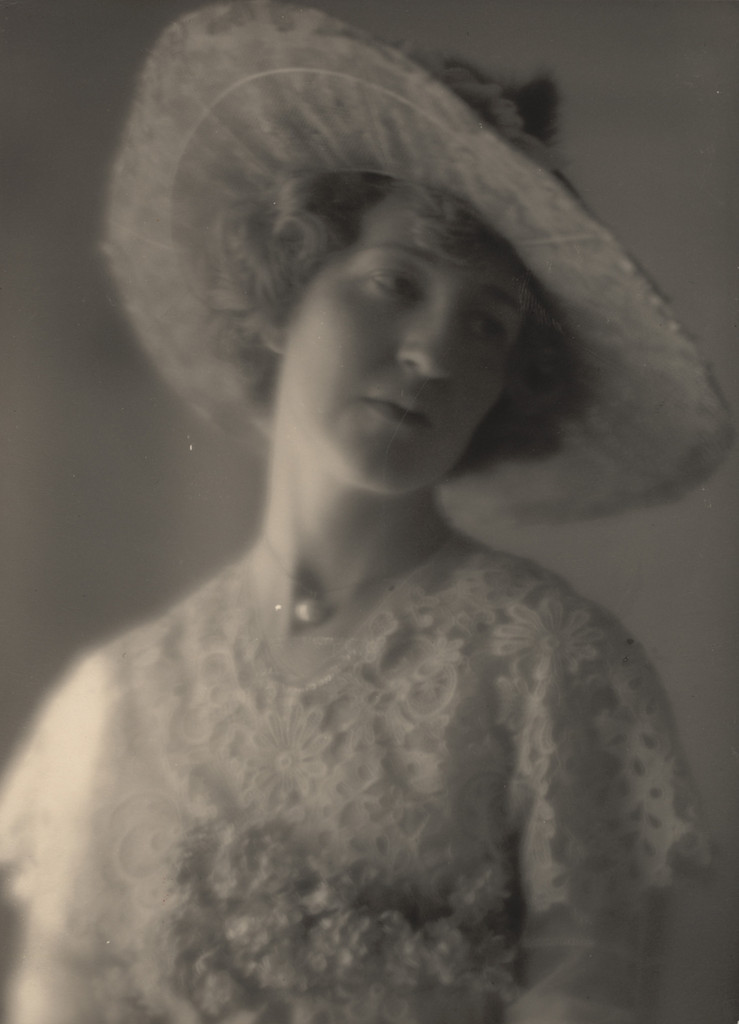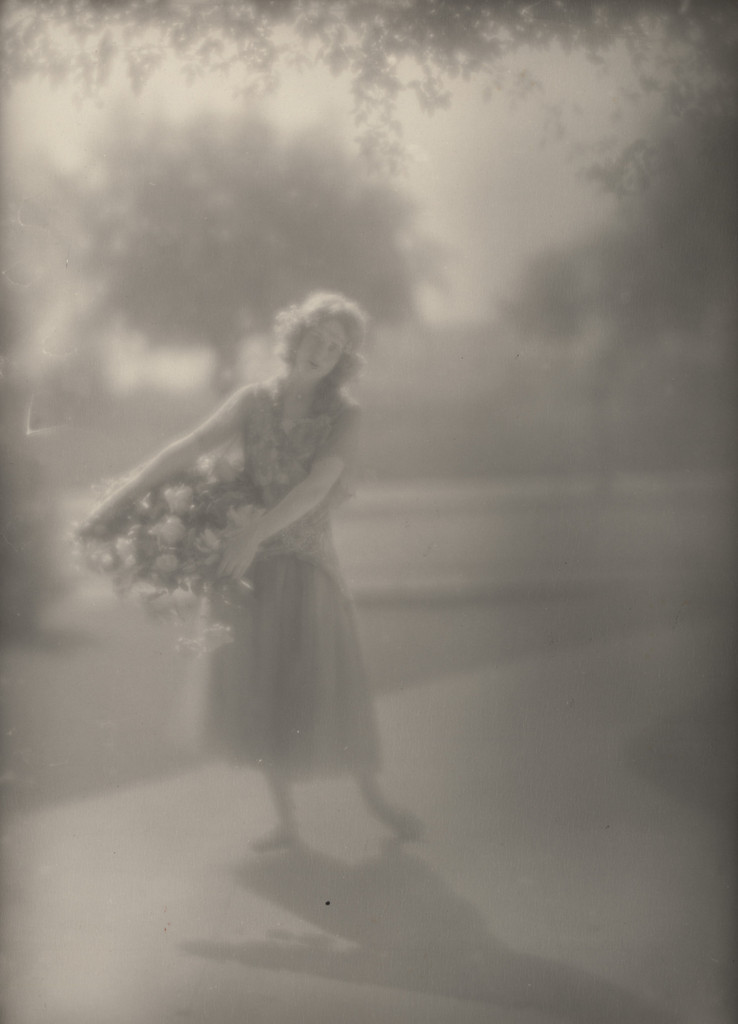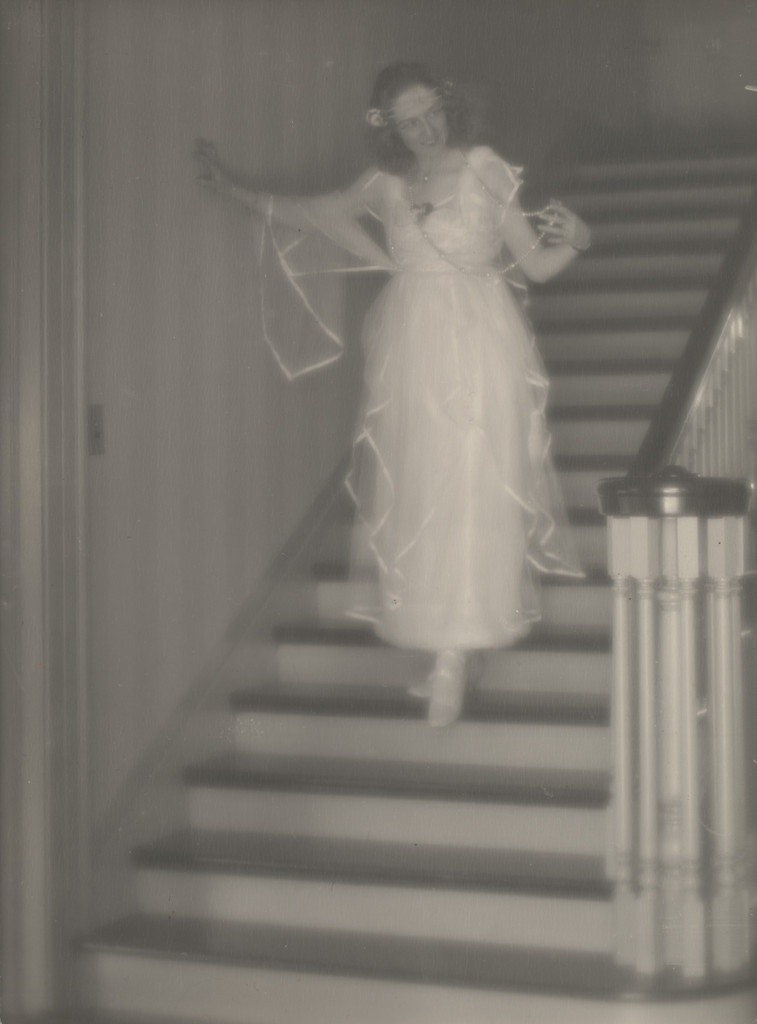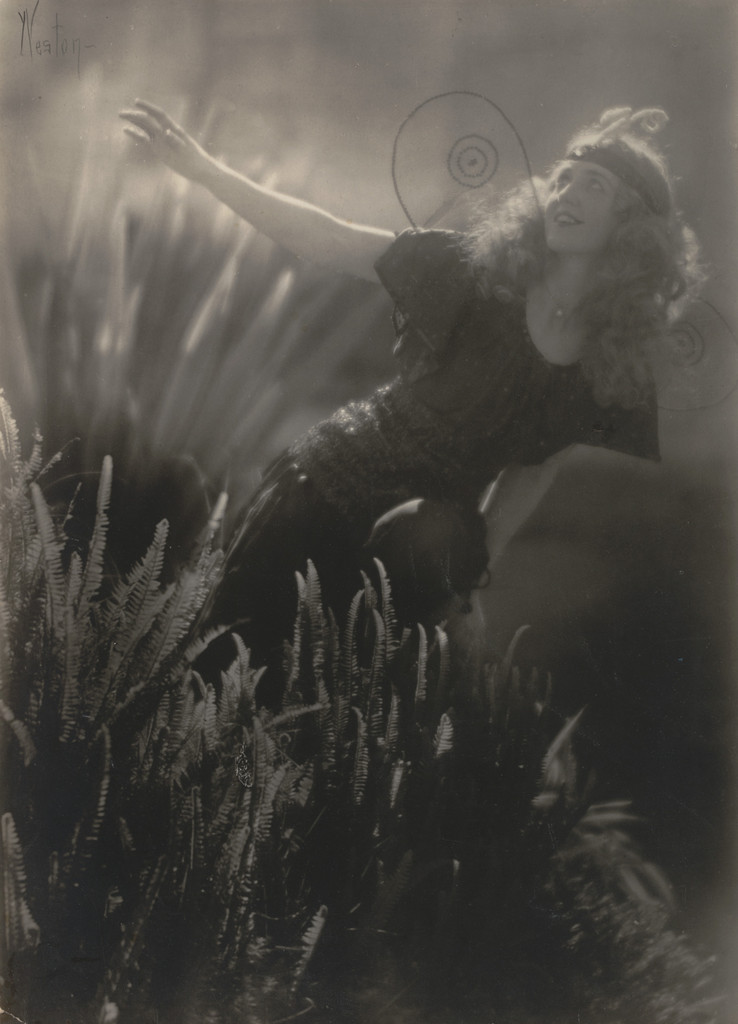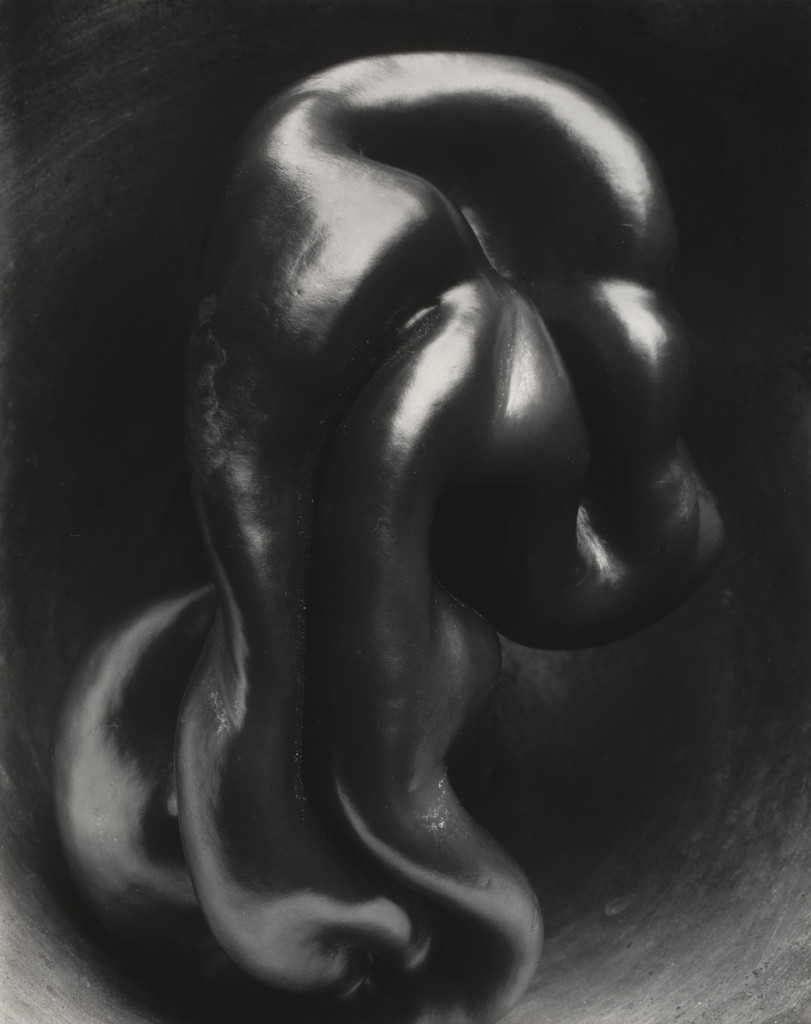
 Edward Westonアメリカ合衆国, 1886–1958
Pepper
お目にかかれますか?
ただいまはお迎えしていません

ニューヨーク近代美術館
ニューヨーク, アメリカ合衆国
コレクションに属していますが、現在は展示されていません。
- 確認
- 12 日前
- 出典
- 美術館自身の所蔵データ
作品データ
- 収蔵番号
- 433.1956
出典
- ニューヨーク近代美術館: the museum's own open data · 12 日前に取得
- 画像: ニューヨーク近代美術館 — © the artist or rights holder
その頃、Edward Westonの人生では
生涯をすべて見るMay 1928
The Mojave Desert: his first landscapes as art
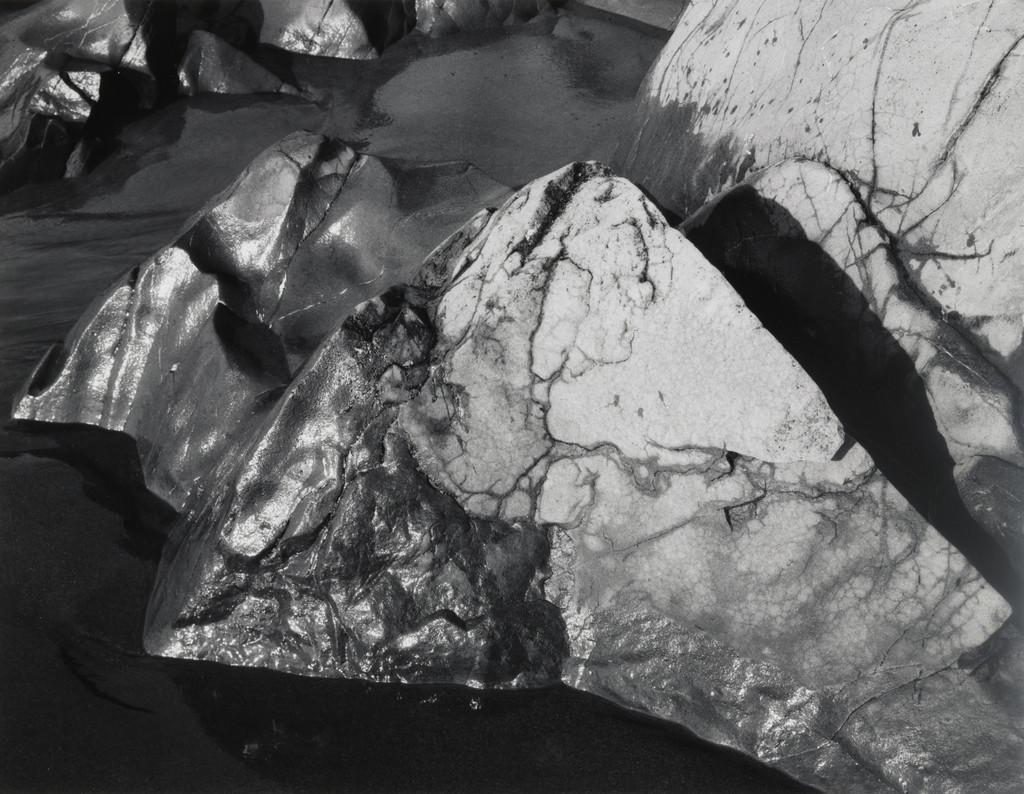
A brief but important trip with Brett to the Mojave Desert, where he first explores and photographs landscape as an art form. The stark rock forms and empty spaces are a visual revelation to him; over a long weekend he takes twenty-seven photographs and declares in his journal that these negatives are the most important he has ever done.
1929
Regular trips to Point Lobos
He starts making regular trips to nearby Point Lobos, where he will continue to photograph until the end of his career; there he learns to fine-tune his vision to the visual space of his view camera, and the images he takes there, of kelp, rocks and wind-blown trees, are among his finest.
early 1929
Moves to Carmel
In 1928 he and Brett had moved to San Francisco, living and working in a small studio owned by Hagemeyer, where he made portraits for income but longed to get away on his own and return to his art. In early 1929 he moves into Johan Hagemeyer’s cottage in Carmel, where he finally finds the solitude and inspiration he was seeking, and puts a sign in the studio window: “Edward Weston, photographer, Unretouched Portraits, Prints for Collectors.”
April 1929
Meets Sonya Noskowiak
In early April he meets the photographer Sonya Noskowiak at a party, and by the end of the month she is living with him; as with many of his relationships, she becomes his model, muse, pupil and assistant. They go on living together for five years.
1930–1931
A series of one-man exhibitions, 1930–1931
The first is at Alma Reed’s Delphic Studio Gallery in New York, followed closely by the same show at the Denny Watrous Gallery in Carmel; both receive rave reviews, including a two-page article in the New York Times Magazine. Shows at the De Young Museum in San Francisco and the Galerie Jean Naert in Paris follow.
1932
The first book on his work: “The Art of Edward Weston”
The Art of Edward Weston, edited by Merle Armitage, is published, the first book devoted exclusively to Weston’s work; it is dedicated to Alice Rohrer, an admirer and patron whose $500 donation helped pay for its publication.