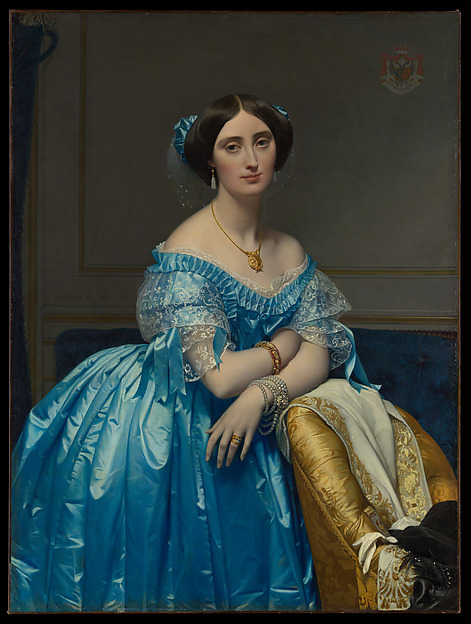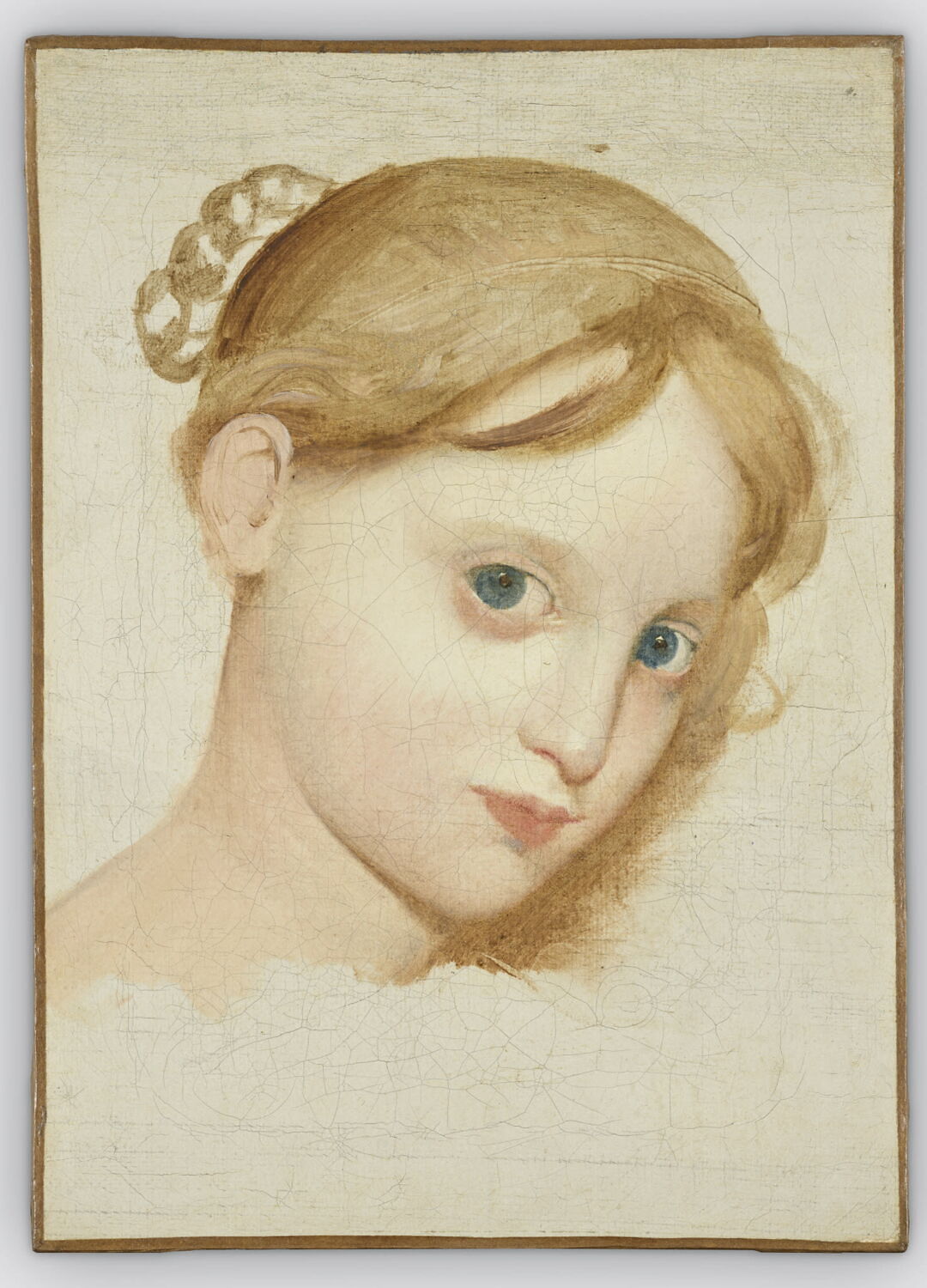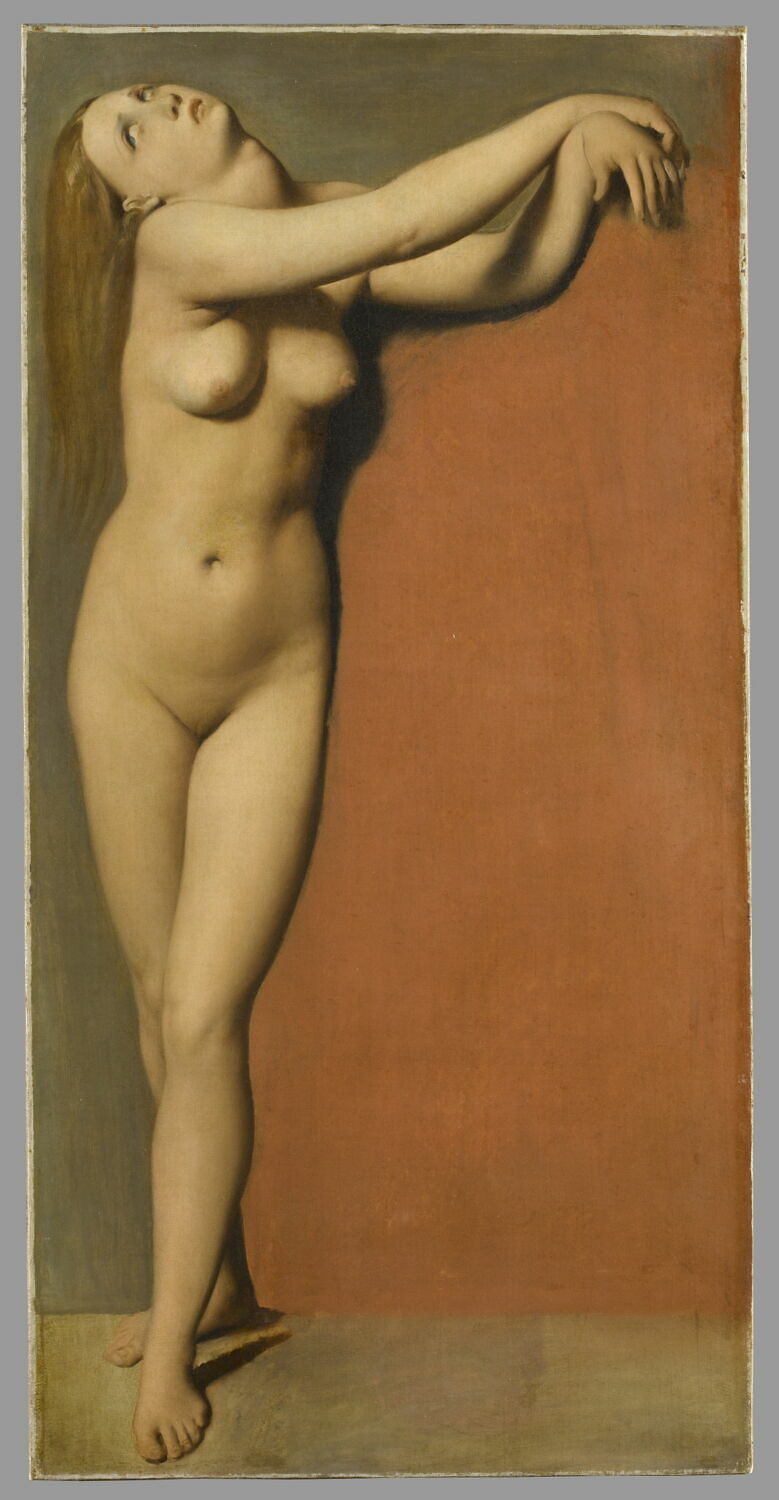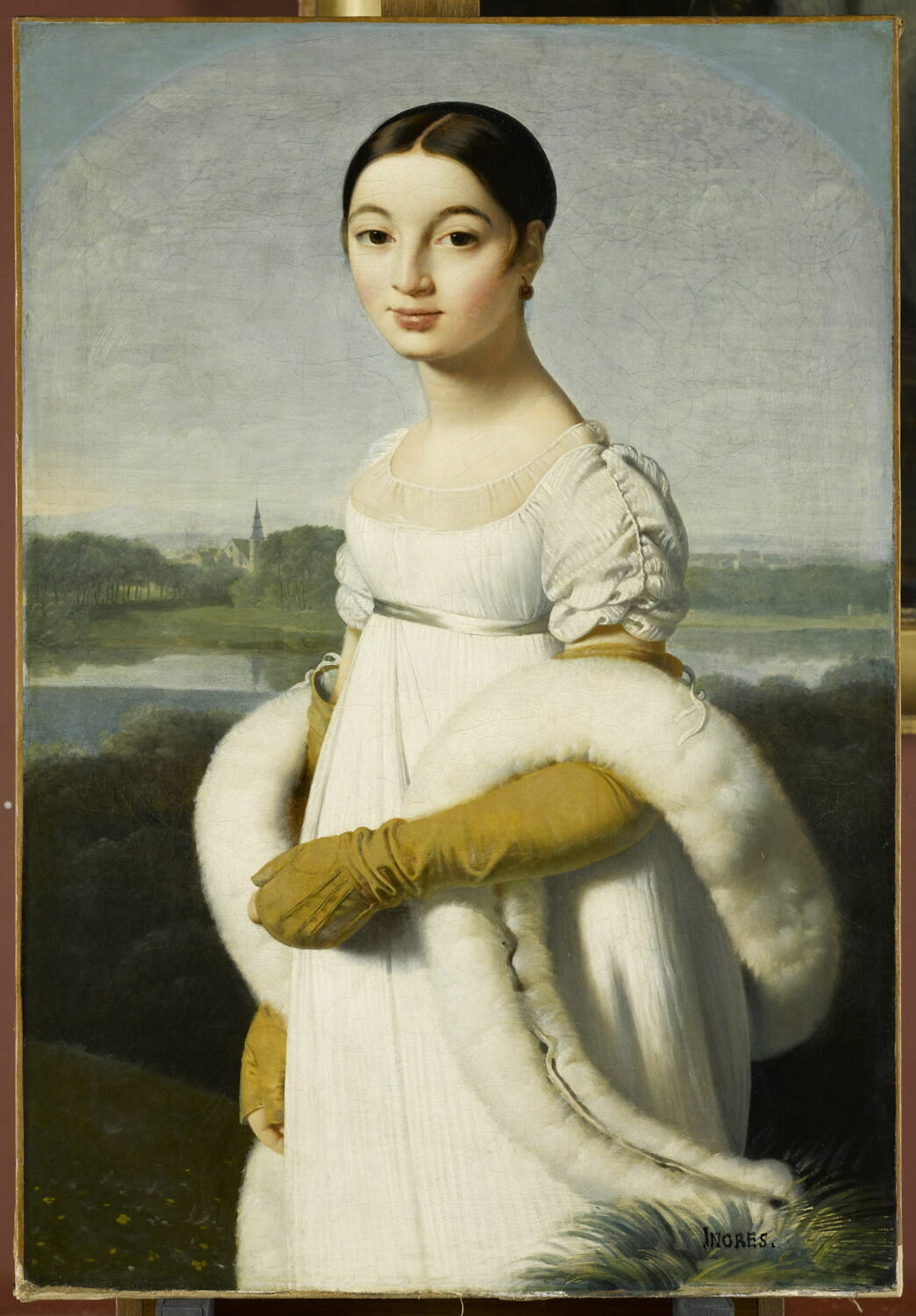
 Jean-Auguste-Dominique Ingresフランス, 1780–1867
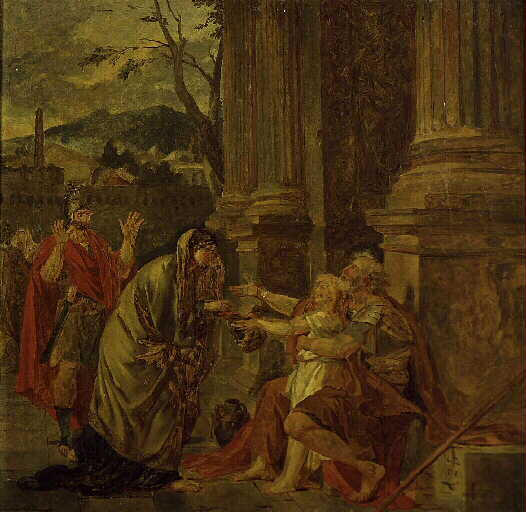
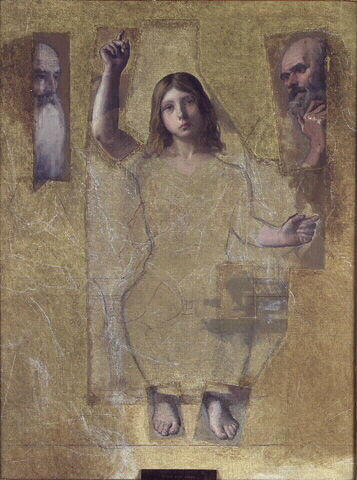
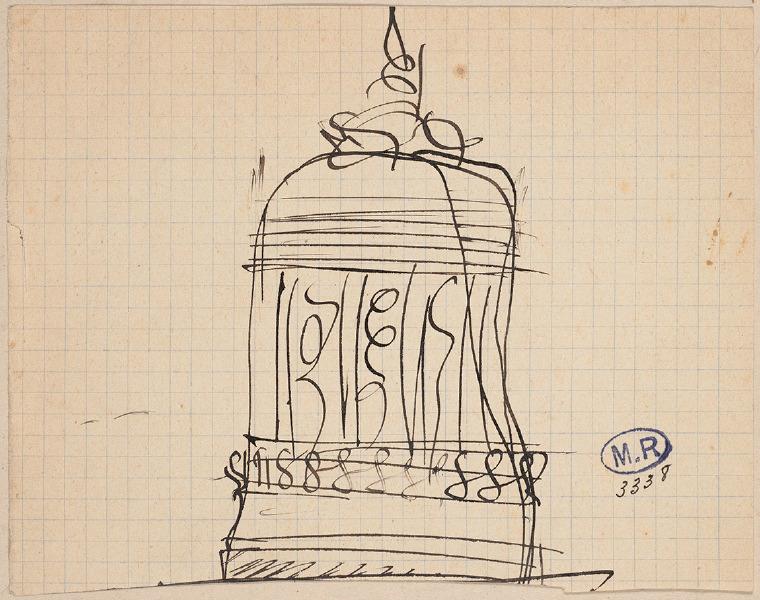
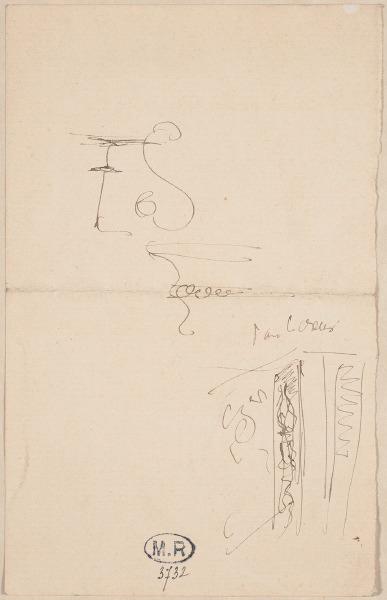
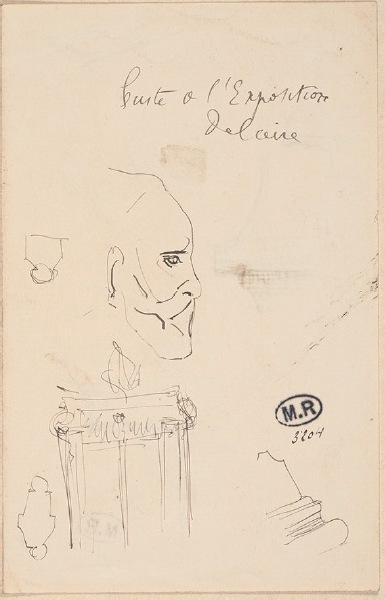
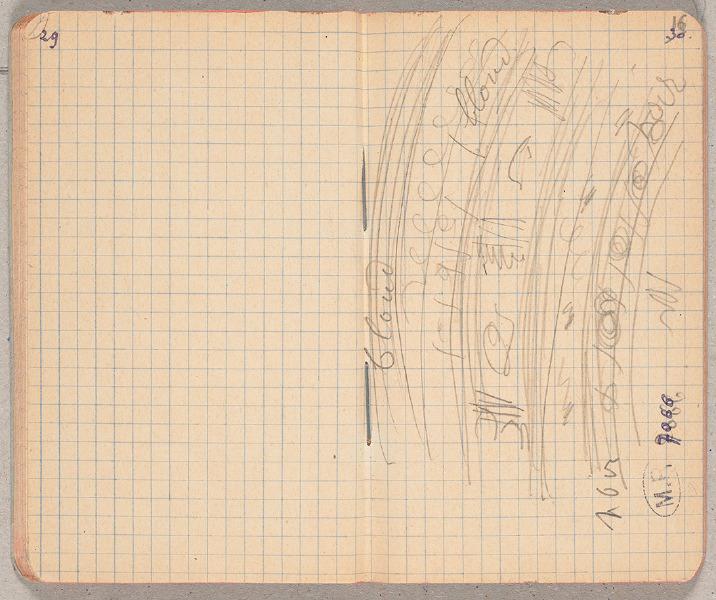
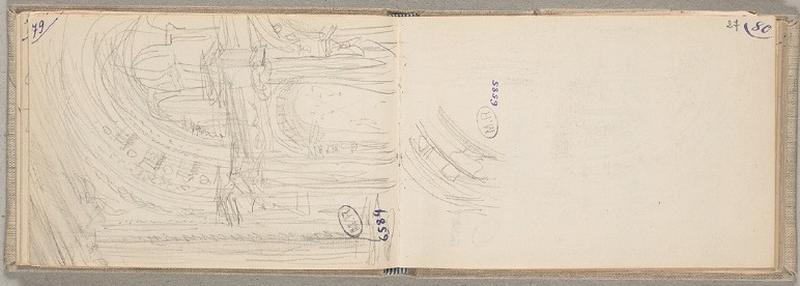
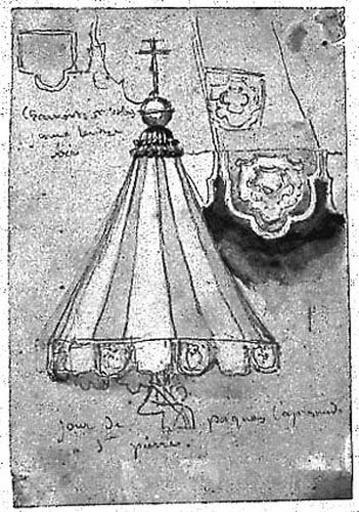
Pavillon de cardinal
見られますか?
不明
『Pavillon de cardinal』は今どこに? 所蔵: アングル・ブールデル美術館, モントーバン. 不明.
モントーバン, フランス
所蔵者は判明していますが、現在展示中かどうかは不明です。
- この状態になった日
- 出典
- 美術館
作品データ
- 収蔵番号
- MI.867.1347 ; 18 F16 (Inventaire Cambon) ; 3244 (Inventaire Momméja)
描かれているもの
カタログ収録
出典
- アングル・ブールデル美術館
- 画像: アングル・ブールデル美術館 — © Roumagnac Guy; Ministère de la Culture (France), base Joconde
その頃、Jean-Auguste-Dominique Ingresの人生では
生涯をすべて見る1813
Married: Madeleine Chapelle
1813
Marriage to Madeleine Chapelle
The acquaintance began by letter: Ingres drew Madeleine Chapelle's portrait from descriptions in her letters, and when they met in September the drawing matched the original; they married in December. Madeleine wrote to her sister that Ingres was an artist of enormous talent, neither a spendthrift, nor a drunkard, nor a libertine.
1815
The fall of the Empire strips Ingres of his patrons
After the fall of Napoleon's empire and the Congress of Vienna, the French living in Rome left the city in droves. Ingres, dependent on a narrow circle of patrons, could no longer earn as he used to.
1815–1820
Portrait drawings of tourists to make a living
With the French administration gone, painting commissions were rare, and Ingres supplemented his income with pencil portraits of wealthy tourists, chiefly English. To visitors who asked whether this was where the man who draws the little portraits lived, he answered irritably: “No, the man who lives here is a painter!”
1819
Critics condemn the “Grande Odalisque” at the Salon
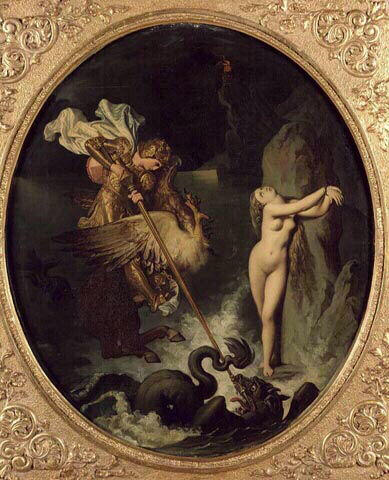
In 1819 Ingres sent the Grande Odalisque, Philip V and the Marshal of Berwick and Roger Freeing Angelica to the Salon, but critics again condemned his work as gothic and unnatural. The critic Kératry complained that the Odalisque's back was three vertebrae too long.
29 August 1820
The commission for “The Vow of Louis XIII” for Montauban Cathedral
The French Ministry of the Interior commissioned Ingres to paint an altarpiece for the cathedral of his native Montauban on the theme of the Vow of Louis XIII. The commission, which took four years, changed his life and brought him back to the canons of Neoclassicism.