Jonathan Harmer
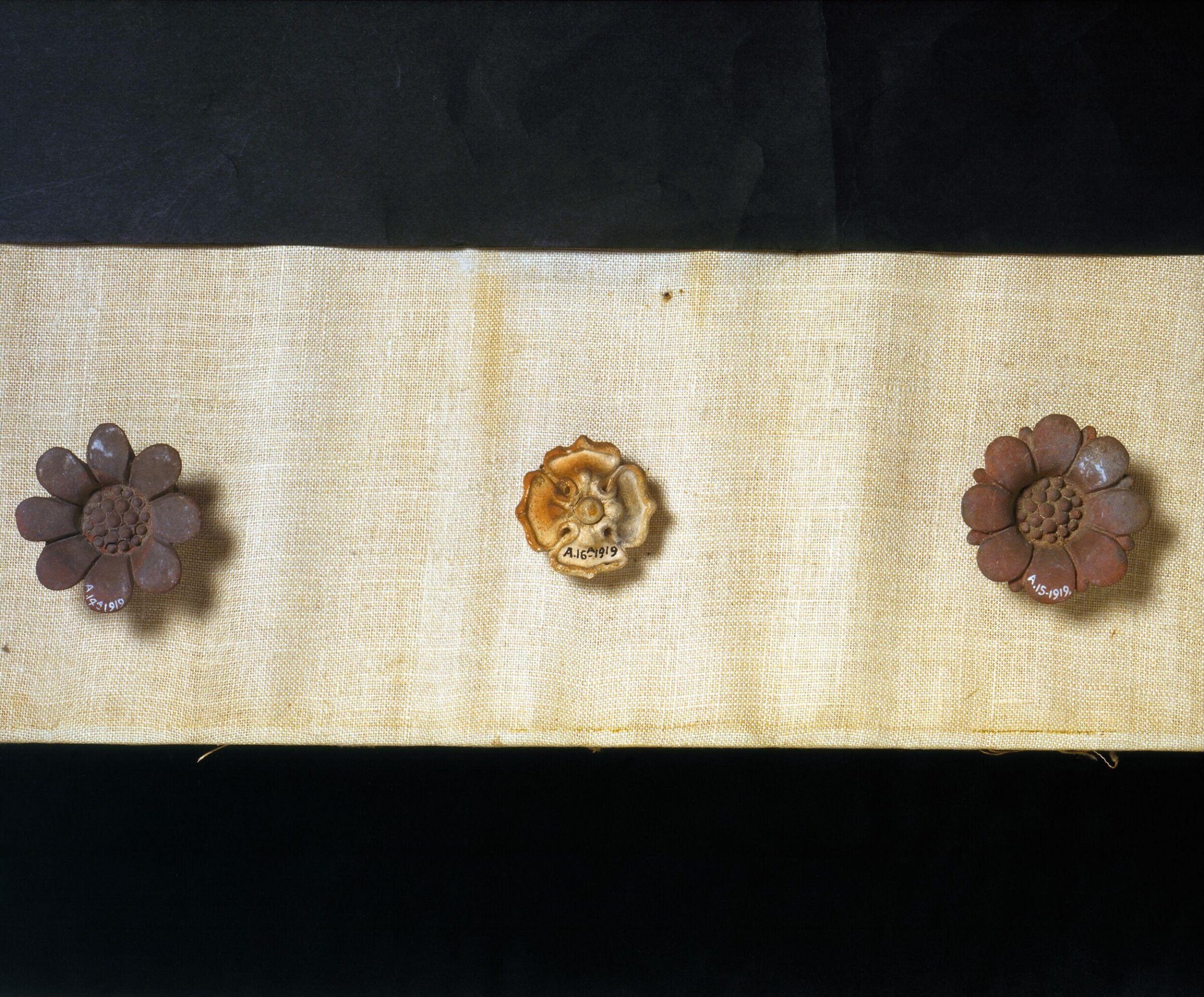
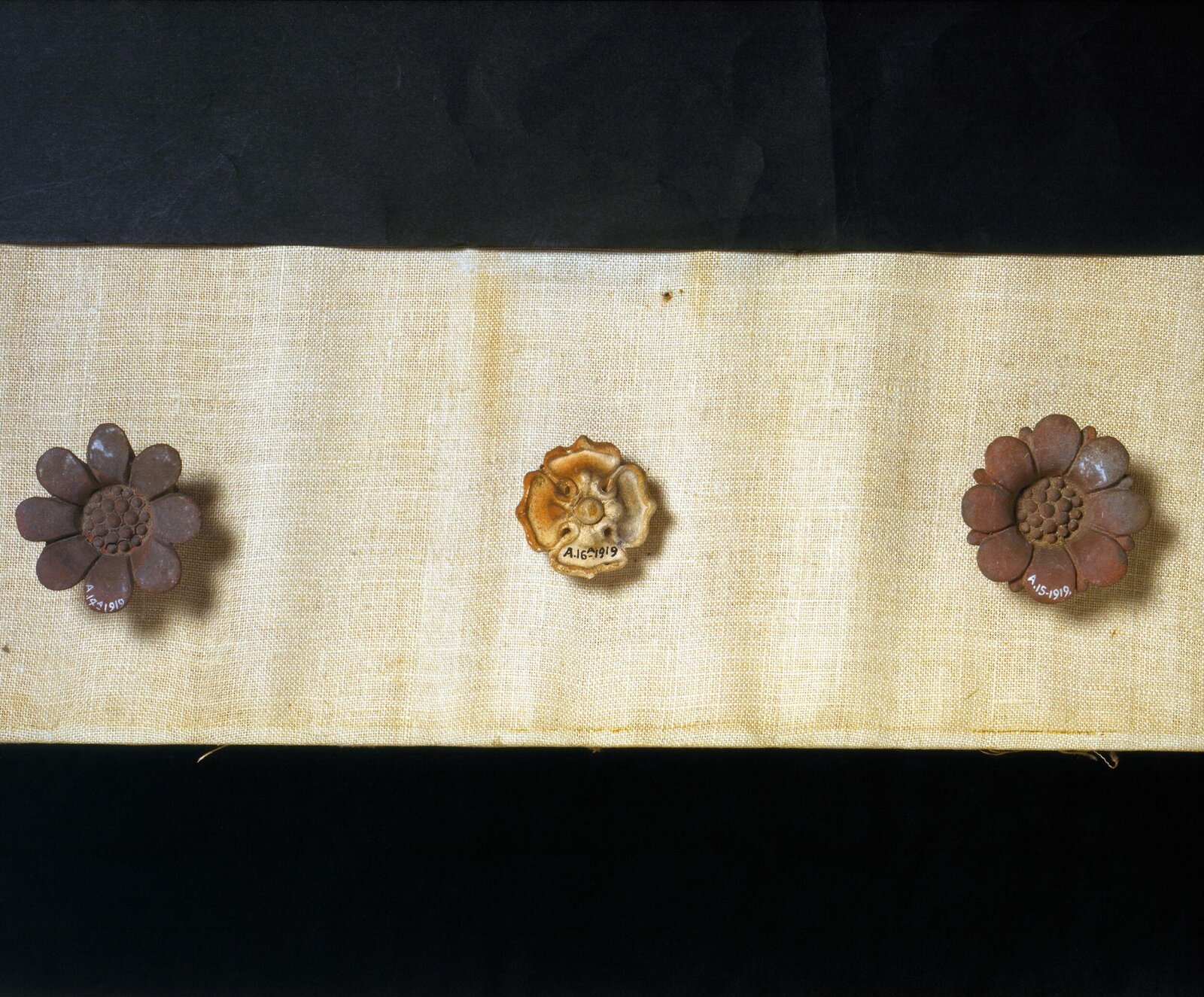
Patera
お目にかかれますか?
ただいまはお迎えしていません

ヴィクトリア&アルバート博物館
ロンドン, イギリス
コレクションに属していますが、現在は展示されていません。
- 確認
- 9 日前
- この状態になった日
- 2026年9月25日
- 出典
- 美術館自身の所蔵データ
About the sculpture
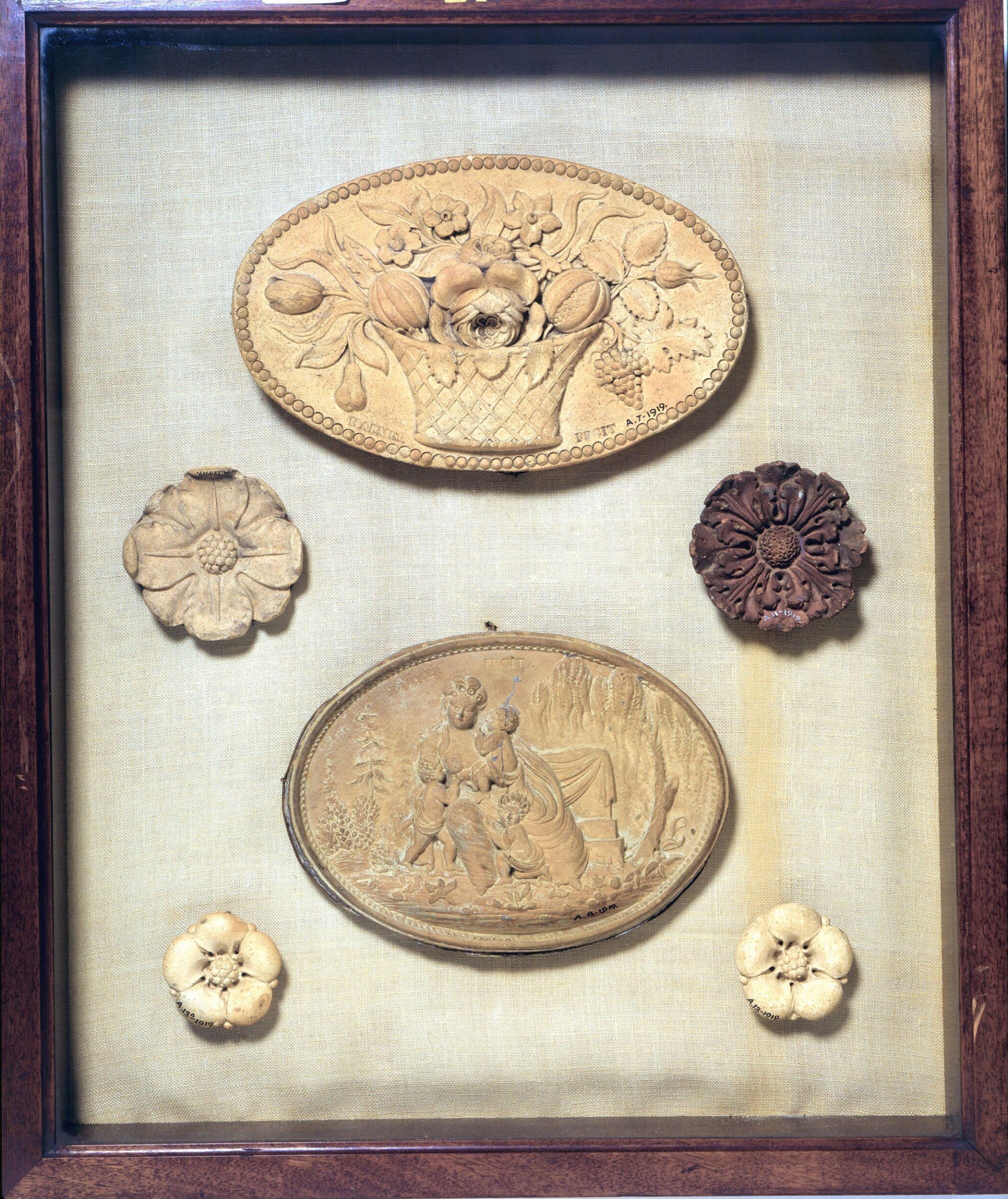
This terracotta relief, patera, was made by Jonathan Harmer Jr. in England, in about 1800-1849. This relief, of which there are three examples in the collection (A16, A16A, A16B-1919) is framed with other Harmer reliefs (A14, A14A, A15, A16/A16A/ A16B-1919).
Read on
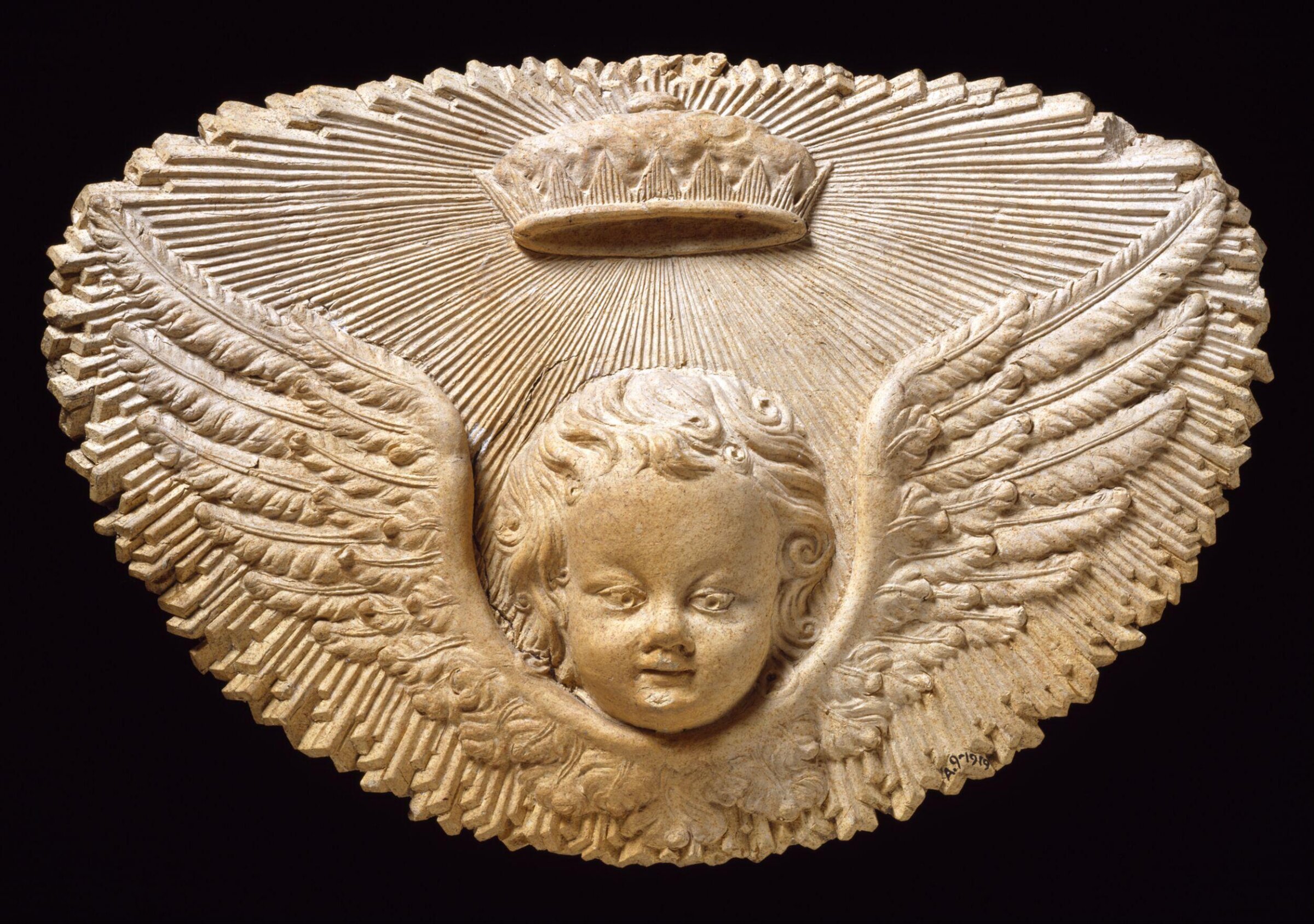
Jonathan Harmer (1762-1849) was the son of Jonathan Harmer Senior (d. 1800) who bequeathed to his two sons Jonathan Jr and John 'all such Portland and other stone, together with my working Tools and utensils belonging to the Trade of a Stone Mason and Bricklayer, and Land Surveying Books.' In 1796 Jonathan Jr. left for America, settling in New York, where he worked with a mason and painter, returning to Heathfield in May 1800. His younger brother John had previously settled in New York, but also later returned to Heathfield. Jonathan Harmer Junior was working at Heathfield, Sussex, from 1800 till about the middle of the 19th century. He made reliefs by pressing a local terracotta into moulds. The squeezes were then touched up by hand and baked in a wood oven. A complete set of Harmer's terracotta reliefs is in the possession of the Sussex Archaeological Society at Lewes.
A patera is a round or oval disks bearing an ornamental design in bas-relief or intaglio and is used in decoration of buildings or furniture.
ヴィクトリア&アルバート博物館
作品データ
- 収蔵番号
- A.16-1919
What it shows
カタログ収録
出典
- ヴィクトリア&アルバート博物館: the museum's own open data · 9 日前に取得
- 画像: ヴィクトリア&アルバート博物館 — © Victoria and Albert Museum, London