 Louis-Simon Boizotフランス, 1743–1809
Nature
お目にかかれますか?
はい、お客様をお迎えしています

一般公開されています。裏付けとなる出典は下に記しています。
- 確認
- この状態になった日
- 出典
- 美術館自身の所蔵データ
この彫刻について
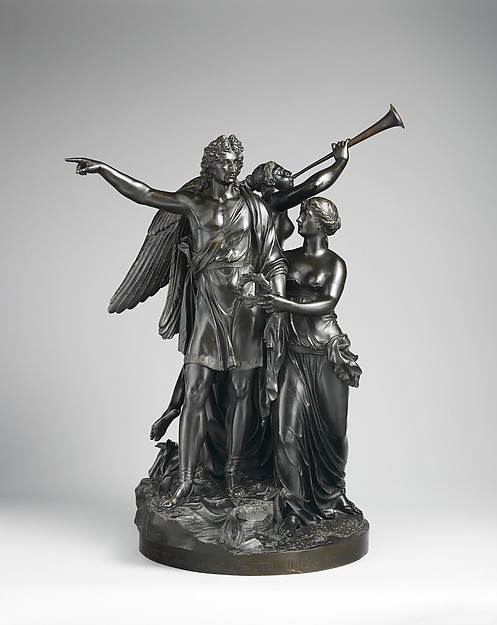
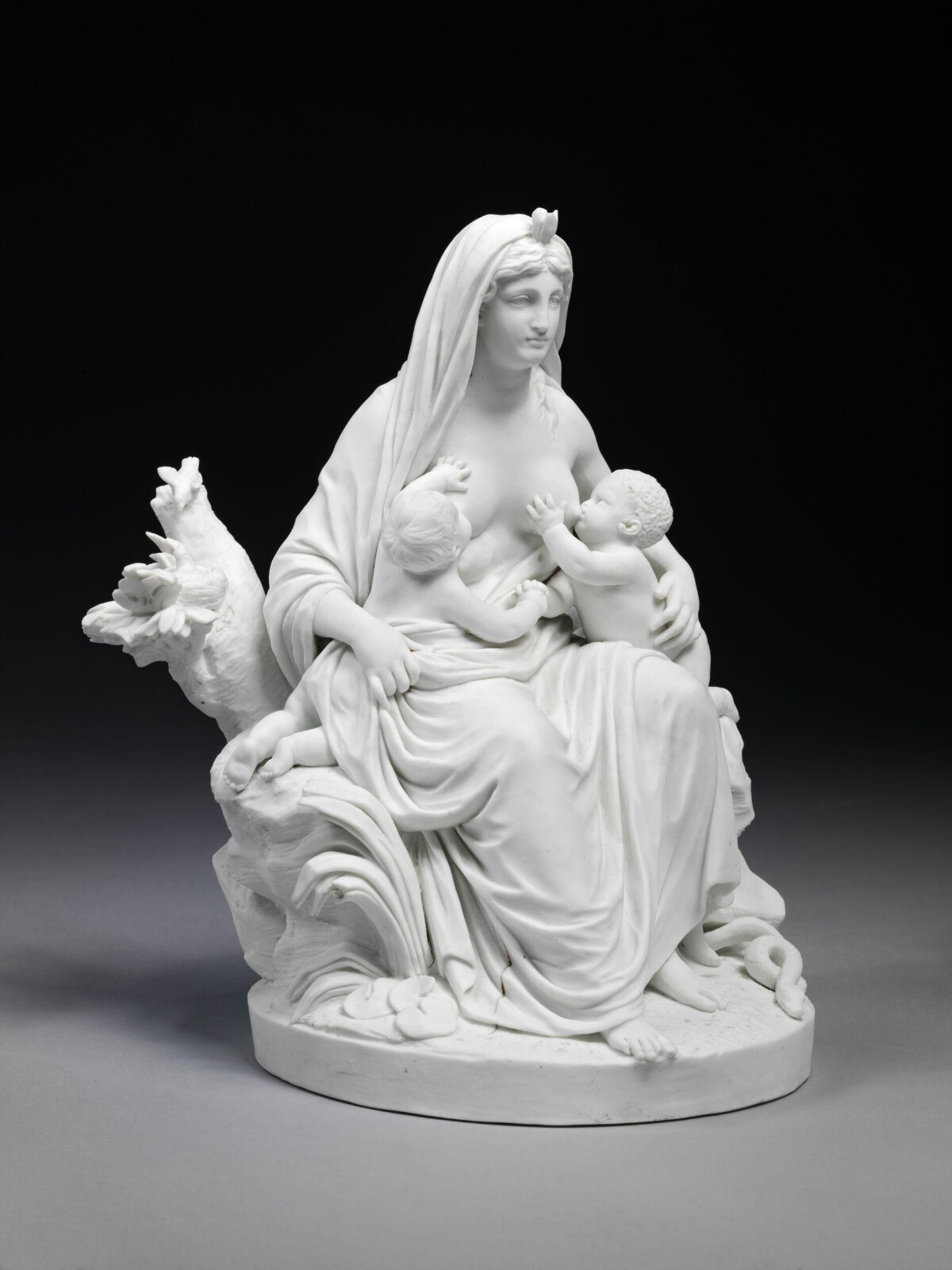
Louis-Simon Boizot (d. 1809), sculpteur du roi, became Director of Sculpture at Sèvres in 1773 and continued to provide models for the porcelain factory during the revolutionary period. This allegorical figure group, 'Nature' was made in 1794, a particularly uncertain time for the Sèvres factory, following the upheavals of the Revolution and preceding the new Empire. It is arguably one of Sèvres' most important and accomplished productions of the period.
続きを読む
1794 was the year after the execution of Louis XVI and two years after the factory had passed from royal to state ownership (following the founding of the Republic in August 1792). At the height of the revolutionary fervour, civil rights, benevolence to all men and all nations and the abolition of slavery were all endorsed by the new National Convention, prompting numerous engravings celebrating these high-minded themes. In keeping with the spirit of the time, Boizot made drawings of allegorical subjects such as Knowledge (La Sagesse), Modesty (La Pudeur) and French Heroism (L'Héroïsme français) which were reproduced in popular engravings.
This group is based on an unsigned engraving, entitled 'La Nature' and attributed to Boizot, an example of which has survived in the Musée Carnavalet in Paris. 'Nature' is represented as a woman nursing two infants, one each of European and African origin. The practice of breast feeding, although revived latterly by the aristocracy during the Ancien Régime, came to symbolise the Republican values of equality and duty. Another group along the same lines was produced in the same year: Freed Slaves (Les Noirs libres) inscribed 'Moi égale à toi, moi libre aussi', it was certainly based on engravings by Boizot and depicts two Africans; the man wears the phrygian cap, a symbol of freed slaves dating back to Roman republican times also adopted as a symbol of the Revolution, while the woman wears a setsquare as a pendant around her neck, a symbol of equality derived from masonic iconography. An example of this rare group is in the collections of the Musée du Nouveau Monde in La Rochelle, France.
All the references to 'Nature' in the Sèvres archives date from 1794, 'an II' (year 2), in the Revolutionary calendar. Three examples came out of the kiln on 2 messidor an II (20 June), with the comment that they needed to be refired. Three were in the 22 messidor firing (10 July, possibly the same ones), a further four were fired on 22 thermidor an II (9th August), and three on 21 fructidor an II (7th September). This means that either 10 or 13 were produced. This piece one of only two surviving examples of the model. Its clear political and humanitarian message continues to resonate in the 21st century.
ヴィクトリア&アルバート博物館
作品データ
- 収蔵番号
- C.361-2009
描かれているもの
カタログ収録
出典
- ヴィクトリア&アルバート博物館:美術館のオープンデータ · 12 日前に取得
- 画像: ヴィクトリア&アルバート博物館 — © Victoria and Albert Museum, London