 Philippe de Champaigneフランス, 1602–1674
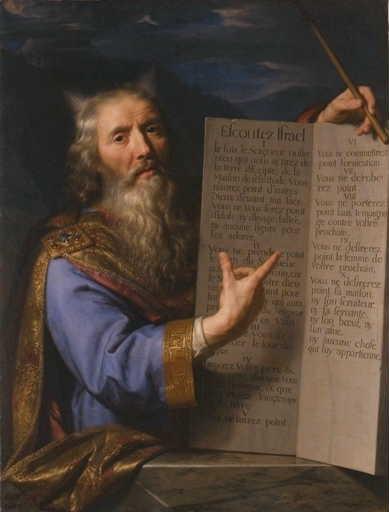
Moïse présentant les tables de la Loi
見られますか?
不明
『Moïse présentant les tables de la Loi』は今どこに? 所蔵: ピカルディー美術館, アミアン. 不明.
アミアン, フランス
所蔵者は判明していますが、現在展示中かどうかは不明です。
- この状態になった日
- 出典
- 美術館
作品データ
- 収蔵番号
- M.P.684 ; 2083 (Autre numéro)
描かれているもの
カタログ収録
出典
- ピカルディー美術館
- 画像: ピカルディー美術館 — Jeanneteau Marc; Ministère de la Culture (France), base Joconde
その頃、Philippe de Champaigneの人生では
生涯をすべて見る1648
A founder of the Royal Academy
Champaigne was one of the founding members of the Académie royale de peinture et de sculpture, the premier art institution of Ancien Régime France.
1654
Rivalry with Charles Le Brun
From 1654 Champaigne competed with the king's First Painter, Charles Le Brun, and took part in decorating the Tuileries Palace under his direction.
1660s
Academy lectures recorded by Félibien
Champaigne left no printed writings, but his lectures and commentaries were recorded in the 1660s by André Félibien. In his last years he taught a great deal at the Academy; after his only son died young, his nephew Jean-Baptiste de Champaigne was brought from Brussels to become his main pupil.
c. 1662
His daughter's miraculous cure at Port-Royal
The artist's paralyzed daughter, who lived at the convent of Port-Royal, was reportedly cured by a miracle. Champaigne then painted the atypical votive picture “Ex-Voto de 1662” (Louvre), showing his daughter with Mother Superior Agnès Arnauld.