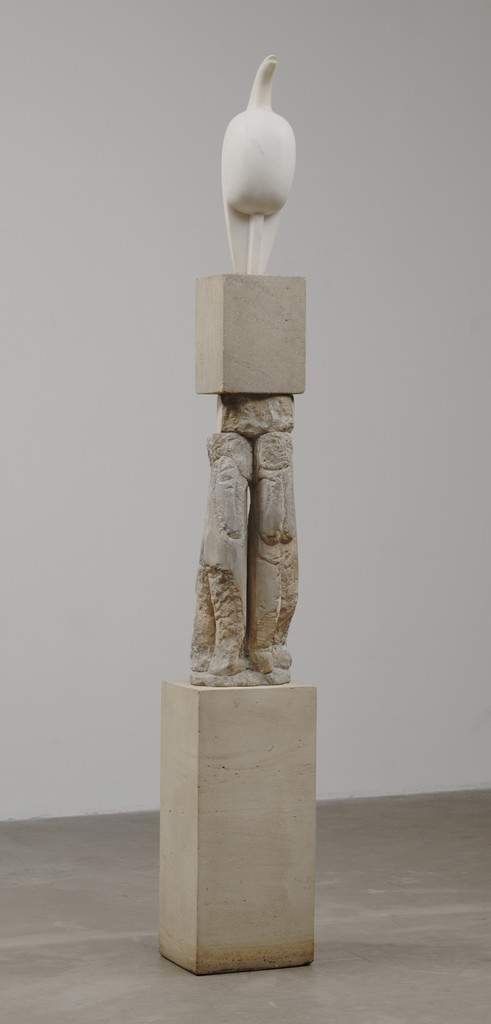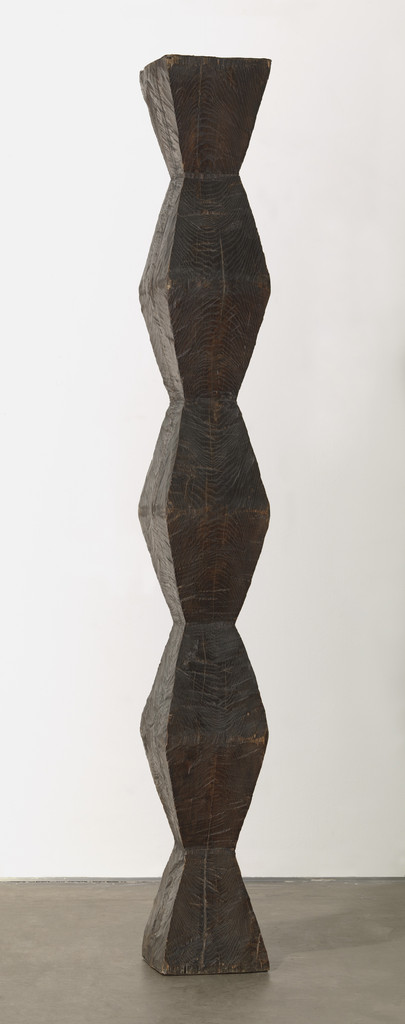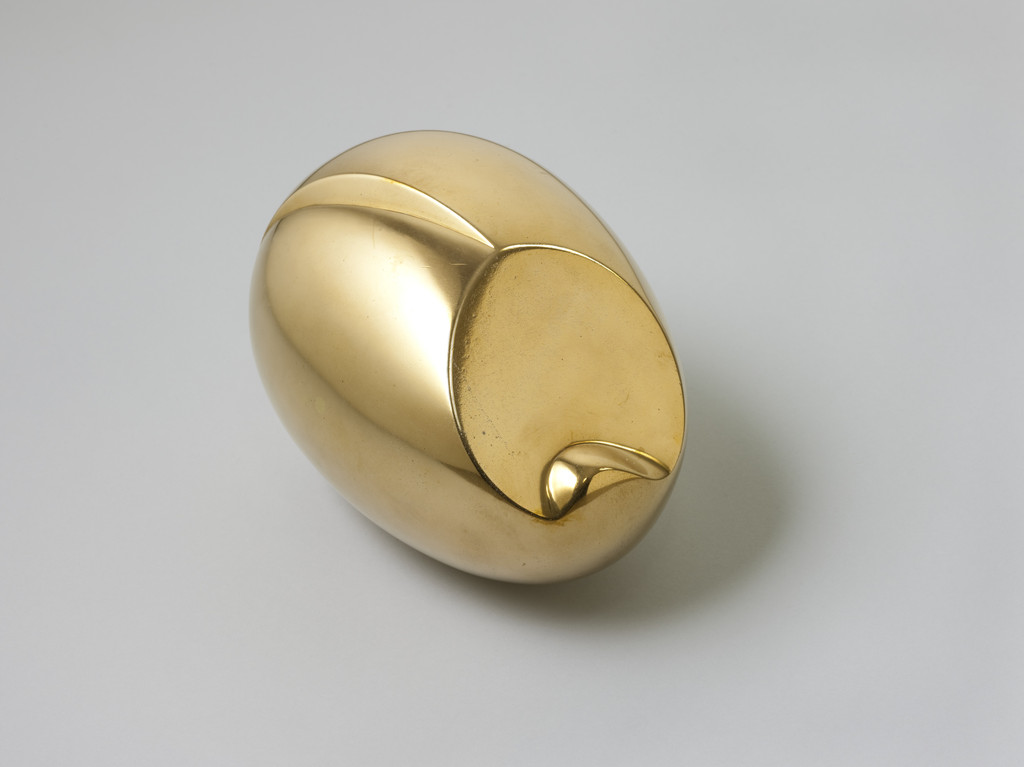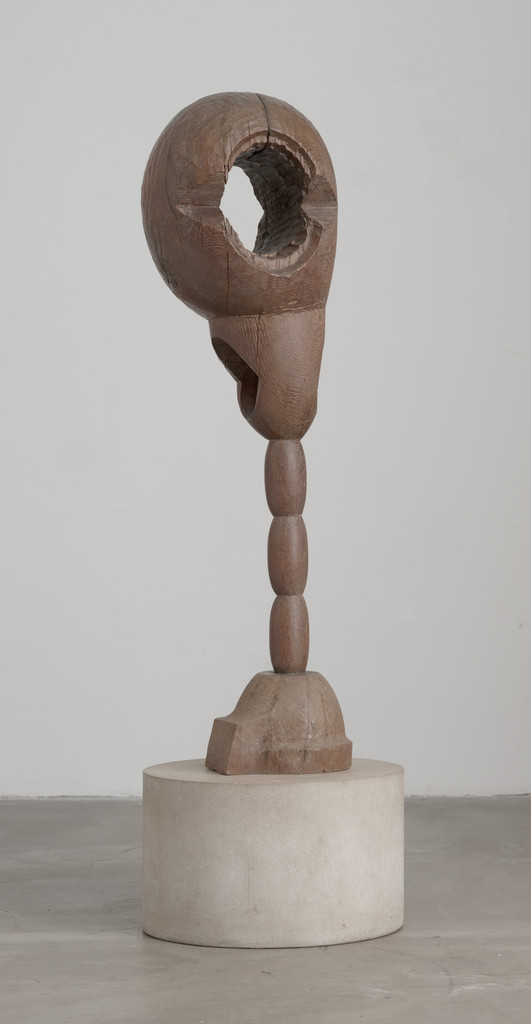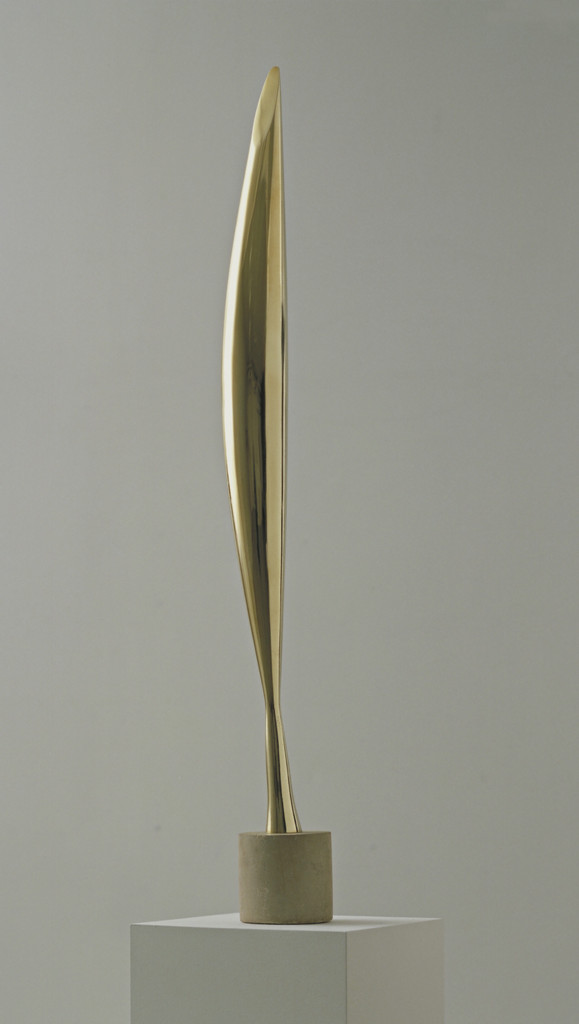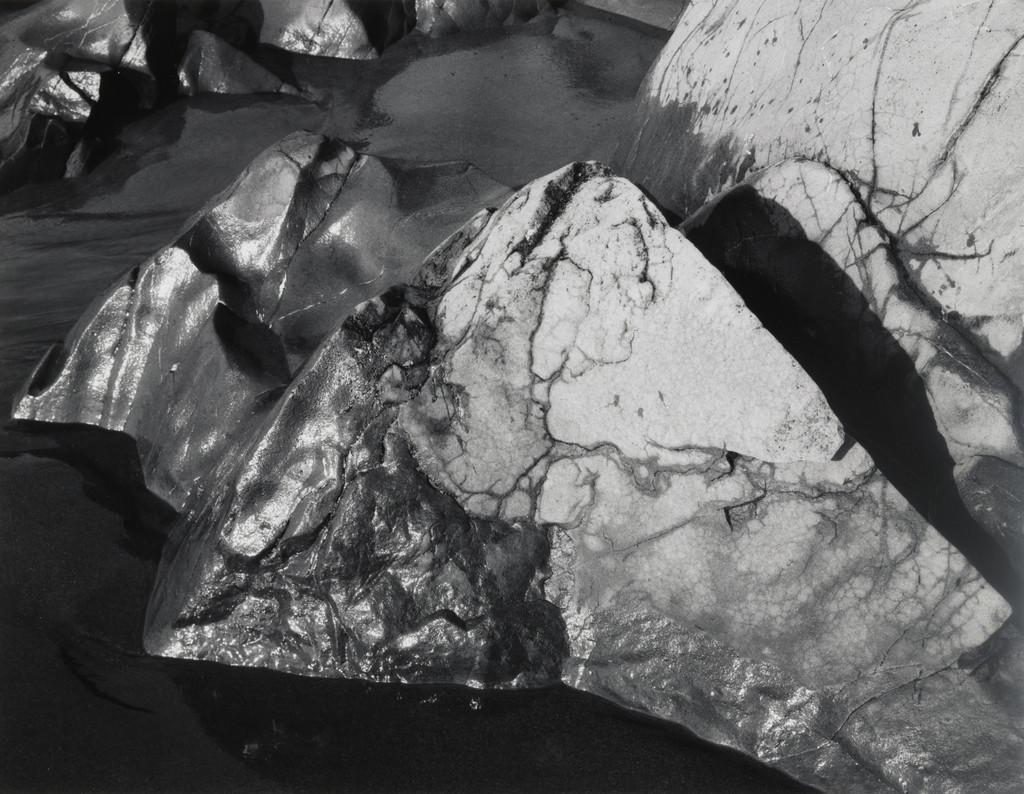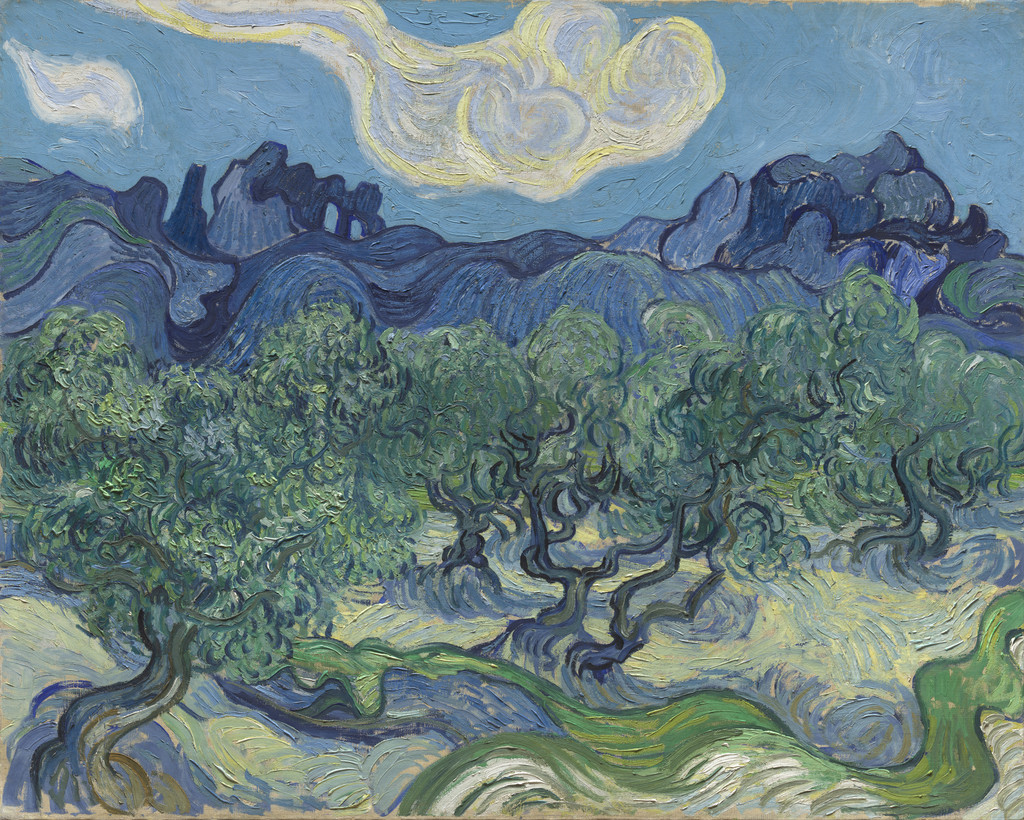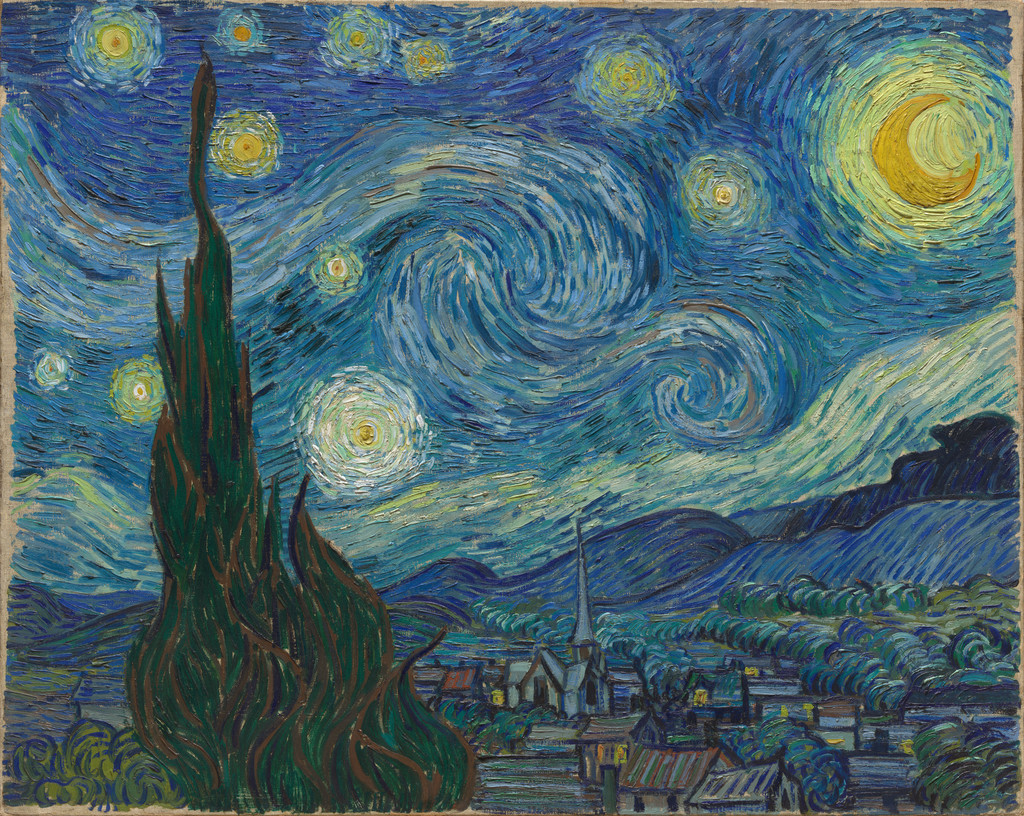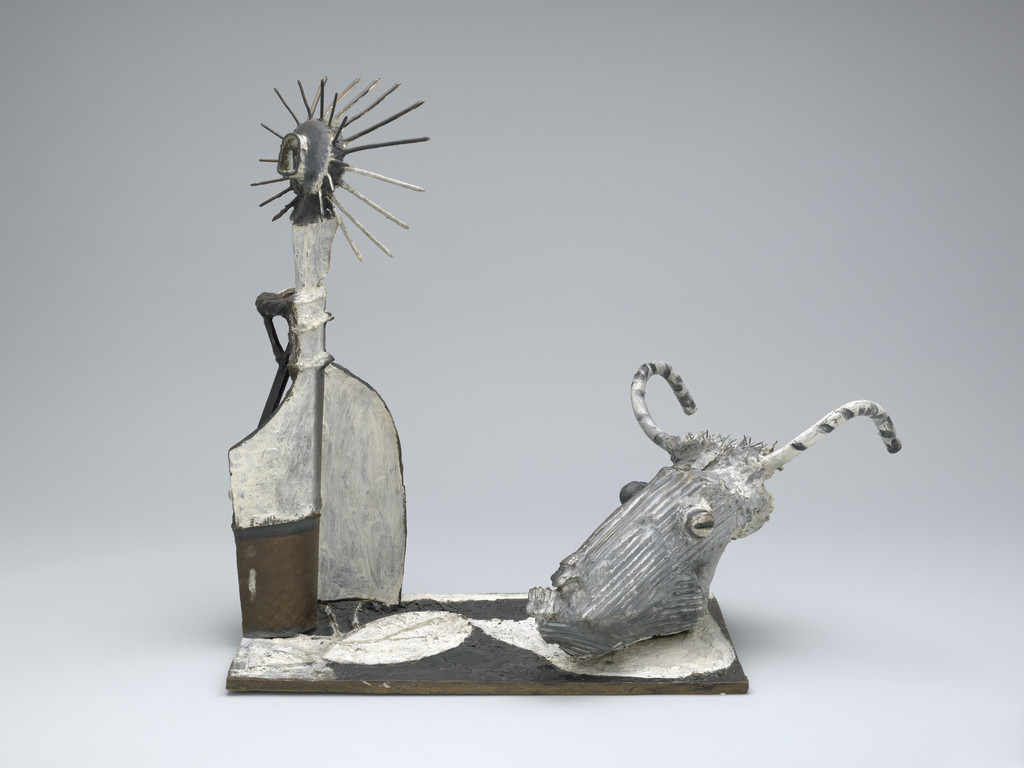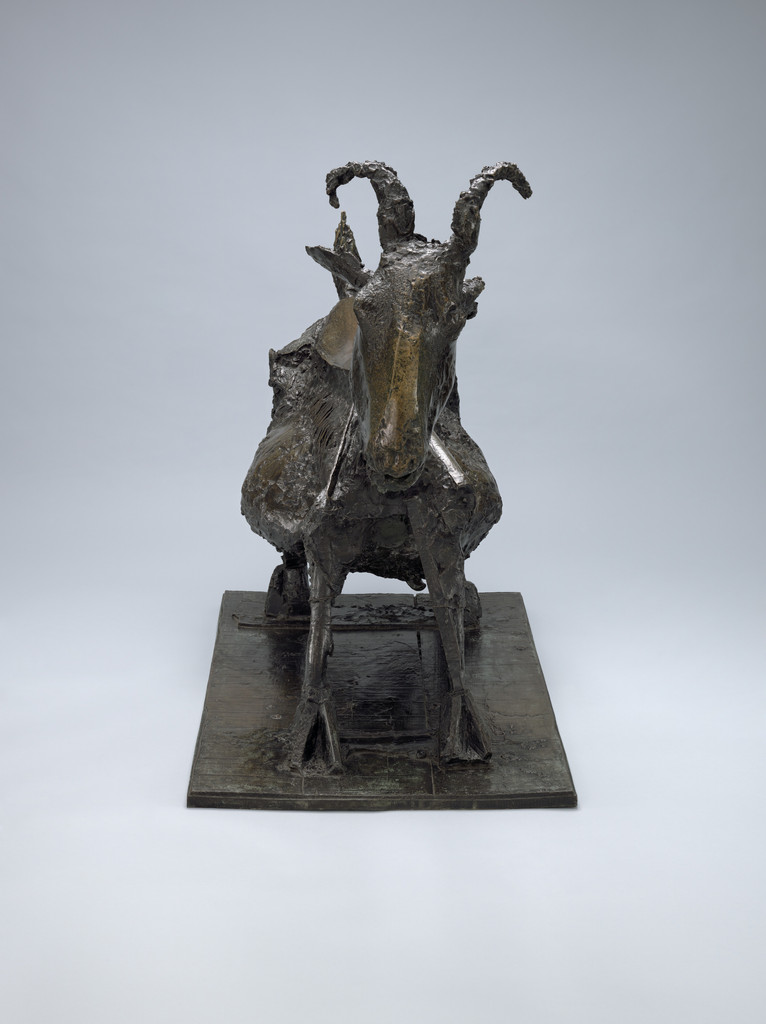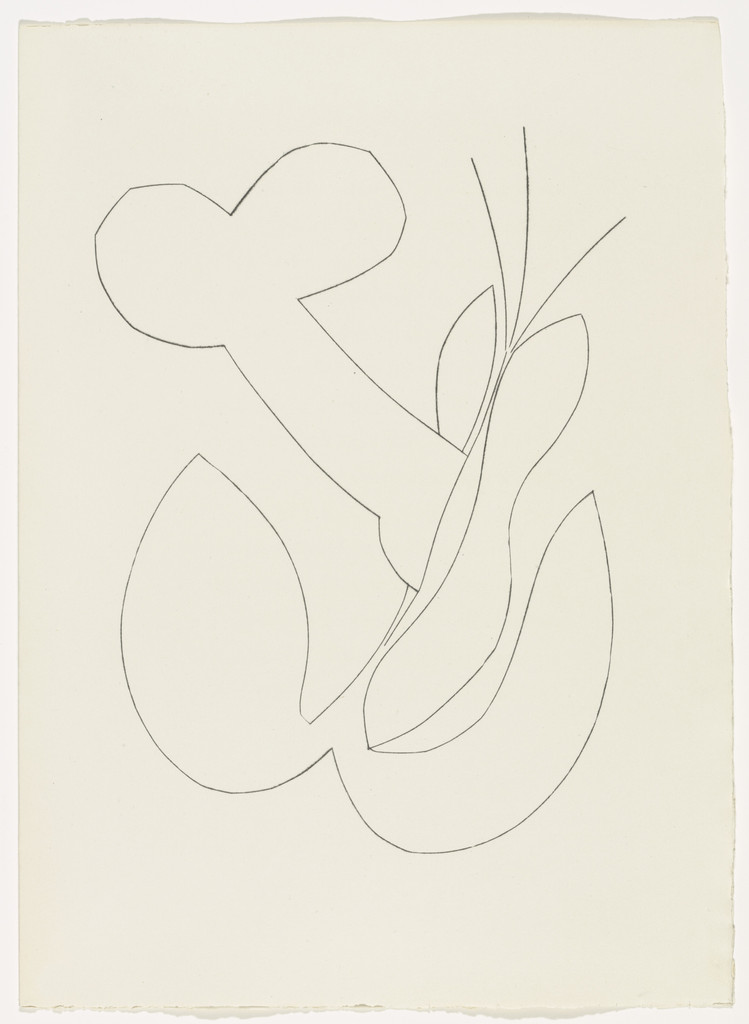
 Constantin Brancusiルーマニア, 1876–1957
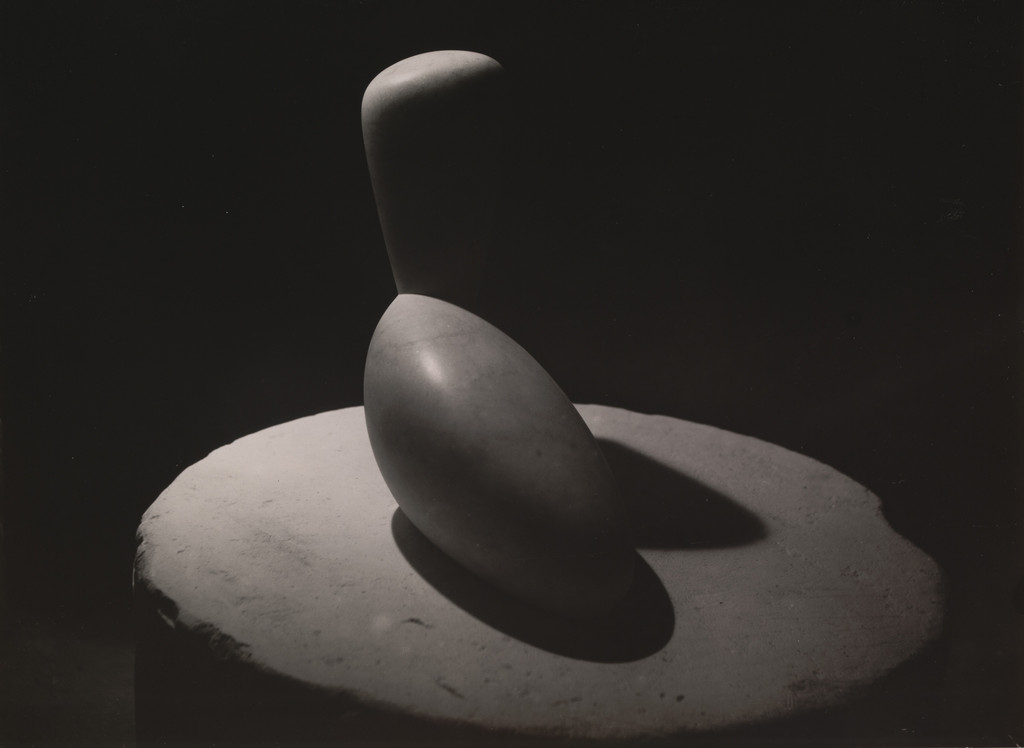
Leda
お目にかかれますか?
ただいまはお迎えしていません

ニューヨーク近代美術館
ニューヨーク, アメリカ合衆国
コレクションに属していますが、現在は展示されていません。
- 確認
- 12 日前
- 出典
- 美術館自身の所蔵データ
作品データ
- 収蔵番号
- 154.1964
出典
- ニューヨーク近代美術館: the museum's own open data · 12 日前に取得
- 画像: ニューヨーク近代美術館 — © the artist or rights holder
その頃、Constantin Brancusiの人生では
生涯をすべて見る1910s
“Mobile groups”: rearranging the sculptures
During the 1910s Brâncuși arranges sculptures and pedestals in changing compositions that he calls “mobile groups”: he moves the works and watches how each change alters the space around them. When he sells a sculpture he often puts a plaster version in the same position, and by the 1920s the studio is also an exhibition space whose arrangement forms part of the work.
November 1919
Meeting Erik Satie
The writer Henri-Pierre Roché brings the composer Erik Satie, exactly ten years older than Brâncuși, to his studio together with Marcel Duchamp, beginning a friendship that lasts from 1919 to 1925. After dinner Brâncuși plays the violin for his guest, and Satie, in Roché’s words, teaches him verbal fencing, self-belief and clarity of thought.
January 1920
“Princess X” excluded from the Salon des Indépendants
In January 1920 the organizers of the Salon des Indépendants exclude “Princess X” (1915–1916) because they regard its shape as phallic. Fernand Léger and other friends of Brâncuși protest, the sculpture is returned to the exhibition, and the dispute leads to the manifesto “Pour l’indépendance de l’art”, signed by more than seventy artists and writers; Erik Satie signed the protest petition on 25 February 1920.
26 May 1920
The Dada festival: a manifesto with Léger
Brâncuși is friends with Tristan Tzara, Francis Picabia and Duchamp but does not join the Dada movement, merely attending its readings and performances; on 26 May 1920 he takes part in the Dada festival in Paris and signs the manifesto “Contre cubisme, contre dadaïsme” with Léger.
1921
Man Ray and the darkroom
Brâncuși, who has photographed his work since the 1910s, meets Man Ray in 1921, who helps him buy equipment, set up a darkroom and improve his developing methods. He photographs the sculptures under changing light, alters his framing and documents the relationships between the works and the surrounding space; he also films his studio and sculptures mounted on rotating bases.
September 1921
A Brâncuși issue of “The Little Review”
In September 1921 the American magazine “The Little Review” publishes an issue devoted to Brâncuși, with an essay by Ezra Pound and 24 photographic plates showing sculptures and views of the studio.