ART WIKI32,963 点が展示中
地図コレクション作家美術館展覧会ジャーナル
ログイン

ART WIKI

名画の居場所と、扉の開く時刻。

所蔵館:J・ポール・ゲティ美術館、アムステルダム国立美術館、ヴィクトリア&アルバート博物館、エルミタージュ美術館、クリーブランド美術館、ゲティ・ヴィラ、コペンハーゲン国立美術館、シカゴ美術館、スミソニアン・アメリカ美術館、スミソニアン国立アジア美術館、トレチャコフ美術館、ナショナル・ギャラリー、ニューヨーク近代美術館、ハーシュホーン博物館と彫刻の庭、ハーバード美術館群、プーシキン美術館、ホイットニー美術館、ミネアポリス美術館、メトロポリタン美術館、ルーヴル美術館、ロシア美術館、国立肖像画美術館、ロシア博物館資料国家目録(274館)、Europeana(19館)、ウィキデータ(6館)、Paris Musées(12館)、Joconde(フランス文化省の美術館データベース)(495館)。画像の権利は各権利者に帰属します。

ご案内

  • 地図
  • 検索
  • コレクション
  • 名作
  • 現在展示中
  • 作家

その他

  • 美術館・ギャラリー
  • 展覧会
  • ジャーナル
  • データの出どころ
  • プライバシーとCookie
ホーム地図カタログ
  1. コレクション/
  2. ルーヴル美術館/
  3. カラスのいる木
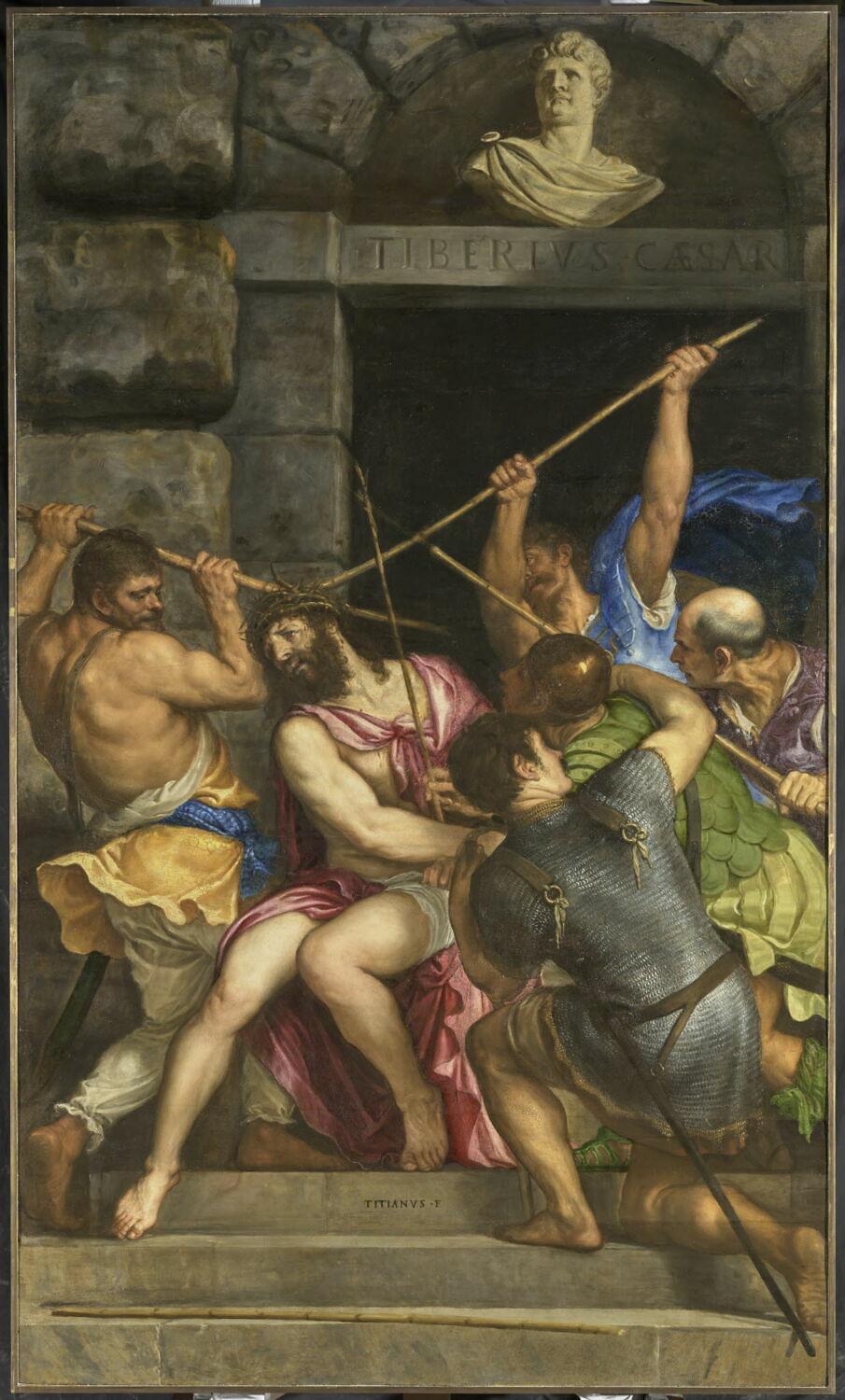
カラスのいる木, Titian, 2e quart du XVIe siècle (1525 - 1550)
Titianの肖像Titianイタリア, 1490–1576

カラスのいる木

Le Couronnement d'épines

2e quart du XVIe siècle (1525 - 1550) · Peintures

お目にかかれますか?

はい、お客様をお迎えしています

ルーヴル美術館

パリ, フランス

展示室711, Aile Denon, Niveau 1

一般公開されています。裏付けとなる出典は下に記しています。

確認
12 日前
この状態になった日
2026年9月26日
出典
美術館
地図で見る美術館のページ

この絵画について

『荊冠のキリスト』(けいかんのキリスト、仏: Le Couronnement d'épines、英: The Crowning with Thorns)は、イタリア・ルネサンスのヴェネツィア派の巨匠ティツィアーノ・ヴェチェッリオが1542年から1543年の間にポプラ板上に油彩で制作した絵画である。イエス・キリストの足元に「TITIANVS F」と署名されている。絵画は、ミラノのサンタ・マリア・デッレ・グラツィエ教会のサンタ・コローナ礼拝堂のために同教会の同心会により委嘱された。主題は、『新約聖書』中の「マタイによる福音書」(27章29-30) から採られており、十字架を背負う前のイエス・キリストが古代ローマの兵士たちから荊の冠を被せら愚弄される場面が描かれている。ナポレオン戦争中の1797年に略奪されてフランスに持ち去られ、現在はパリのルーヴル美術館に所蔵されている。

ウィキペディア · CC BY-SA

作品データ

2e quart du XVIe siècle (1525 - 1550)
14901576
収蔵番号
INV 748

カタログ収録

絵画油彩イタリア絵画ヴェネツィア派の絵画ルネサンス16世紀

出典

  • ルーヴル美術館
  • 画像: ルーヴル美術館 — © 2019 GrandPalaisRmn (musée du Louvre) / Adrien Didierjean

その頃、Titianの人生では

生涯をすべて見る
  1. 1525

    Marries Cecilia, the mother of his sons

    Cecilia, a barber's daughter from Pieve di Cadore, had been Titian's housekeeper and for some five years his mistress, and had already borne him two sons, Pomponio and Orazio. In 1525, when she fell seriously ill, Titian married her to legitimise the children; Cecilia recovered, and the marriage was a happy one.

  2. 1527

    Aretino, Sansovino and the “triumvirate”

    In March 1527 the satirist Pietro Aretino arrived in Venice: he became friends with Titian and with Jacopo Sansovino, and the three were popularly known as “the triumvirate”, becoming the centre of the city's artistic establishment. Aretino enlisted both in pursuing the patronage of Federico II Gonzaga, and by the autumn of 1527 the Marquis of Mantua had received from Titian a portrait of Aretino (lost); important commissions and an introduction to Emperor Charles V followed.

  3. 1529

    First meeting with Emperor Charles V in Parma

    Thanks to the patronage of Federico Gonzaga, Duke of Mantua, in 1529 at Parma Titian obtained an audience with Emperor Charles V, who promised him his patronage.

  4. 1533

    Bologna: Count Palatine and Knight of the Golden Spur

    In 1533, after painting a portrait of Emperor Charles V in Bologna, Titian was made a Count Palatine and Knight of the Golden Spur; his children were reportedly also made nobles of the Empire. He was court painter to Charles V from 1533 and received from him a heavy gold chain.

  5. 1545–1546

    A triumphant trip to Rome

    In 1545–1546 Titian made a triumphant trip to Rome, painting portraits of Pope Paul III and meeting Michelangelo. Returning to Venice, he found that the most lucrative commissions were going to other, younger artists.

  6. 1547–1548

    Augsburg: the “Equestrian Portrait of Charles V”

    In 1547 Titian was summoned from Venice to Augsburg to paint portraits of Charles V and other dignitaries; at the Diet in early 1548 he completed six paintings, among them the “Equestrian Portrait of Charles V”. He also made the emperor aware that he had not received a single payment of his stipend, and on 10 July 1548 Charles V granted him a second annual pension of 100 scudi.
Titianのほかの作品

すべての作品
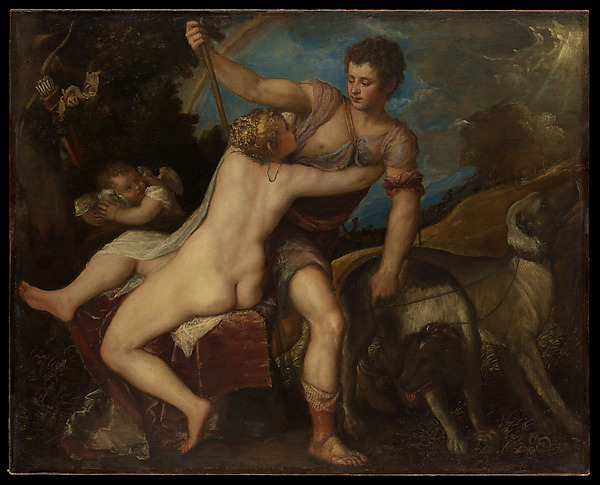
Venus and Adonis, Titian, 1550s

Venus and Adonis

1550s · メトロポリタン美術館

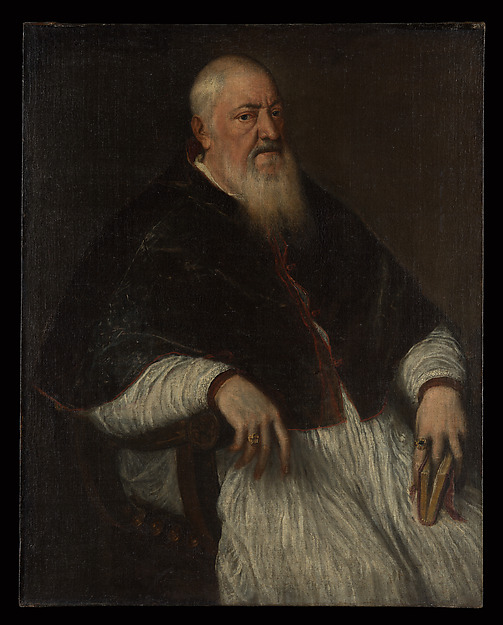
Filippo Archinto (born about 1500, died 1558), Archbishop of Milan, Titian, mid-1550s

Filippo Archinto (born about 1500, died 1558), Archbishop of Milan

mid-1550s · メトロポリタン美術館

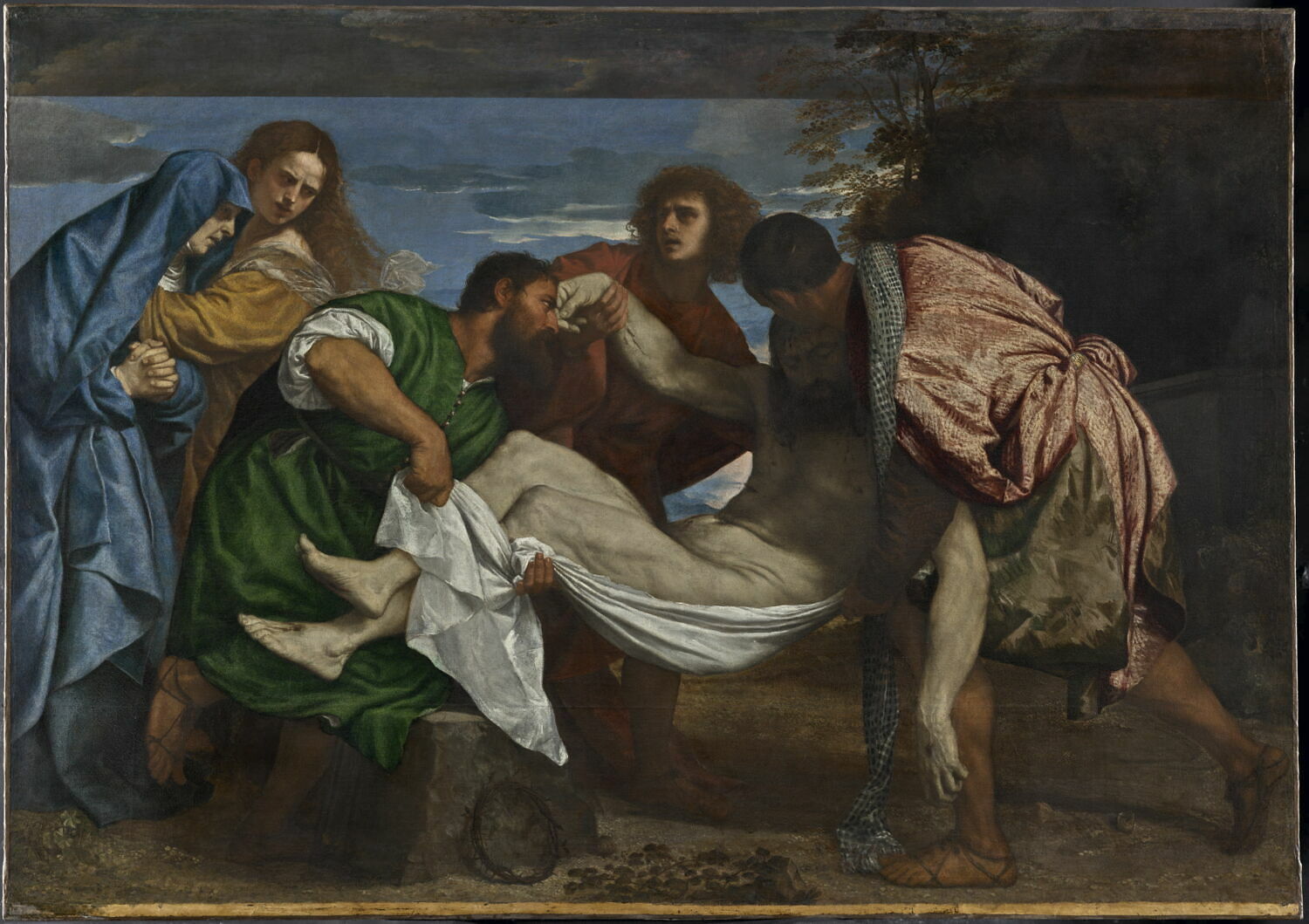
La Mise au tombeau ou Le Transport du Christ vers le tombeau, Titien, 1e quart du XVIe siècle (1500 - 1525)

La Mise au tombeau ou Le Transport du Christ vers le tombeau

1e quart du XVIe siècle (1500 - 1525) · ルーヴル美術館

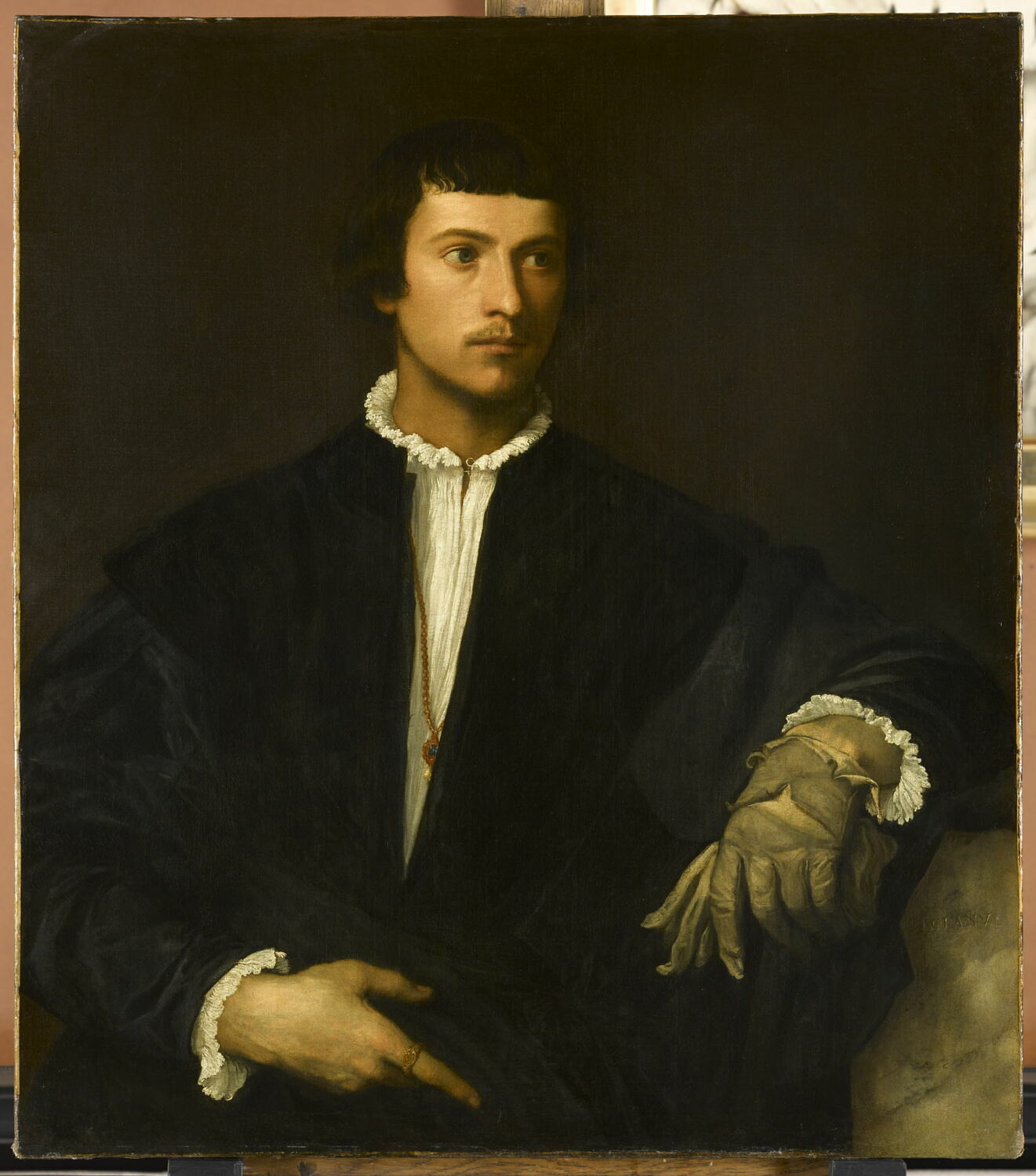
Portrait d'homme, dit L'Homme au gant, Titien, 1e quart du XVIe siècle (1500 - 1525)

手袋を持つ男

1e quart du XVIe siècle (1500 - 1525) · ルーヴル美術館

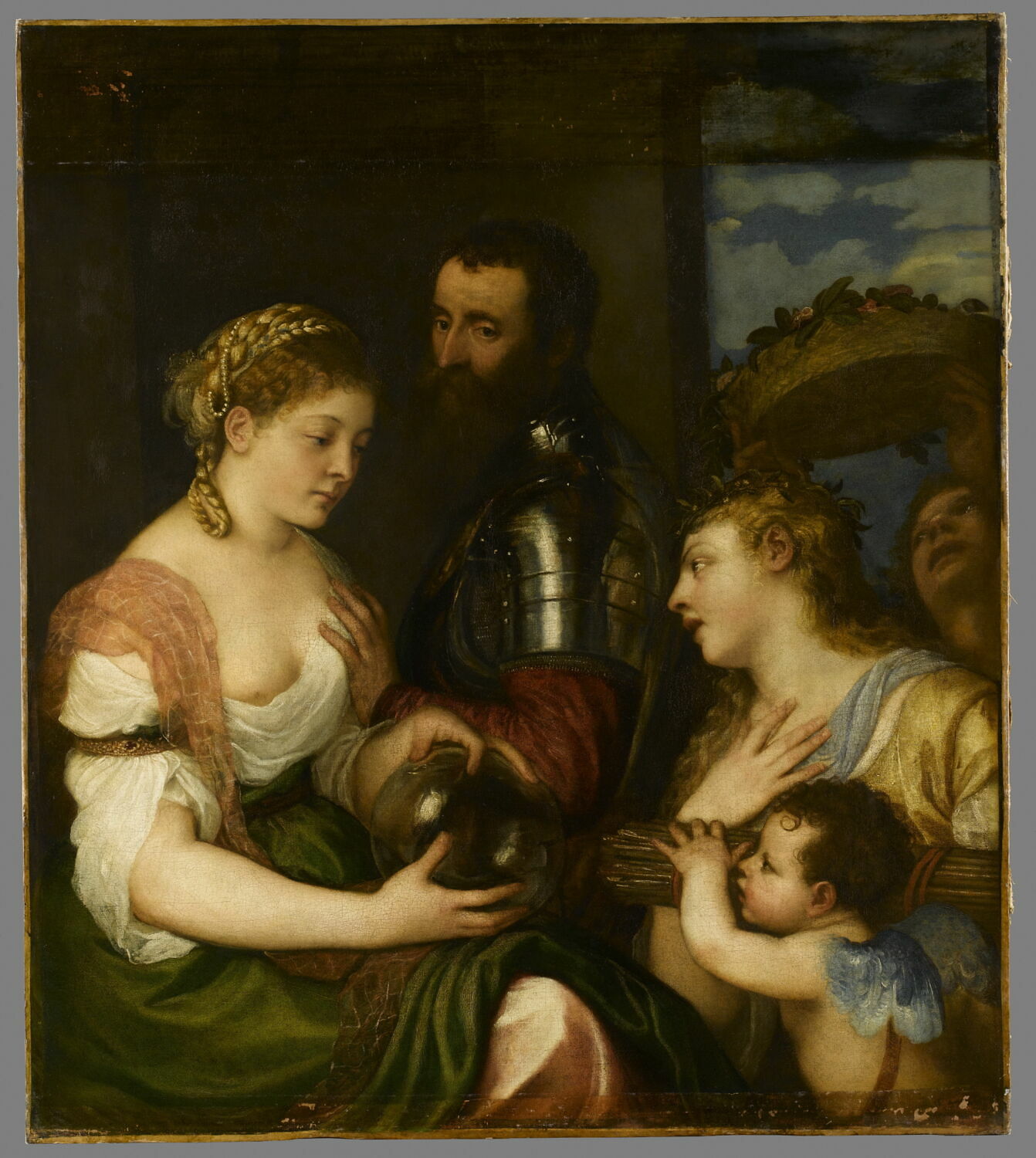
Allégorie conjugale (Allégorie de la séparation?), dit à tort Allégorie d'Alphonse d'Avalos, Titien, XVIe siècle (1500 - 1600)

Allégorie conjugale (Allégorie de la séparation?), dit à tort Allégorie d'Alphonse d'Avalos

XVIe siècle (1500 - 1600) · ルーヴル美術館

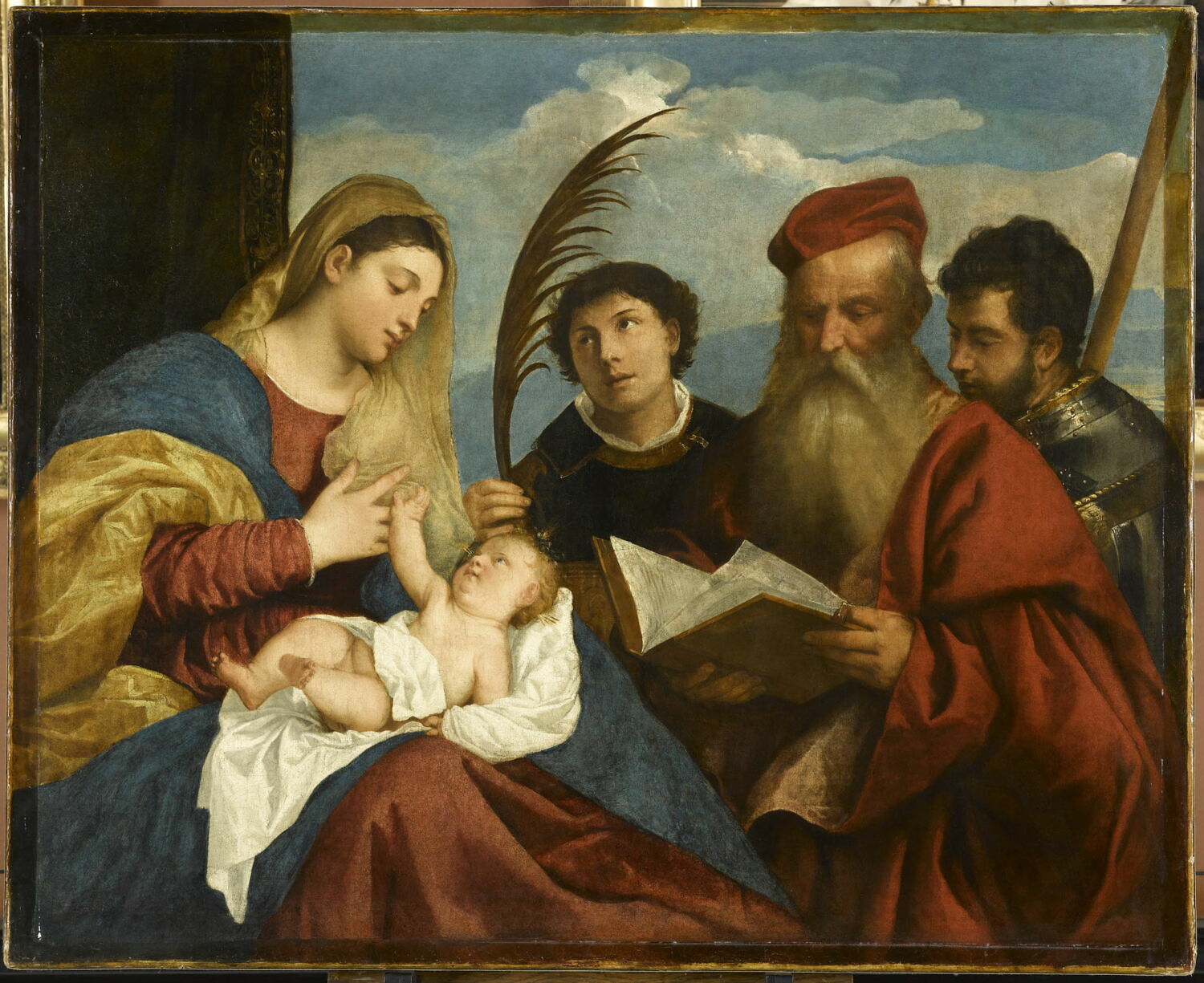
La Vierge à l' Enfant avec saint Étienne, saint Jérôme et saint Maurice, Titien, 1e quart du XVIe siècle (1500 - 1525)

La Vierge à l' Enfant avec saint Étienne, saint Jérôme et saint Maurice

1e quart du XVIe siècle (1500 - 1525) · ルーヴル美術館

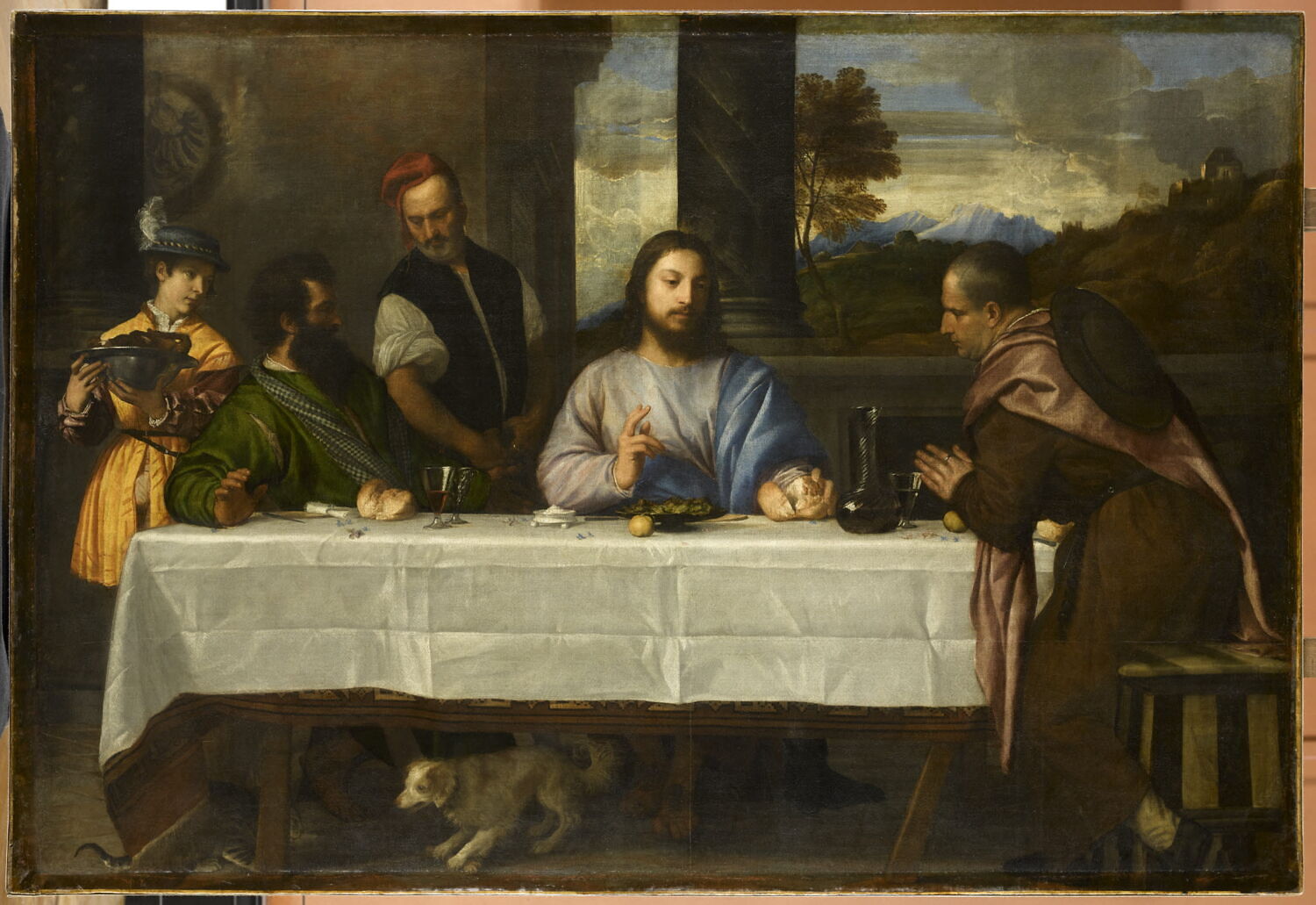
Les Pèlerins d'Emmaüs, Titien, XVIe siècle (1500 - 1600)

Les Pèlerins d'Emmaüs

XVIe siècle (1500 - 1600) · ルーヴル美術館

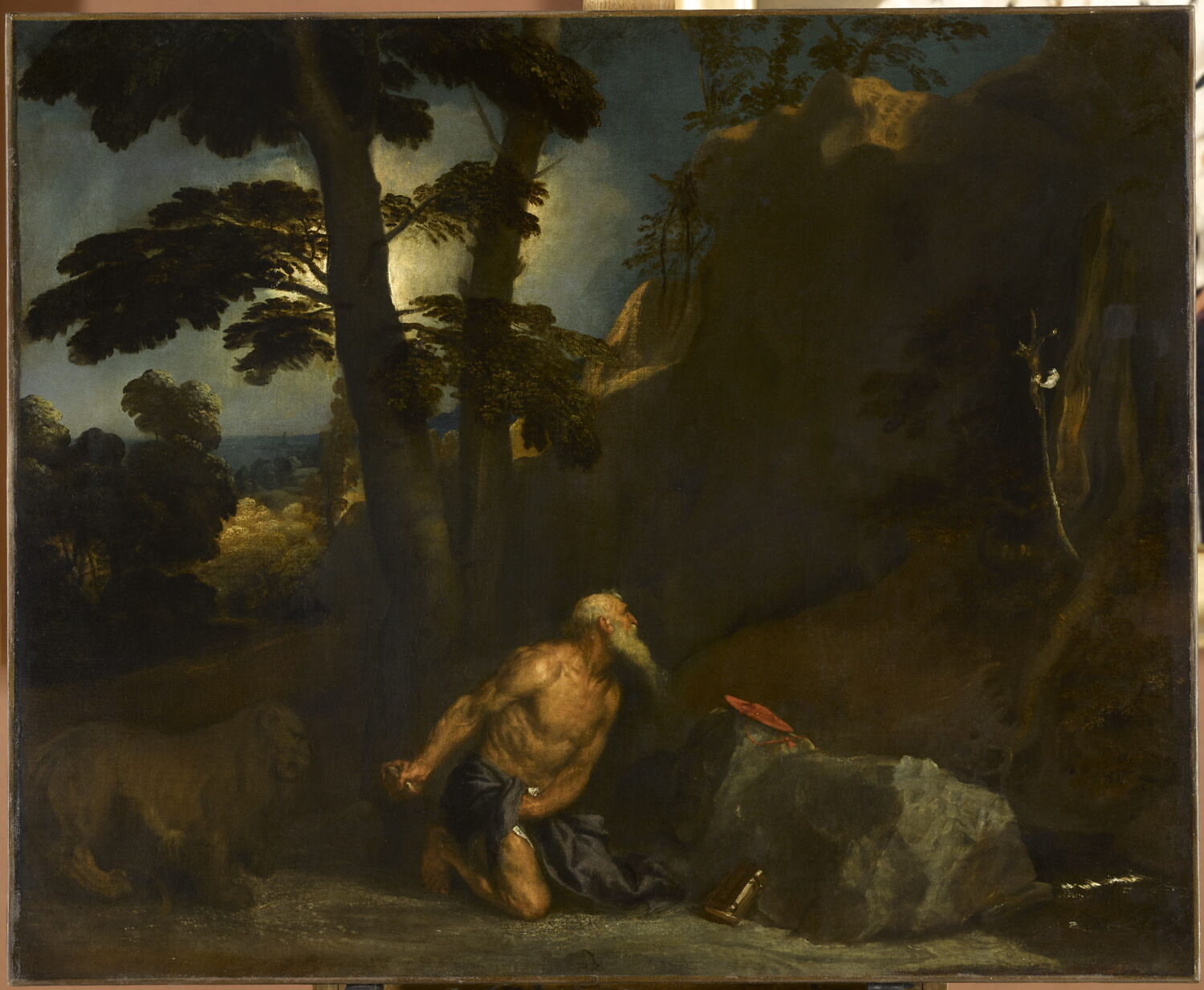
Saint Jérôme pénitent, Titien, XVIe siècle (1500 - 1600)

Saint Jérôme pénitent

XVIe siècle (1500 - 1600) · ルーヴル美術館

ルーヴル美術館で肩を並べる作品

美術館のページ
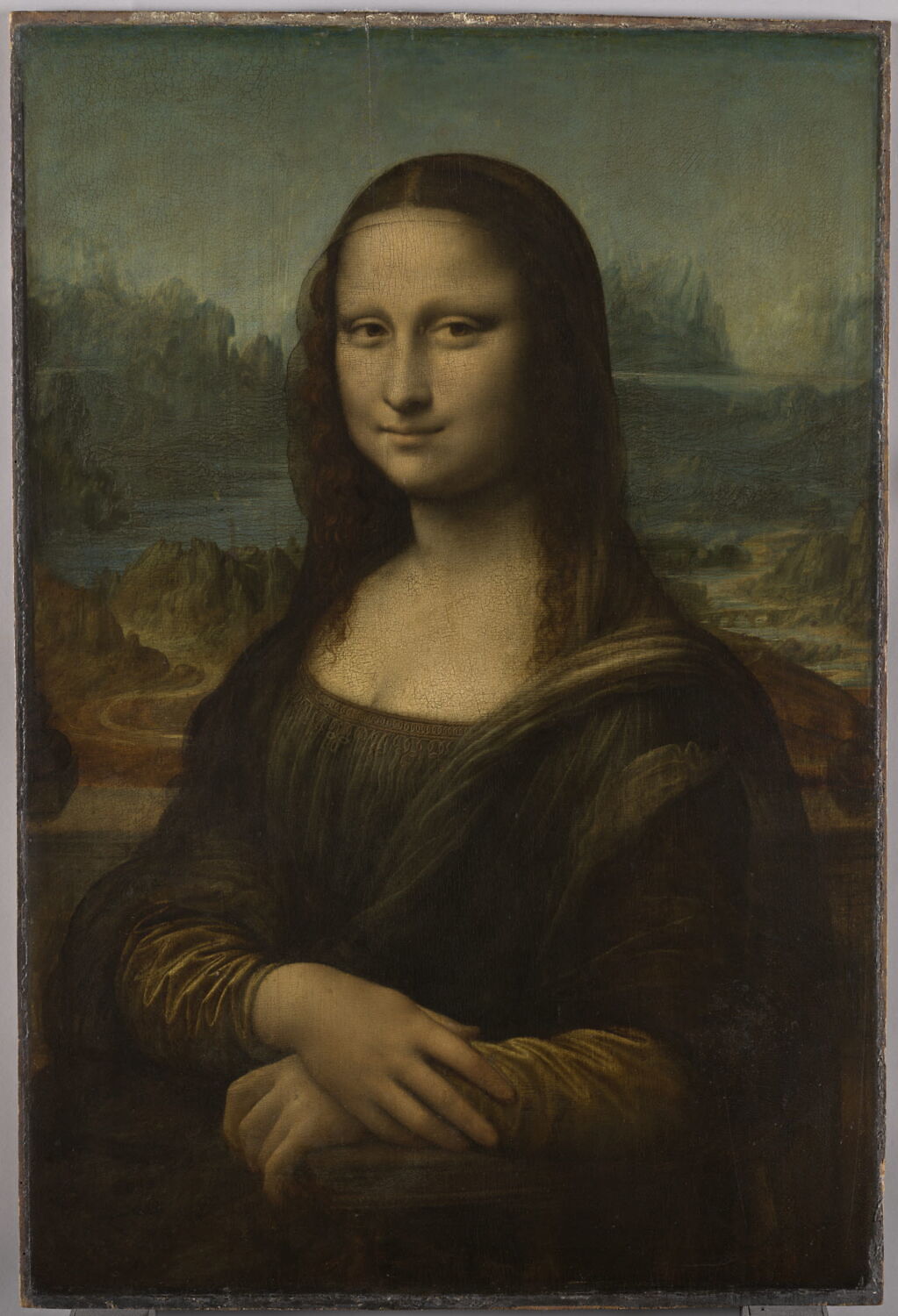
Portrait de Lisa Gherardini, épouse de Francesco del Giocondo, dit La Joconde ou Monna Lisa, Léonard de Vinci, 1e quart du XVIe siècle (1503 - 1519)

Leonardo da Vinci

モナ・リザ, 1e quart du XVIe siècle (1503 - 1519)

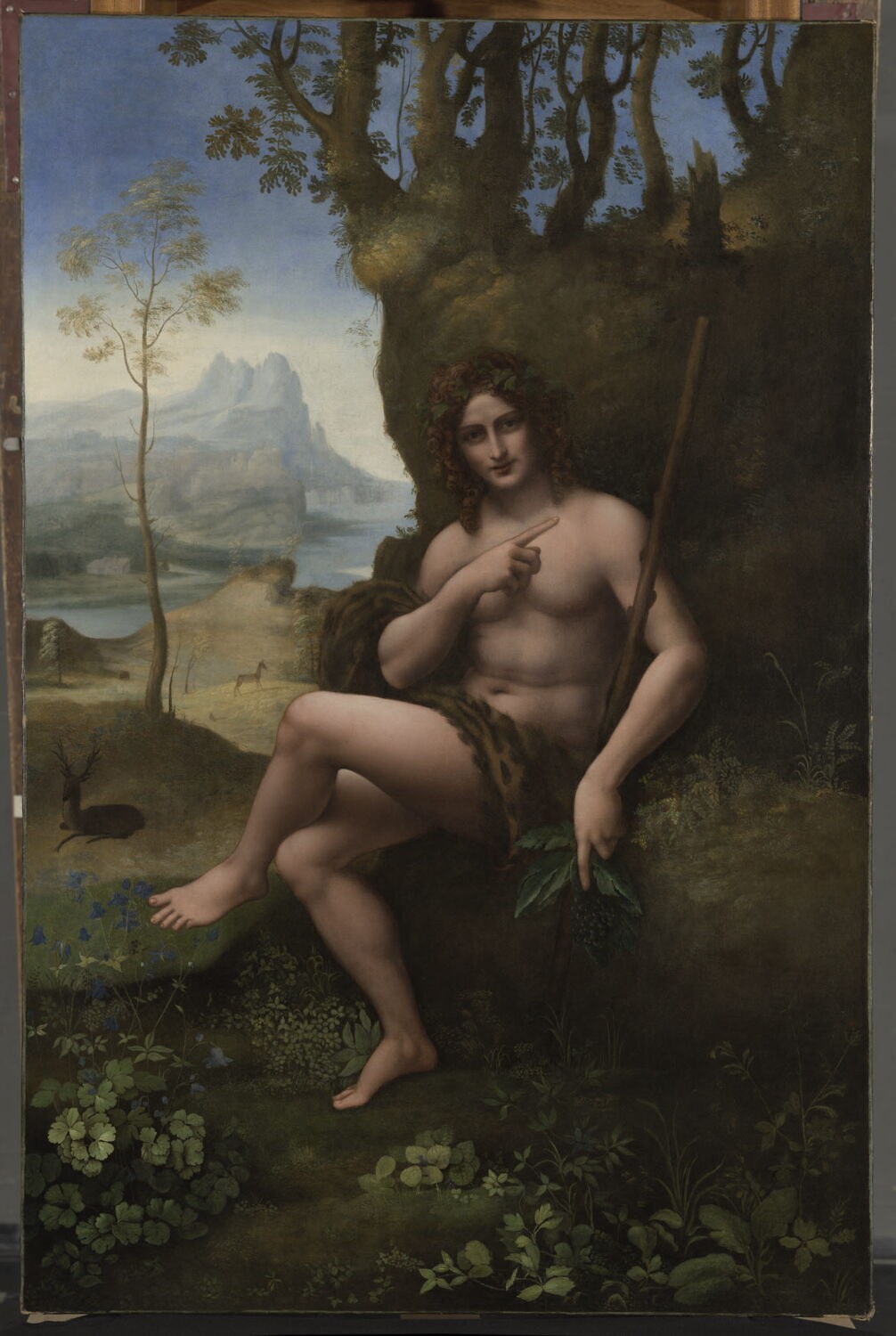
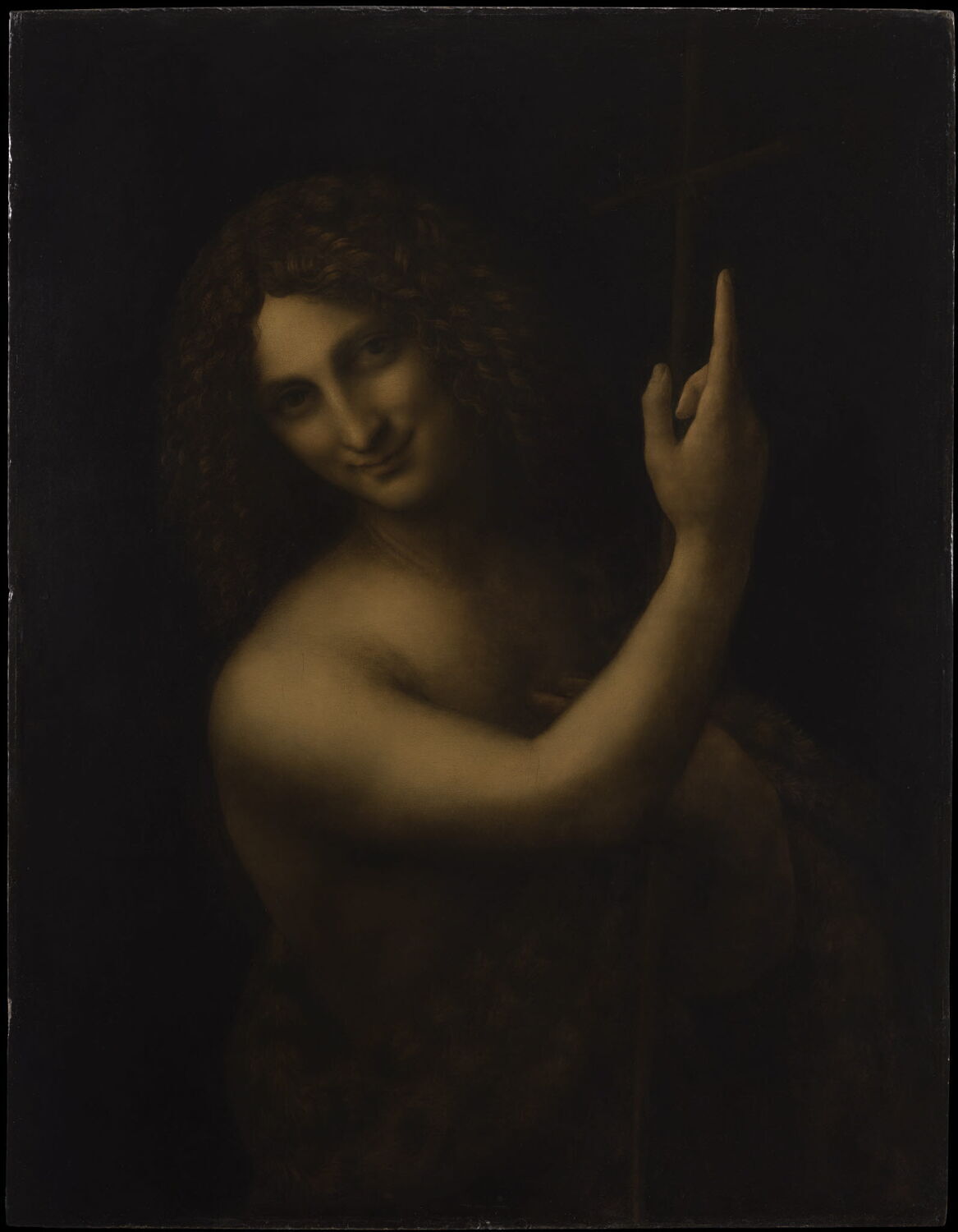
Saint Jean Baptiste, Léonard de Vinci, 1e quart du XVIe siècle (vers 1517 - 1520)

Leonardo da Vinci

バッカス, 1e quart du XVIe siècle (vers 1517 - 1520)

Saint Jean Baptiste, Léonard de Vinci, 1e quart du XVIe siècle (vers 1508 - 1519)

Leonardo da Vinci

洗礼者ヨハネ, 1e quart du XVIe siècle (vers 1508 - 1519)

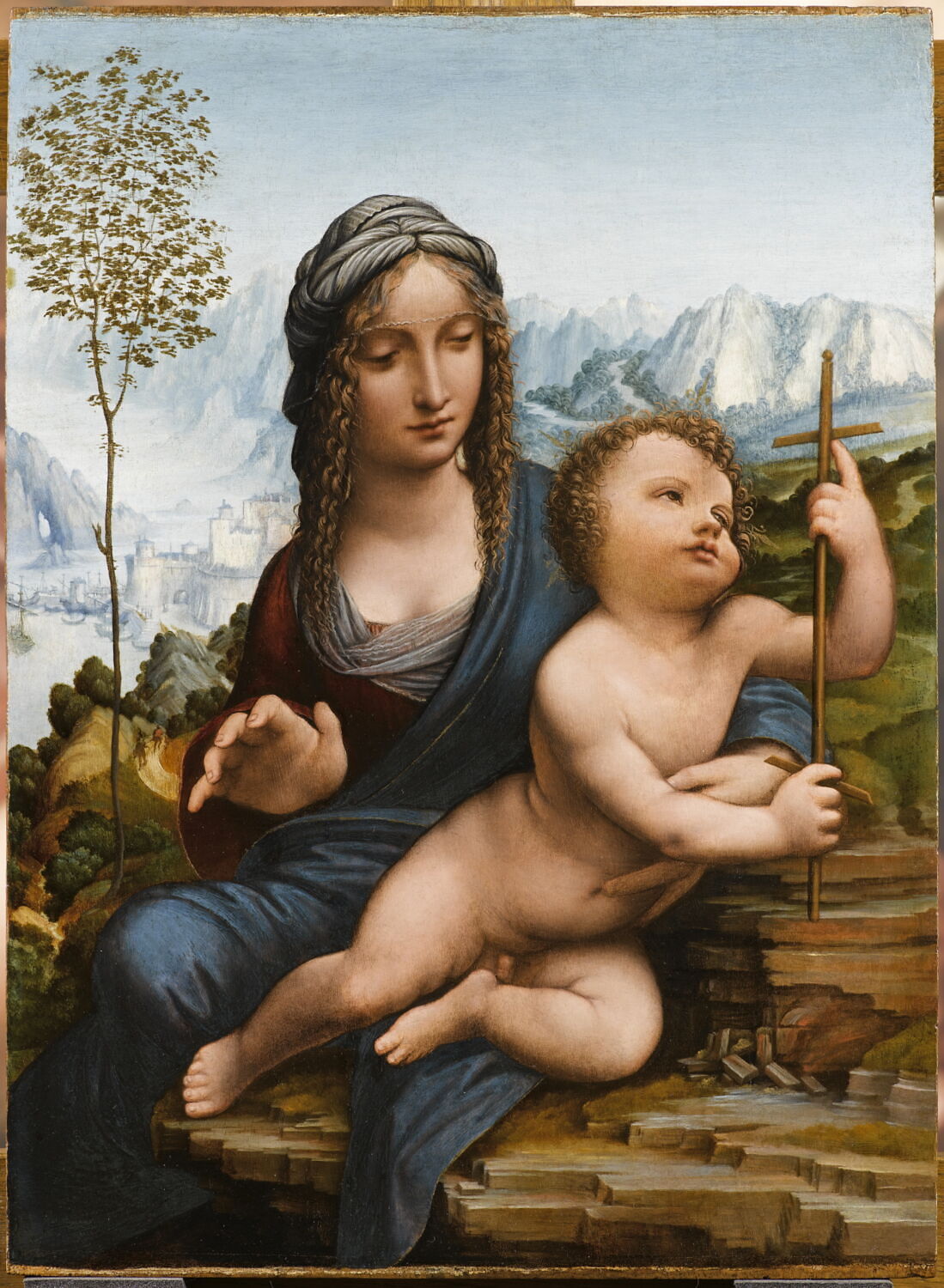
La Vierge et l'Enfant Jésus, dite Vierge au dévidoir ou Vierge aux fuseaux, Léonard de Vinci, XVIe siècle (vers 1505 - 1520)

Leonardo da Vinci

La Vierge et l'Enfant Jésus, dite Vierge au dévidoir ou Vierge aux fuseaux, XVIe siècle (vers 1505 - 1520)

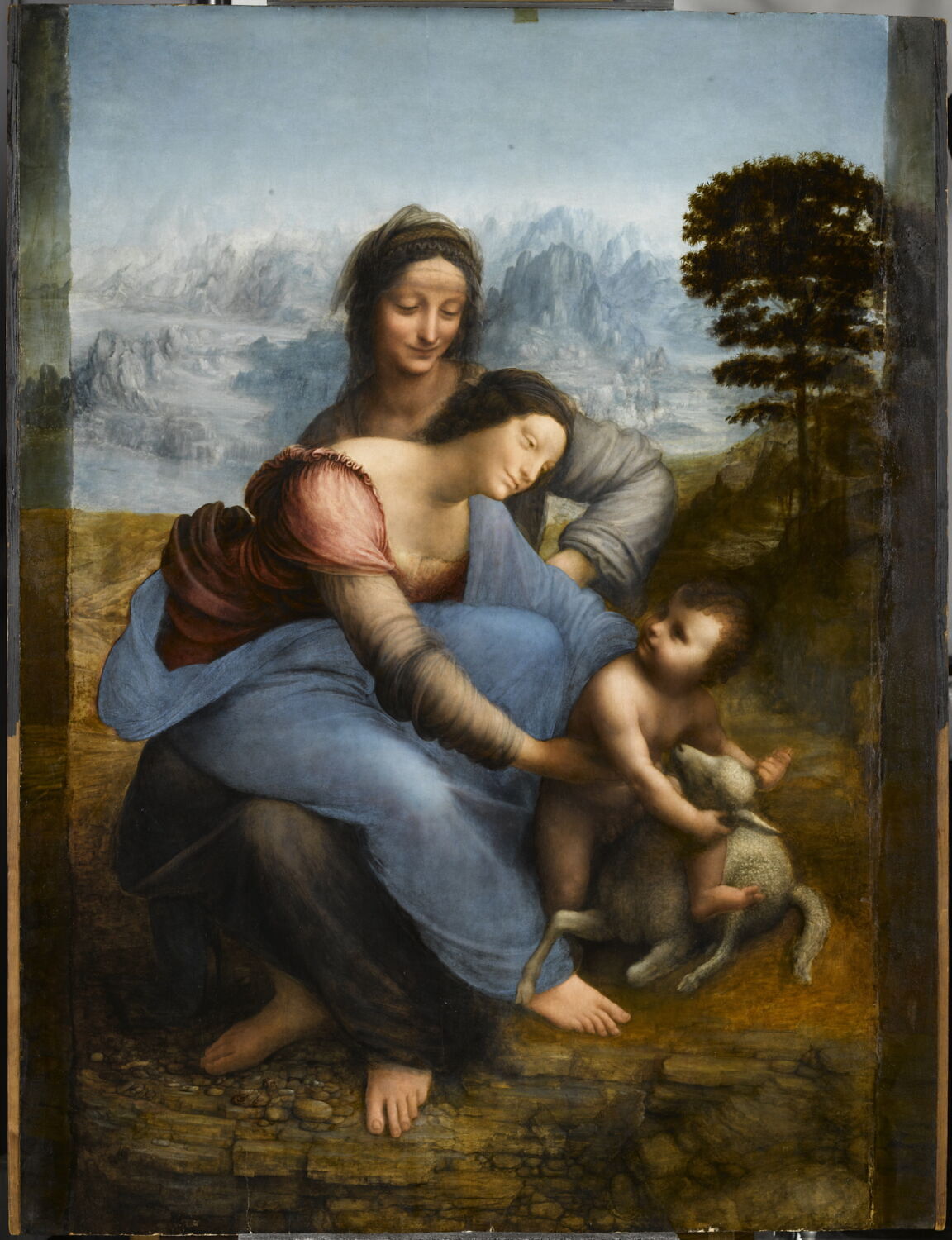
La Vierge, l'Enfant Jésus et sainte Anne, dit La Sainte Anne, Léonard de Vinci, 1e quart du XVIe siècle (vers 1503 - 1519)

Leonardo da Vinci

聖アンナと聖母子, 1e quart du XVIe siècle (vers 1503 - 1519)

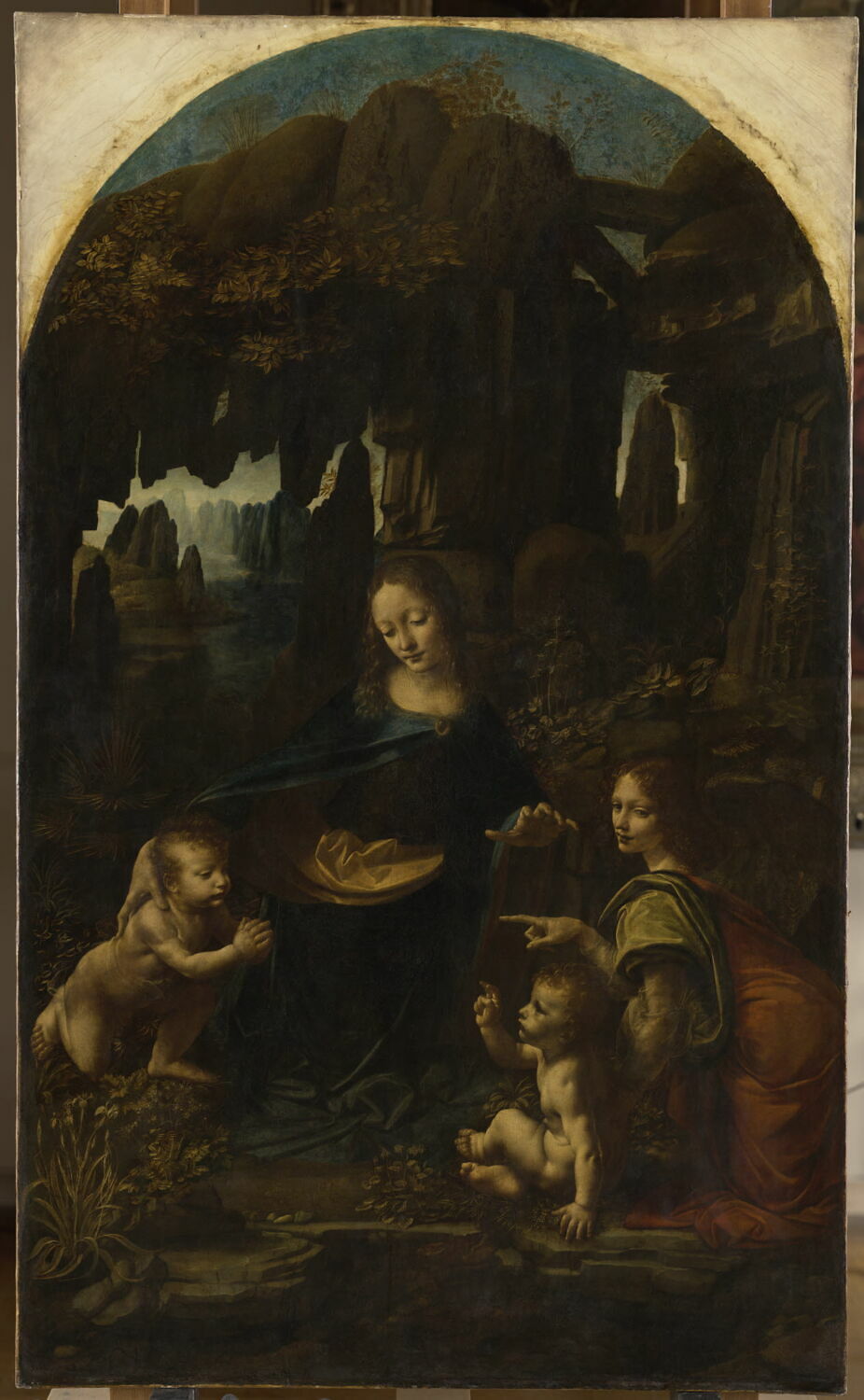
La Vierge, l'Enfant Jésus, saint Jean Baptiste et un ange, dit La Vierge aux rochers, Léonard de Vinci, 4e quart du XVe siècle (vers 1483 - 1494)

Leonardo da Vinci

La Vierge, l'Enfant Jésus, saint Jean Baptiste et un ange, dit La Vierge aux rochers, 4e quart du XVe siècle (vers 1483 - 1494)

Esclave rebelle, Buonarroti, Michelangelo dit Michel-Ange, 1513 - 1515

Michelangelo

反抗する奴隷, 1513 - 1515

Esclave mourant, Buonarroti, Michelangelo dit Michel-Ange, 1513 - 1515

Michelangelo

瀕死の奴隷, 1513 - 1515