Théodore Rousseauフランス, 1812–1867
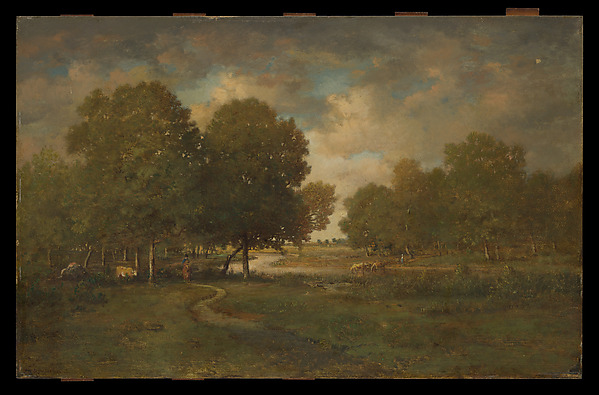
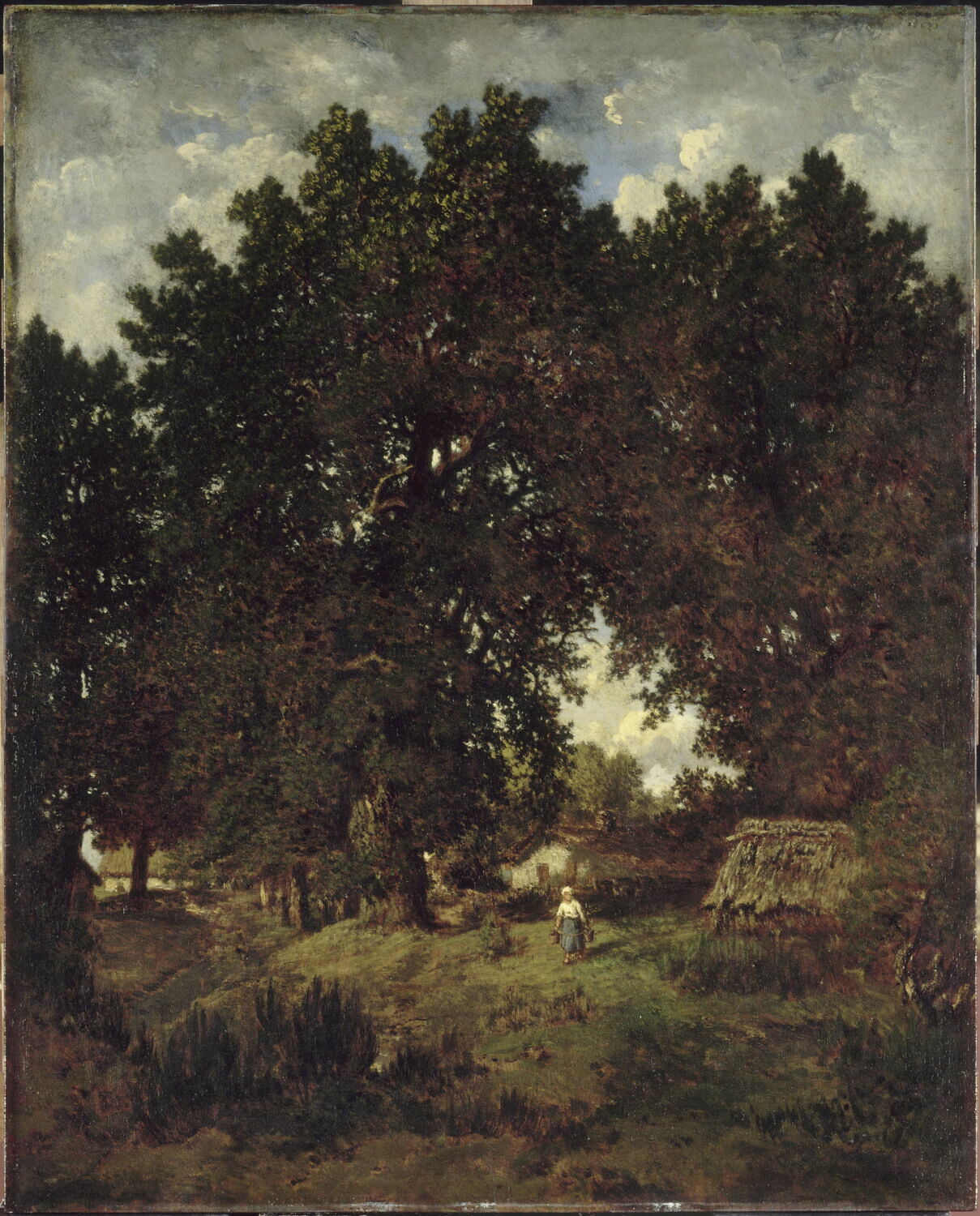
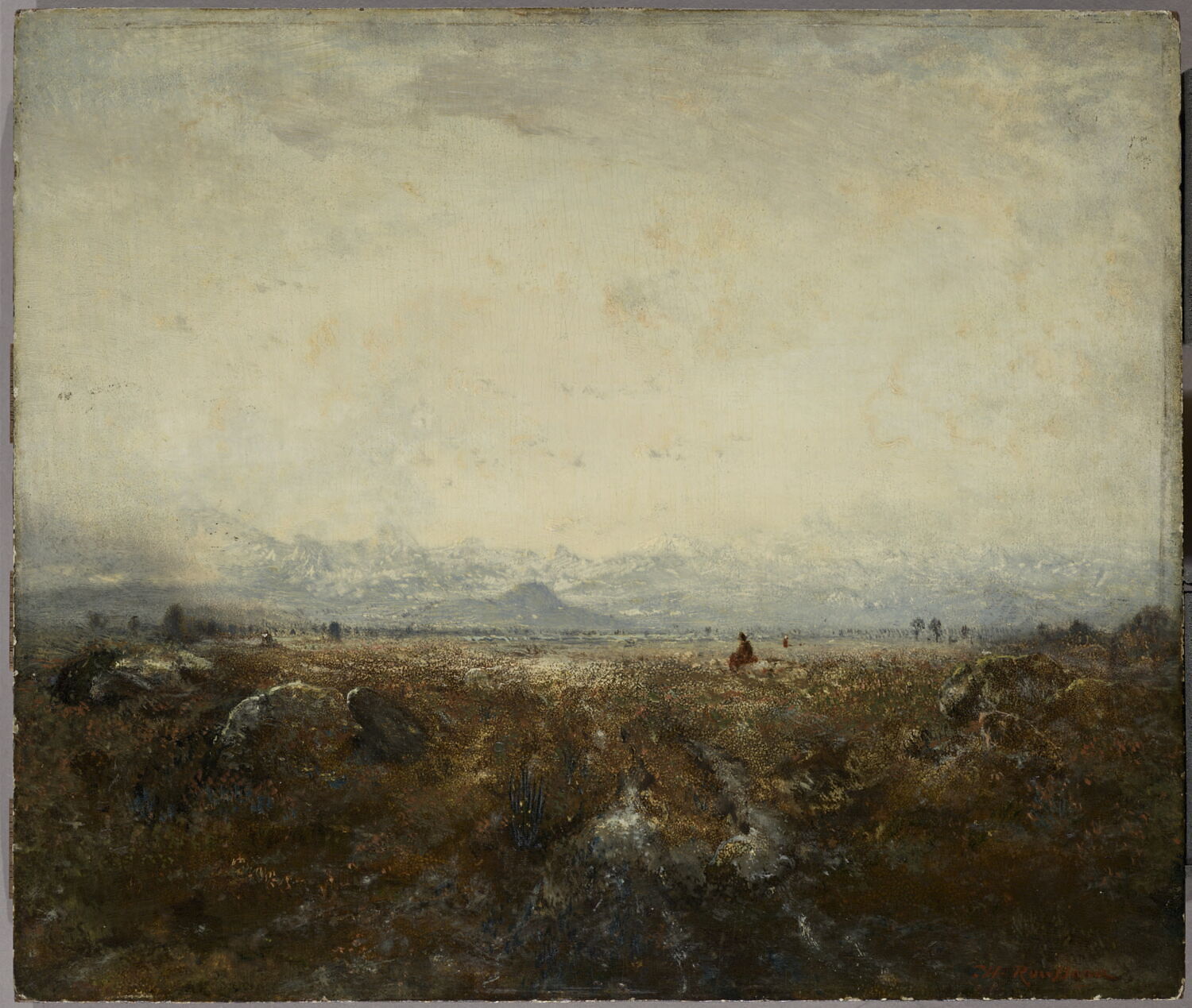
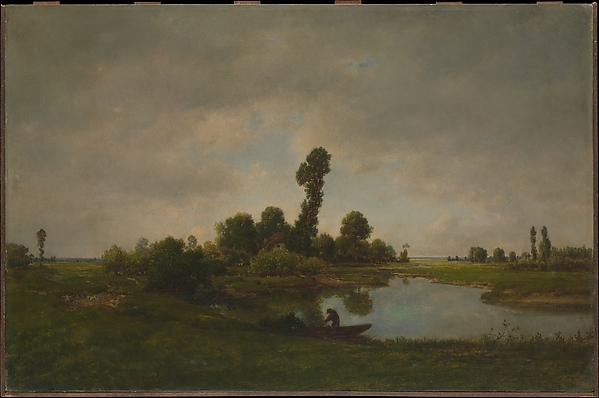
Landscape
お目にかかれますか?
ただいまはお迎えしていません

シカゴ美術館
シカゴ, アメリカ合衆国
コレクションに属していますが、現在は展示されていません。
- 確認
- この状態になった日
- 出典
- 美術館自身の所蔵データ
作品データ
- 収蔵番号
- 1975.668
What it shows
カタログ収録
出典
- シカゴ美術館: the museum's own open data · 7 日前に取得
- 画像: シカゴ美術館 — CC0
その頃、Théodore Rousseauの人生では
生涯をすべて見る1832–1833
First paints outdoors
In 1832–1833 Rousseau first went out to paint en plein air. His painting is associated with the notion of the “intimate landscape”, its motifs supplied above all by the forest of Fontainebleau.
1836
The Salon rejects “Landscape of the Jura”
In 1836 the Salon jury rejected Rousseau's great work “Landscape of the Jura” (“The Descent of the Cattle”), and of the eight works he sent to the Salon between 1836 and 1841 none was accepted. By other accounts, the four Salons after his 1831 debut had already gone badly.
winter 1836 – 1837
First winter at Barbizon
Rousseau spent the winter of 1836–1837 at Barbizon with the painters Narcisse Díaz de la Peña and Théodore Caruelle d'Aligny; the nature there impressed him so deeply that from then on he came back every year. In time a circle of painters who, like him, painted nature from life gathered around him — Cabat, Daubigny, Dupré — and so the Barbizon school gradually took shape.
1836–1849
“Le grand refusé”
After 1841 Rousseau stopped sending work to the Salon until 1849; dubbed “le grand refusé”, he became known through the writings of his friend, the critic Théophile Thoré, while his father, who had at first regretted his son's forsaking business, sided with him in all his conflicts with the Salon. In these years of “artistic exile” Rousseau painted some of his best pictures: “The Chestnut Avenue”, “The Marsh in the Landes” (now in the Louvre) and “Hoar-Frost”.