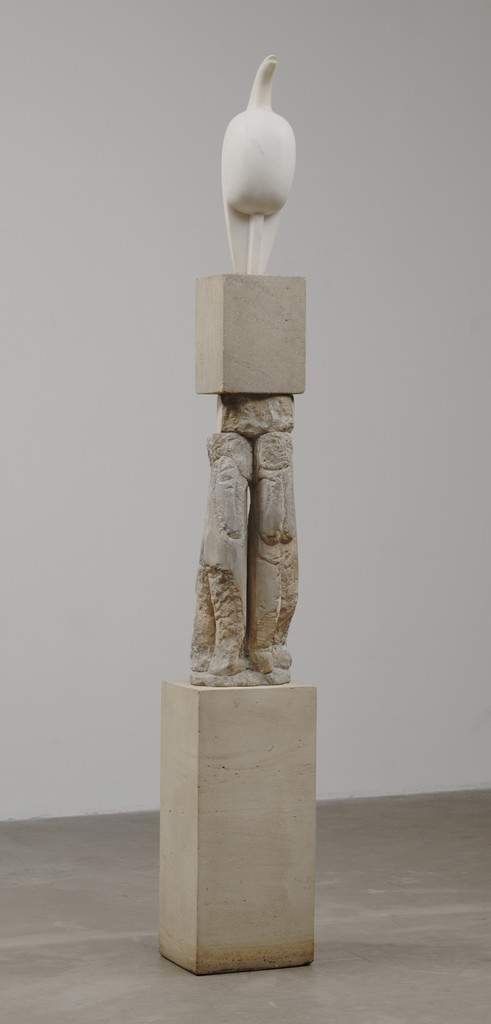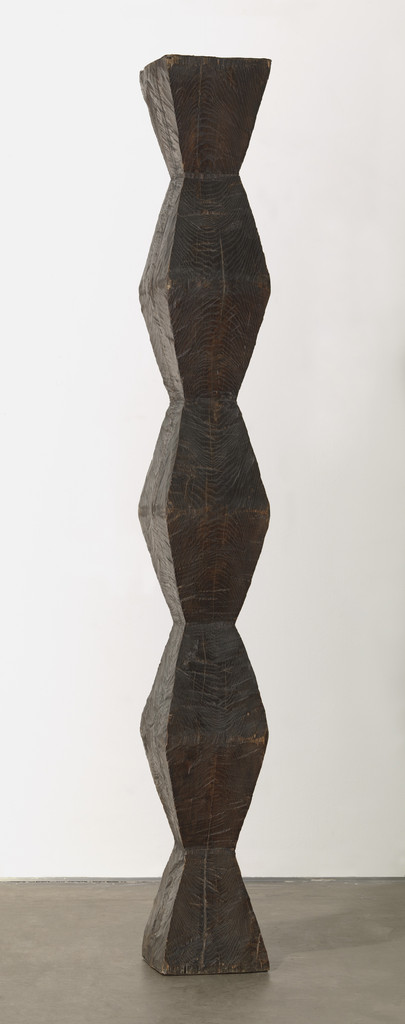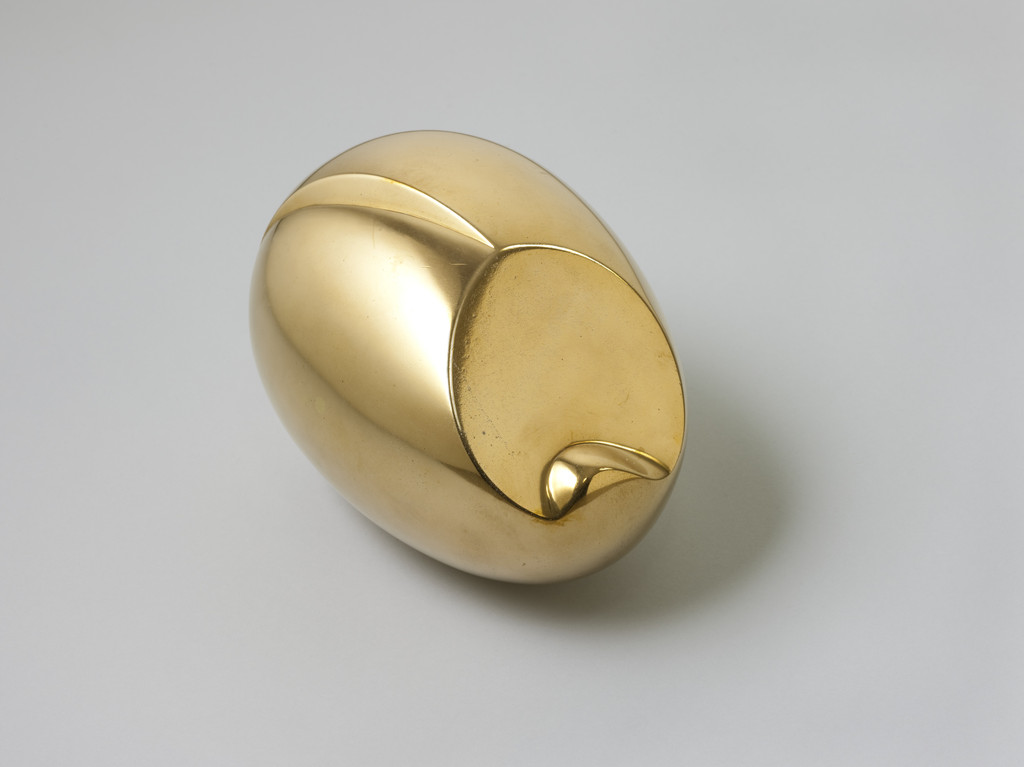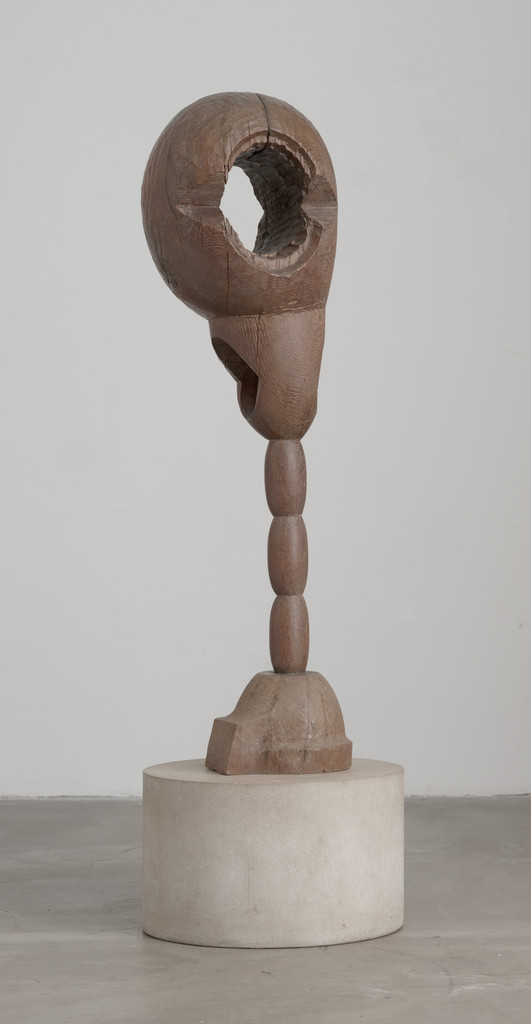
 Constantin Brancusiルーマニア, 1876–1957
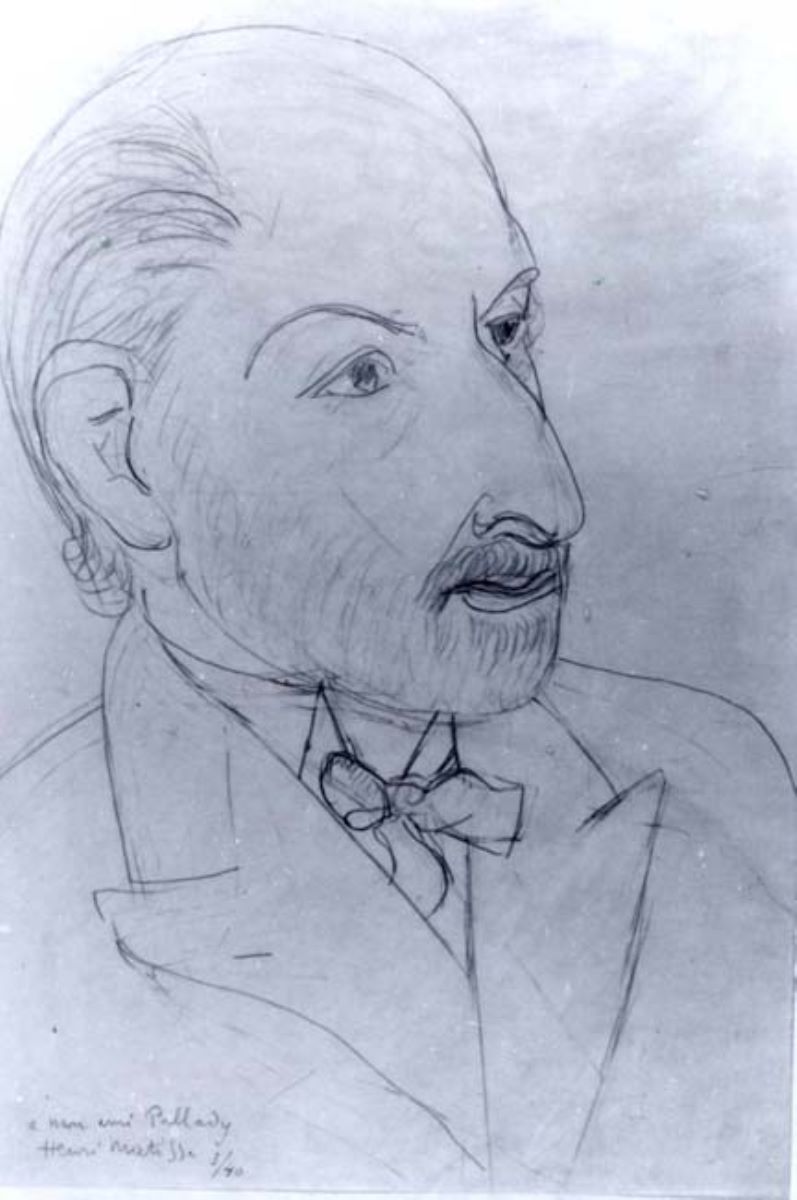
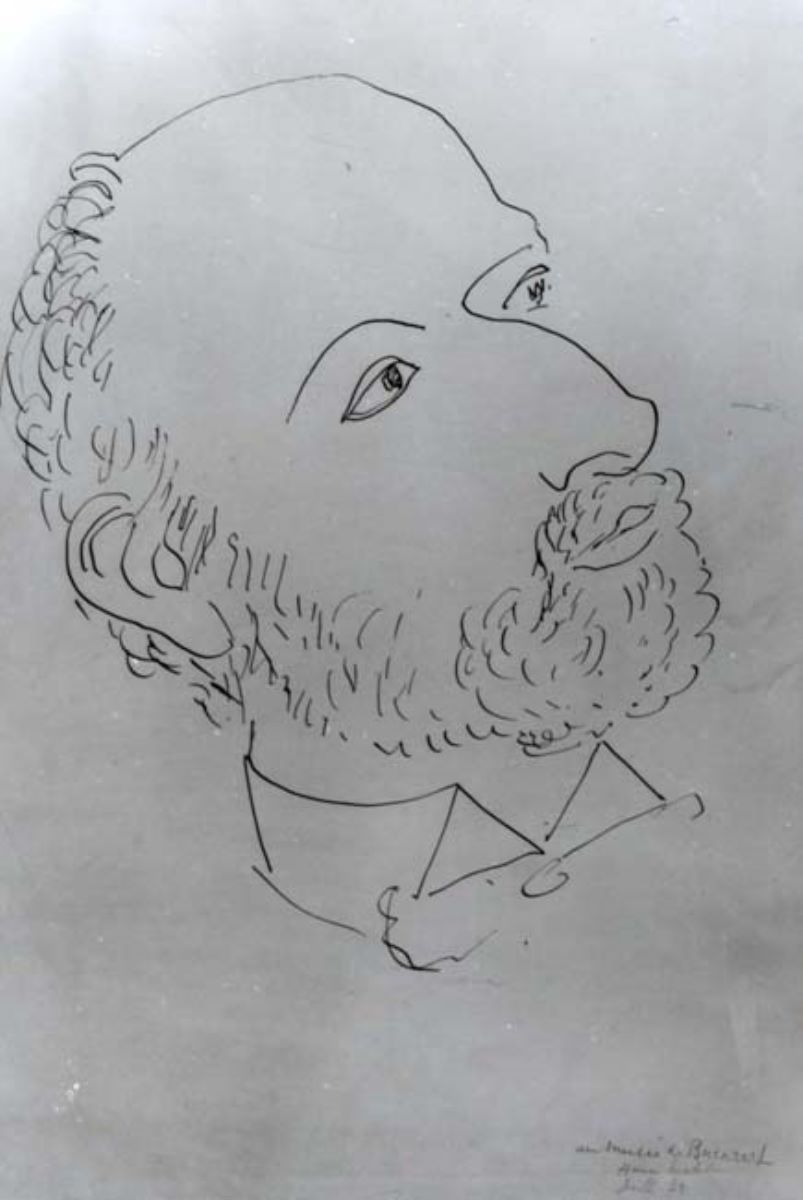
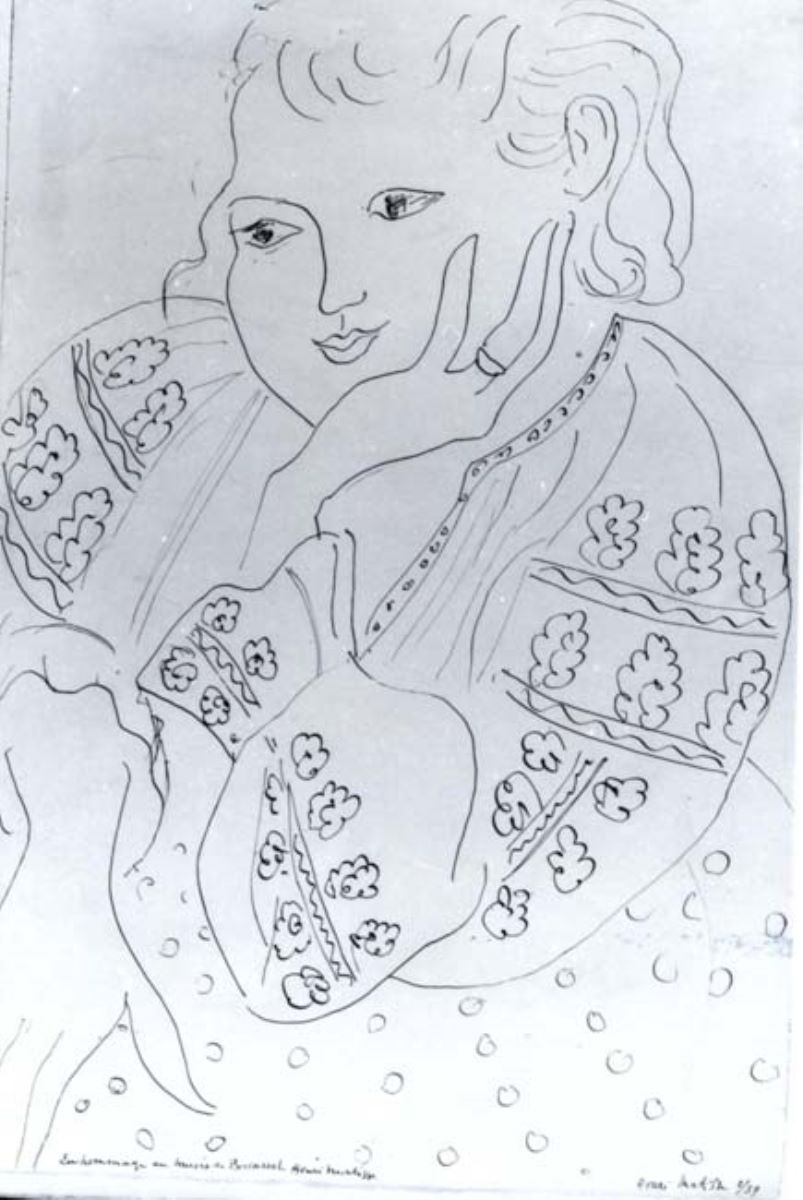
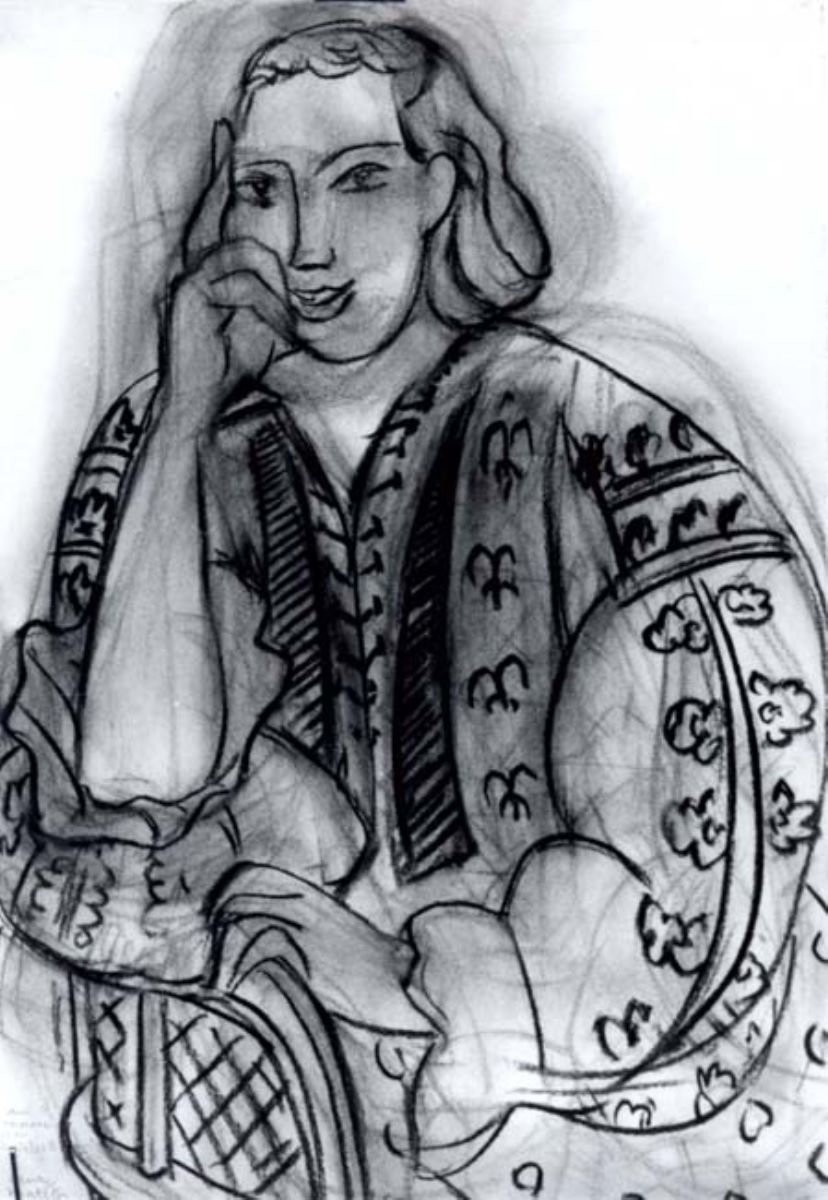
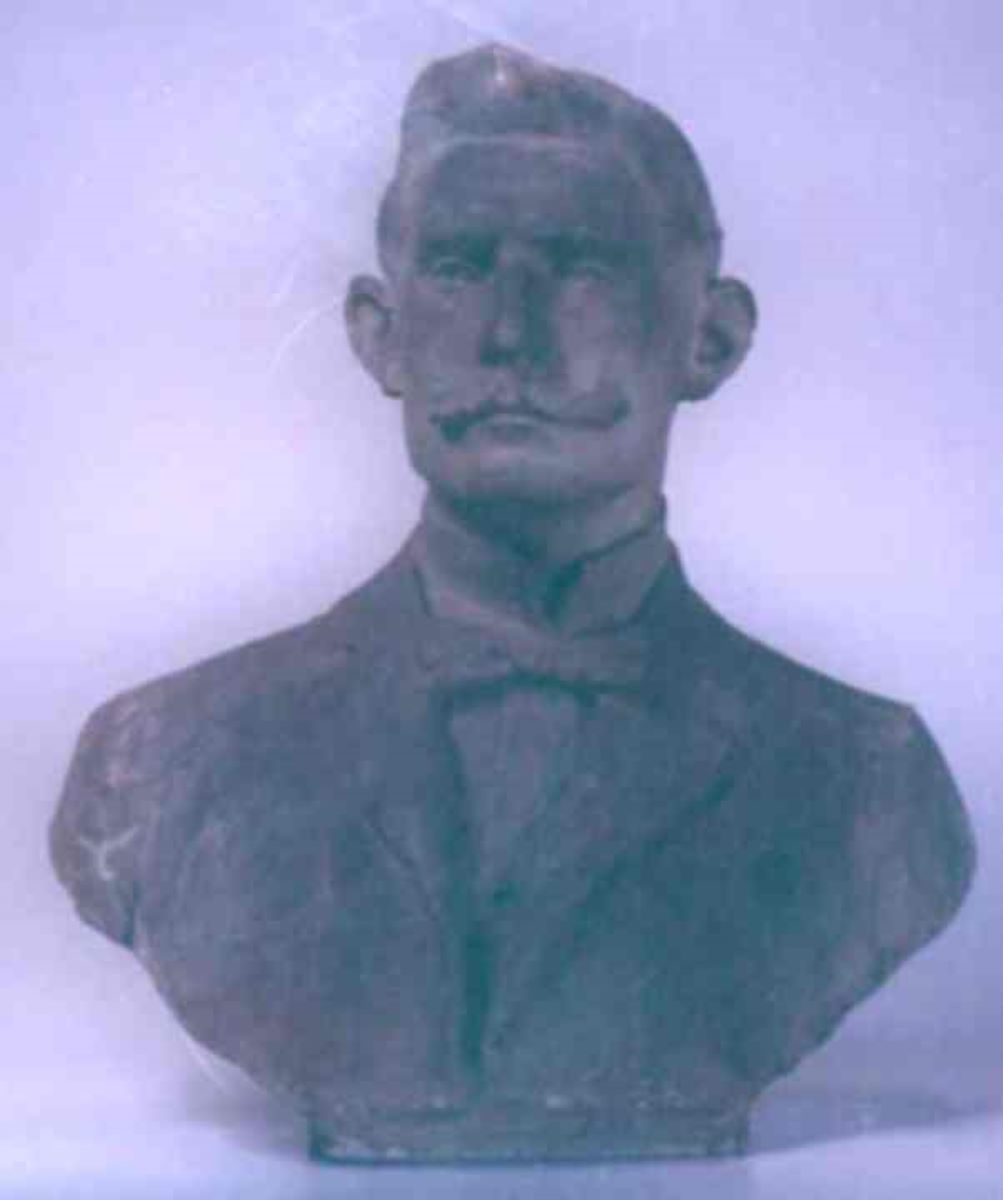
Ing. Ion Georgescu Gorjan
見られますか?
不明
『Ing. Ion Georgescu Gorjan』は今どこに? 所蔵: ルーマニア国立美術館, ブカレスト. 不明.

ブカレスト, ルーマニア
所蔵者は判明していますが、現在展示中かどうかは不明です。
- この状態になった日
- 出典
- 美術館
作品データ
カタログ収録
出典
- ルーマニア国立美術館
- 画像: ルーマニア国立美術館 — CC BY-SA 4.0
その頃、Constantin Brancusiの人生では
生涯をすべて見る1898–1903
Bucharest: “Laocoön”, anatomy with Gerota, the “Écorché”
In 1898 Brâncuși enters the National School of Fine Arts in Bucharest: for the entrance examination he makes a charcoal drawing of a plaster “Laocoön and His Sons” (which he studies again in clay and plaster in 1900). His training includes anatomy lessons with the physician Dimitrie Gerota, under whose direction he completes the “Écorché”, a man without skin exposing the musculature, exhibited at the Romanian Athenaeum in 1903.
1903 – 14 July 1904
On foot from Bucharest to Paris
Later in 1903 Brâncuși leaves Bucharest for Western Europe, walking much of the way and working along the road to support himself; passing through Vienna, Munich and Basel, where he stays for a time, he arrives in Paris on 14 July 1904. Other accounts put his departure in 1902 and name poverty, indifference to his work and the coarse manners of his compatriots as the reasons.
1904
The first months in Paris: a dishwasher
During his first months in Paris Brâncuși works as a dishwasher at the Brasserie Chartier; when money is scarce, he assists at services in the Romanian Orthodox church on rue Jean-de-Beauvais.