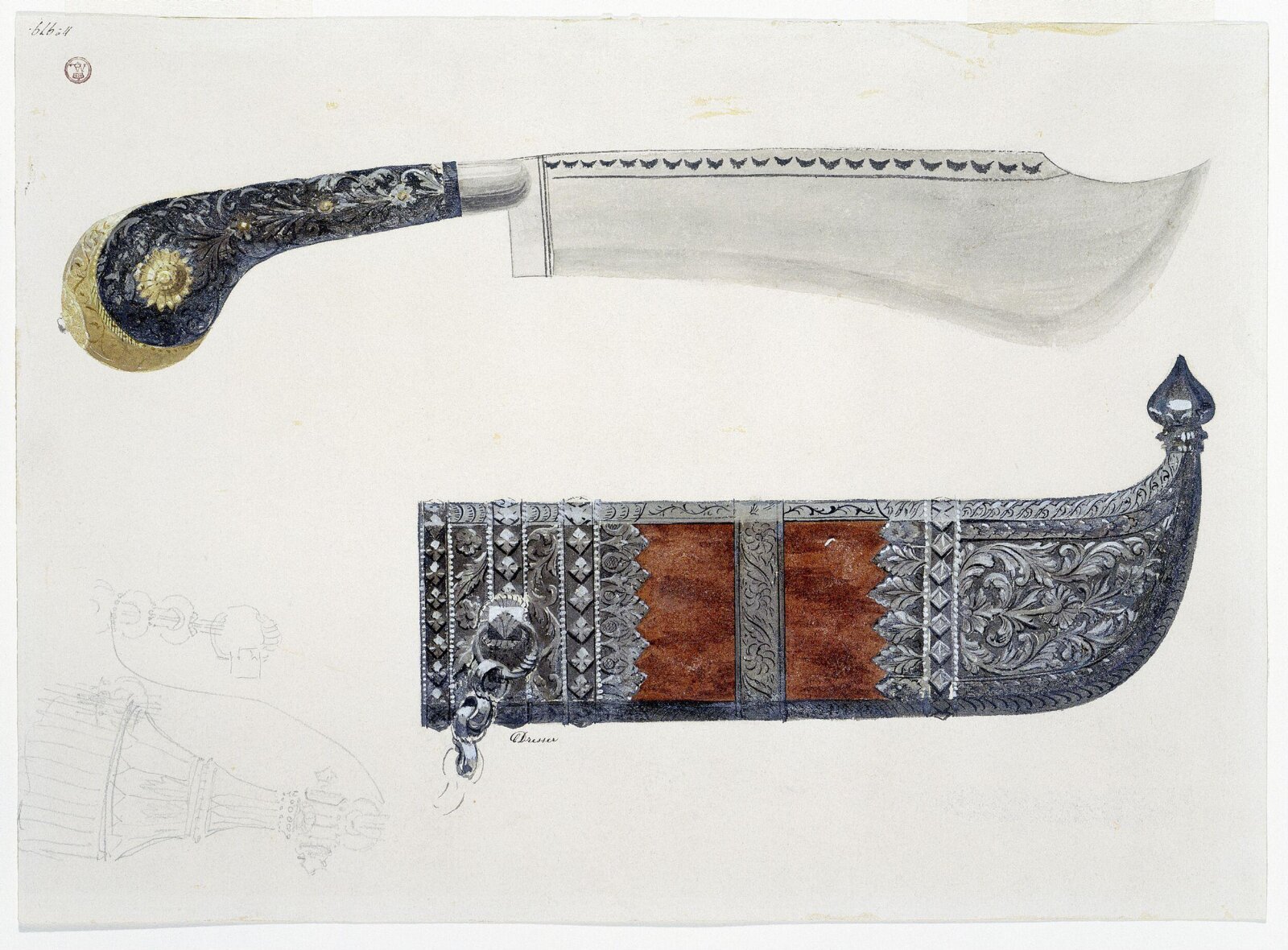
 Christopher Dresserイギリス, スコットランド, 1834–1904
Indian knife
お目にかかれますか?
ただいまはお迎えしていません

ロンドン, イギリス
コレクションに属していますが、現在は展示されていません。
- 確認
- この状態になった日
- 出典
- 美術館
作品について
Object Type
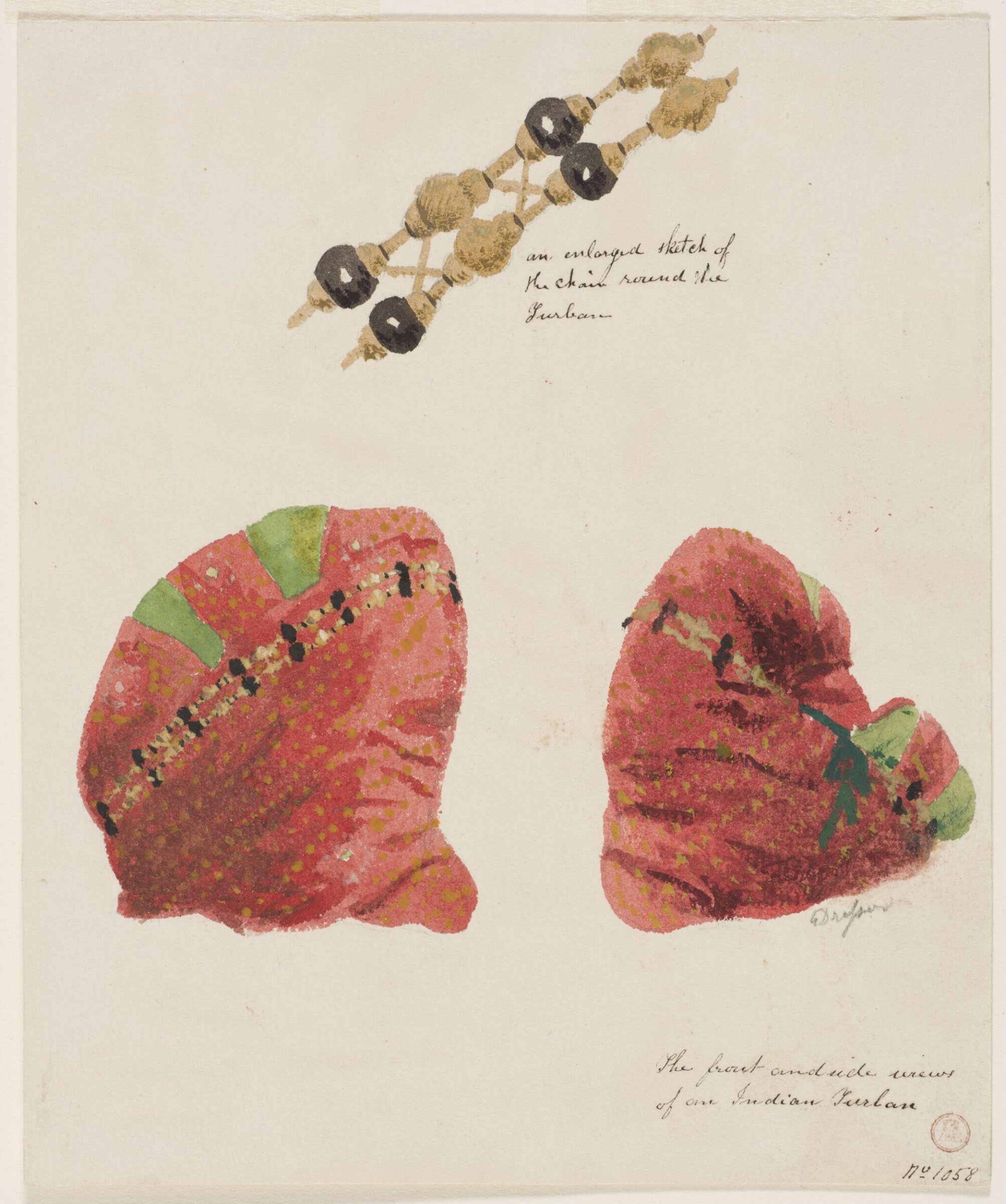
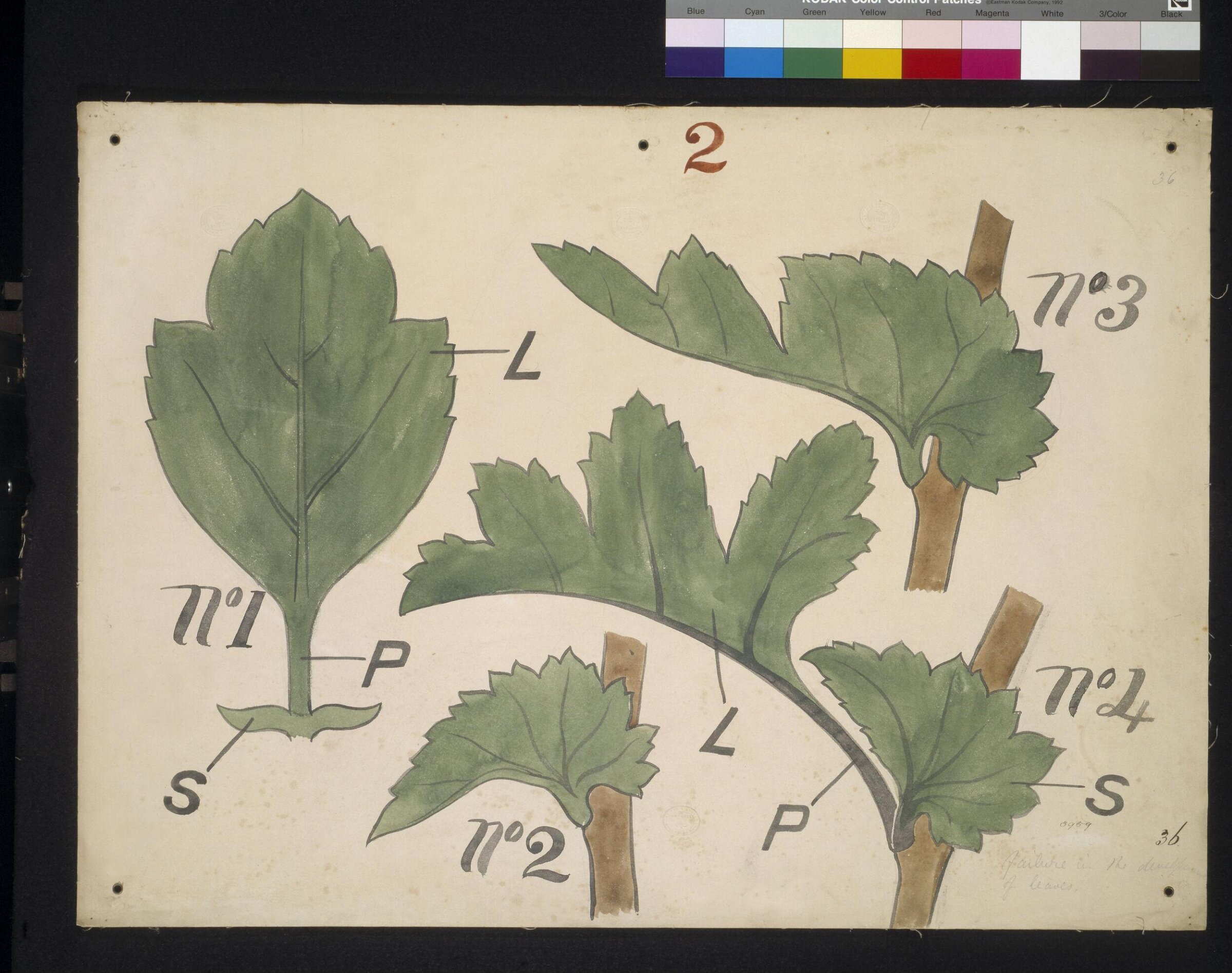
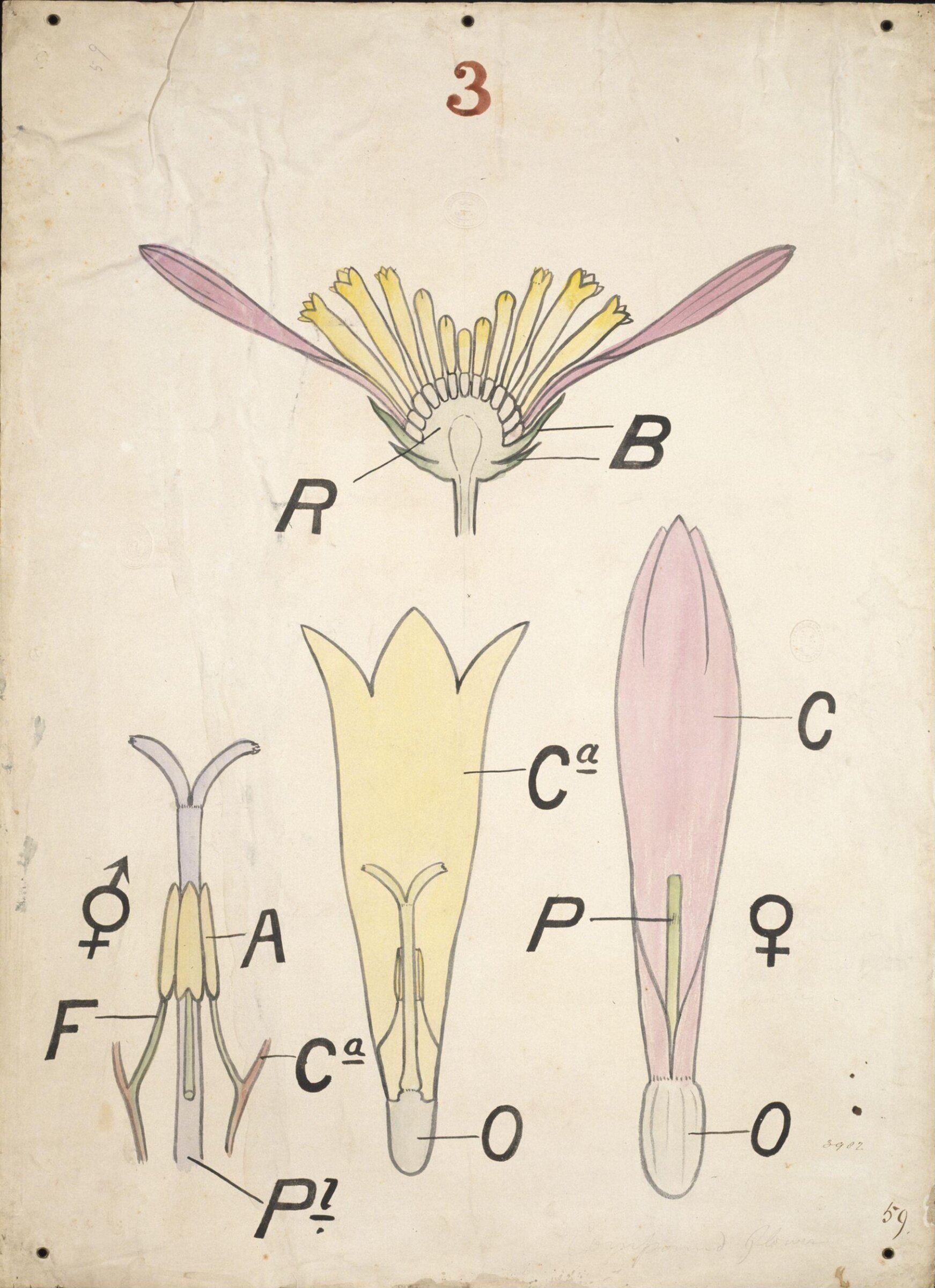
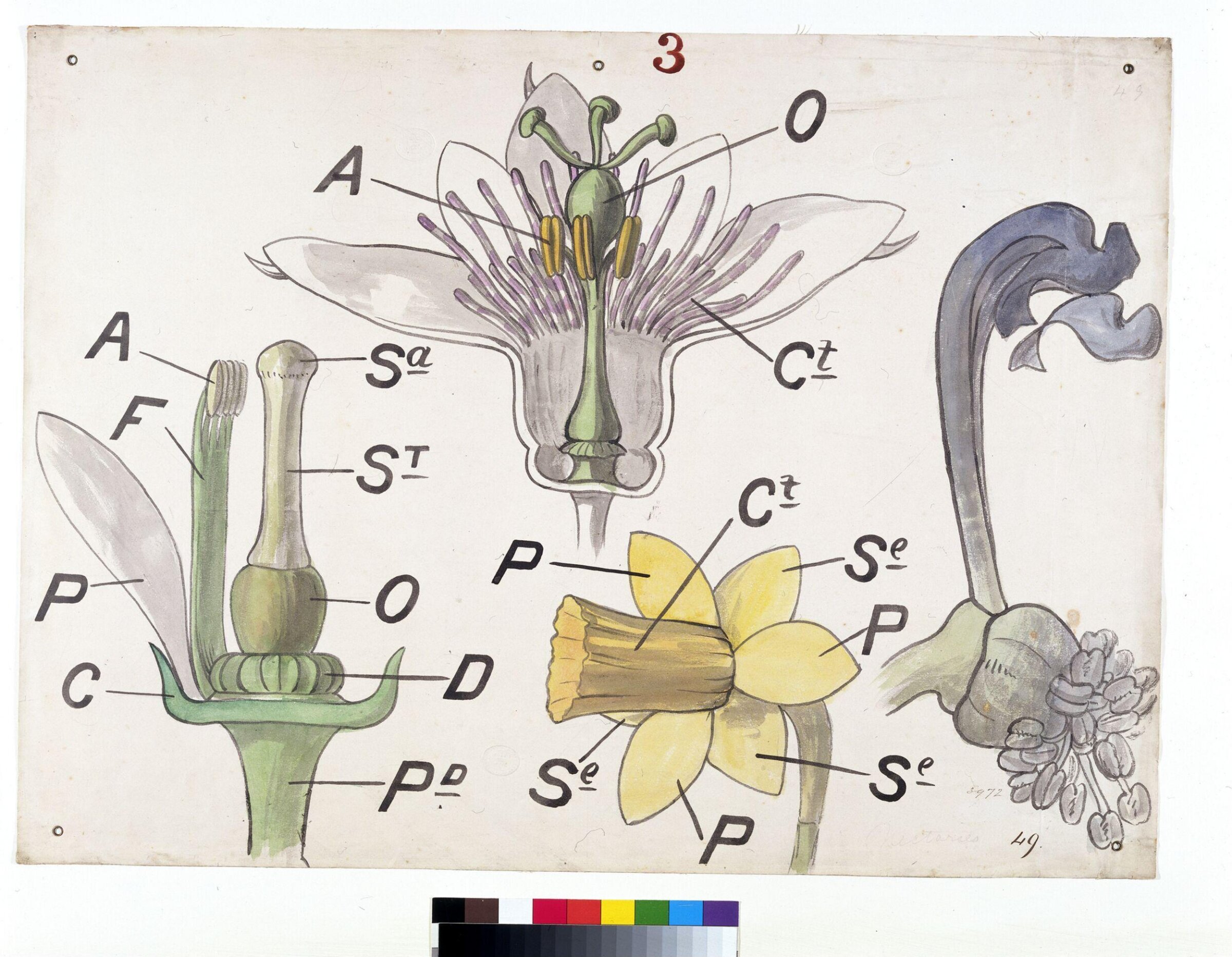
As part of their training, students of design had to make detailed watercolour studies of all kinds of modern and historic objects, which their tutors thought significant. This process not only forced the students to examine very closely the construction of the object itself, but also taught them the drawing skills necessary for making presentation drawings of their own design work.
People
続きを読む
Christopher Dresser had trained at the Government Schools of Design at Somerset House, London, between 1847 and 1854, during which time he was strongly influenced by the design reform efforts of Henry Cole, Richard Redgrave and Owen Jones. This drawing, made while he was still a promising student, was of an object in the Indian Court at the Great Exhibition of 1851. Dresser was perhaps the most inventive of all Victorian designers, and unlike William Morris, was more than happy to see his designs produced by industrial methods. He designed furniture, textiles, wallpaper, linoleum, metalwork, glass and ceramics for industry.
Eclecticism
This Indian knife is a typically exotic example of the highly decorative objects from all over the world that Dresser as student had seen and was obliged to study and draw. They increased his enthusiasm for 'eclecticism' or the combining of widely differing influences and synthesising them into one design. During his subsequent career he was inspired by a very wide range of historic and foreign objects, including Gothic, Japanese, Chinese, Indian, Peruvian and Egyptian designs.
ヴィクトリア&アルバート博物館
作品データ
- 収蔵番号
- 979
描かれているもの
カタログ収録
出典
- ヴィクトリア&アルバート博物館
- 画像: ヴィクトリア&アルバート博物館 — © Victoria and Albert Museum, London