Vasily Kandinskyフランス, 1866–1944
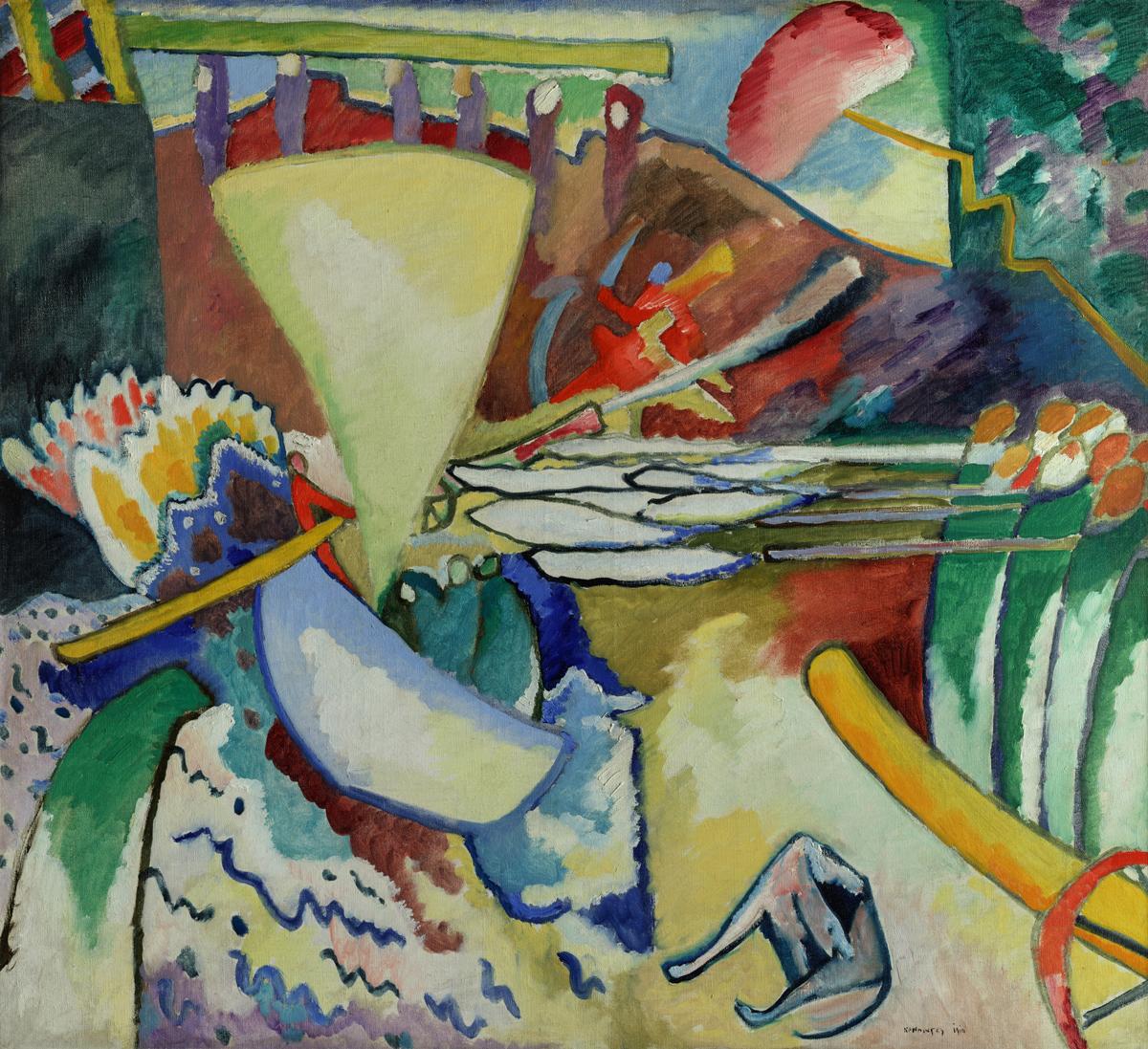
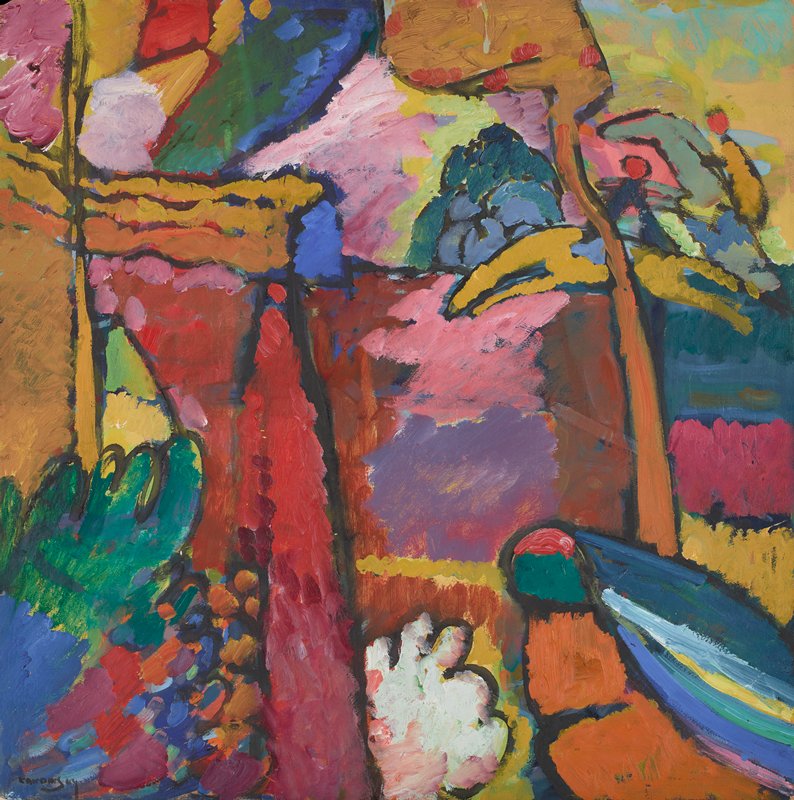
Improvisation 31 (Sea Battle)
見られますか?
はい、現在展示中
『Improvisation 31 (Sea Battle)』は今どこに? ナショナル・ギャラリー, 展示室 415A · 東館, 上層階, ワシントンD.C. はい、現在展示中. 確認 2026年9月29日.

閉館· 明日10:00に開館
一般公開されています。
- 確認
- この状態になった日
- 出典
- 美術館
作品データ
- 収蔵番号
- 1978.48.1
描かれているもの
カタログ収録
出典
- ナショナル・ギャラリー
- 画像: ナショナル・ギャラリー — © the artist or rights holder
その頃、Vasily Kandinskyの人生では
生涯をすべて見る1910–1911
The treatise “Concerning the Spiritual in Art”
The treatise defended and promoted abstract art and affirmed that all forms of art are equally capable of reaching spirituality; colour in a painting can be autonomous, apart from the depiction of an object. Kandinsky distinguished three kinds of painting: impressions, improvisations and compositions.
1910–1912
The Izdebsky Salons and the Knave of Diamonds
With the Neue Künstlervereinigung Kandinsky took part in two international Izdebsky Salons in Russian cities, from December 1910 to May 1911; in 1910 and 1912 he also exhibited with the Knave of Diamonds.
1911
The birth of the Blue Rider
After the earlier association dissolved Kandinsky formed the Blue Rider with August Macke, Franz Marc, Albert Bloch and Gabriele Münter. The group issued an almanac and held two exhibitions; the war ended further plans.
1911
His first solo exhibition
His first solo exhibition took place in the same years, when the Blue Rider was being born.
1911
Divorce from his first wife
Kandinsky was divorced from Anna Chemyakina; his relationship with Münter was nevertheless never formalized.
1914
The war: back to Russia via Switzerland and Sweden
The outbreak of World War I ended the Blue Rider's plans for further almanacs and exhibitions and sent Kandinsky back to Russia via Switzerland and Sweden; he returned to Moscow in 1914.
_MET_DP236124.jpg?width=1280)