 Giambolognaフランドル, 1529–1608
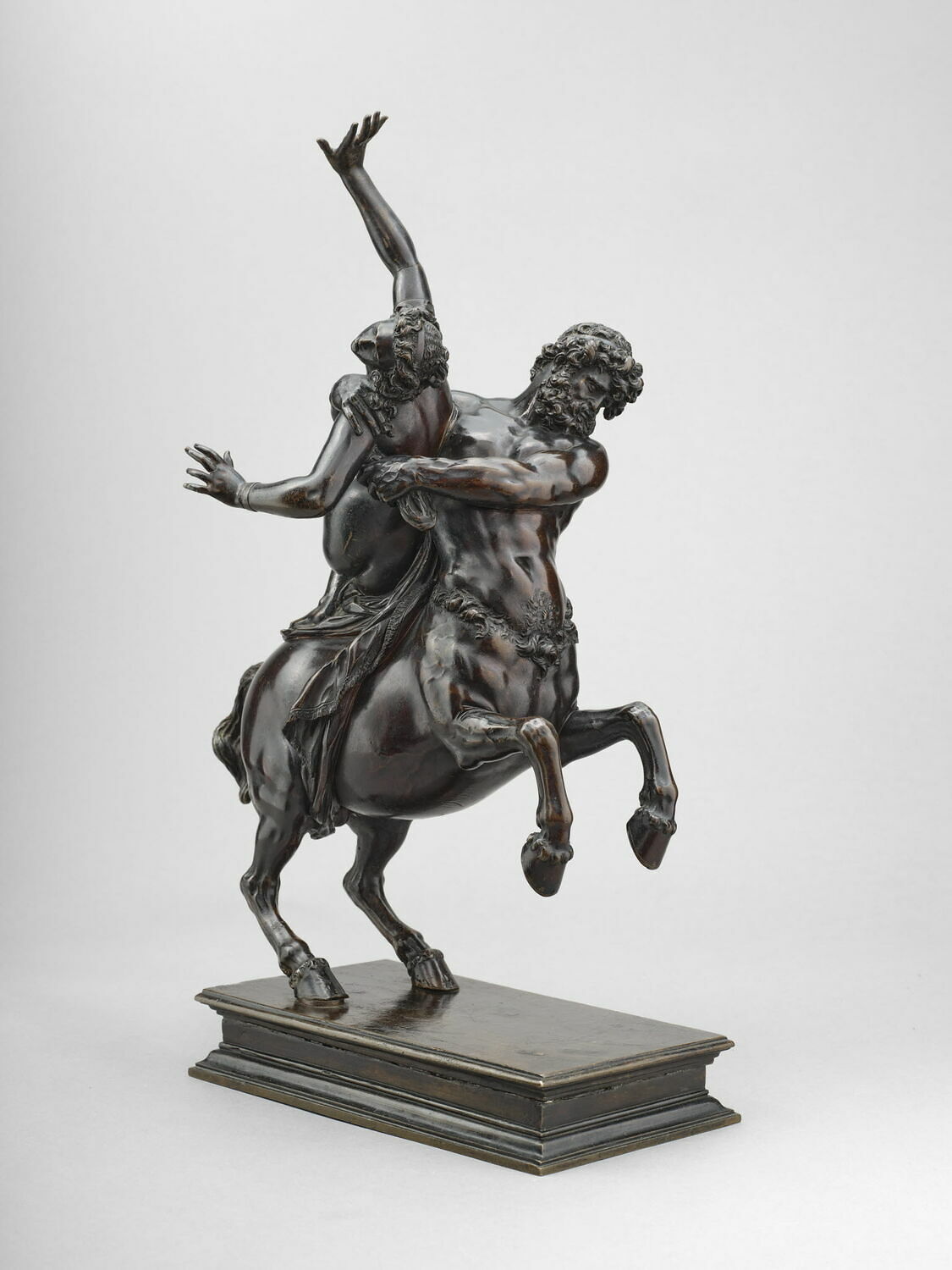
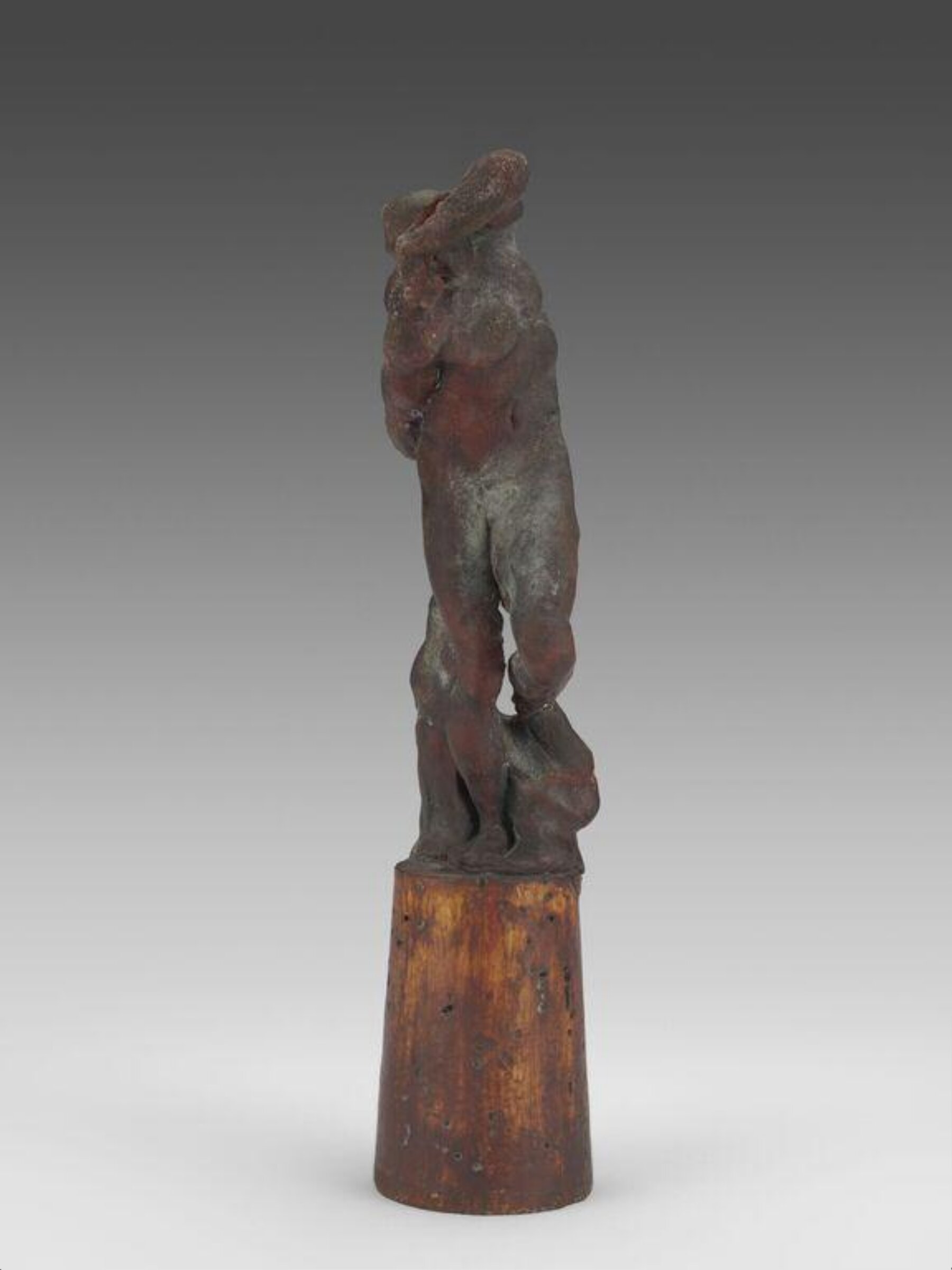
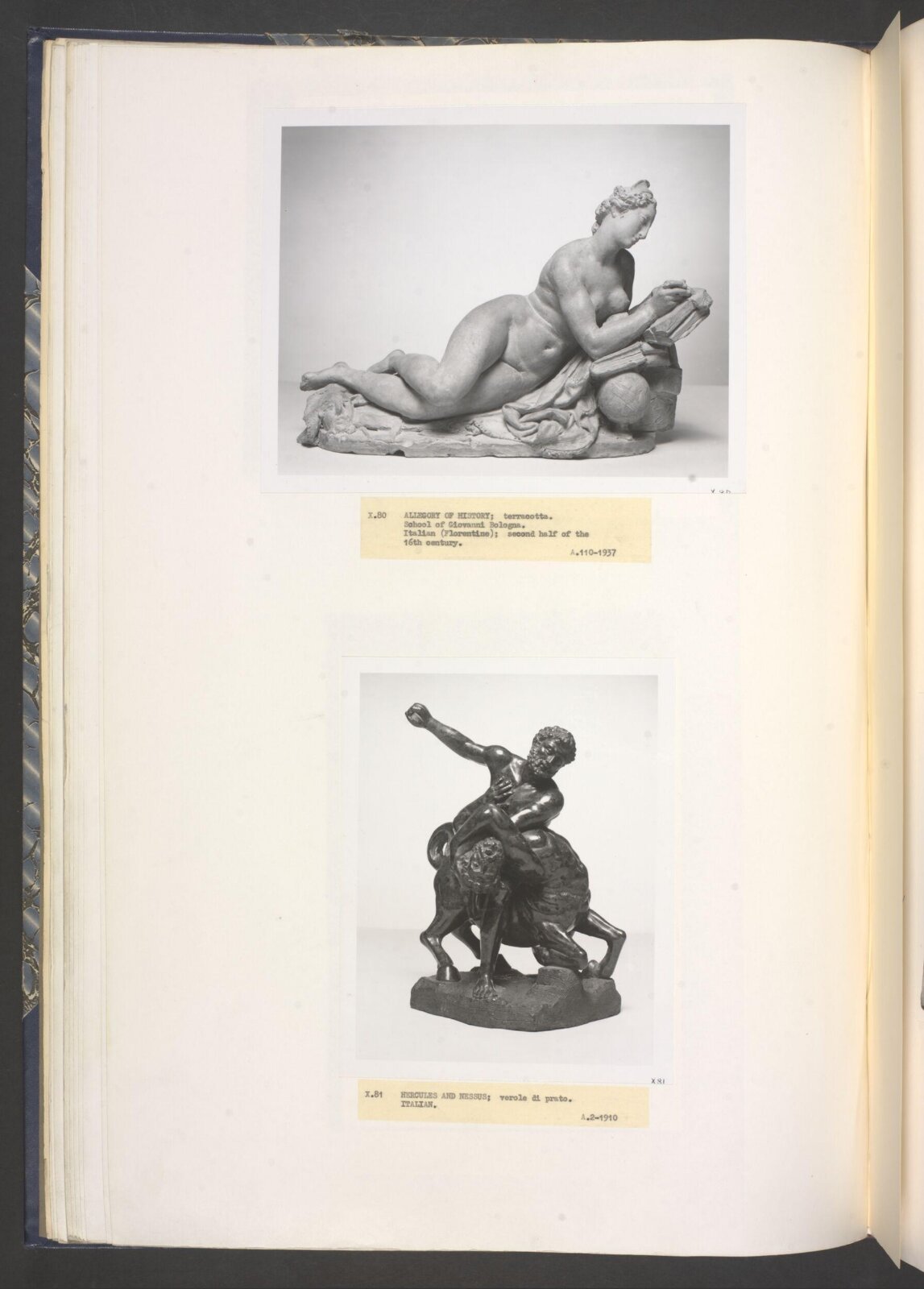
Hercules and Nessus
見られますか?
現在は展示されていません
『Hercules and Nessus』は今どこに? 所蔵: ヴィクトリア&アルバート博物館, ロンドン. 現在は展示されていません. 確認 2026年9月25日.

ロンドン, イギリス
コレクションに属していますが、現在は展示されていません。
- 確認
- この状態になった日
- 出典
- 美術館
この彫刻について
This is a reduced and modified copy of the original Hercules and Nessus group by Giambologna, executed in 1599, in the Loggia dei Lanzi at Florence.
It is probably dating from the 19th century.
Contemporary reductions of the group are not uncommon (one is in the Kaiser Friedrich Museum in Berlin).
Hercules (Greek name is Heracles) is one of the most important heroes in Greek mythology. He was the son of Jupiter and Alcmena, a Theban princess. He is regarded as the embodiment of physical strength and courage.
His two main attributes are the club and the lion's skin, which he won at his first labour. He had to undertake 12 labours as a penance for slaying his own children in an act of madness.
続きを読む
Nessus was a centaur. On a journey Hercules and Deianiera came to a river, where Nessus wad the ferryman and tried to delight her. When Hercules realised he sent his bow and slew Nessus. When dying he told Deianiera to collect his blood as it would one day help her as a love elixir. Anyone who would wear a garment rubbed with the blood would love her forever.
Giambologna (ca. 1524-1608) (Giovanni Bologna) was born in Flanders. Giambologna went to Rome to study antique sculpture from about 1550 to 1553. He then travelled through Florence where he was persuaded to stay. He became sculptor to the Medici family and thus became one of the most influential sculptors of the late 16th and early 17th centuries. He drew attention to many artists from Northern Europe and disseminated his style mainly through small bronzes. He established an efficient and large workshop.
ヴィクトリア&アルバート博物館
作品データ
- 収蔵番号
- A.2-1910
描かれているもの
カタログ収録
出典
- ヴィクトリア&アルバート博物館
- 画像: ヴィクトリア&アルバート博物館 — © Victoria and Albert Museum, London