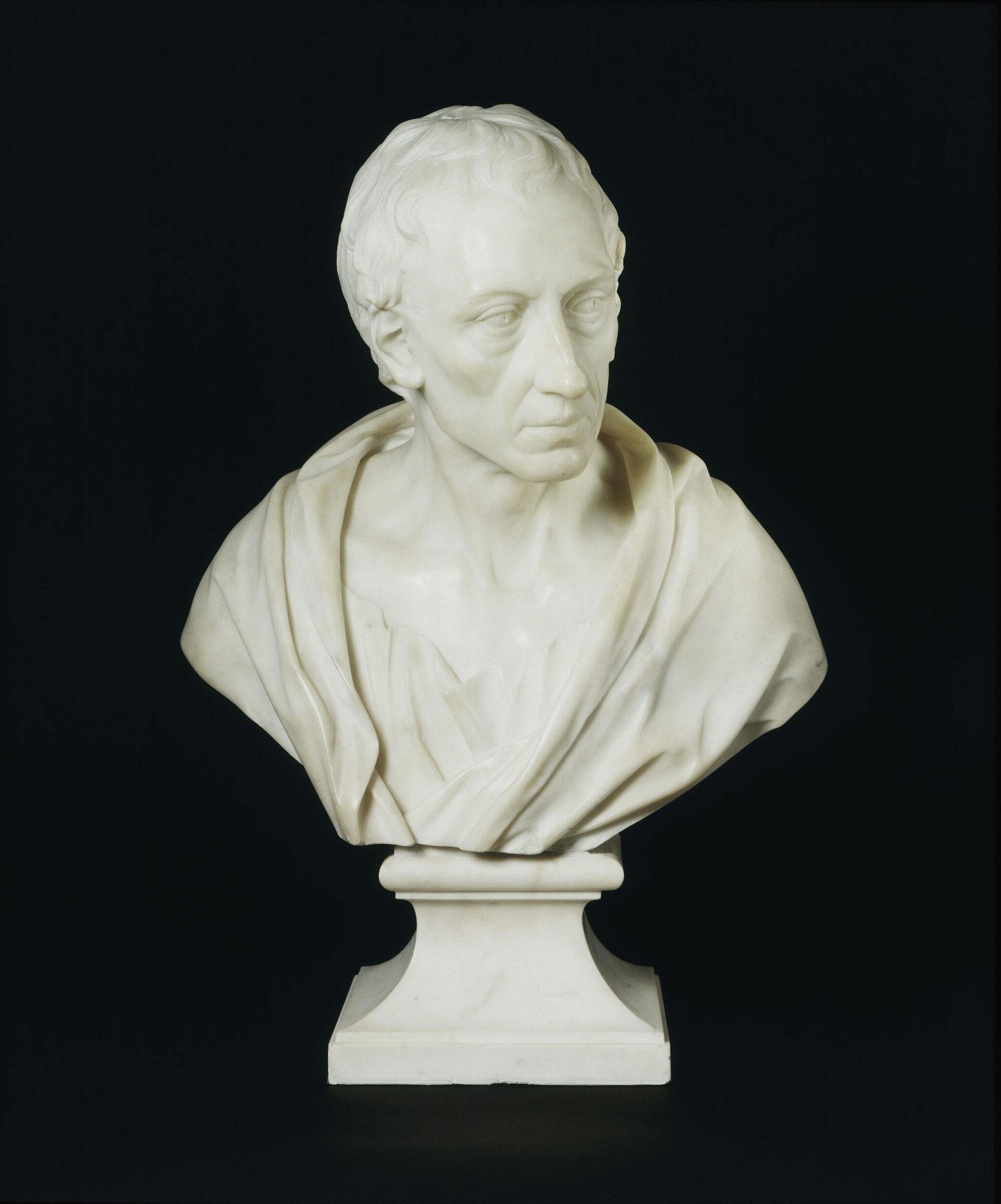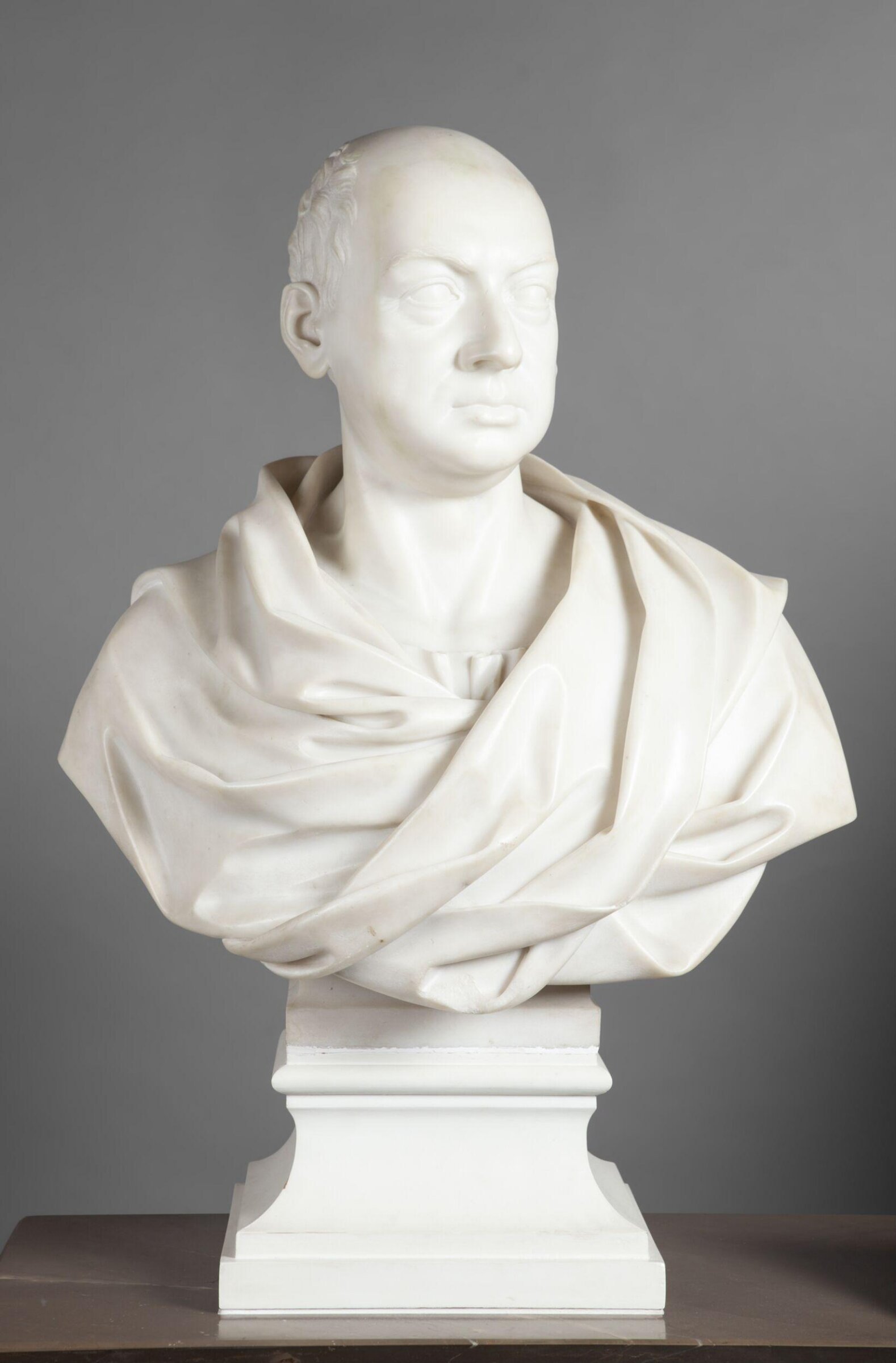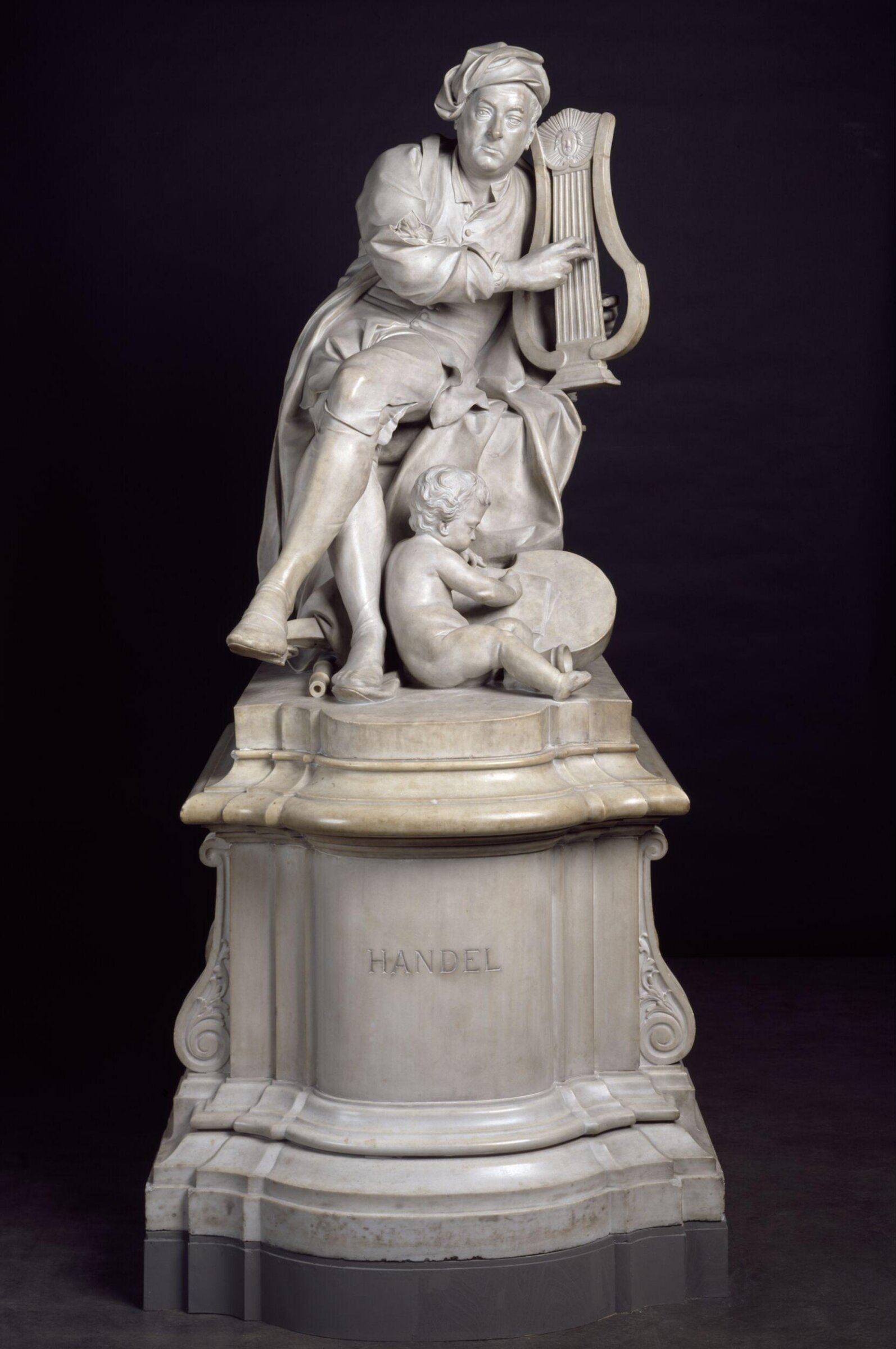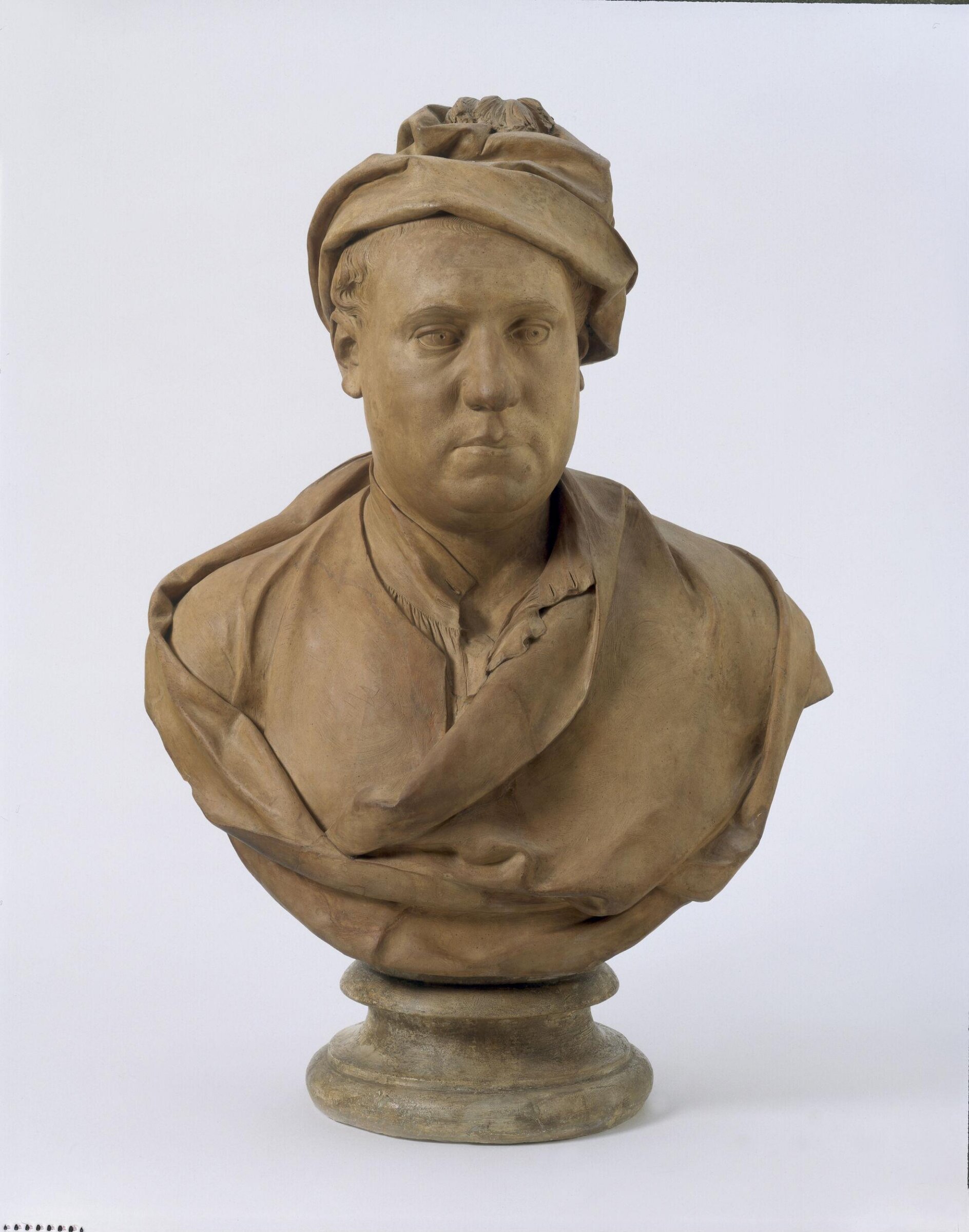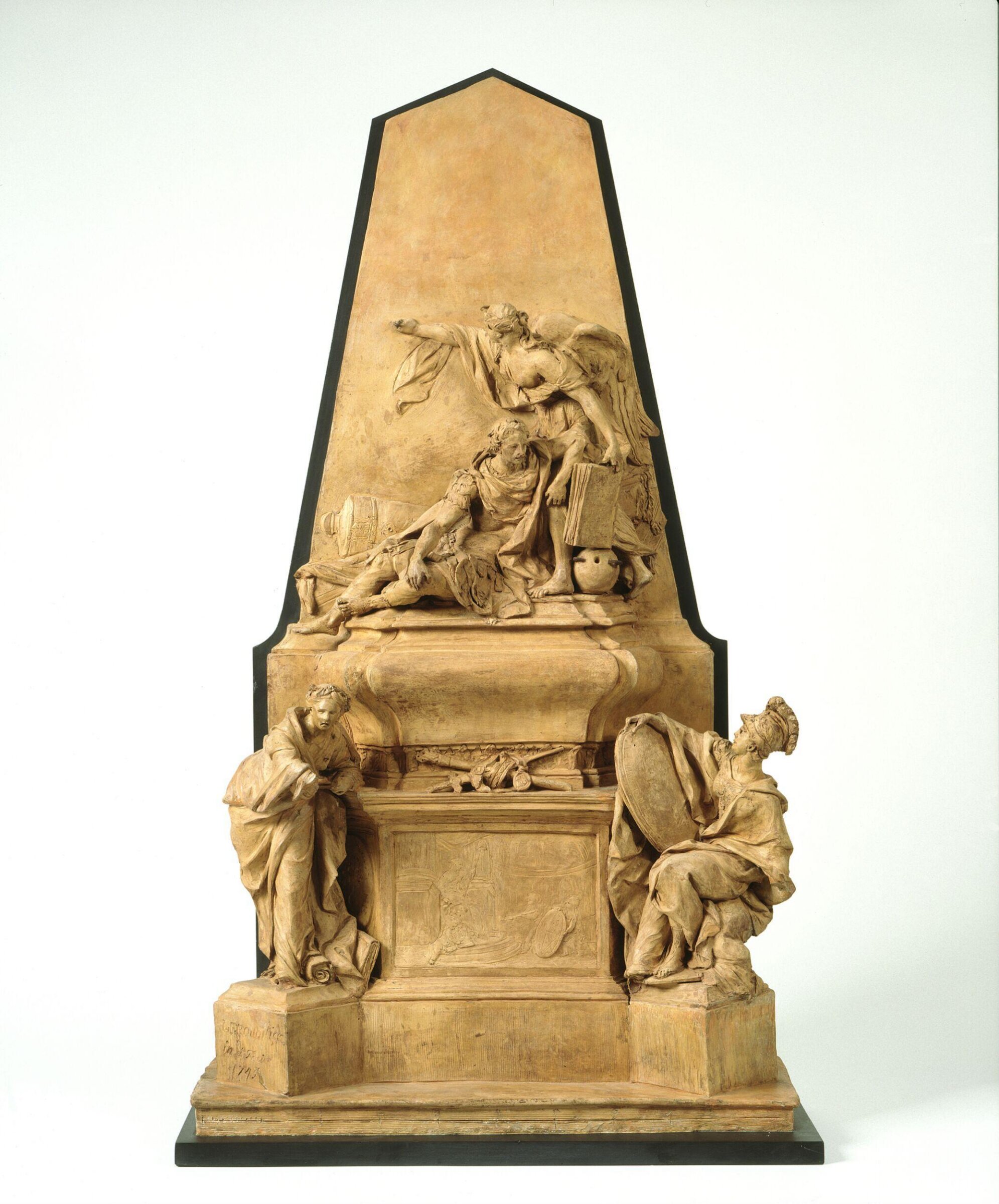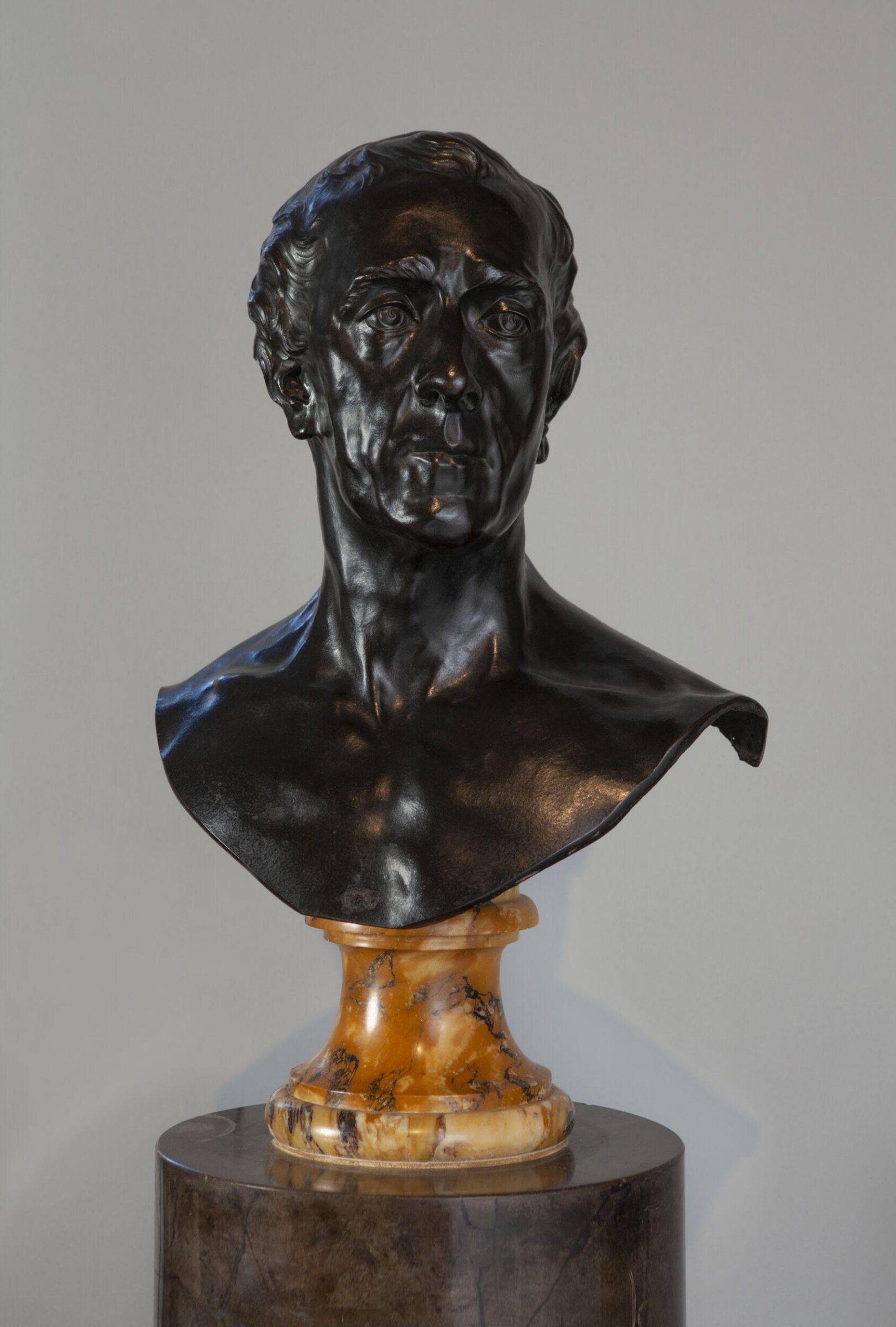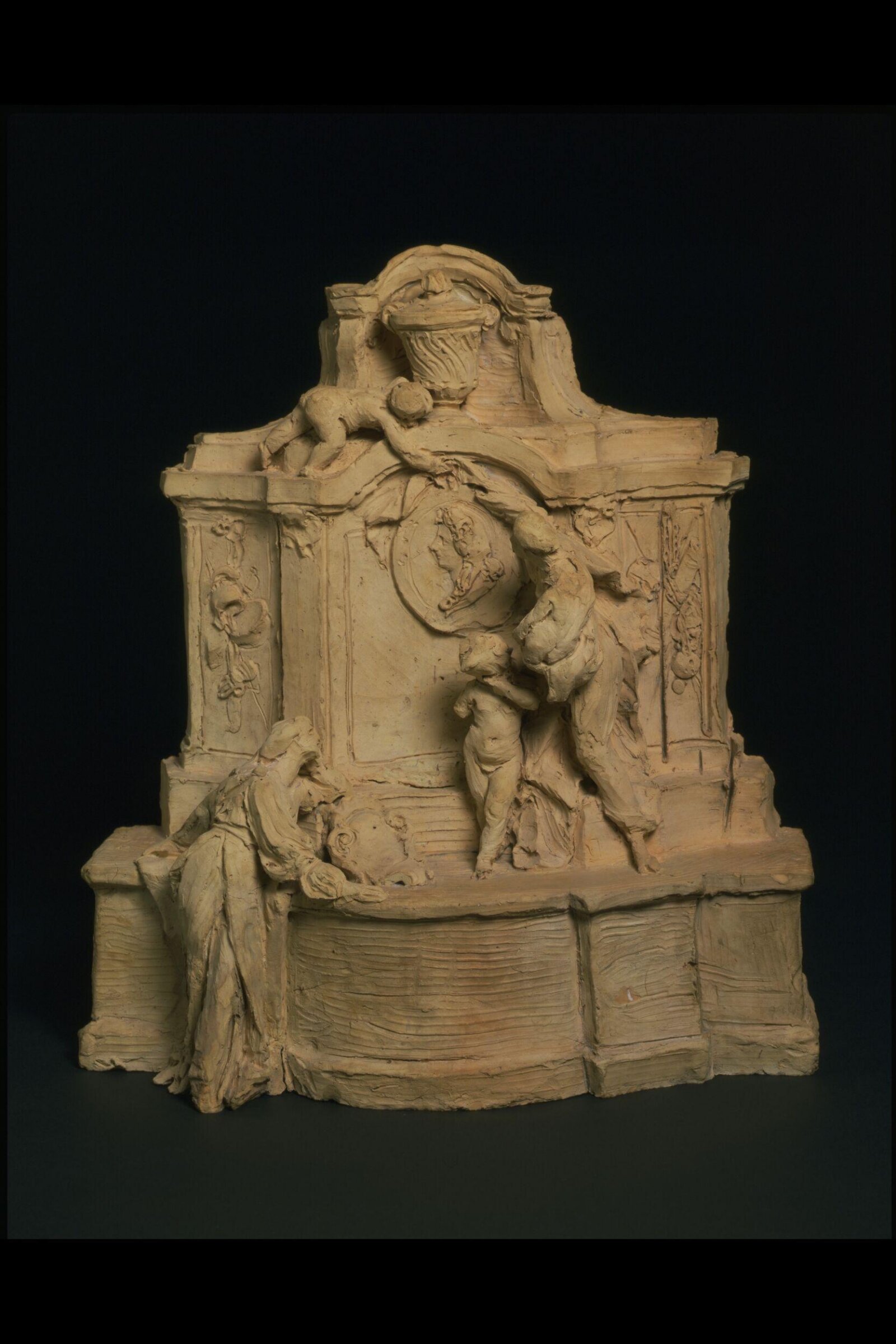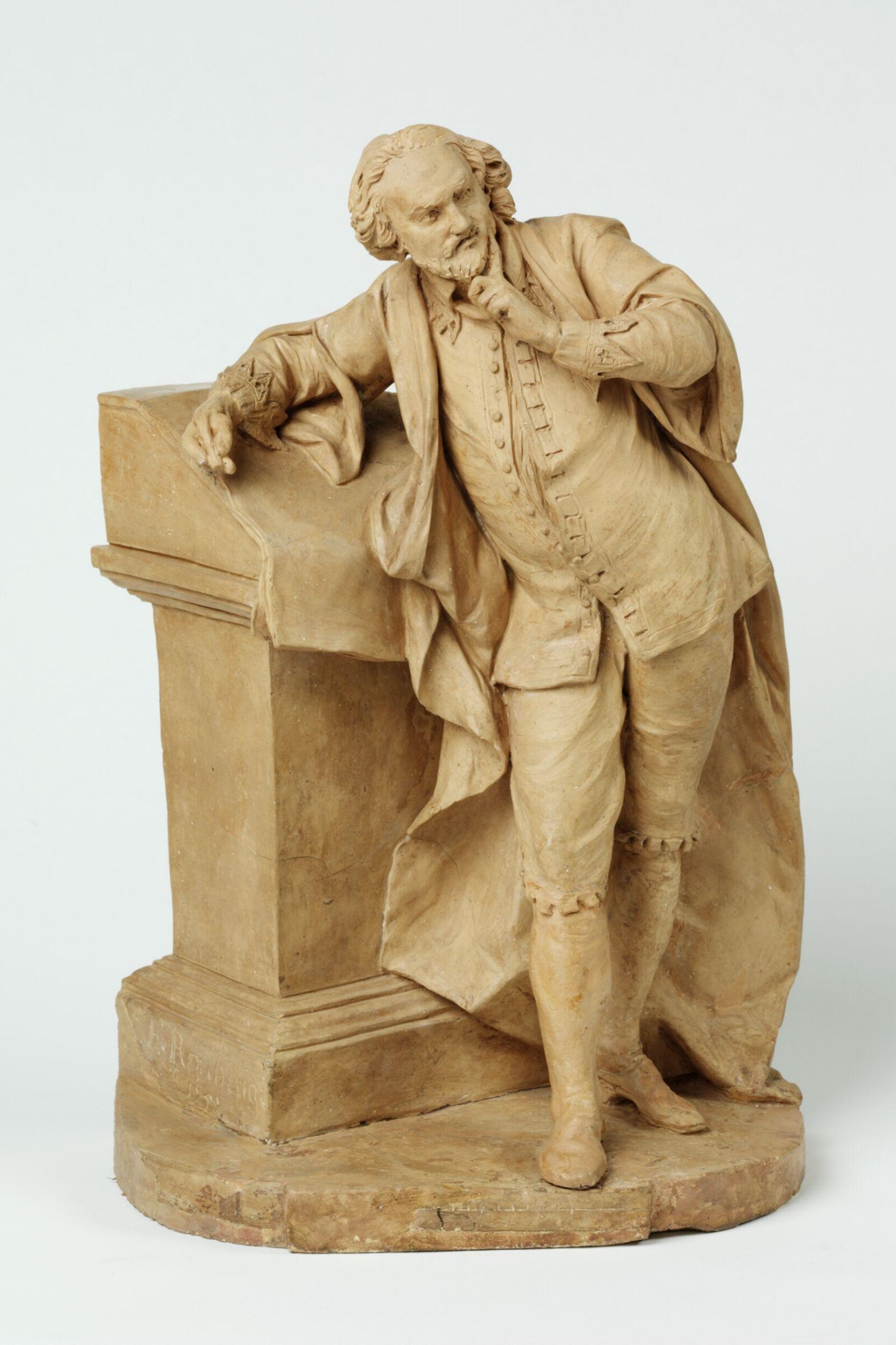
 Louis François Roubiliacフランス, 1695–1762
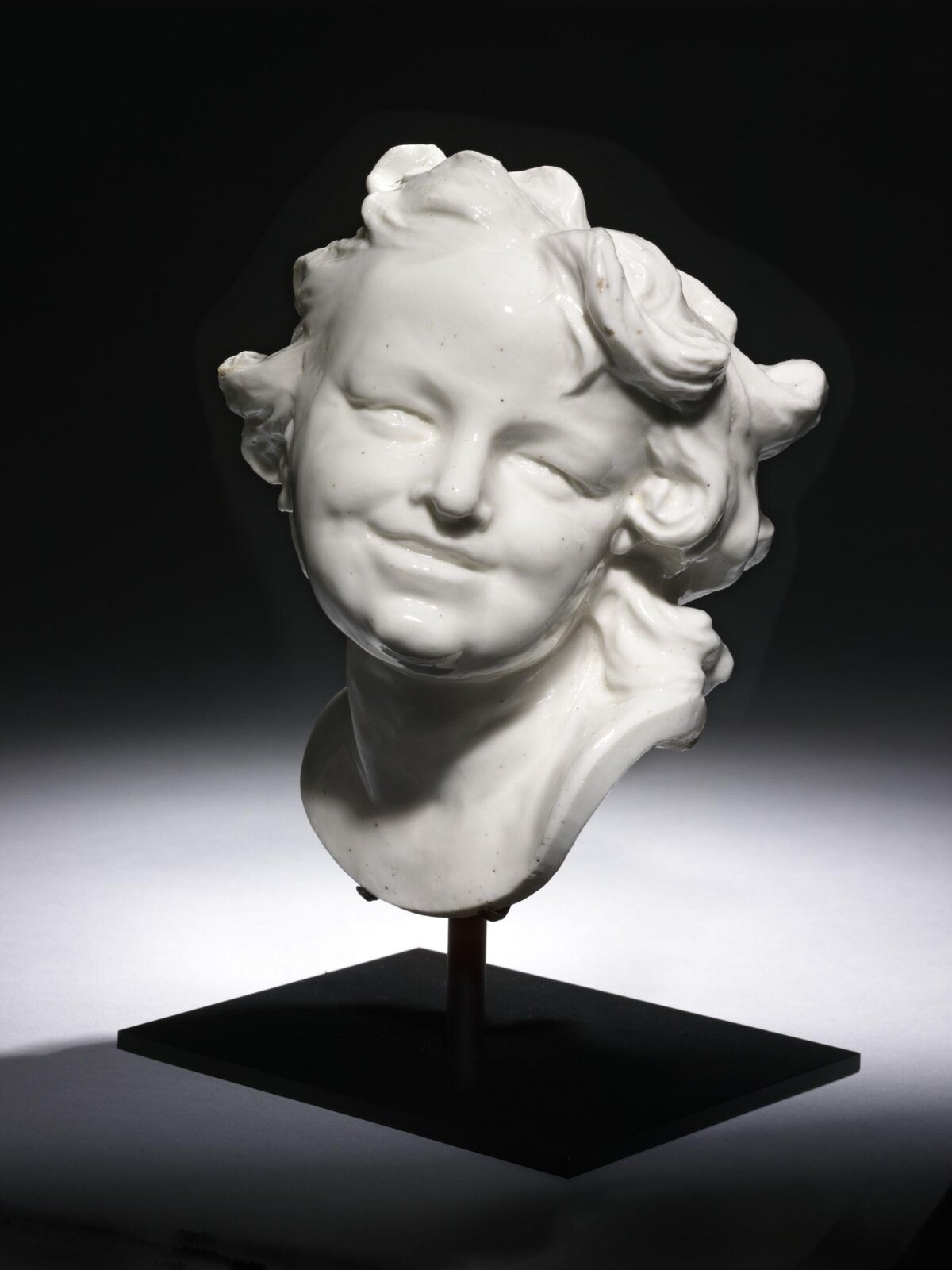
Head
見られますか?
はい、現在展示中
『Head』は今どこに? ヴィクトリア&アルバート博物館, British Galleries, Room 53a, ロンドン. はい、現在展示中. 確認 2026年9月25日.

閉館· 10:00に開館
一般公開されています。
- 確認
- この状態になった日
- 出典
- 美術館
この彫刻について
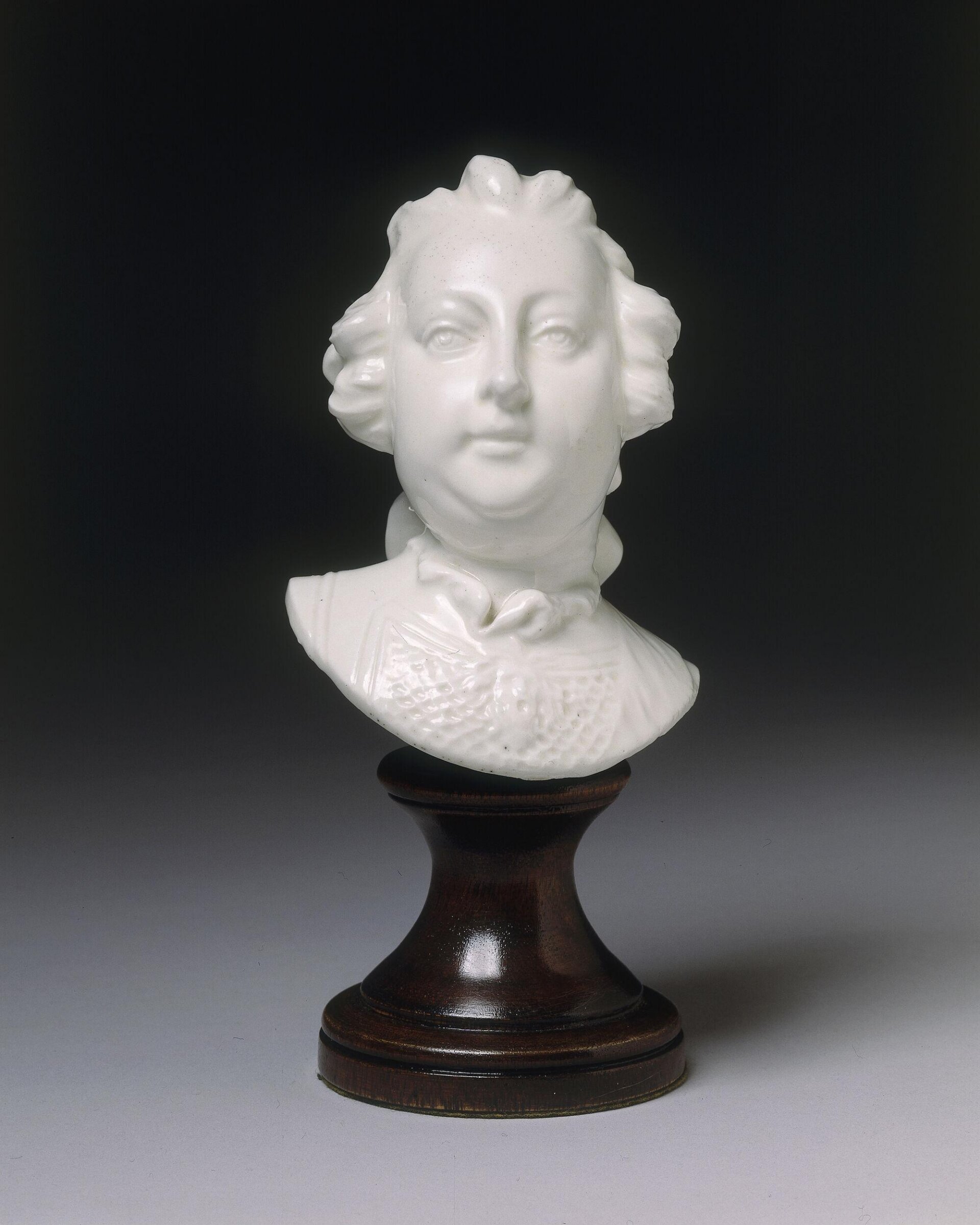
The Head of a Laughing Child is one of the most fluently modelled and aesthetically pleasing examples of English sculptural porcelain ever to have been produced, and must be considered of national importance. Made during the early years of the Chelsea porcelain factory, it is a testament to the artistic quality and sculptural ambition expressed in the early days of this brand-new material. It is on a par with the best work made at Meissen at that time.
The Head can be firmly attributed to the Chelsea porcelain factory on the basis of its material. The glassy body and glaze, without added tin-oxide, as well as the surface pitting, are typical for the early, experimental period at Chelsea. This experimental period and this early soft-paste porcelain are often referred to as triangle period and triangle paste, named after the earliest mark used by the Chelsea porcelain factory.
続きを読む
The secure, detailed and vivid modelling and the fact that there is no direct sculptural source for the Laughing Child, indicate that it was specifically modelled to be produced in Chelsea porcelain and Louis-François Roubiliac is the obvious candidate for the attribution of this work. He would have modelled the head directly in clay, and the resulting model was then used to create the plaster moulds which could be used to make multiple copies in porcelain. The subject is elusively enigmatic: does it represent a boy or a girl, or possibly an angel? Is it a portrait or an ideal head? It has Italianate qualities, and is reminiscent of the work of Gian Lorenzo Bernini (1598-1680), as well as recalling French and even Dresden sculpture. Roubiliac’s roots and training on the Continent, in both France and Dresden, as well as his knowledge of Roman baroque sculpture, mean that he is the most probable author.
ヴィクトリア&アルバート博物館
作品データ
- 収蔵番号
- C.37-2019
カタログ収録
出典
- ヴィクトリア&アルバート博物館
- 画像: ヴィクトリア&アルバート博物館 — © Victoria and Albert Museum, London