Utagawa Kuniyoshi日本, 1797–1861
Funya no Asayasu
お目にかかれますか?
不明

アムステルダム, オランダ
所蔵者は判明していますが、現在展示中かどうかは不明です。
- 出典
- 美術館
作品について
美術館の言葉で — オランダ語
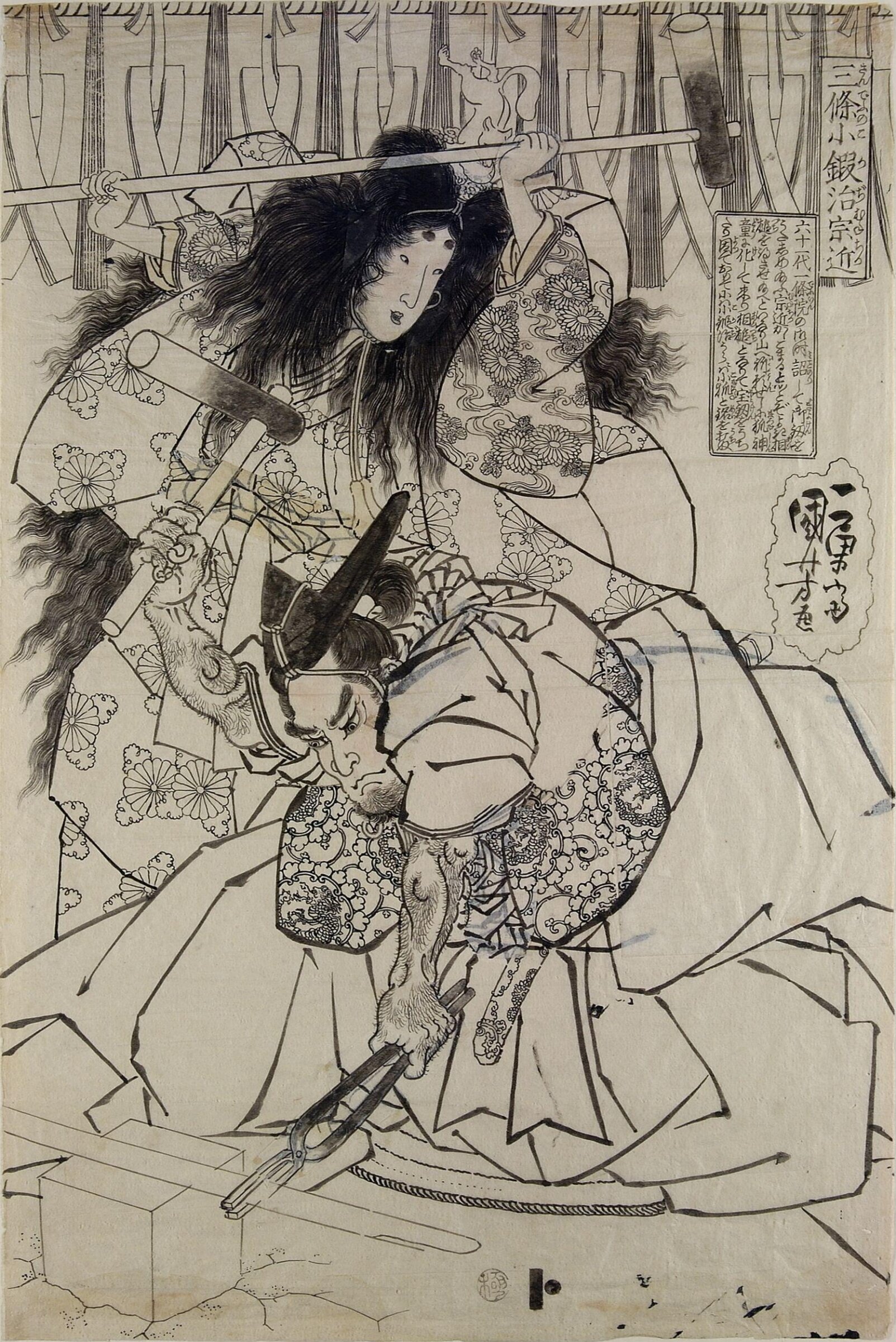
Tamamo no Mae, de zeer intelligente en mooie concubine van keizer Toba. Op de achtergrond twee buigende hofdames met zwaarden Tamamo no Mae was in werkelijkheid een magische vos, die in Japanse legendes bekend staat als gedaanteverwisselaar. Scene uit een kabukitoneelstuk. Gedicht door Funya no Asayasu.
アムステルダム国立美術館
作品データ
- 収蔵番号
- RP-P-2016-1-21
描かれているもの
カタログ収録
出典
- アムステルダム国立美術館
- 画像: アムステルダム国立美術館 — public domain
その頃、Utagawa Kuniyoshiの人生では
生涯をすべて見る1841–1843
Tenpo Reforms: actors and courtesans banned
The Tenpo Reforms, meant to ease an economic crisis, curb displays of luxury and officially ban the depiction of courtesans and actors. Kuniyoshi answers with caricature prints and comic pictures (giga) that disguise real actors and courtesans; many allegorically criticize the shogunate — for example a 1843 design of Minamoto no Yorimitsu asleep, haunted by the Earth Spider and his demons — and become popular among a politically dissatisfied public.
by 1842
Joins the top three ukiyo-e masters
By 1842 he holds an honored place among the ukiyo-e masters, counted among its three best artists alongside Utagawa Hiroshige and Utagawa Kunisada.
1842
The cat series and prints for housewives
After the ban on theater scenes, actors, geisha and courtesans he makes his “cat” series, prints from an educational series for housewives and children, and portrays national heroes in the series “Tradition, Morality and Decorum”.
1842
Daughter born: Utagawa Yoshi-jo
1843
A warning from the authorities and destroyed blocks
The authorities warn him for making caricatures of the shogun and his chief minister, and his printing blocks are confiscated and destroyed.