 Chuck Closeアメリカ合衆国, 1940–2021
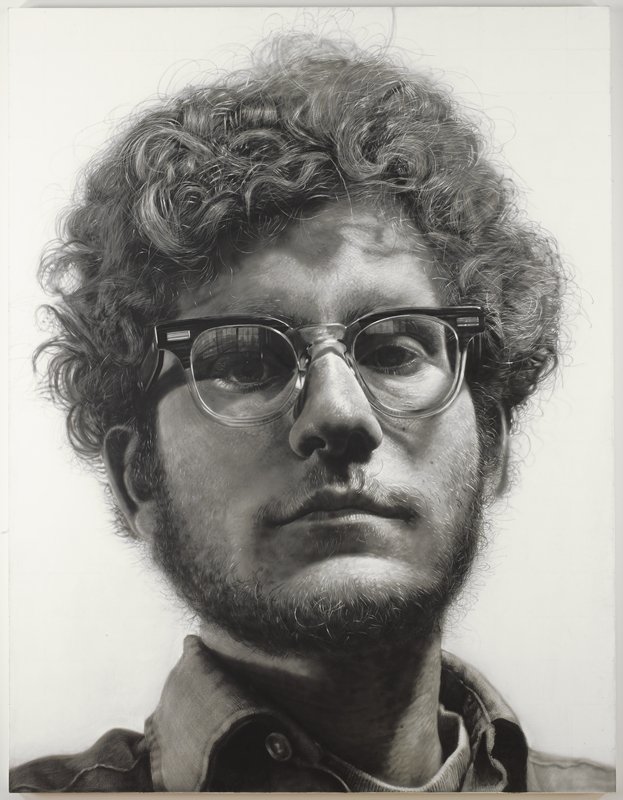
Frank
見られますか?
現在は展示されていません
『Frank』は今どこに? 所蔵: ミネアポリス美術館, ミネアポリス. 現在は展示されていません. 確認 2026年11月16日.

ミネアポリス, アメリカ合衆国
コレクションに属していますが、現在は展示されていません。
- 確認
- この状態になった日
- 出典
- 美術館
この絵画について
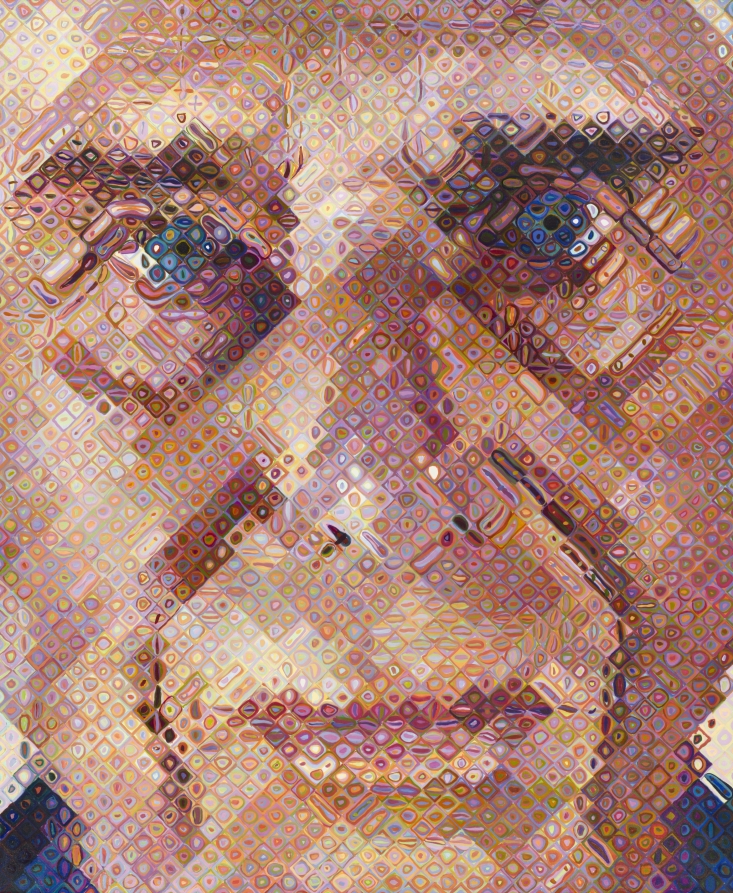
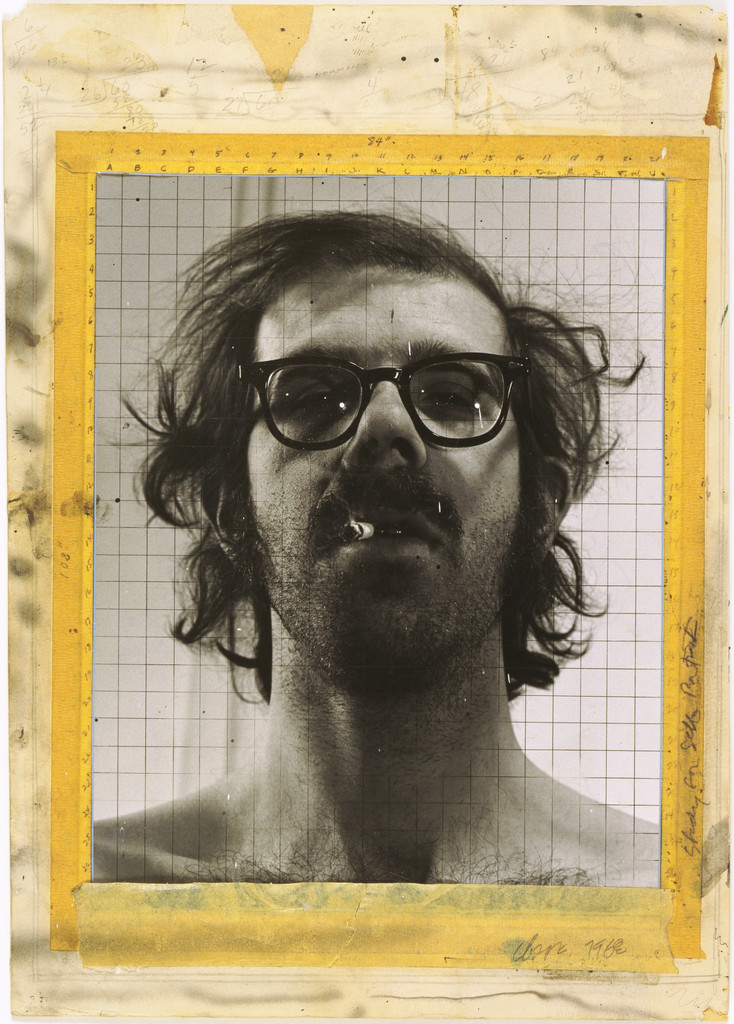
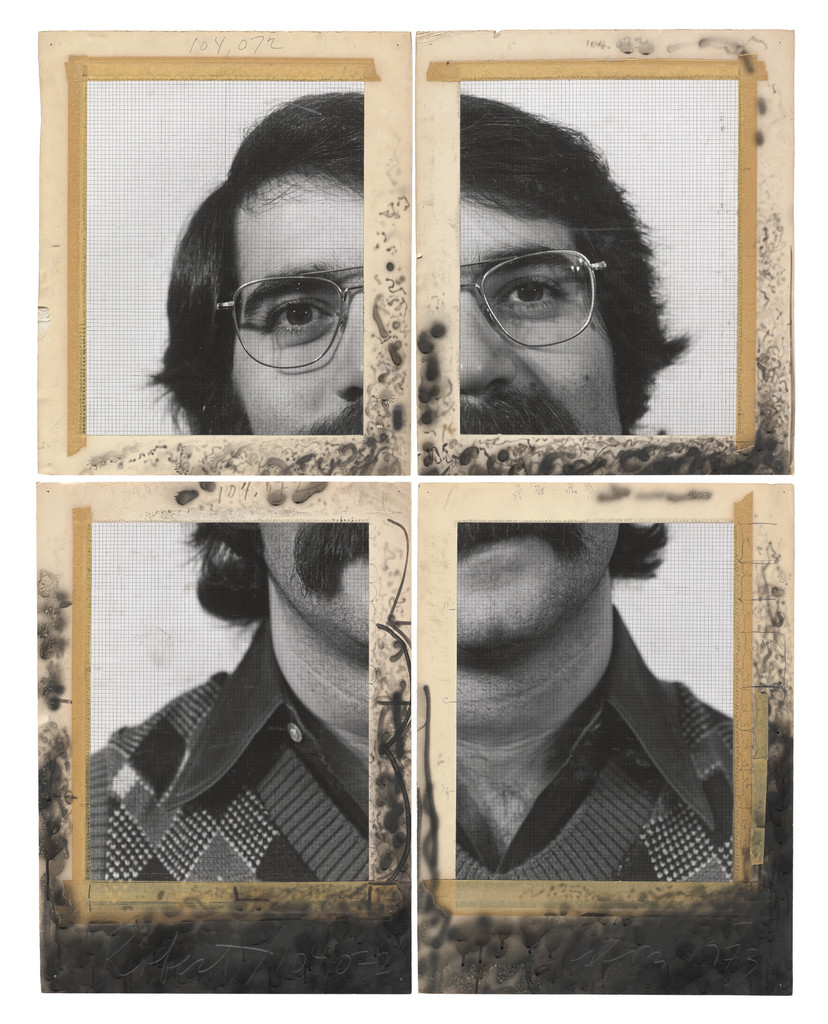
チャック・クロースは1969年、写真をもとに《フランク》を描いた。拡大された肖像はミネアポリス美術館にある。元になったのは、実際のモデルではなく、8×10インチの写真プリントだった。クロースは像を拡大して格子をかぶせ、各区画をカンヴァスに移し、一つの区画ずつ丁寧に仕上げた。この方法は写真の無個性な細部を保ちながら、巨大な人間の頭をつくる。その大きさは、鑑賞者に部分ごとに見ることを促す。毛穴や毛は、白、灰、黒の抽象的な配置にもなりうる。
美術館の言葉で
The model for this painting was not Frank himself but rather an 8-by-10-inch photograph of him. Since the late 1960s, Chuck Close’s method has been to start with a photographic print that he enlarges and overlays with a grid. He then systematically transposes each gridded block directly onto the canvas or paper, meticulously refining and finishing the image. The result is a technically masterful and ironically monumental portrait. By his painstaking technique, he preserves the objectivity of photography. A work of such grand scope—typical of American painting after 1950—is unsettling, particularly when it features a colossal human head. “The large scale, ” Close said, “forces the viewer to read the surface of the painting differently . . . [to] look at it piece by piece.” The details, then, can be perceived either as facial pores and hairs or as an abstract pattern of black, gray, and white.
ミネアポリス美術館
作品データ
- 収蔵番号
- 69.137
カタログ収録
出典
- ミネアポリス美術館
- 画像: ミネアポリス美術館 — © Chuck Close, courtesy PaceWildenstein, New York
その頃、Chuck Closeの人生では
生涯をすべて見る1967
Gives up the brush to force a breakthrough
In 1967 he chooses to make art hard for himself and force a personal artistic breakthrough by abandoning the paintbrush; as he later explains, he chose to do things he had no facility with, because a limit imposed on what you have done before pushes you somewhere you have never gone.
1967
His first solo show is closed by the university over nudity
Close’s first solo exhibition, at the University of Massachusetts Art Gallery in Amherst, with paintings, painted reliefs and drawings based on photographs of record covers and magazine illustrations, is promptly closed by the university administration, which cites the male nudity as obscene. The ACLU and the AAUP come to his defence and a landmark court case ensues; a Massachusetts Supreme Court justice decides in the artist’s favour, but when the university appeals Close chooses not to return to Boston, and an appeals court ultimately overturns the decision (the university will award him an honorary doctorate of the arts in 1995).
1967
Moves to New York and settles in SoHo
In 1967 Close moves to New York City and establishes himself in SoHo.
1969
The Walker Art Center buys “Big Self-Portrait”
The Walker Art Center, then directed by Martin Friedman, buys Big Self-Portrait, the first painting Close ever sells; he credits the purchase with launching his career.
1970
His first solo show in New York
Close’s first one-man show in New York City is held at the Bykert Gallery.