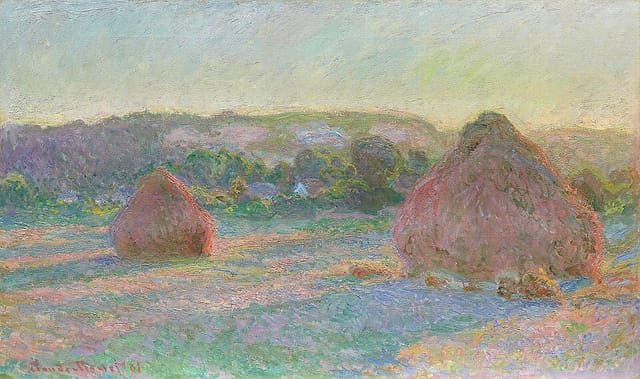
Max Ernstフランス, 1891–1976
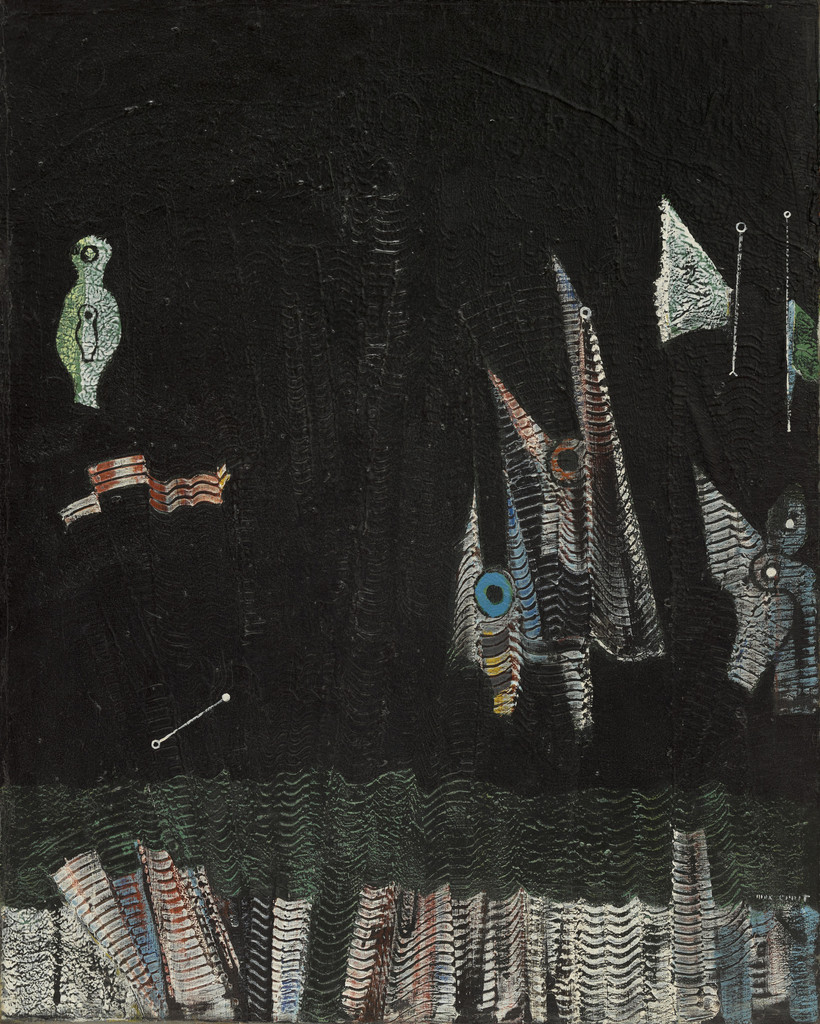
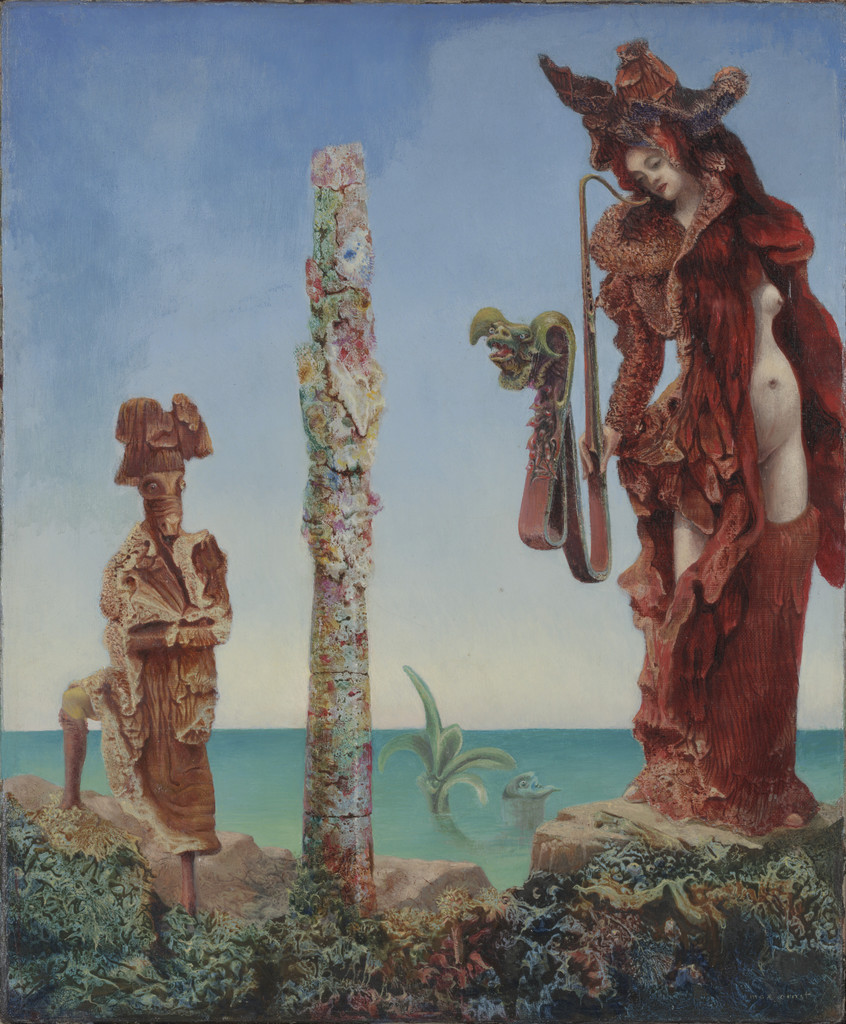
Forest and Sun
お目にかかれますか?
はい、お客様をお迎えしています

シカゴ美術館
展示室展示室 396シカゴ, アメリカ合衆国
一般公開されています。裏付けとなる出典は下に記しています。
- 確認
- 昨日
- この状態になった日
- 2026年9月28日
- 出典
- 美術館自身の所蔵データ
作品データ
- 収蔵番号
- 2007.276
What it shows
出入りの記録
展示中 · 展示室 396
シカゴ美術館 · 2026年9月28日 — 現在 · 確認済み
展示中 · 展示室 395
シカゴ美術館 · 2026年8月19日 — 2026年9月28日 · 確認済み
出典
- シカゴ美術館: the museum's own open data · 5 日前に取得
- 画像: シカゴ美術館 — © the artist or rights holder
その頃、Max Ernstの人生では
生涯をすべて見る1925
A contract with Jacques Viot and a studio in Montmartre
Back in Paris Ernst signed a contract with Jacques Viot that let him paint full-time, and in 1925 he took a studio at 22 rue Tourlaque in Montmartre. The contract ended in June with Viot’s mysterious disappearance.
1926
“Histoire naturelle”: a portfolio of frottages
At Jeanne Bucher’s press Ernst published Histoire naturelle, a portfolio of drawings in the frottage technique, with an introduction by Hans Arp.
1926
The first large show at Galerie van Leer
In 1926 the Paris gallery van Leer held Ernst’s first large exhibition; in place of a preface the catalogue printed poems by Paul Éluard, Benjamin Péret and Robert Desnos.
1926
Diaghilev’s ballet and Breton’s scandal
In 1926 Ernst and Joan Miró designed Romeo and Juliet for Sergei Diaghilev’s company; Breton, indignant at the work with the Ballets Russes, made a scandal at the premiere, and in La Révolution surréaliste he and Aragon accused Ernst and Miró of belittling the idea of surrealism. The next issue, however, carried two of Ernst’s works with an apologia by Éluard.
1927
Married: Marie-Berthe Aurenche
1929
The collage novel “La Femme 100 têtes”
In 1929 appeared the graphic novel La Femme 100 têtes, some 150 drawings with the artist’s text and an address to the reader by André Breton. One of its characters was Loplop, the chief of the birds, who appeared in Ernst’s work again and again.