Paul Kleeドイツ, 1879–1940
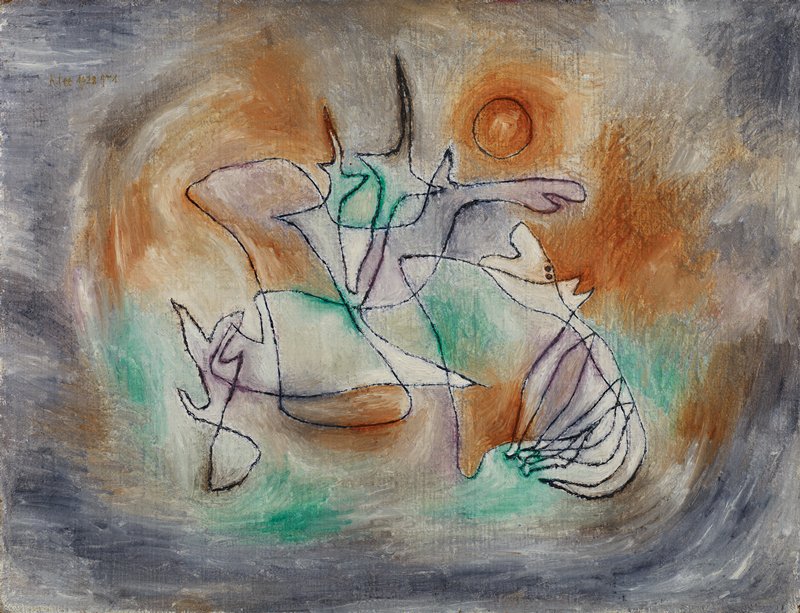
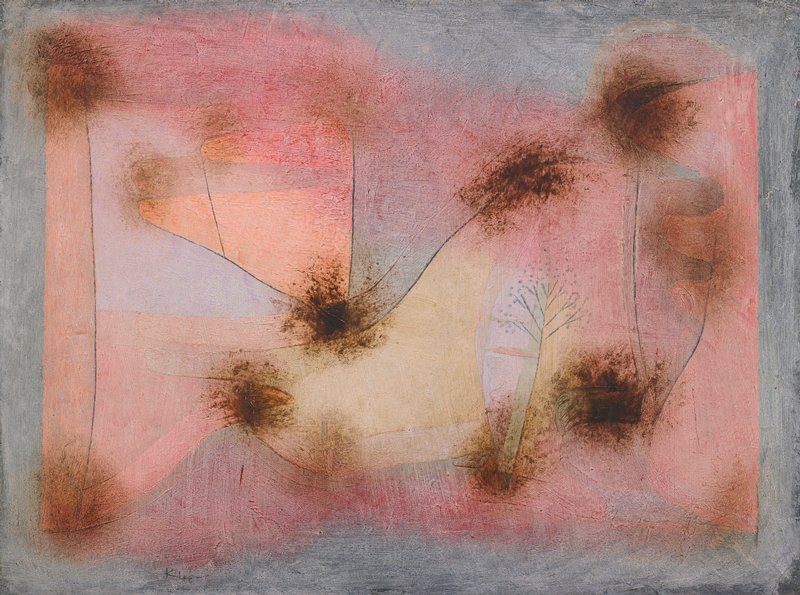
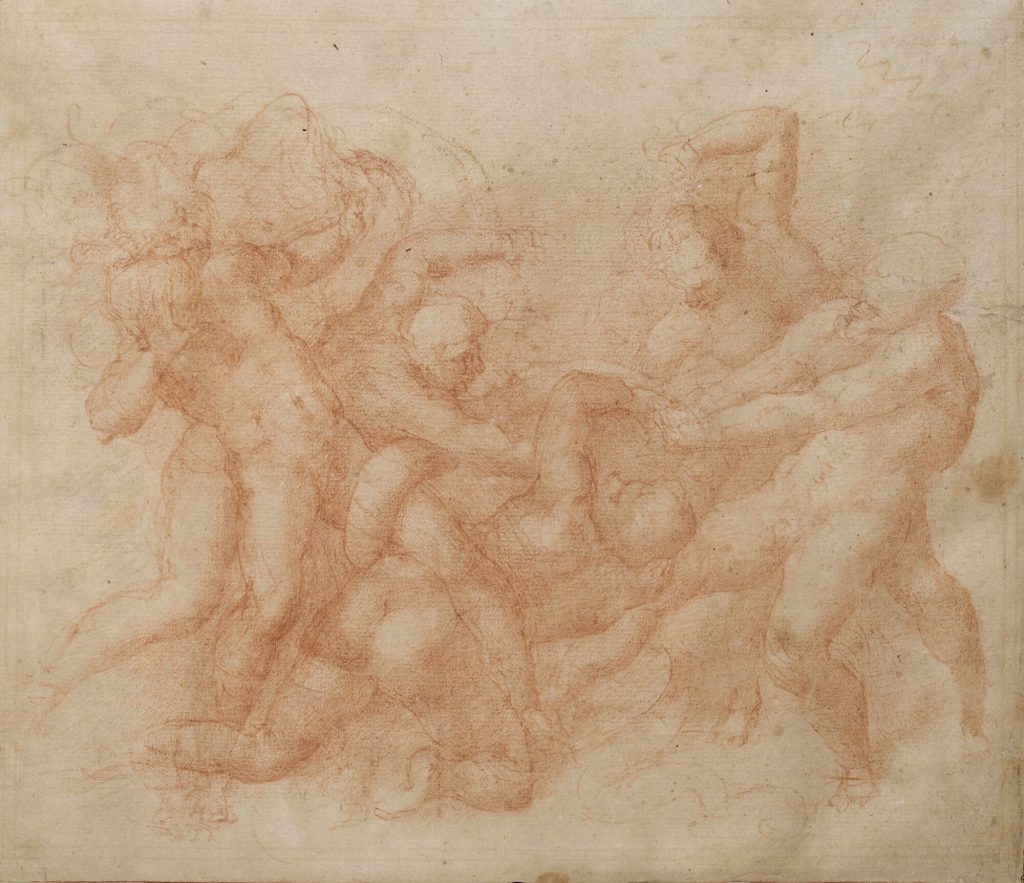
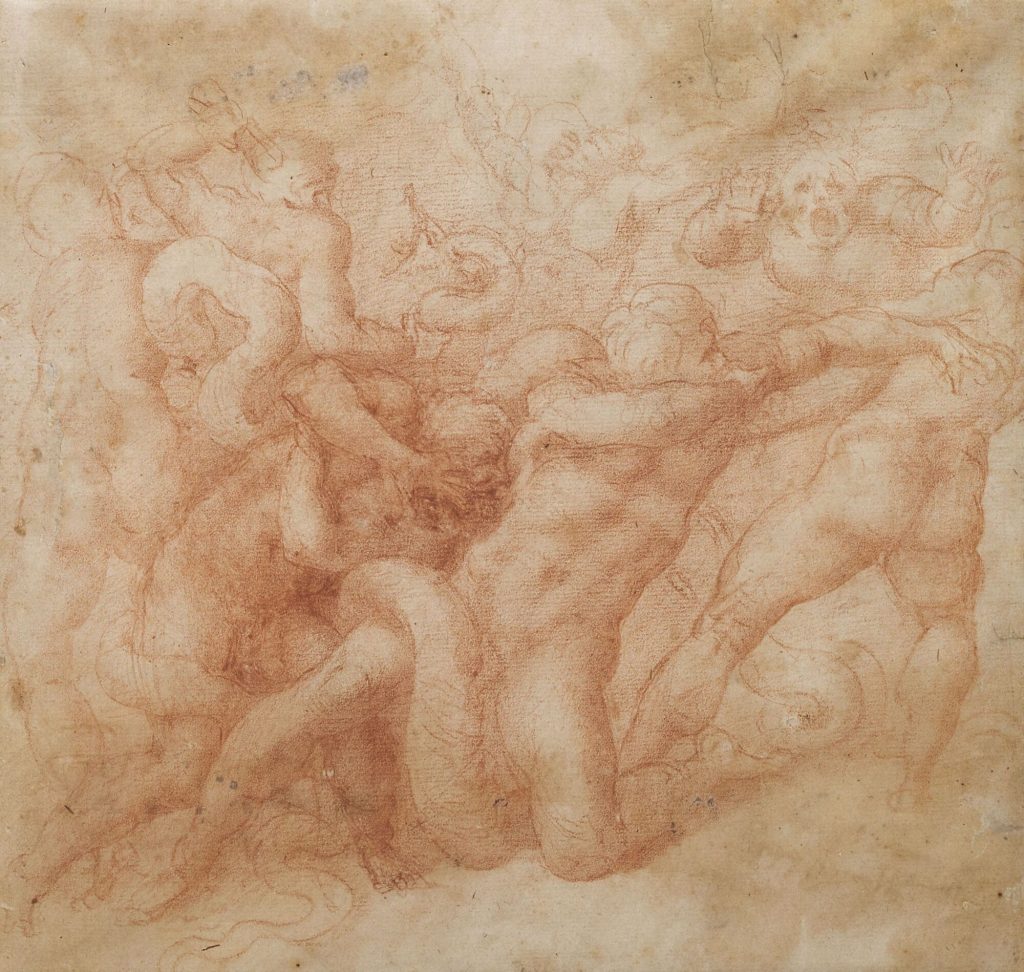
Fest der Jünglinge
お目にかかれますか?
不明

デュッセルドルフ, ドイツ
所蔵者は判明していますが、現在展示中かどうかは不明です。
- この状態になった日
- 出典
- 美術館
作品データ
カタログ収録
出典
- デュッセルドルフ美術館
- 画像: デュッセルドルフ美術館 — In Copyright
その頃、Paul Kleeの人生では
生涯をすべて見る1921–1931
The preliminary course on the “theory of form”
Klee developed a preliminary course in the “theory of form” that began with the “point as the beginning of all beginnings”, moving through space, and the “cosmic egg” from which line, spiral, square, circle and cube are born. Students listened to lectures illustrated with Klee’s own abstract watercolours and then painted their own, trying to express movement, balance, flight and tension.
1928–1929
A journey to Egypt
Egypt impressed Klee less than Tunisia, yet in the desert he felt an almost mystical bond with the land: he was drawn to the proportions of the ancient funerary monuments and to the esoteric numerology by which they were built. His later “Ad Parnassum” was influenced by the trip.
1929
The first major monograph on Klee
In 1929 the first major monograph on Klee’s work was published; it was written by Will Grohmann, a confidant of the artist.
1931
Leaving the Bauhaus for the Düsseldorf Academy
Teaching at the Bauhaus shifted ever more from painting towards an architectural aesthetic, which no longer suited Klee: in 1931 he gave up his post there and became a professor at the Düsseldorf Academy of Art.