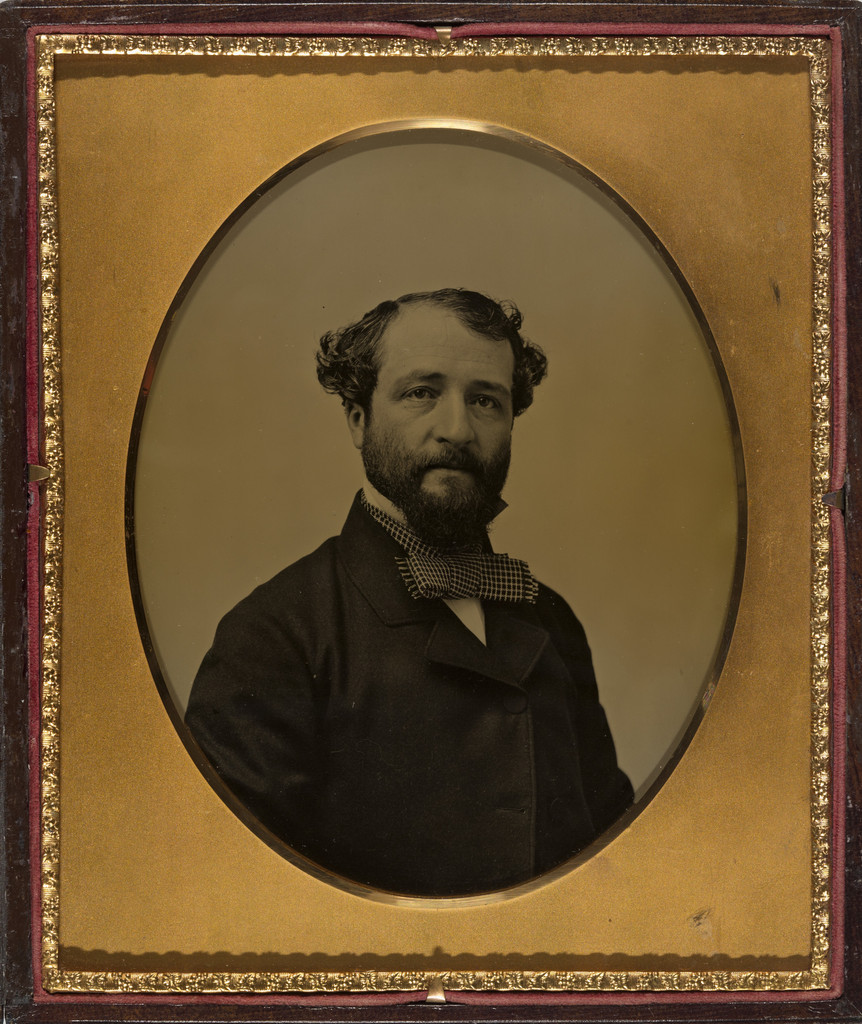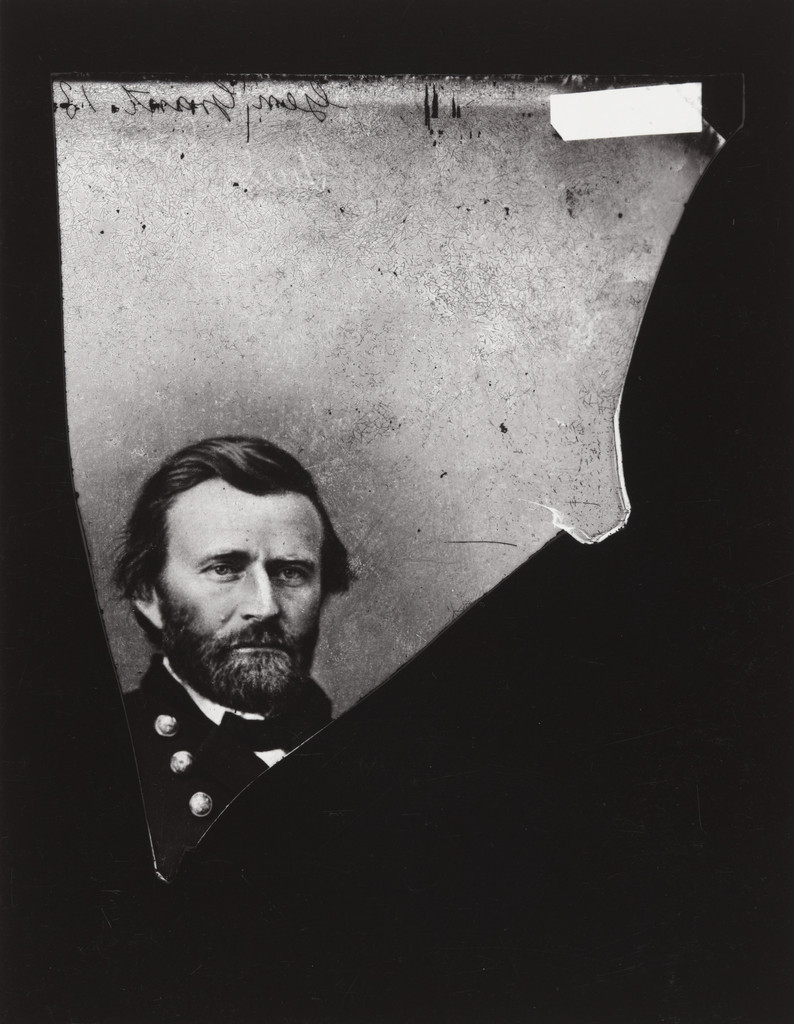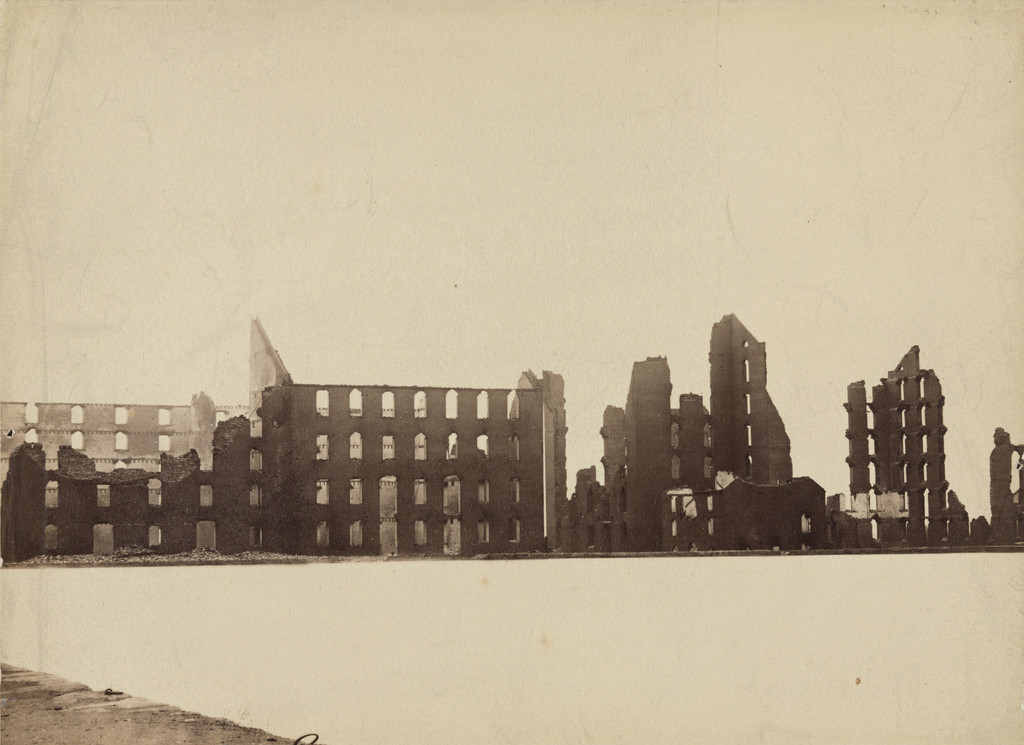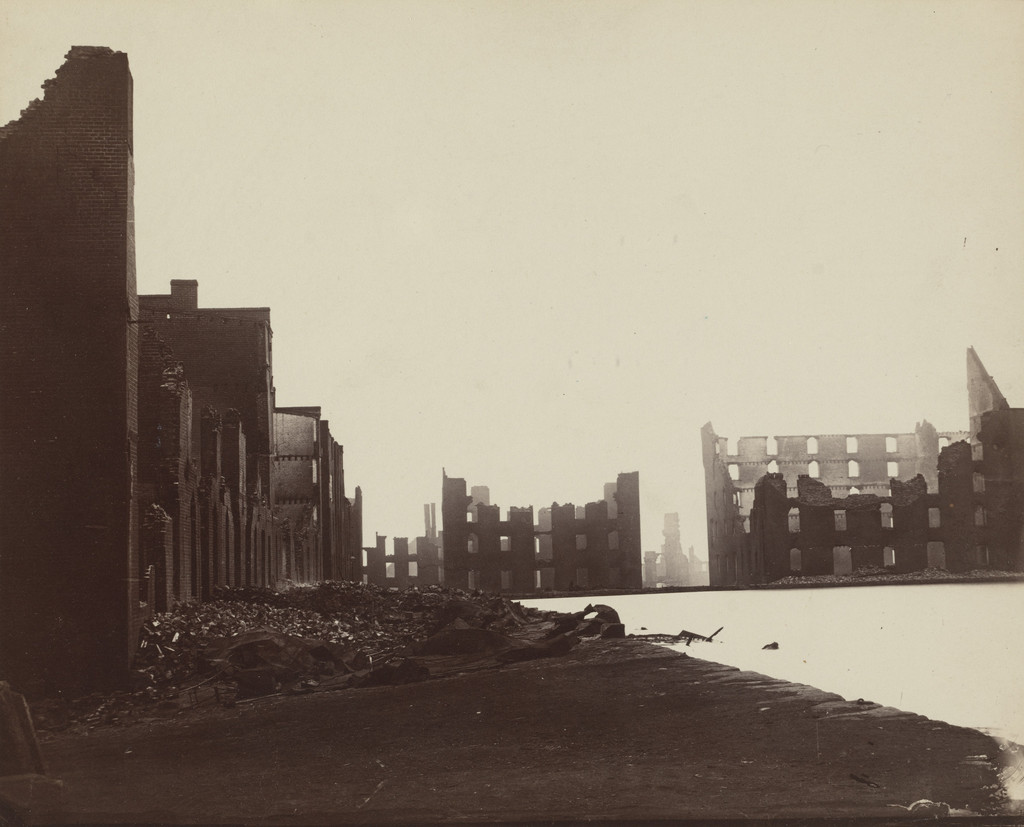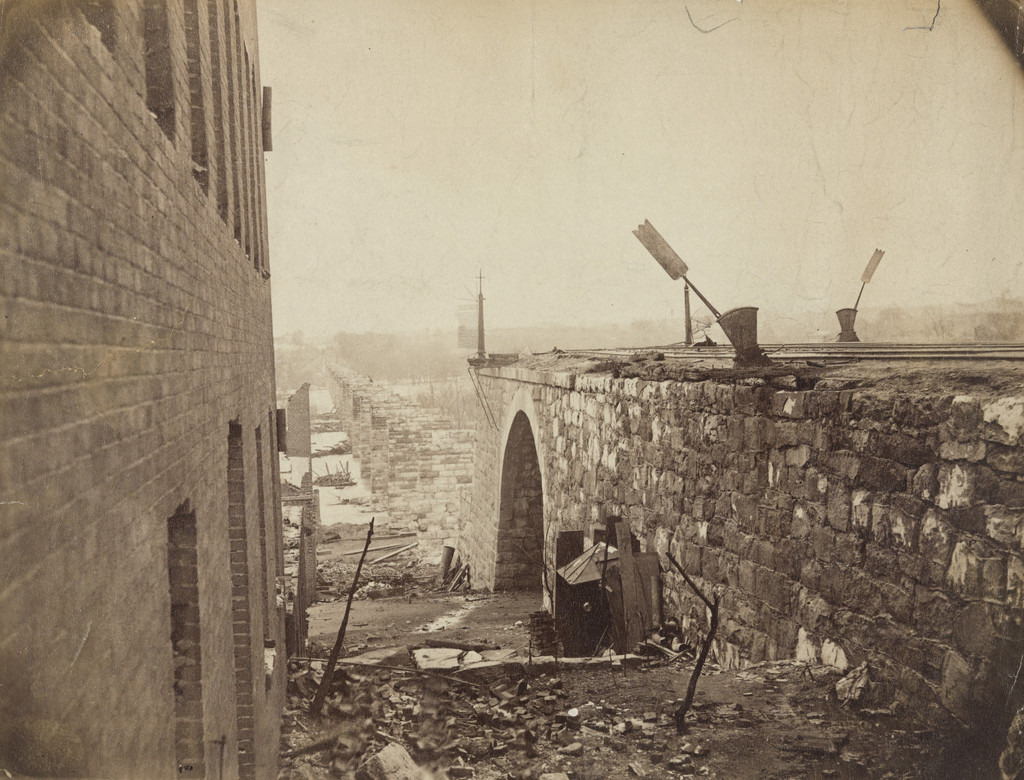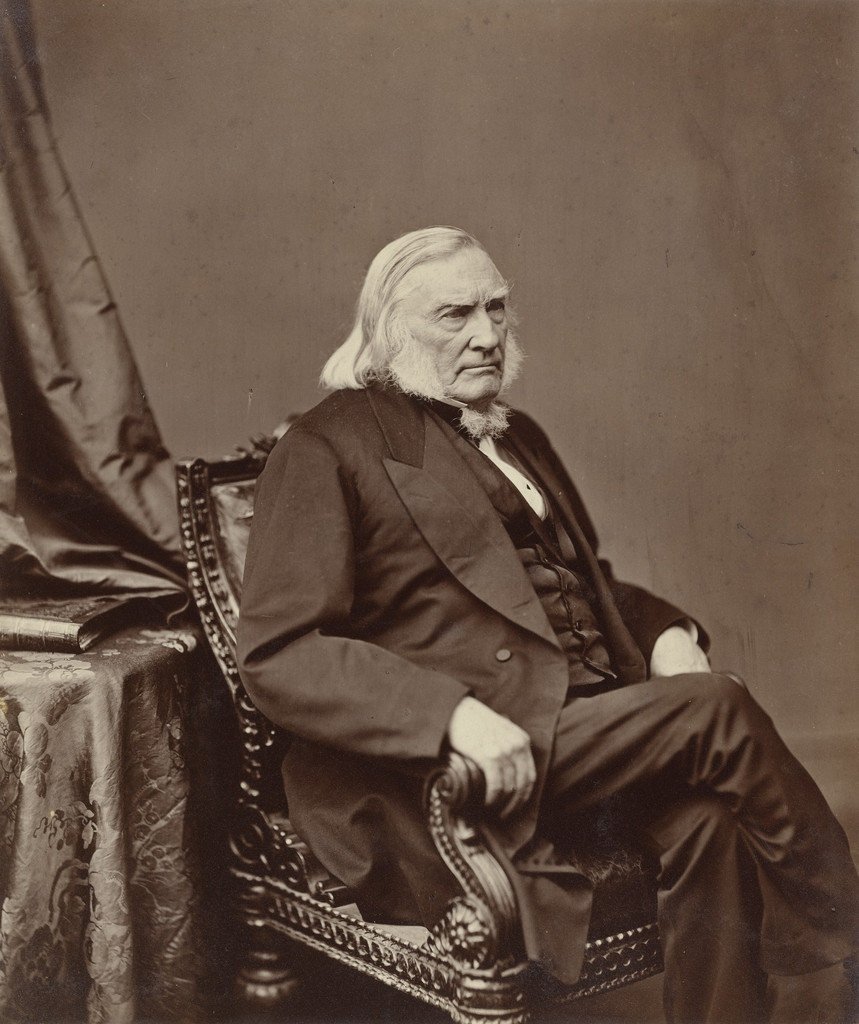
 Mathew B. Bradyアメリカ合衆国, 1823–1896
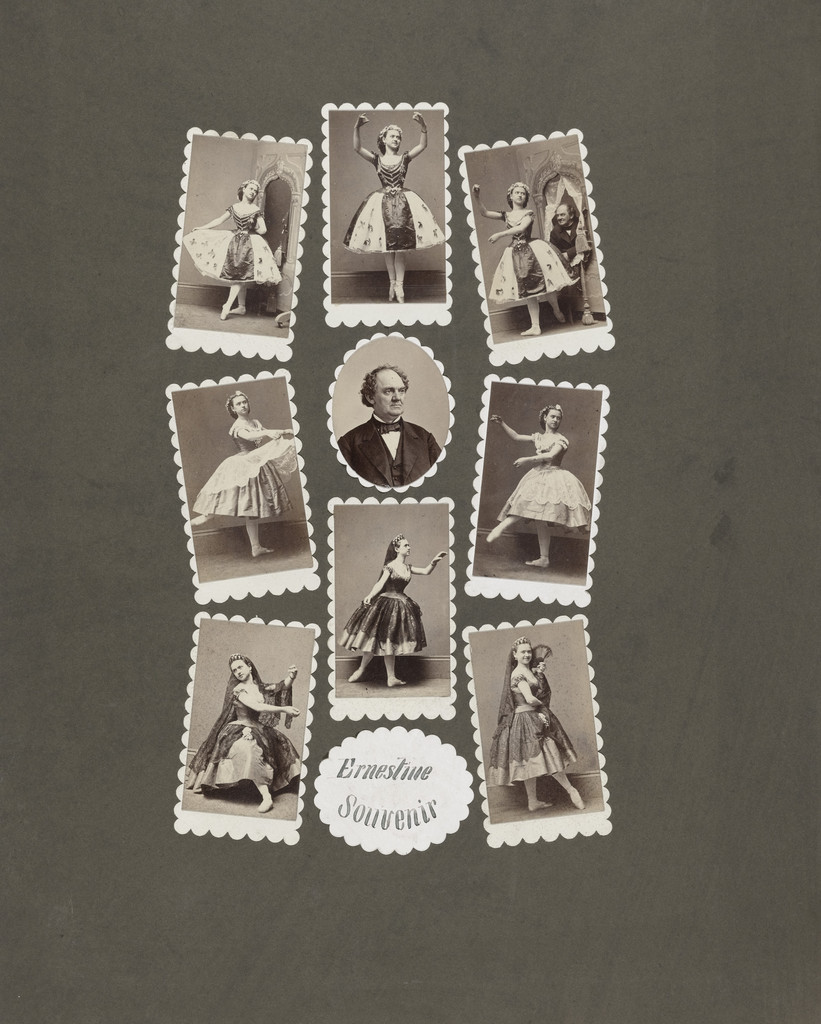
Ernestine Souvenir
お目にかかれますか?
ただいまはお迎えしていません

ニューヨーク, アメリカ合衆国
コレクションに属していますが、現在は展示されていません。
- 確認
- 出典
- 美術館
作品データ
- 収蔵番号
- 418.1988
カタログ収録
出典
- ニューヨーク近代美術館
- 画像: ニューヨーク近代美術館 — © the artist or rights holder
その頃、Mathew B. Bradyの人生では
生涯をすべて見る1850s
His eyesight begins to fail
In the 1850s Brady’s eyesight begins to deteriorate; this may in part explain why he later rarely visited the battlefields himself and why many images in his collection are thought to be the work of his assistants.
1861
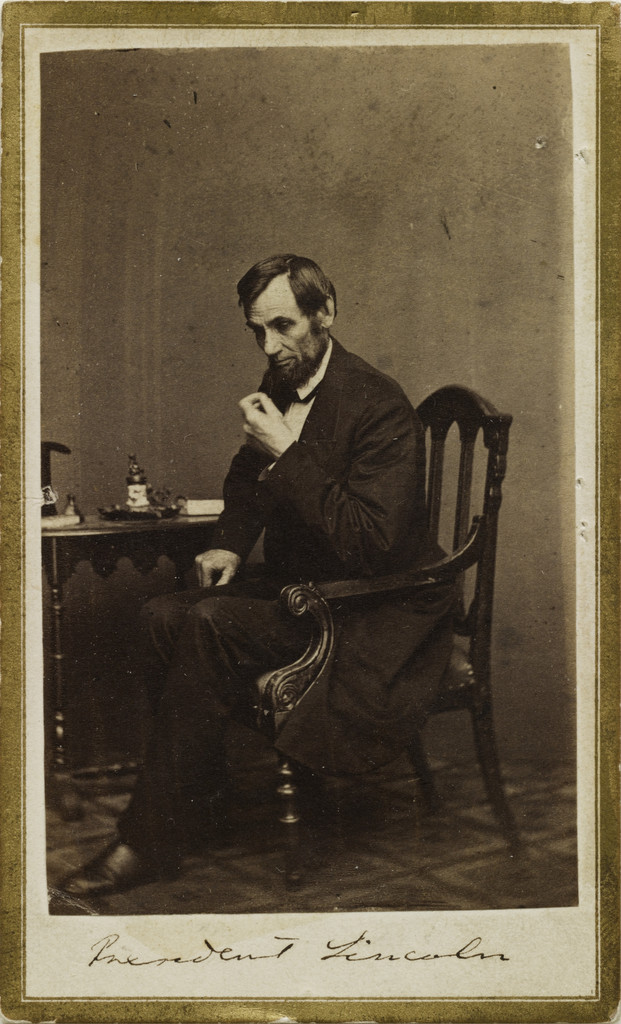
Lincoln permits him to photograph the war
Taken with the idea of documenting the war itself, Brady first asks his old friend General Winfield Scott, and then President Lincoln, for permission to send his photographers to the battle sites; Lincoln agrees in 1861 on condition that Brady finances the project himself. Despite the dangers, the financial risk and his friends’ discouragement, he said he simply had to go.
1861
Under fire at Bull Run
His first popular photographs of the conflict are taken at the First Battle of Bull Run, where he gets so close to the action that he barely avoids capture; later he comes under direct fire at Petersburg and Fredericksburg.
1861
Hires photographers with travelling darkrooms
He employs Alexander Gardner, James Gardner, Timothy H. O’Sullivan, William Pywell, George N. Barnard, Thomas C. Roche and seventeen other men, giving each a travelling darkroom. Brady himself generally resides in Washington, organizing his assistants and rarely visiting the battlefields, so many images in his collection are the work of his assistants.
1861
Offers parents portraits of departing soldiers
When the Civil War begins, sales of cartes de visite to departing soldiers rise briskly; in the New-York Daily Tribune Brady runs an advertisement warning parents that it may soon be too late to capture their sons’ likenesses.
1862
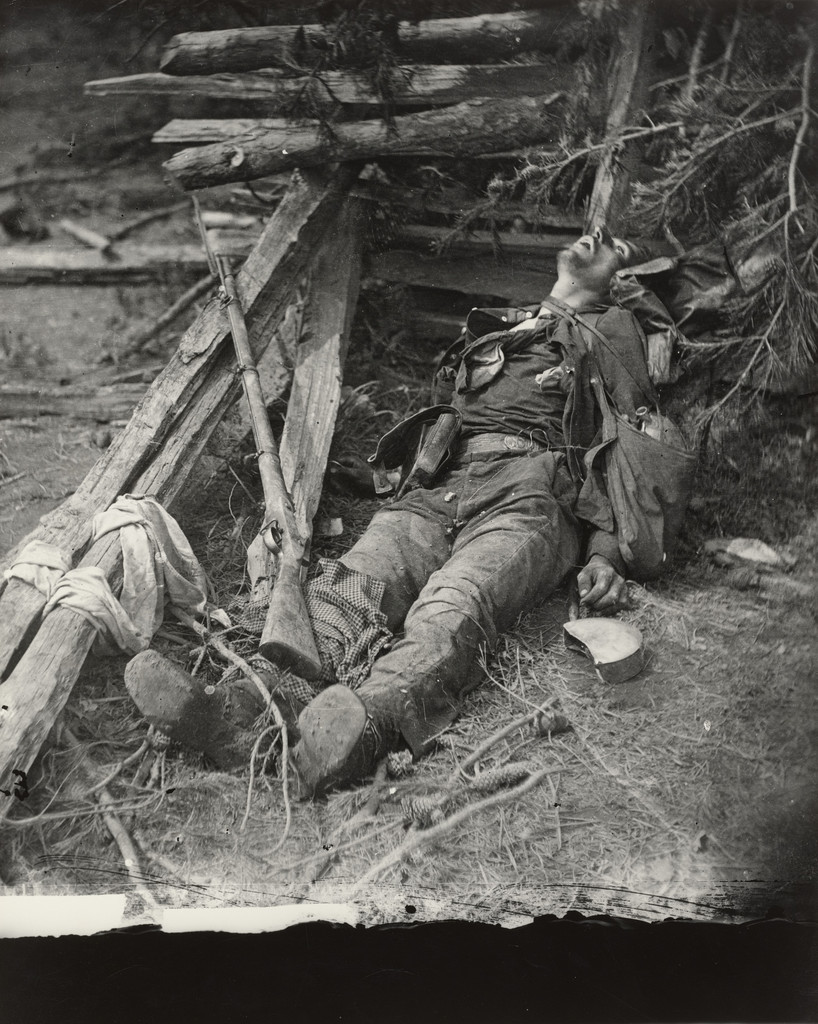
Exhibition “The Dead of Antietam”
He opens, in his New York gallery, an exhibition of photographs of the Battle of Antietam; many of the images show corpses, a presentation new to America — the first time many Americans saw the realities of war in photographs rather than in artists’ impressions.