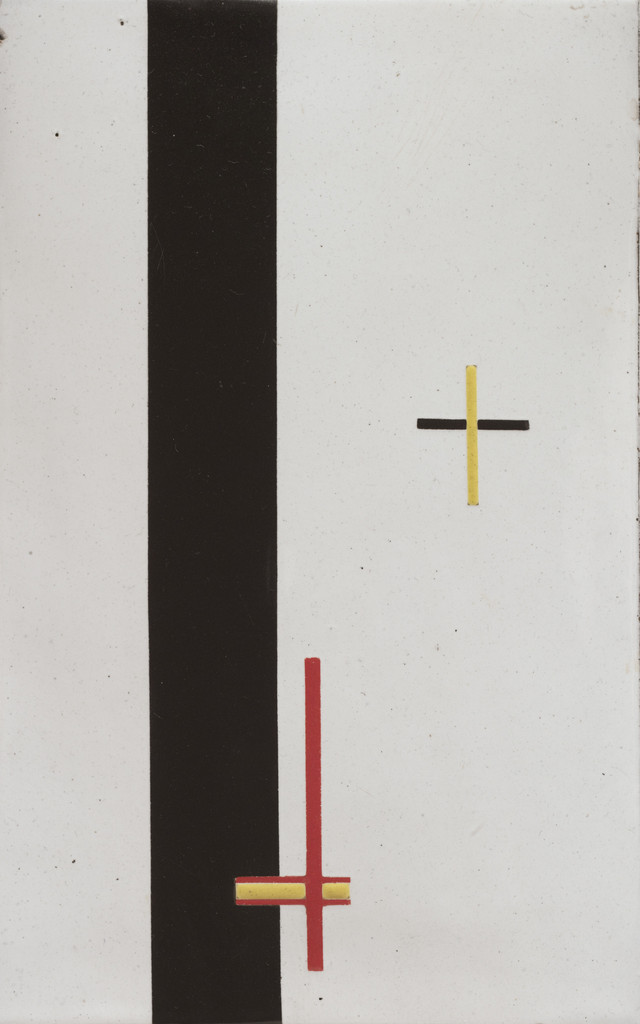
 László Moholy-Nagyアメリカ合衆国, 1895–1946
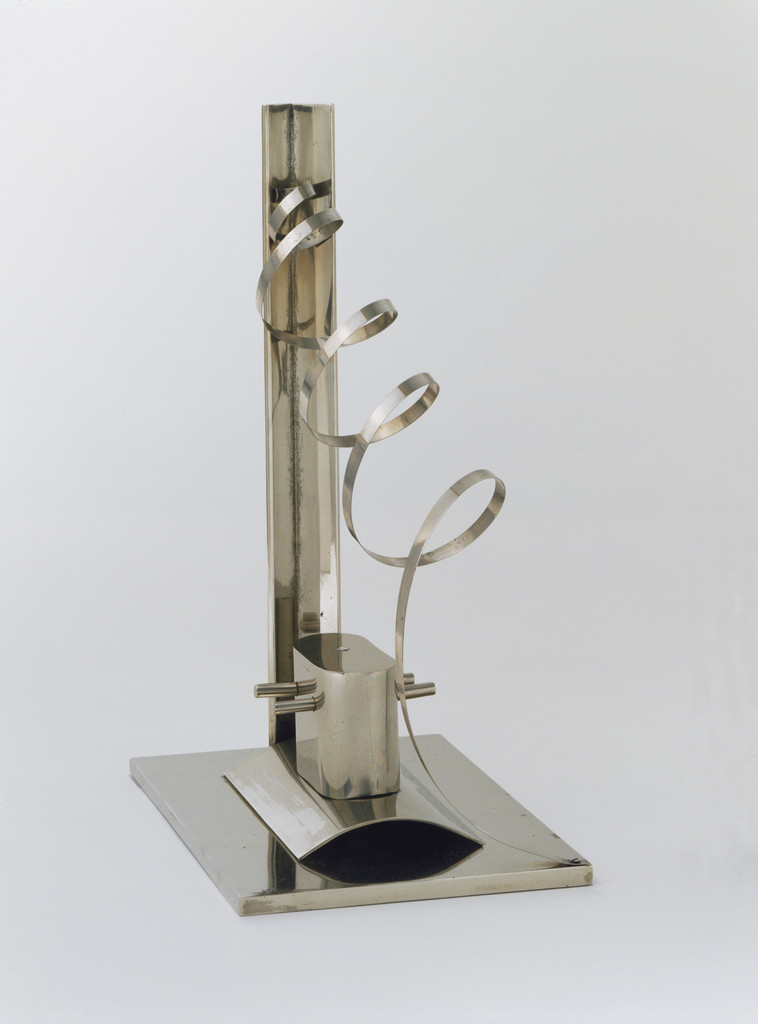
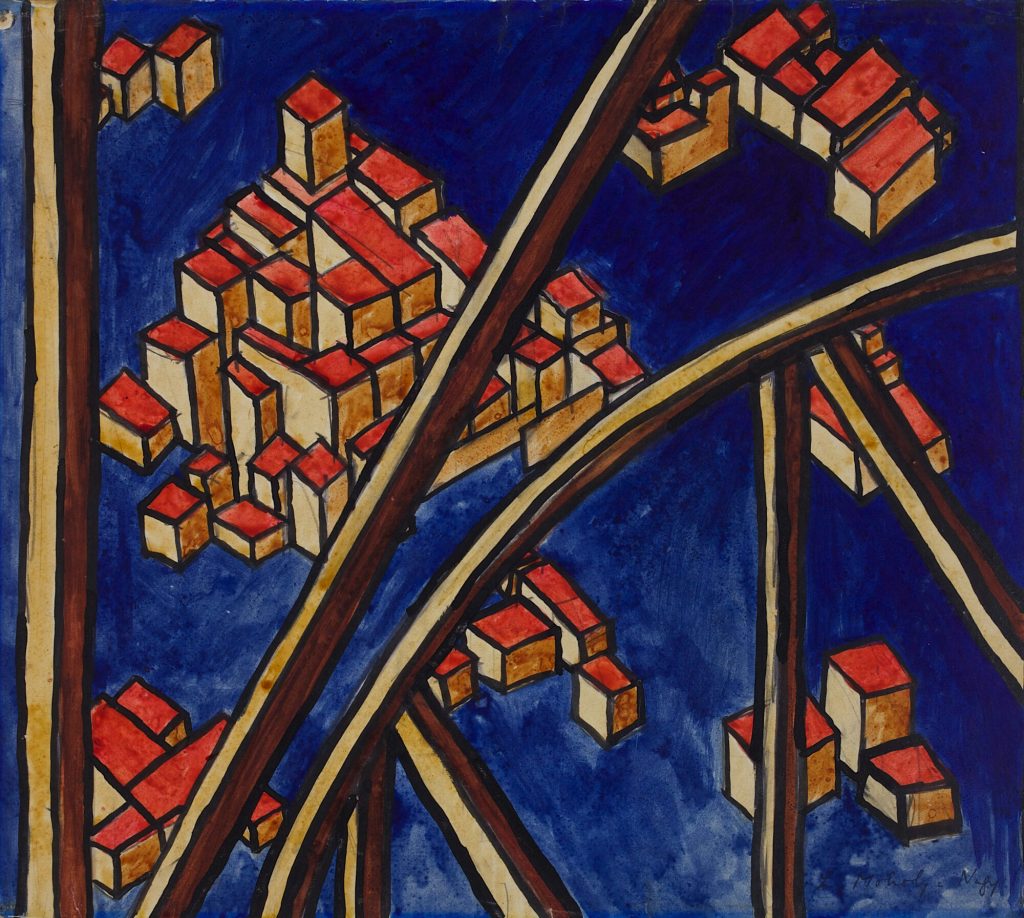
EM 2 (Telephone Picture)
見られますか?
現在は展示されていません
『EM 2 (Telephone Picture)』は今どこに? 所蔵: ニューヨーク近代美術館, ニューヨーク. 現在は展示されていません. 確認 2026年9月22日.

ニューヨーク, アメリカ合衆国
コレクションに属していますが、現在は展示されていません。
- 確認
- 出典
- 美術館
作品データ
- 収蔵番号
- 91.1971
カタログ収録
出典
- ニューヨーク近代美術館
- 画像: ニューヨーク近代美術館 — © the artist or rights holder
その頃、László Moholy-Nagyの人生では
生涯をすべて見る1920–1933 · 居住
Berlin
1921
Married: Lucia Moholy
summer 1922
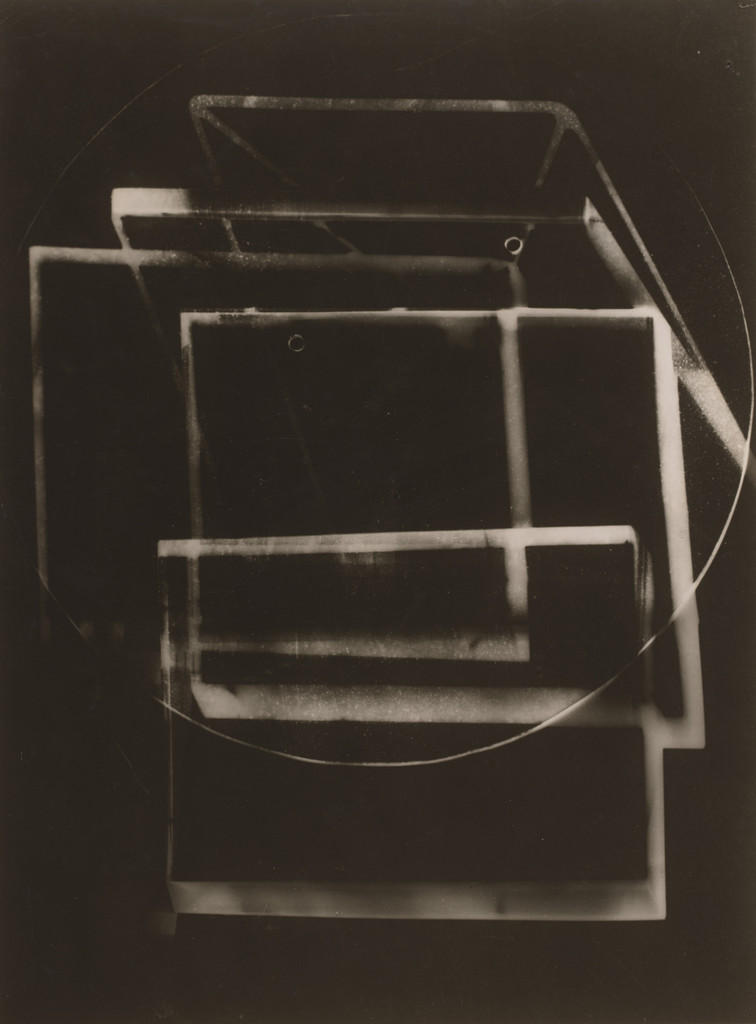
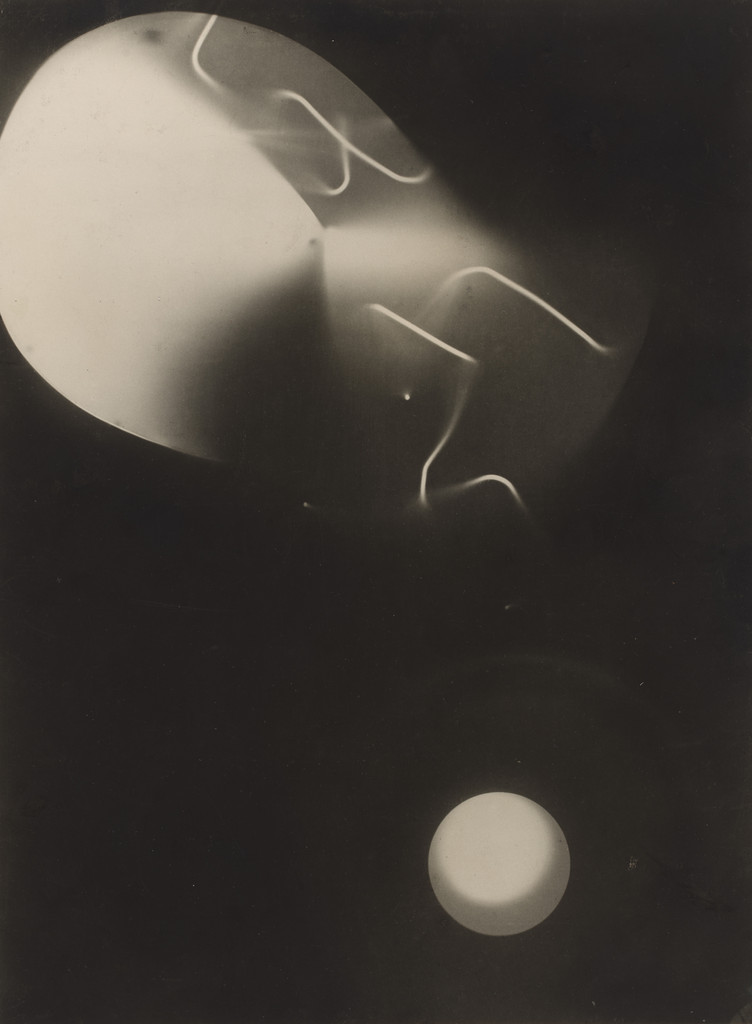
Summer on the Rhône: first photograms
On holiday with Lucia on the Rhône, László learned from her to make photograms on light-sensitive paper — photography became one of his main pursuits, with his wife at first his technical guide. That summer he also began sketching ideas for what would become the Light-Space Modulator.
1922
Show at Der Sturm; meeting Gropius
At a joint exhibition with his fellow Hungarian Peter Laszlo Peri at Der Sturm, László met Walter Gropius. Herwarth Walden showed his works alongside Peri's in 1922–1924.
1923
Gropius brings him to the Bauhaus
László took over Johannes Itten's role co-teaching the foundation course with Josef Albers and replaced Paul Klee as head of the metal workshop. This effectively ended the school's Expressionist leanings and moved it back towards its original aims of design and integration with industry. Other accounts count Albers among his students.
1925
The book “Painting, Photography, Film”
Published in the Bauhaus Books series, it is where Moholy-Nagy chose the word “photosculpture” for his photomontages and advanced the idea of “New Vision” — that the camera could show the world as the eye cannot. He was the first interwar artist to suggest using the telescope, microscope and radiography in art; in 1929 the book appeared in Moscow as “Painting or Photography”.