Adam Elsheimerドイツ, 1578–1610
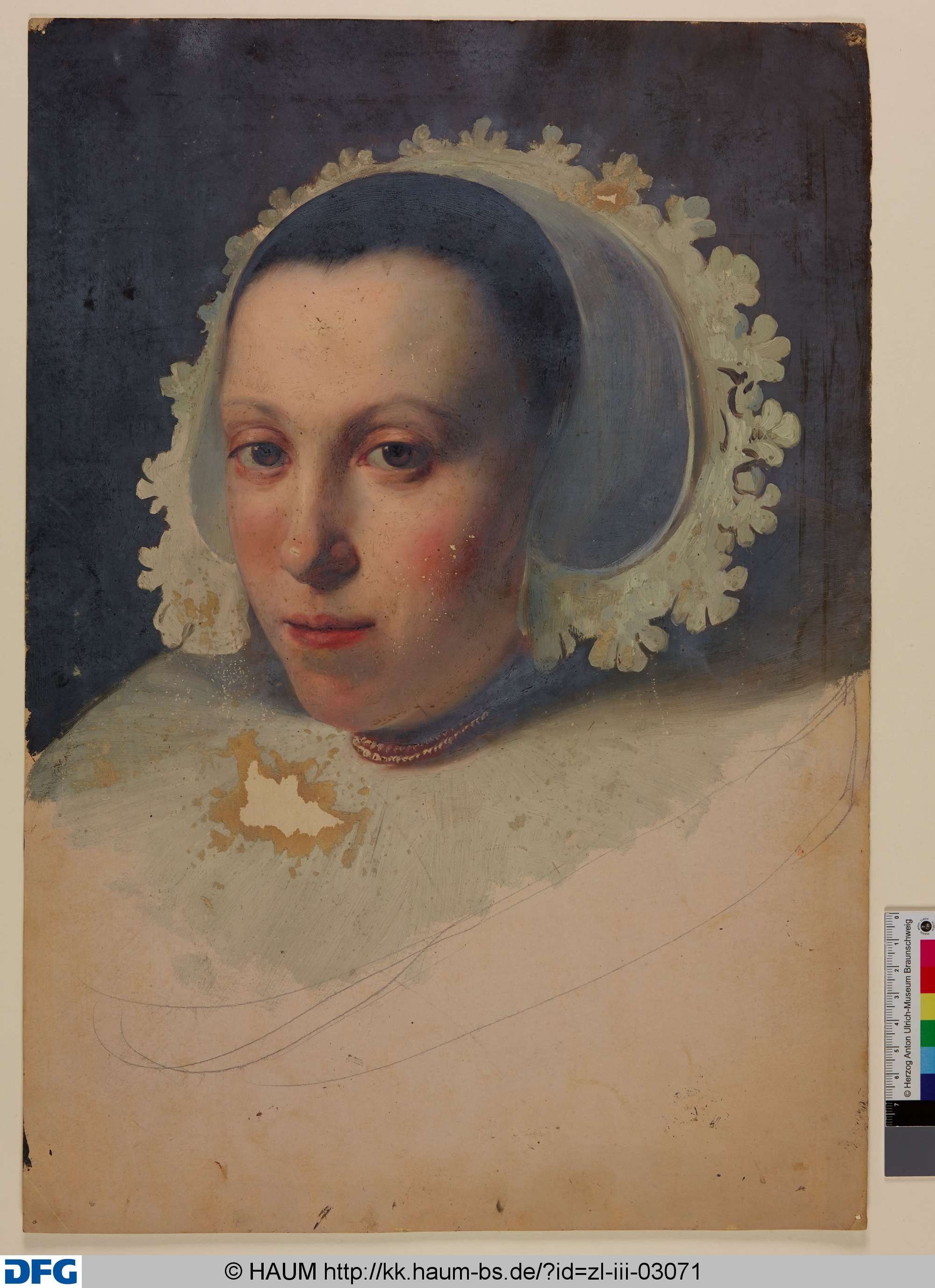
Die Heilige Magdalena
見られますか?
不明
『Die Heilige Magdalena』は今どこに? 所蔵: アントン・ウルリッヒ公爵美術館, ブラウンシュヴァイク. 不明.

ブラウンシュヴァイク, ドイツ
所蔵者は判明していますが、現在展示中かどうかは不明です。
- この状態になった日
- 出典
- 美術館
作品データ
描かれているもの
カタログ収録
出典
- アントン・ウルリッヒ公爵美術館
- 画像: アントン・ウルリッヒ公爵美術館 — CC BY-NC-SA 4.0
その頃、Adam Elsheimerの人生では
生涯をすべて見る1598
Sets out for Italy via Munich
At twenty he travelled to Italy, and he is documented in Munich in 1598. His teacher Philipp Uffenbach specialised in large altarpieces, whereas Elsheimer’s earliest small paintings on copper seem to date from before he reached Italy.
early 1600
Arrives in Rome
He arrives in Rome in early 1600. His stay in Venice is undocumented, but its influence on his style is clear: he is believed to have painted “The Baptism of Christ” (London) and “The Holy Family” (Berlin) there, which show the influence of Tintoretto, Veronese and Rottenhammer.
1600
Befriends Faber and Bril in Rome
Soon after arriving he befriends contacts of Rottenhammer: Giovanni Faber, a papal doctor, botanist and collector from Bamberg who was curator of the Vatican Botanical Garden, and the Flemish landscape painter Paul Bril, long established in Rome. Both had converted from Lutheranism to Catholicism, as Elsheimer would later do.
1601
Meets Rubens
Rubens, who was in Rome in 1601 and knew both Faber and Bril, becomes another friend of Elsheimer and later reproaches him for not producing more work. Elsheimer also knew David Teniers the Elder, recently Rubens’ pupil, and there is evidence that the two lodged together.
1606
Marries Carola Antonia Stuarda
His bride, a fellow Frankfurter of Scottish ancestry, was the recent widow of the artist Nicolas de Breul (born in Verdun). Giovanni Faber and Paul Bril were the witnesses at the wedding.
1610年12月11日
Died