 Grosz, Georgeドイツ, 1893–1959
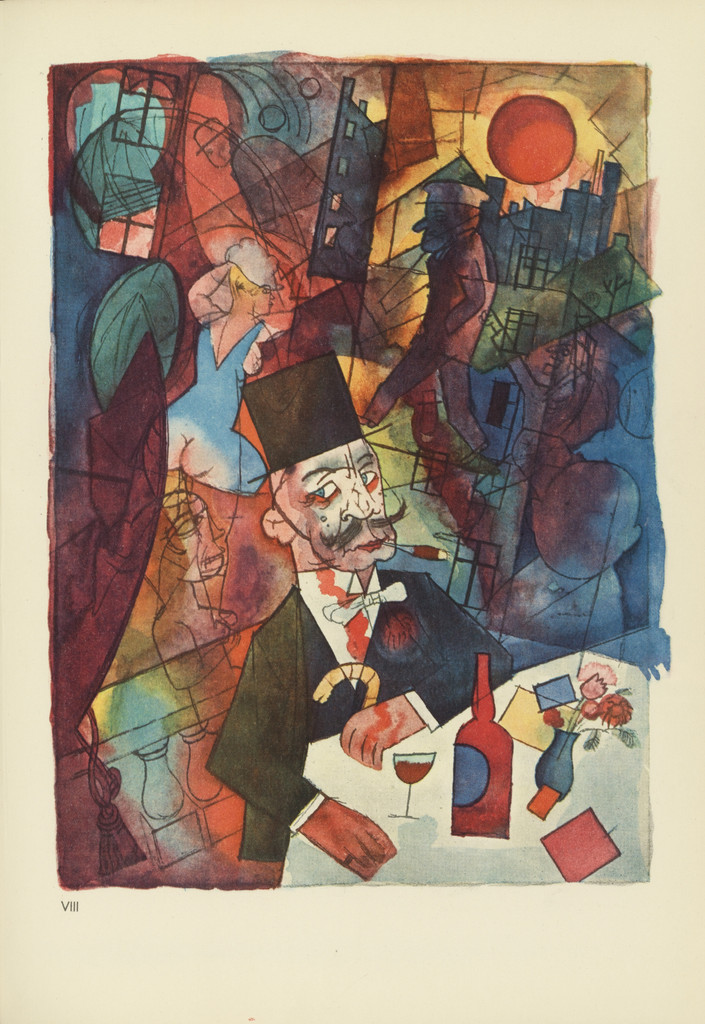
Der Mädchenhändler (plate, folio 50) from Ecce Homo
見られますか?
現在は展示されていません
『Der Mädchenhändler (plate, folio 50) from Ecce Homo』は今どこに? 所蔵: ニューヨーク近代美術館, ニューヨーク. 現在は展示されていません. 確認 2026年10月6日.

ニューヨーク, アメリカ合衆国
コレクションに属していますが、現在は展示されていません。
- 確認
- 出典
- 美術館
作品データ
- 収蔵番号
- 854.1964.92
カタログ収録
出典
- ニューヨーク近代美術館
- 画像: ニューヨーク近代美術館 — © the artist or rights holder
その頃、Grosz, Georgeの人生では
生涯をすべて見る1915–1917 · 居住
Steglitz
1916
A new name: Georg Groß becomes George Grosz
To 'de-Germanise' and internationalise his name, Grosz changes its spelling: Georg becomes the English 'George' and the German 'ß' in his surname is replaced by 'sz'. It is a protest against German nationalism and a romantic enthusiasm for America, drawn from the books of James Fenimore Cooper, Bret Harte and Karl May; his friend and collaborator Helmut Herzfeld likewise becomes John Heartfield at the same time.
1918
A founder of Berlin Dada
Grosz settles in Berlin and becomes one of the founders of Berlin Dada, using his satirical drawings to attack the bourgeois supporters of the Weimar Republic.
1918–1921 · 居住
Wilmersdorf
1920
The First International Dada Fair
Grosz helps organise the First International Dada Fair and exhibits his work there.
1922
A journey to Russia with Martin Andersen Nexø
On arrival in Murmansk, Grosz and the Danish writer Martin Andersen Nexø are briefly arrested as spies; after their credentials are approved they are allowed to continue their journey.

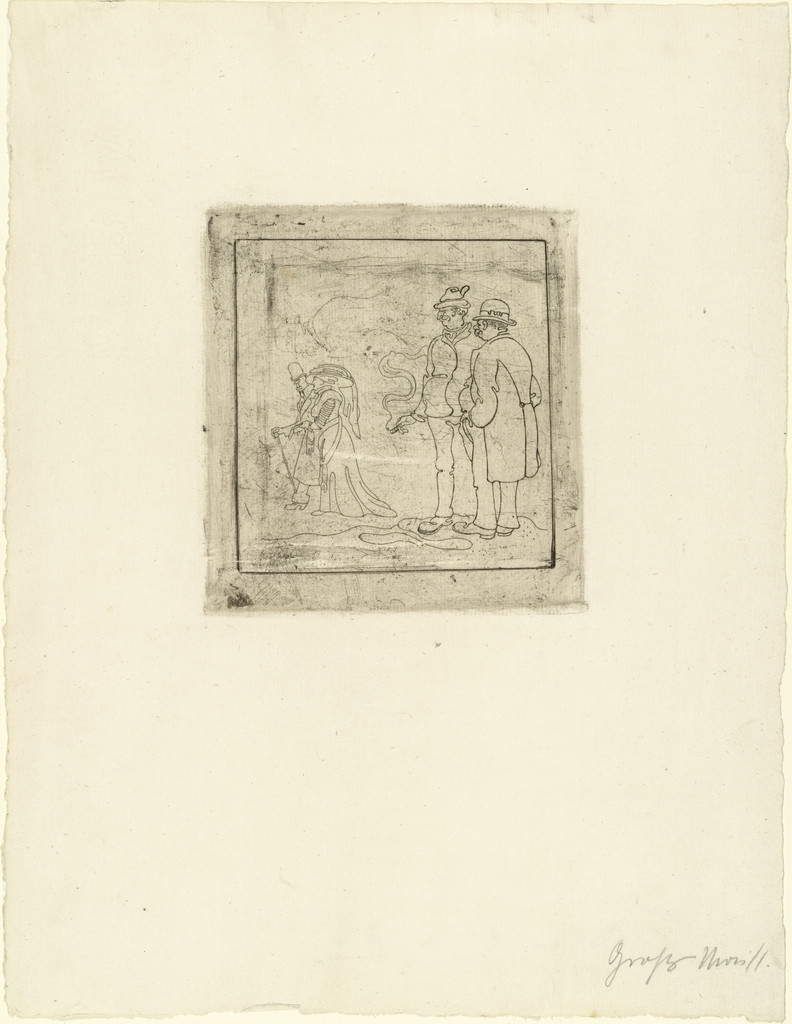

![The End of the Road (Out of Fear of Starvation) [Das Ende des Weges (Aus Nahrungssorgen)], George Grosz, 1913](https://www.moma.org/media/W1siZiIsIjEyMTkwNyJdLFsicCIsImNvbnZlcnQiLCItcmVzaXplIDEwMjR4MTAyNFx1MDAzZSJdXQ.jpg?sha=864379f3ce59af36)









