ART WIKI32,963 点が展示中
地図コレクション作家美術館展覧会ジャーナル
ログイン

ART WIKI

名画の居場所と、扉の開く時刻。

所蔵館:J・ポール・ゲティ美術館、アムステルダム国立美術館、ヴィクトリア&アルバート博物館、エルミタージュ美術館、クリーブランド美術館、ゲティ・ヴィラ、コペンハーゲン国立美術館、シカゴ美術館、スミソニアン・アメリカ美術館、スミソニアン国立アジア美術館、トレチャコフ美術館、ナショナル・ギャラリー、ニューヨーク近代美術館、ハーシュホーン博物館と彫刻の庭、ハーバード美術館群、プーシキン美術館、ホイットニー美術館、ミネアポリス美術館、メトロポリタン美術館、ルーヴル美術館、ロシア美術館、国立肖像画美術館、ロシア博物館資料国家目録(274館)、Europeana(19館)、ウィキデータ(6館)、Paris Musées(12館)、Joconde(フランス文化省の美術館データベース)(495館)。画像の権利は各権利者に帰属します。

ご案内

  • 地図
  • 検索
  • コレクション
  • 名作
  • 現在展示中
  • 作家

その他

  • 美術館・ギャラリー
  • 展覧会
  • ジャーナル
  • データの出どころ
  • プライバシーとCookie
ホーム地図カタログ
  1. コレクション/
  2. ルーヴル美術館/
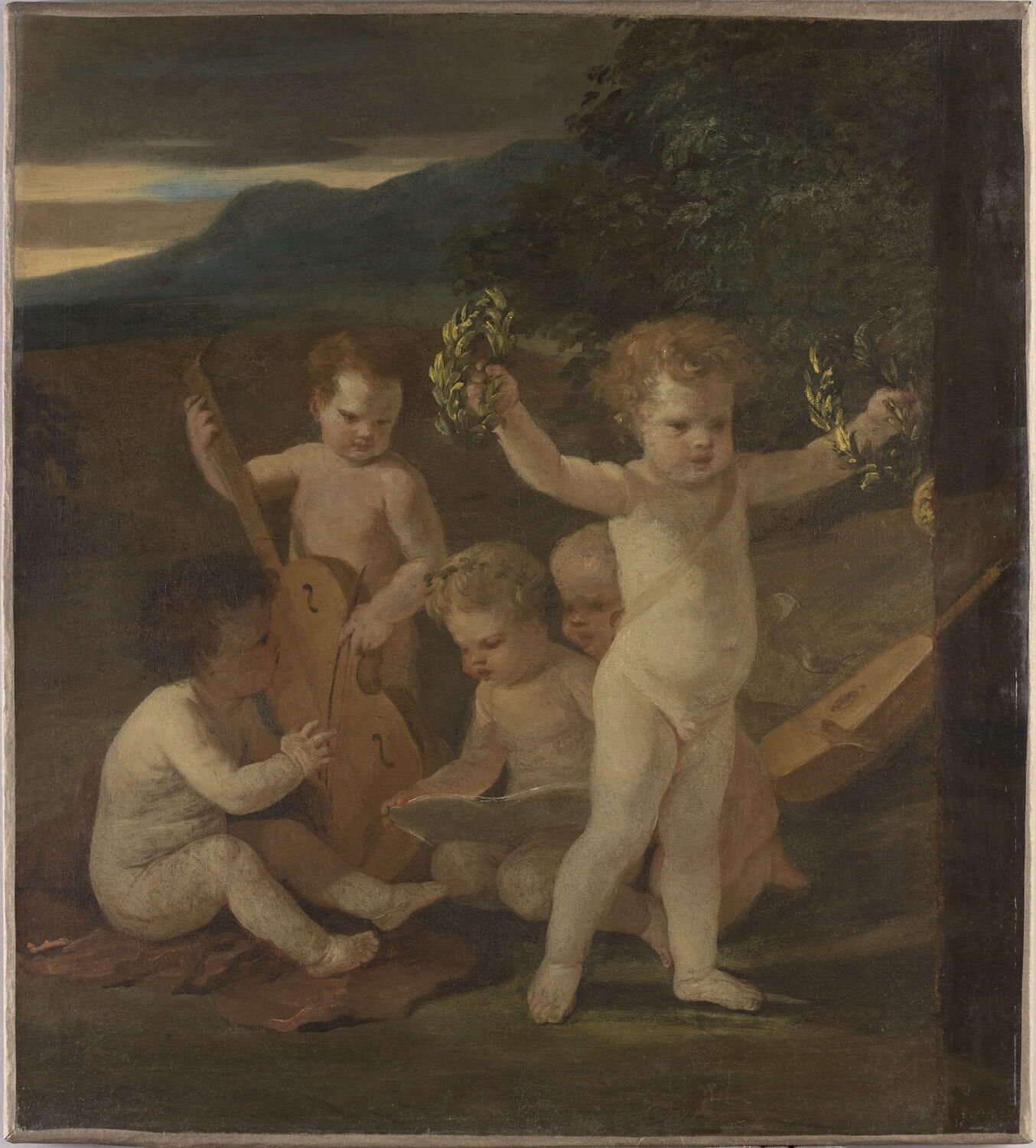
  3. Concert d'amours
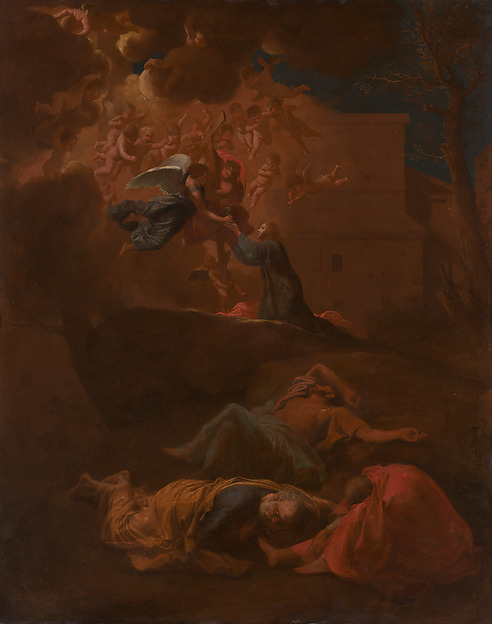
Concert d'amours, Poussin, Nicolas, 2e quart du XVIIe siècle (vers 1626)
Nicolas Poussinの肖像Nicolas Poussinフランス, 1594–1665

Concert d'amours

2e quart du XVIIe siècle (vers 1626) · Peintures

お目にかかれますか?

ただいまはお迎えしていません

ルーヴル美術館

パリ, フランス

コレクションに属していますが、現在は展示されていません。

確認
11 日前
この状態になった日
2026年9月26日
出典
美術館自身の所蔵データ
地図で見る美術館のページ

作品データ

2e quart du XVIIe siècle (vers 1626) · 32歳
15941665
収蔵番号
INV 7299

カタログ収録

絵画油彩フランス絵画バロック17世紀

出典

  • ルーヴル美術館:美術館のオープンデータ · 11 日前に取得
  • 画像: ルーヴル美術館 — © 2021 GrandPalaisRmn (musée du Louvre) / Thierry Ollivier

その頃、Nicolas Poussinの人生では

生涯をすべて見る
  1. 1620s

    The Cavaliere Marino takes the painter under his wing

    Poussin’s work caught the attention of the Italian poet Cavaliere Marino, then living in France; his patronage let the thirty-year-old painter work in peace. According to Bellori the poet took him into his house and helped him with the invention of subjects and the rendering of emotion, and in Marino’s house Poussin gained access to a library with treatises by Alberti and Dürer and manuscripts and drawings by Leonardo.

  2. spring 1624

    Spring 1624: Poussin arrives in Rome

    According to Bellori Poussin settled in Rome in the spring of 1624 (other accounts say he first visited Venice); the lists of the church of San Lorenzo in Lucina name him from March 1624 among twenty-two people, mostly French artists, living in the house of Simon Vouet. He studied Raphael, while Caravaggio, whose literal materiality repelled him, he held to have come “to destroy painting”.

  3. 1624–1626

    First years in Rome: no patrons, in want

    Marino, who had recommended him to Cardinal Francesco Barberini, left for Naples and died there, and the cardinal himself was sent as legate to Spain in 1625 with Cassiano dal Pozzo; the Marquis Sacchetti showed no interest. Poussin was badly wounded in a street brawl, possibly caught syphilis and refused to enter a hospital, and, according to Félibien, had to sell two battle canvases for seven écus each and a figure of a prophet for eight.

  4. 1624–1640

    Domenichino’s academy, anatomy, measuring ancient statues

    He resumed his study of anatomy with the surgeon Larchet, drew models at Domenichino’s academy, worked in the open air and measured ancient statues — on the back of the drawing “The Victory of Joshua” survive his measurements of the Apollo Belvedere; unlike many, he did not “restore” the lost fragments of antiques. In his Roman years he began to learn modelling, made wax models, arranged them in the order he wanted on a board, and copied Titian’s “Bacchanal” — in oil and as a bas-relief together with one of the Duquesnoy brothers.

  5. 1626

    Friends in Rome: Claude Lorrain, Stella, the Duquesnoy brothers

    In 1626 Pierre Mellin and the brothers François and Jérôme Duquesnoy lodged in his studio; he was close to Claude Lorrain and kept company with Jacques Stella and Jean Lemaire. The circle was united by a pull towards classical antiquity; despite all his disagreements with French painters, it was this milieu that helped Poussin keep his national roots.

  6. 1626

    Poussin’s name first appears in Cardinal Barberini’s books

    In 1626 Cardinal Francesco Barberini’s account books for the first time record a fee paid to Poussin — for the painting “The Destruction of Jerusalem”; it has not survived, but in 1638 the artist repeated the canvas, now in Vienna.
Nicolas Poussinのほかの作品

すべての作品
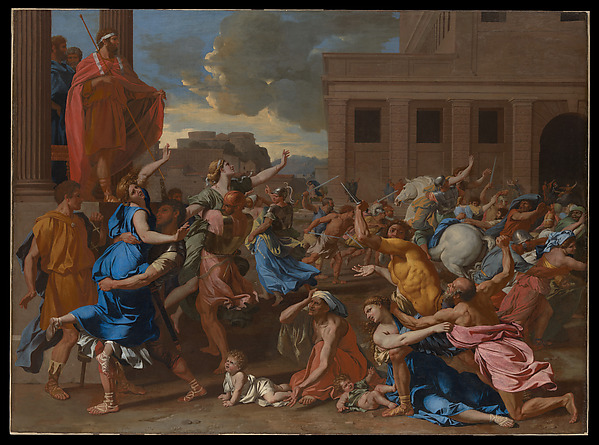
The Abduction of the Sabine Women, Nicolas Poussin, probably 1633–34

The Abduction of the Sabine Women

probably 1633–34 · メトロポリタン美術館

Blind Orion Searching for the Rising Sun, Nicolas Poussin, 1658

Blind Orion Searching for the Rising Sun

1658 · メトロポリタン美術館

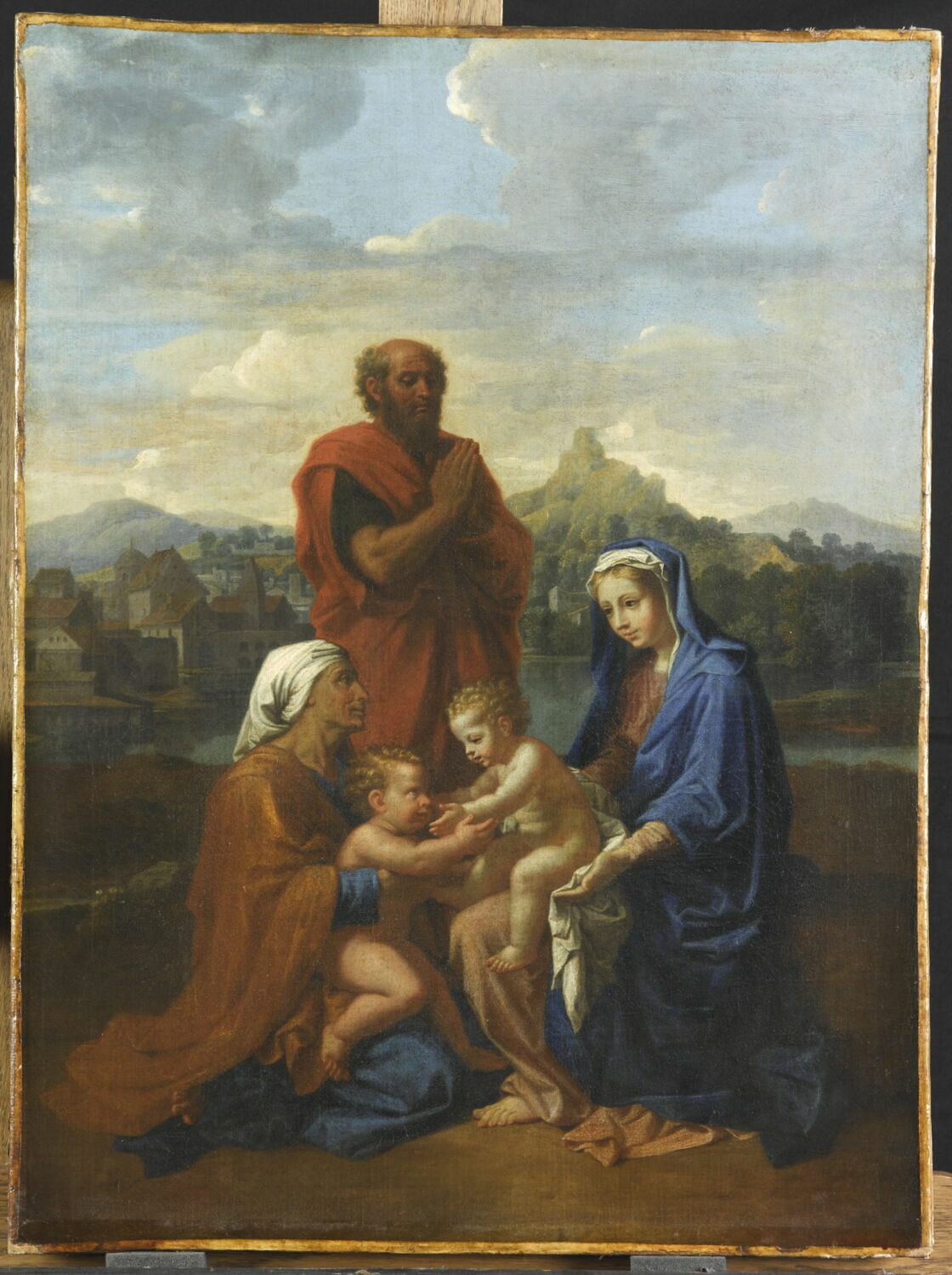
La Sainte Famille avec saint Jean, sainte Elisabeth et saint Joseph priant, Poussin, Nicolas, Milieu du XVIIe siècle (vers 1650 - 1951)

La Sainte Famille avec saint Jean, sainte Elisabeth et saint Joseph priant

Milieu du XVIIe siècle (vers 1650 - 1951) · ルーヴル美術館

Victory of Joshua over the Amalekites, Nicolas Poussin, 1623

Victory of Joshua over the Amalekites

1623 · エルミタージュ美術館

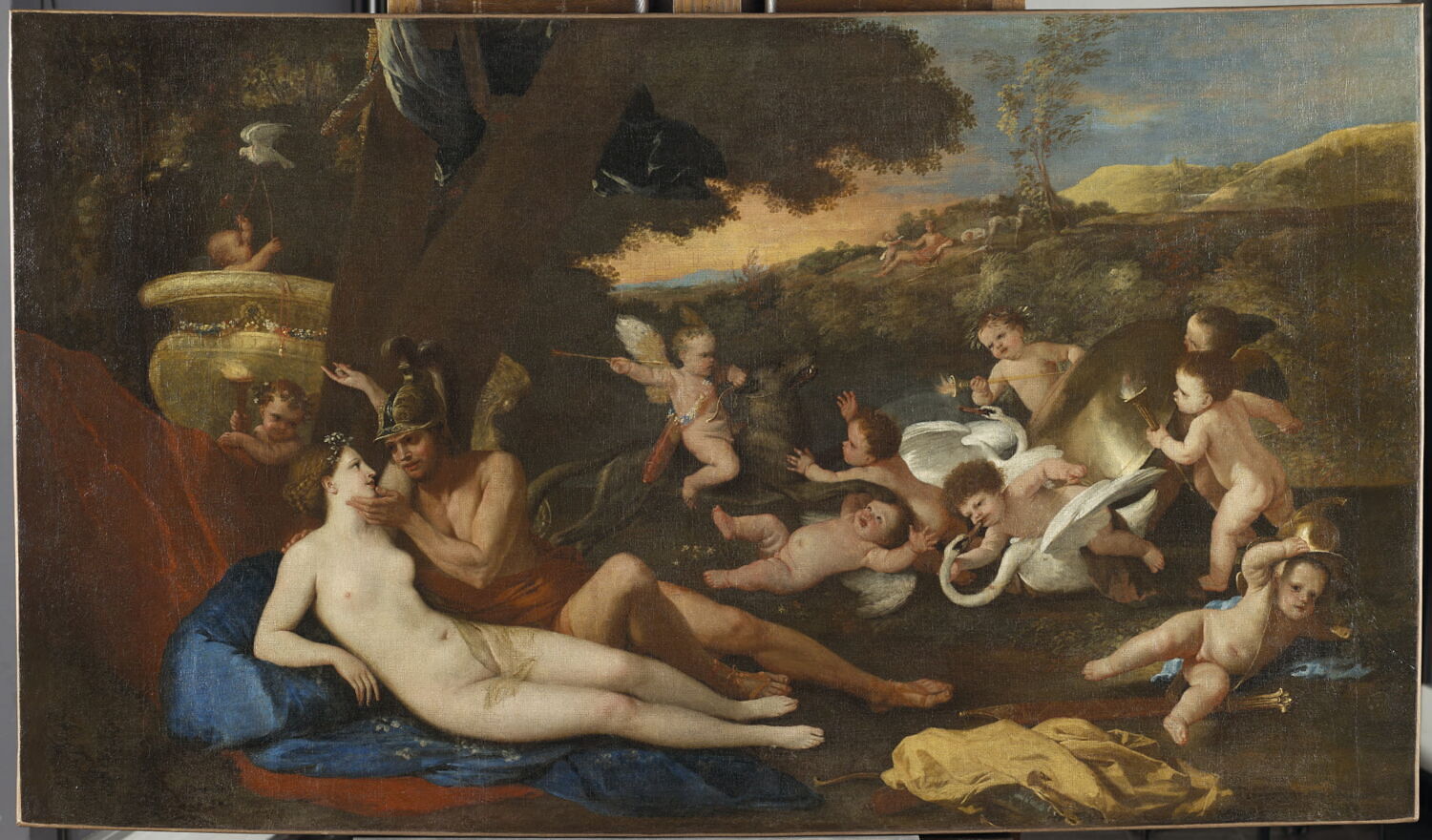
Mars et Vénus, Poussin, Nicolas, 1e tiers du XVIIe siècle (vers 1625)

Mars et Vénus

1e tiers du XVIIe siècle (vers 1625) · ルーヴル美術館

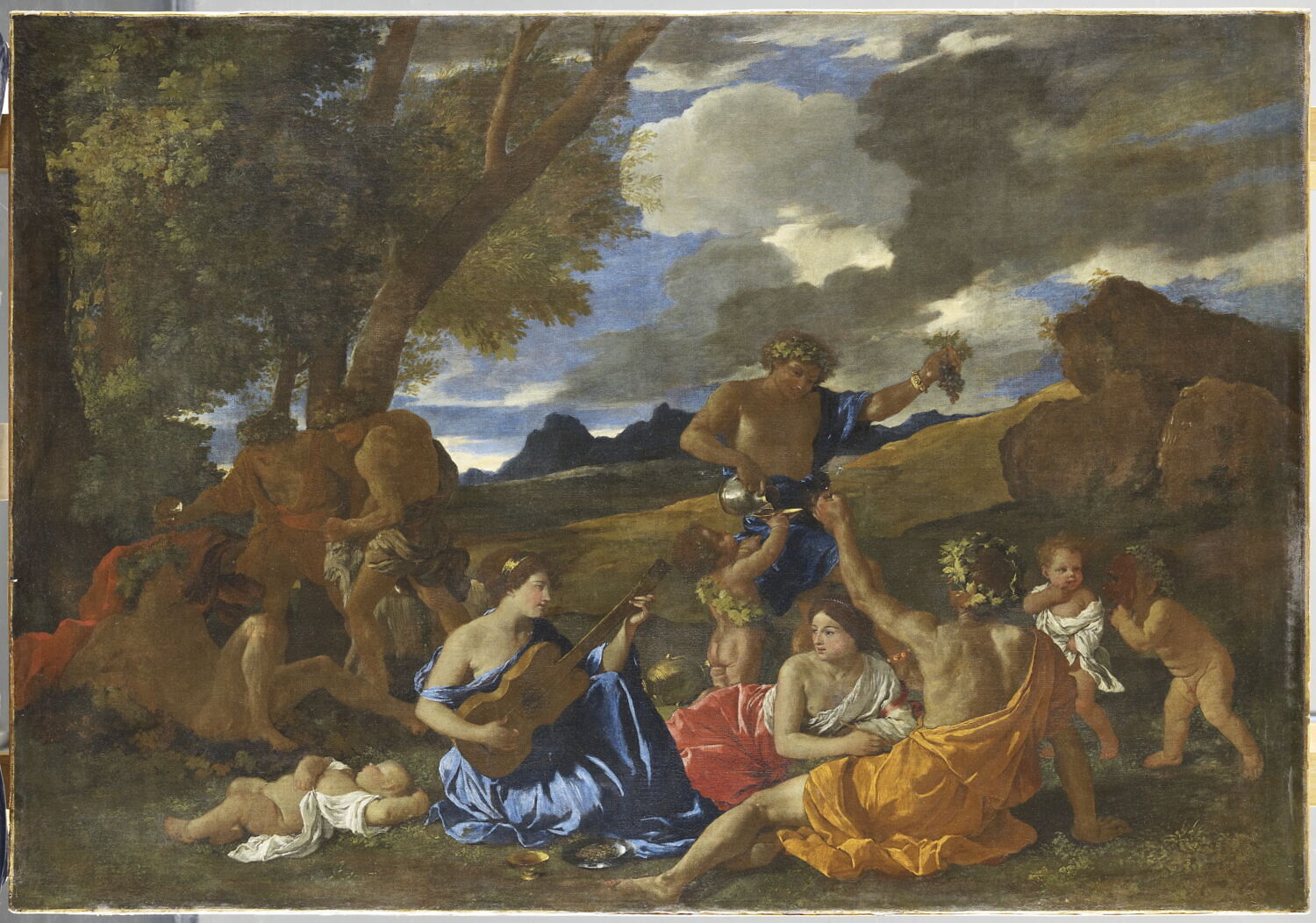
Bacchanale à la joueuse de guitare, Poussin, Nicolas, 2e quart du XVIIe siècle (vers 1625)

Bacchanale à la joueuse de guitare

2e quart du XVIIe siècle (vers 1625) · ルーヴル美術館

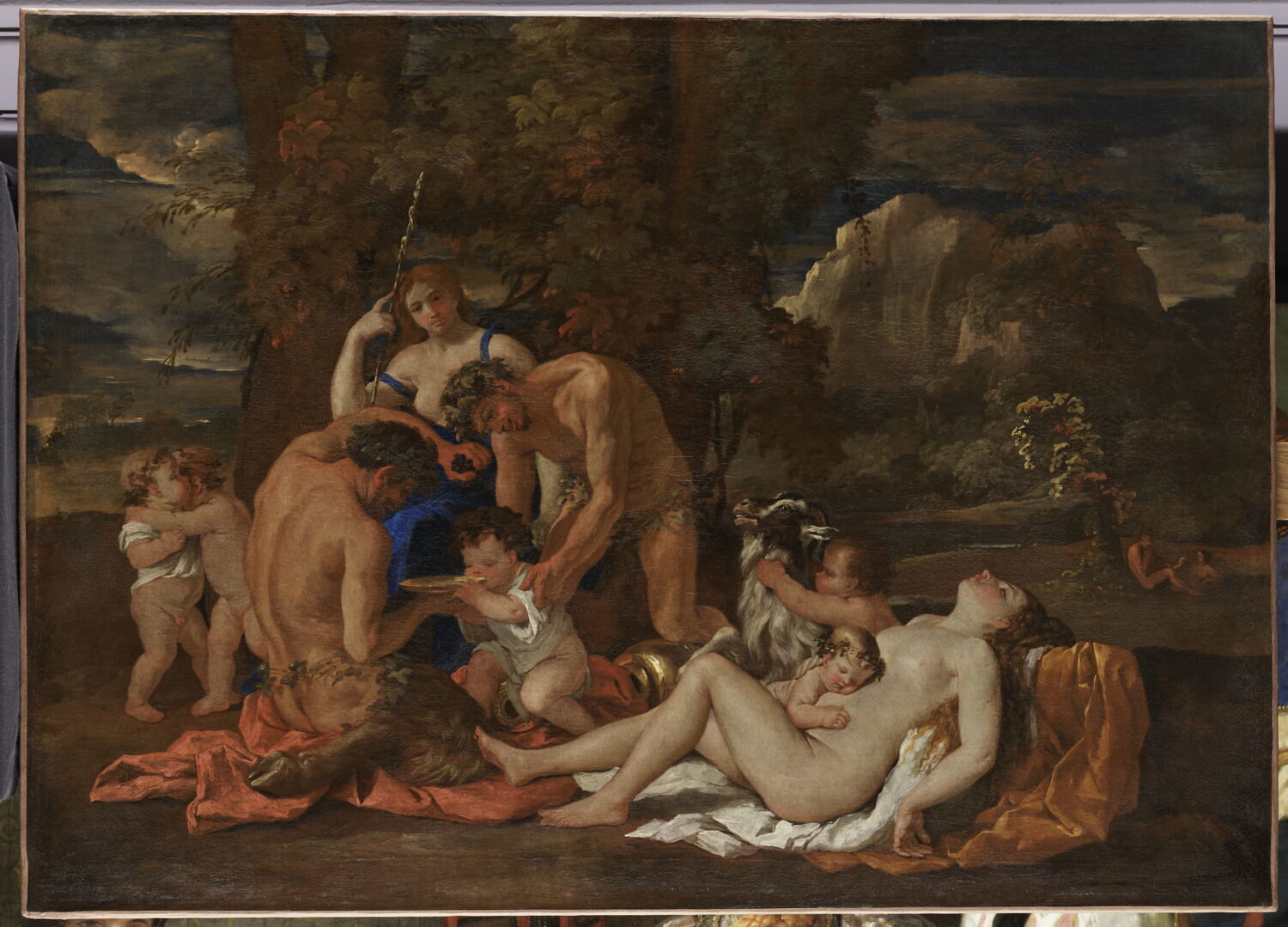
La Nourriture de Bacchus, Poussin, Nicolas, 2e quart du XVIIe siècle (vers 1626)

La Nourriture de Bacchus

2e quart du XVIIe siècle (vers 1626) · ルーヴル美術館

The Agony in the Garden, Nicolas Poussin, 1626–27

The Agony in the Garden

1626–27 · メトロポリタン美術館

ルーヴル美術館で肩を並べる作品

美術館のページ
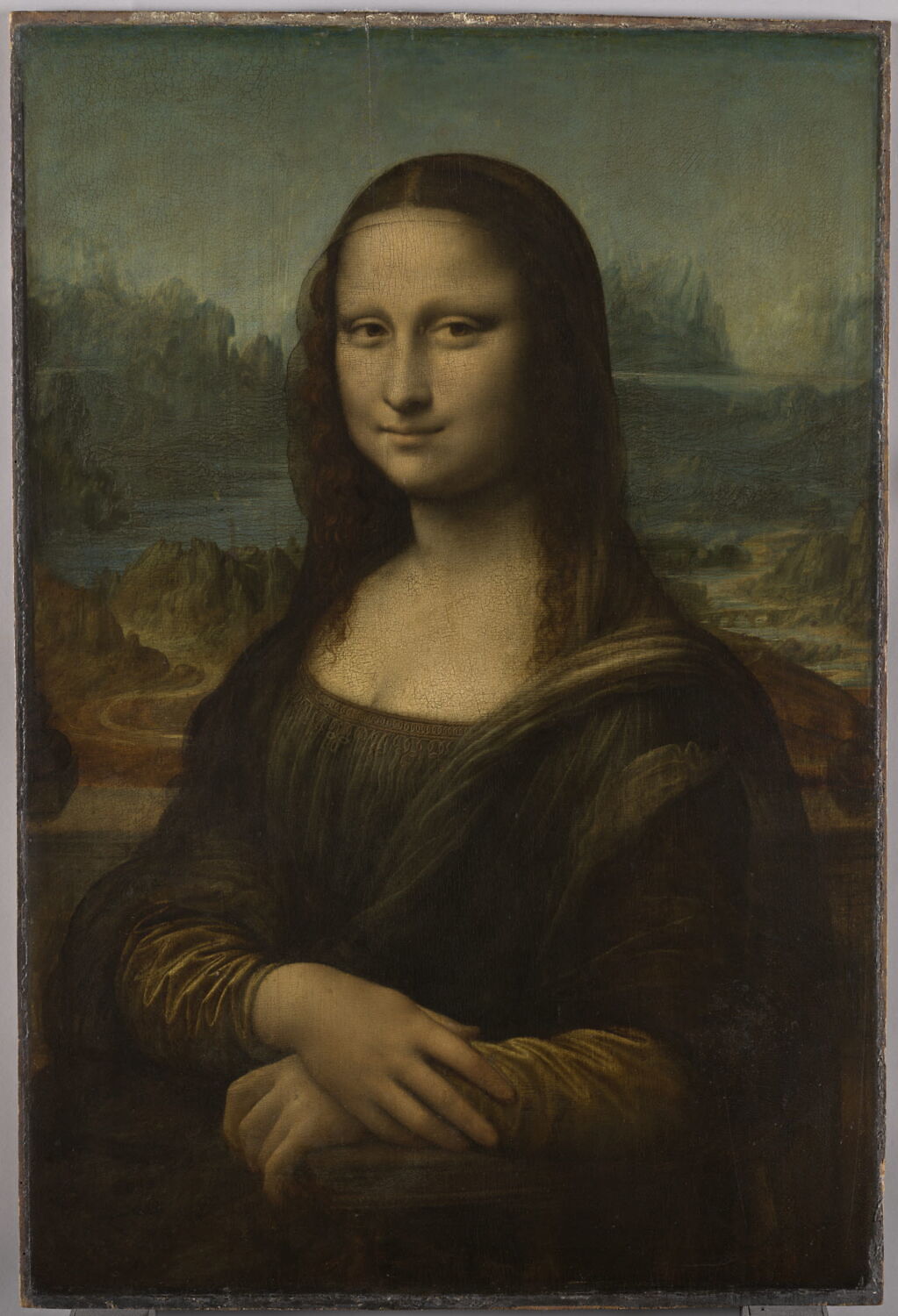
Portrait de Lisa Gherardini, épouse de Francesco del Giocondo, dit La Joconde ou Monna Lisa, Léonard de Vinci, 1e quart du XVIe siècle (1503 - 1519)

Leonardo da Vinci

モナ・リザ, 1e quart du XVIe siècle (1503 - 1519)

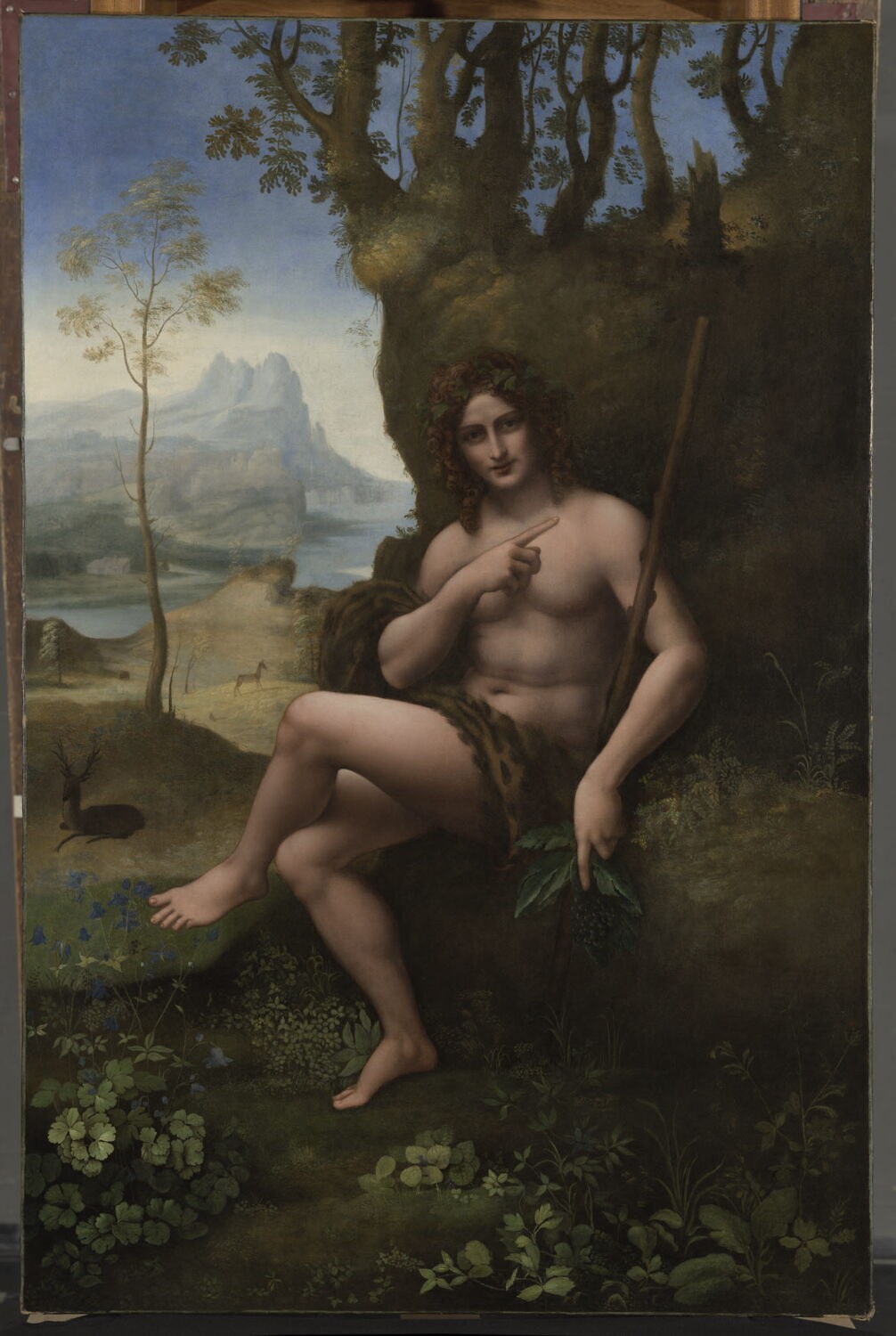
Saint Jean Baptiste, Léonard de Vinci, 1e quart du XVIe siècle (vers 1517 - 1520)

Leonardo da Vinci

バッカス, 1e quart du XVIe siècle (vers 1517 - 1520)

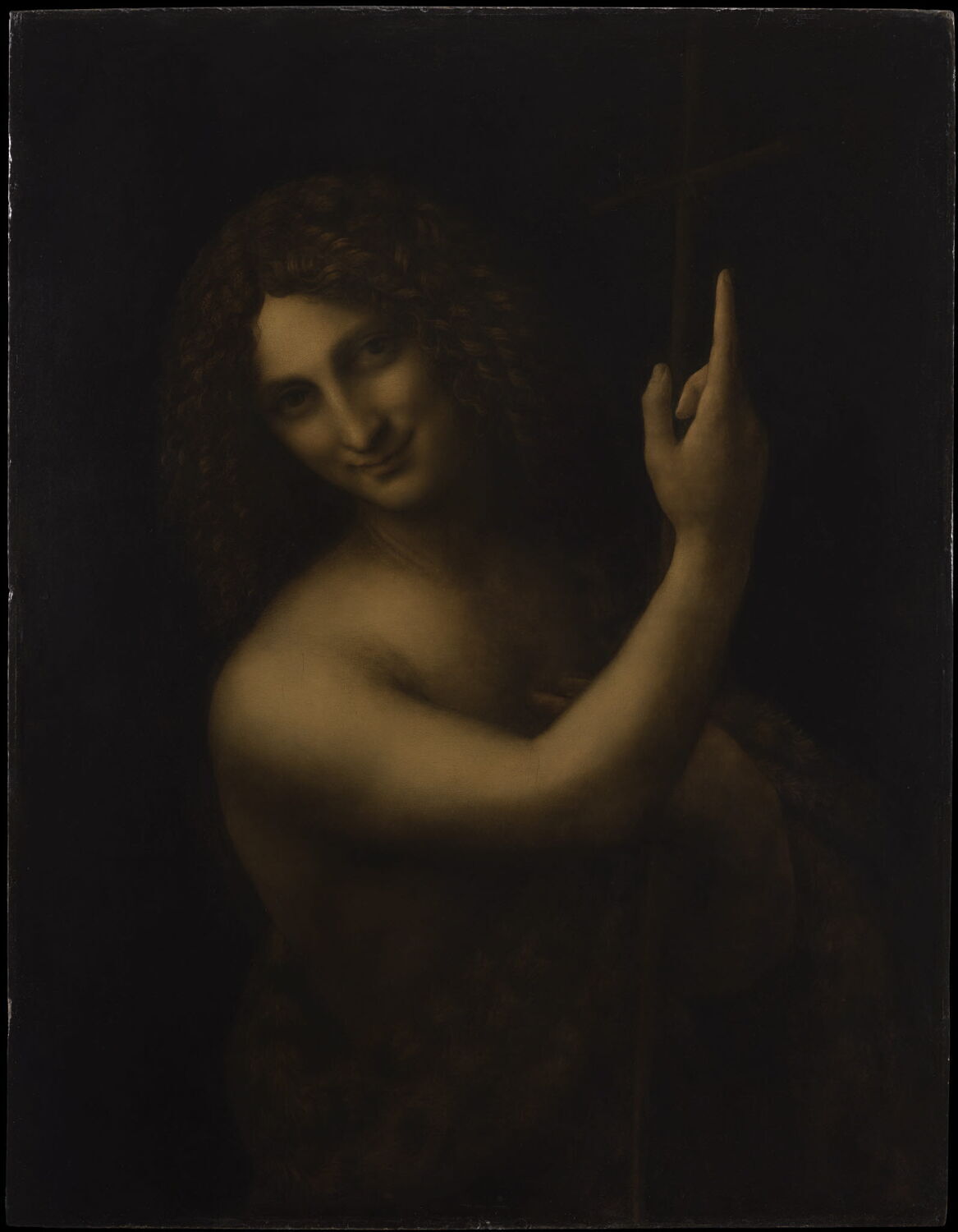
Saint Jean Baptiste, Léonard de Vinci, 1e quart du XVIe siècle (vers 1508 - 1519)

Leonardo da Vinci

洗礼者ヨハネ, 1e quart du XVIe siècle (vers 1508 - 1519)

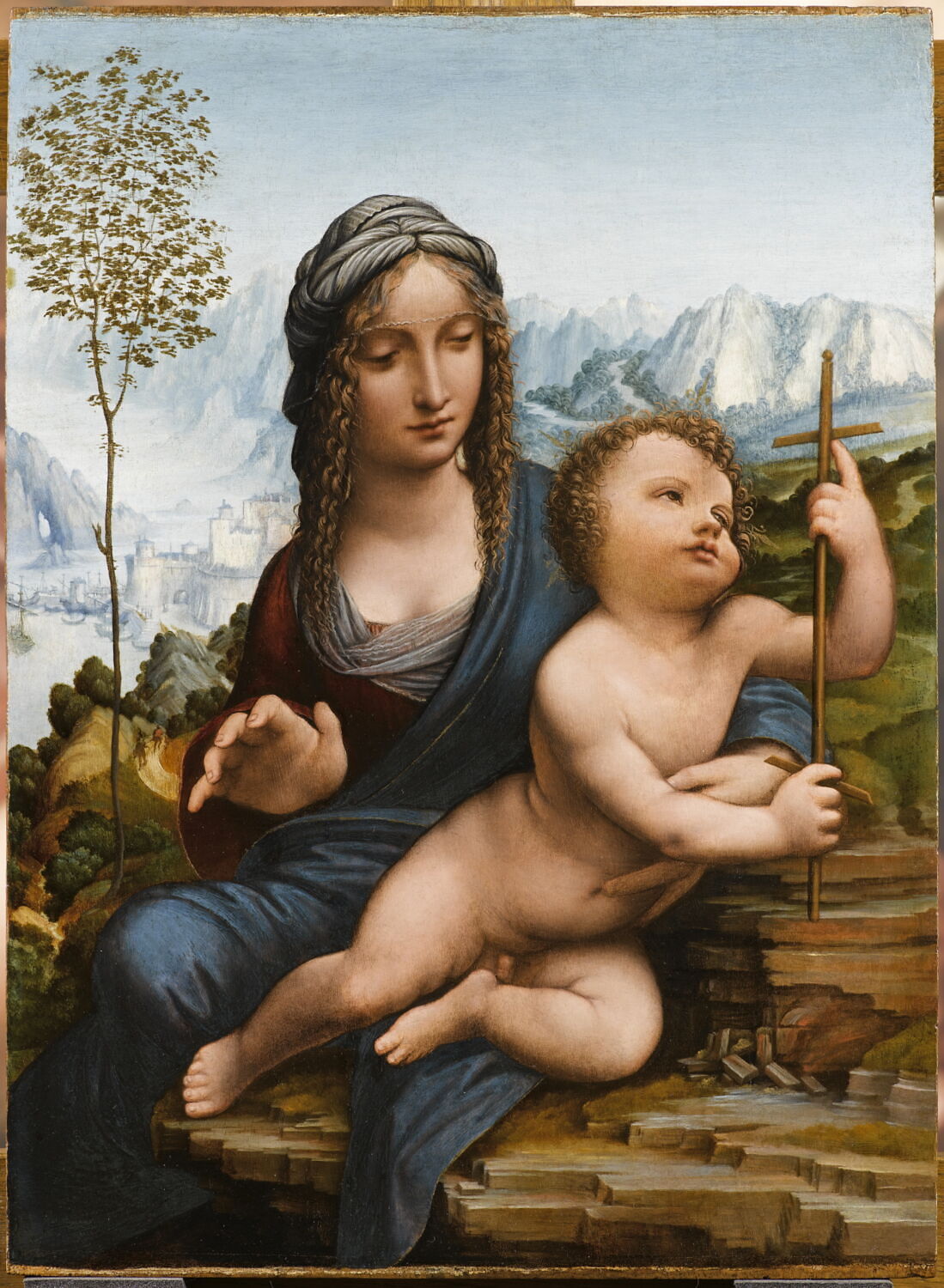
La Vierge et l'Enfant Jésus, dite Vierge au dévidoir ou Vierge aux fuseaux, Léonard de Vinci, XVIe siècle (vers 1505 - 1520)

Leonardo da Vinci

La Vierge et l'Enfant Jésus, dite Vierge au dévidoir ou Vierge aux fuseaux, XVIe siècle (vers 1505 - 1520)

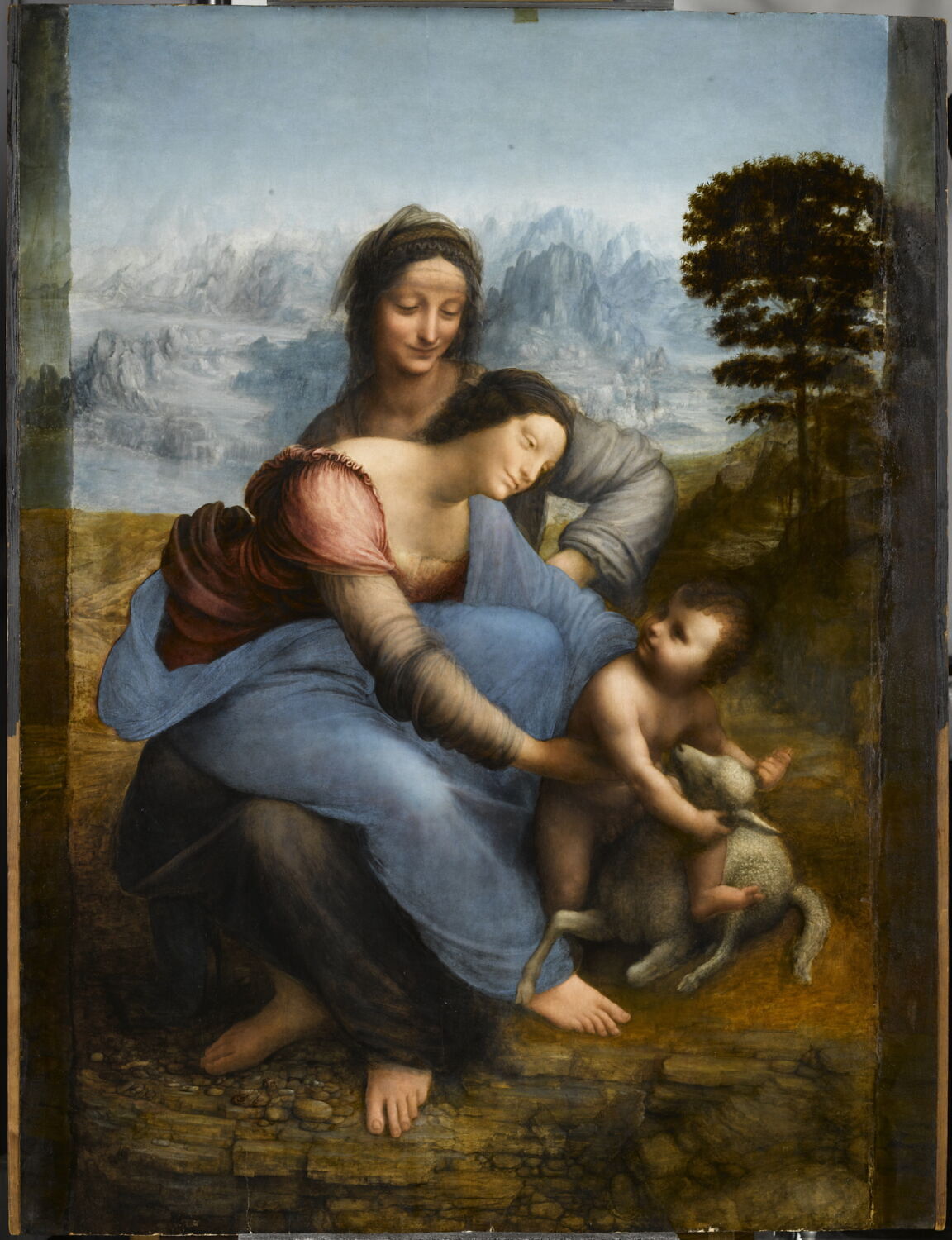
La Vierge, l'Enfant Jésus et sainte Anne, dit La Sainte Anne, Léonard de Vinci, 1e quart du XVIe siècle (vers 1503 - 1519)

Leonardo da Vinci

聖アンナと聖母子, 1e quart du XVIe siècle (vers 1503 - 1519)

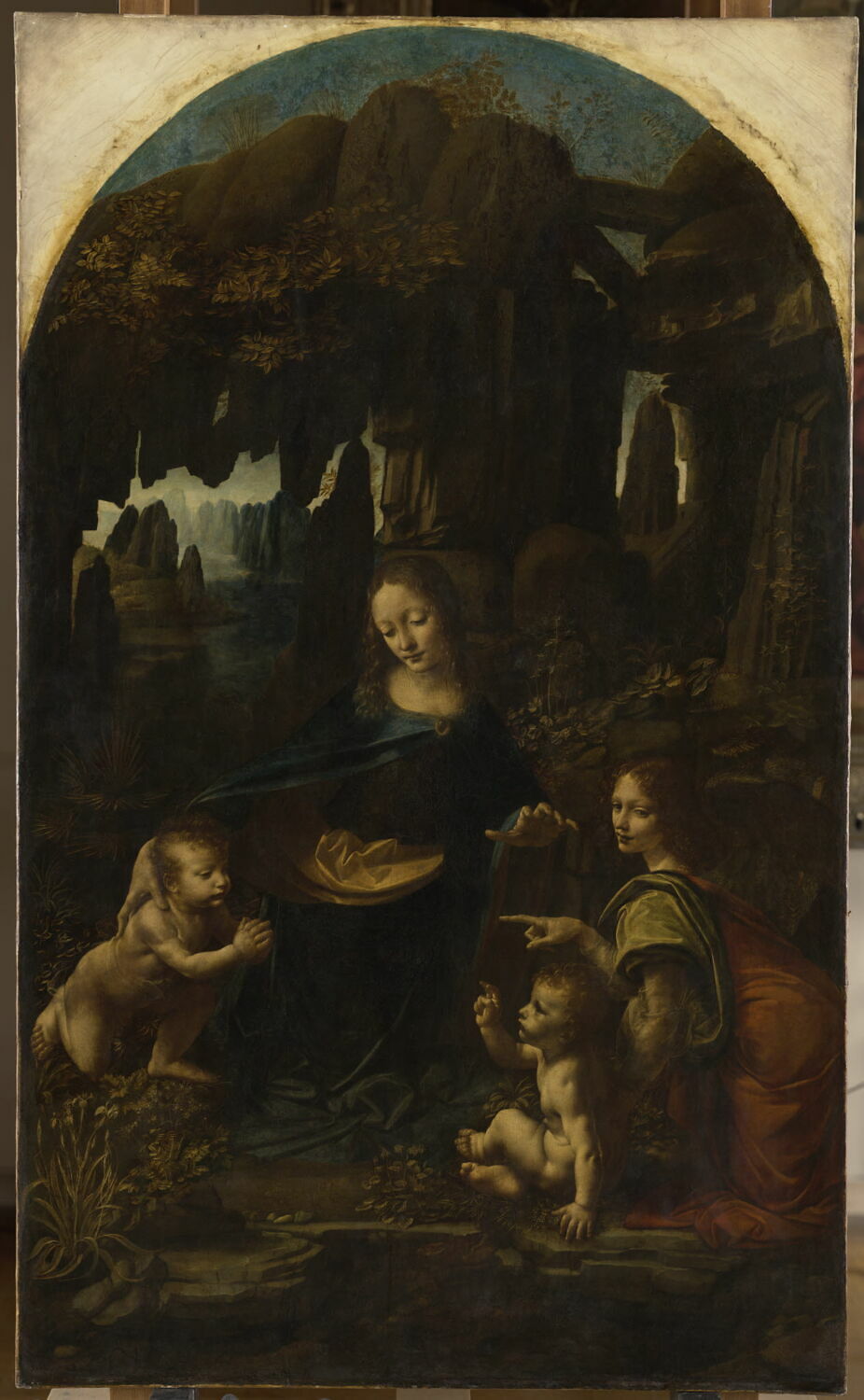
La Vierge, l'Enfant Jésus, saint Jean Baptiste et un ange, dit La Vierge aux rochers, Léonard de Vinci, 4e quart du XVe siècle (vers 1483 - 1494)

Leonardo da Vinci

La Vierge, l'Enfant Jésus, saint Jean Baptiste et un ange, dit La Vierge aux rochers, 4e quart du XVe siècle (vers 1483 - 1494)

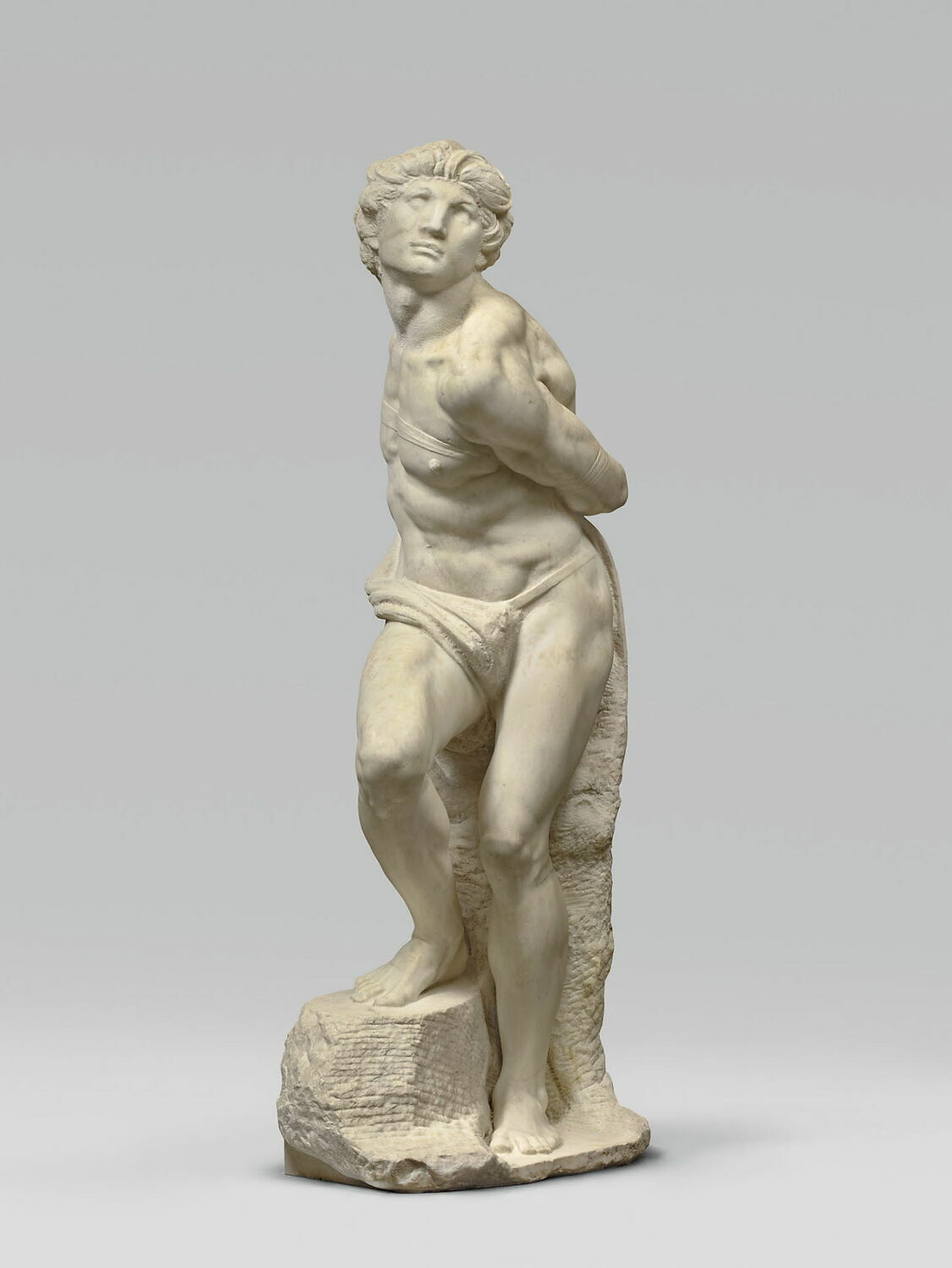
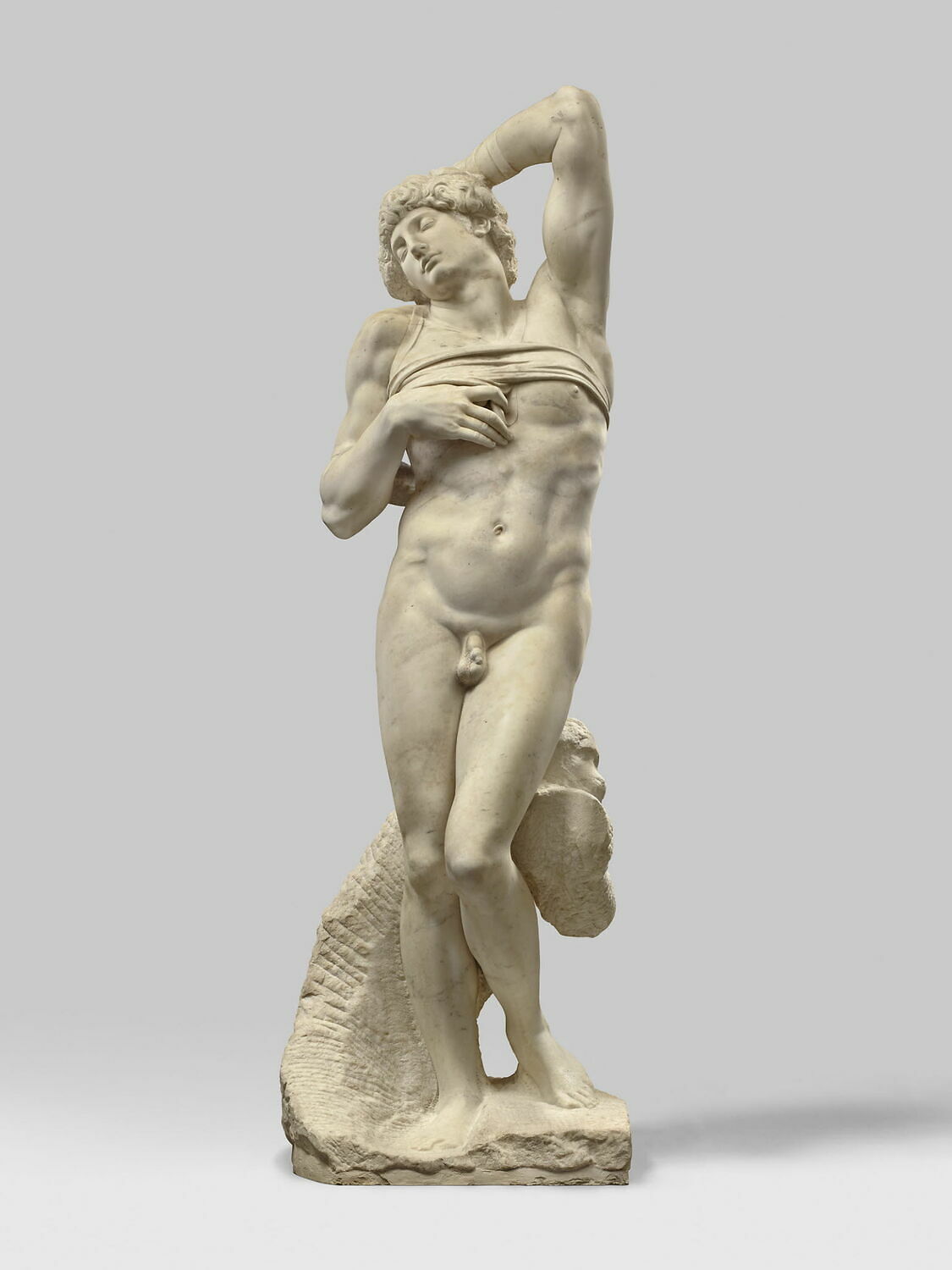
Esclave rebelle, Buonarroti, Michelangelo dit Michel-Ange, 1513 - 1515

Michelangelo

反抗する奴隷, 1513 - 1515

Esclave mourant, Buonarroti, Michelangelo dit Michel-Ange, 1513 - 1515

Michelangelo

瀕死の奴隷, 1513 - 1515