 Piet Mondrianオランダ, 1872–1944
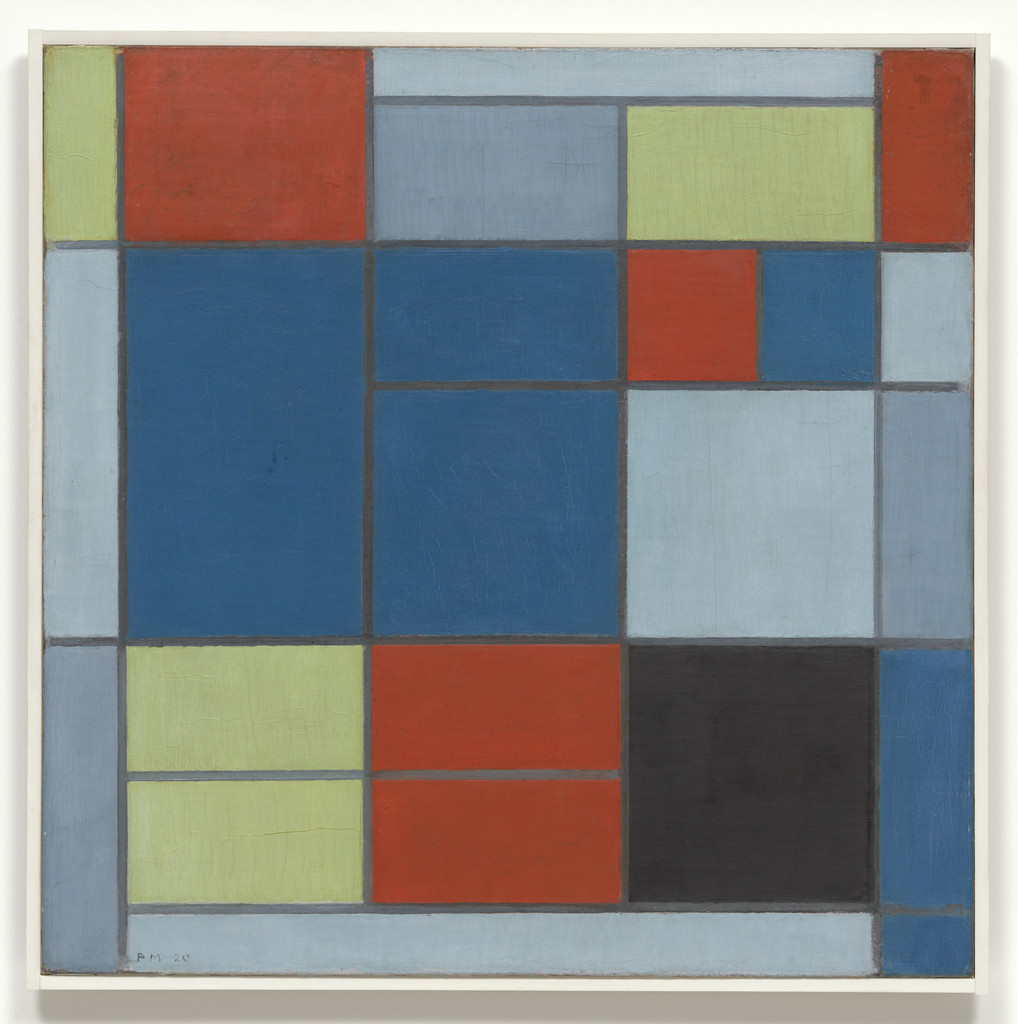
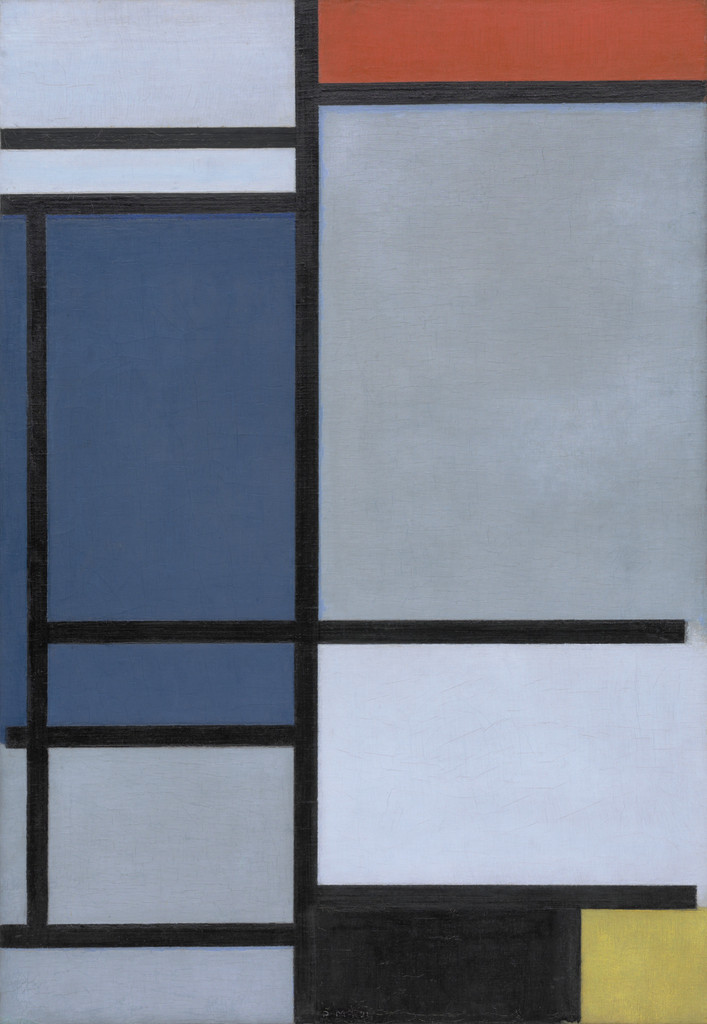
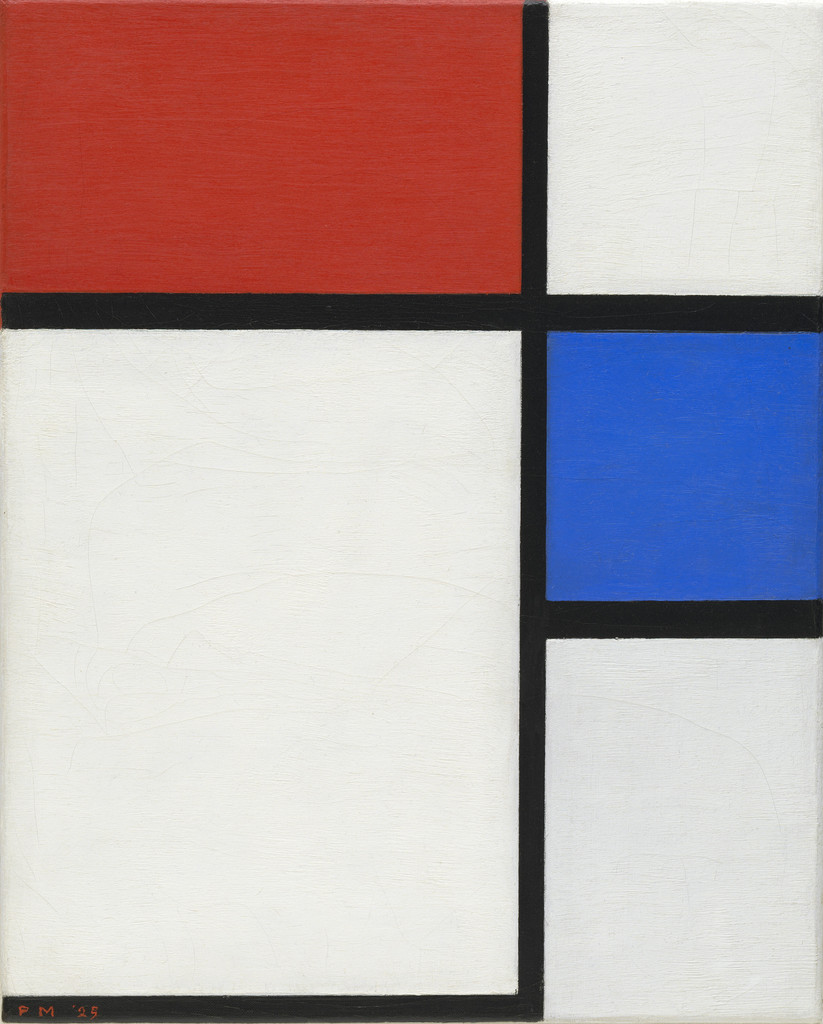
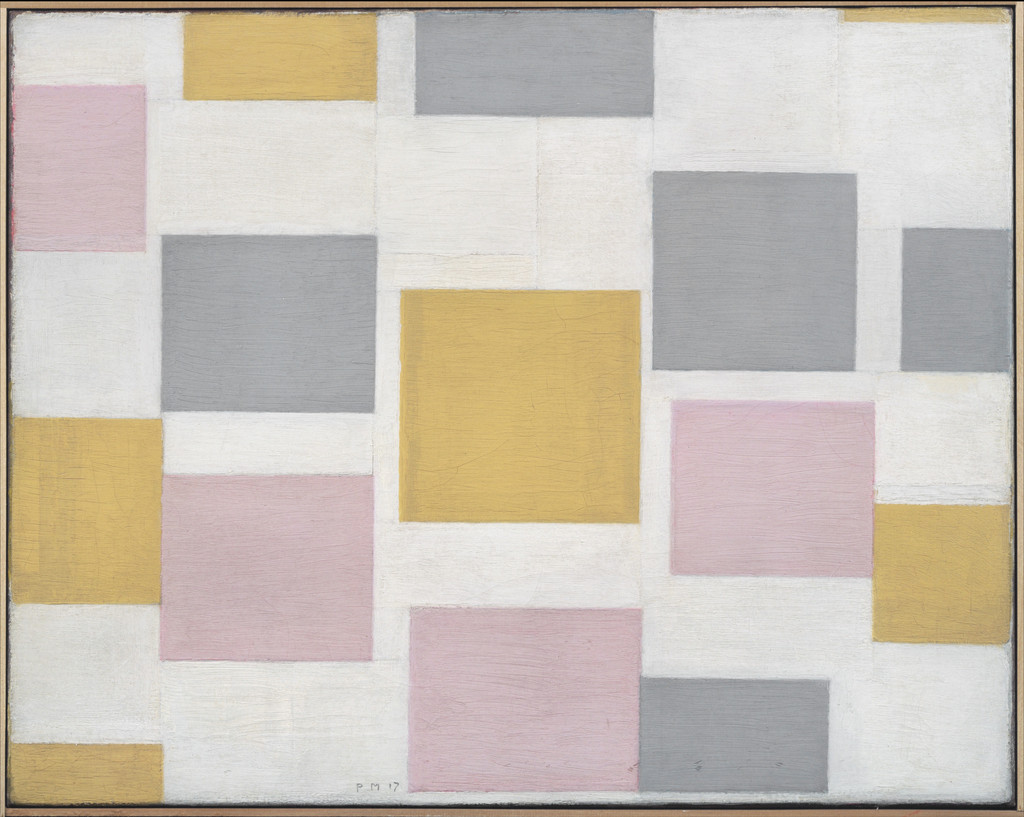
Composition with Color Planes 5
お目にかかれますか?
ただいまはお迎えしていません

ニューヨーク近代美術館
ニューヨーク, アメリカ合衆国
コレクションに属していますが、現在は展示されていません。
- 確認
- この状態になった日
- 出典
- 美術館
作品データ
- 収蔵番号
- 1774.1967
カタログ収録
出入りの記録
現在は非展示
ニューヨーク近代美術館 · 2026年10月5日 — 現在 · 確認済み
展示中 · MoMA, Floor 5, 508
ニューヨーク近代美術館 · 確認済み
出典
- ニューヨーク近代美術館
- 画像: ニューヨーク近代美術館 — © the artist or rights holder
その頃、Piet Mondrianの人生では
生涯をすべて見る1912–1917
The Cubist period
Mondrian was eager to absorb the influence of Cubism but saw it as a port of call on his artistic journey rather than a destination; his Cubist period lasted from 1912 to 1917.
1914–1918
The artists' colony at Laren
During the war Mondrian stayed at the Laren artists' colony, where he met Bart van der Leck and Theo van Doesburg, both of whom were pursuing their own journeys toward abstraction.
1915
Growing close to Theo van Doesburg
In 1915 Mondrian grew close to the painter Theo van Doesburg, with whom he founded the De Stijl movement and the journal of the same name.
1915–1918
Founding De Stijl with Van Doesburg
With Theo van Doesburg Mondrian founded De Stijl, the journal of the De Stijl group, in which he first published essays defining his theory, which he called Neoplasticism.
1919–1920
The first grid paintings
From late 1919 Mondrian produced grid-based paintings, and in 1920 the style for which he became renowned began to appear: at first thin grey lines fading towards the edges of the canvas, with the forms filled with primary colours.
1919–1938
Return to Paris
In 1919 Mondrian left the Netherlands for Paris for the second and last time and at once turned to his studio: to hide its flaws he tacked large single-colour placards to the walls, accented by compositions of smaller coloured paper rectangles. From then on, periods of painting alternated with experiments in regrouping the papers on the walls.