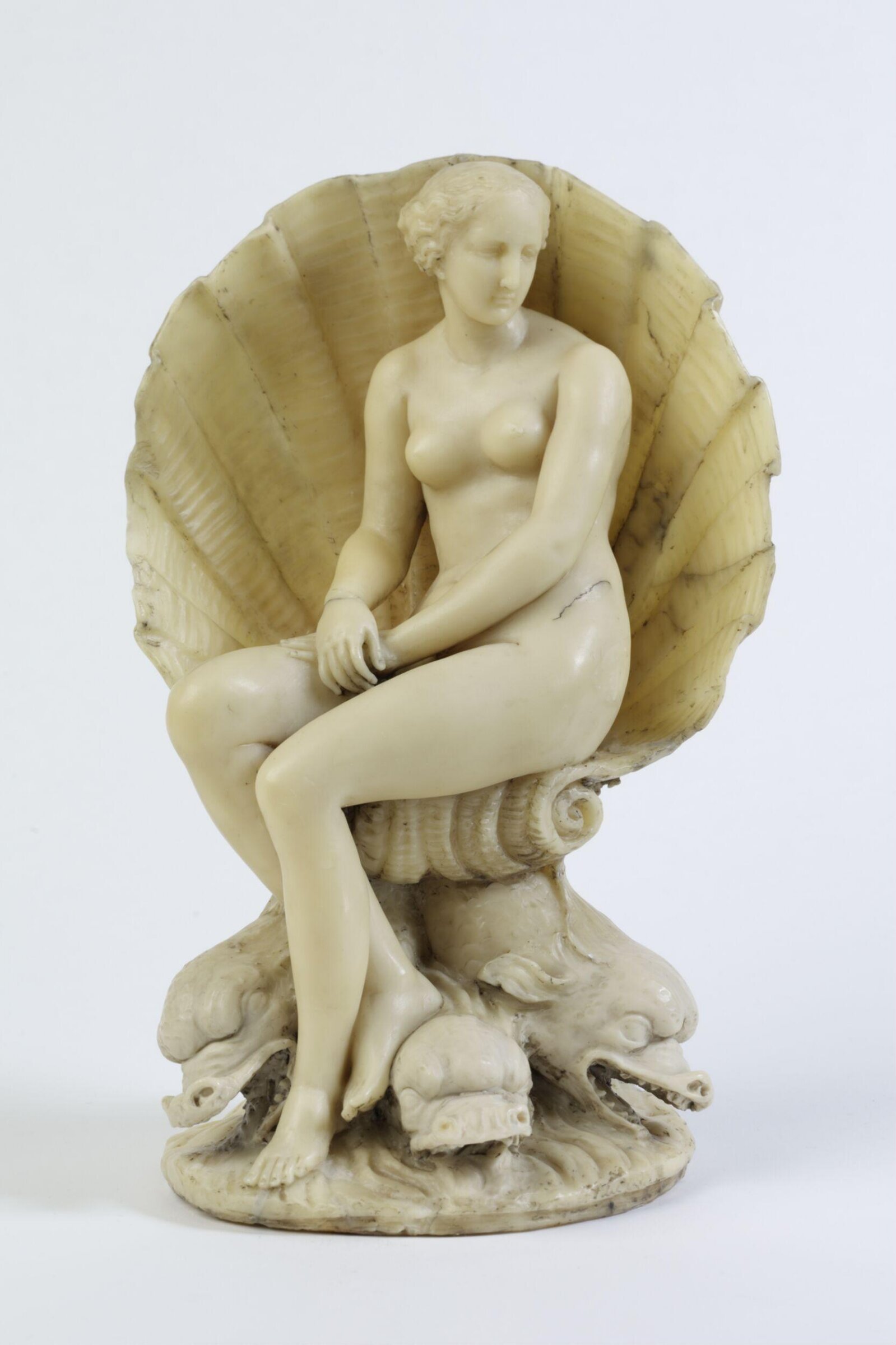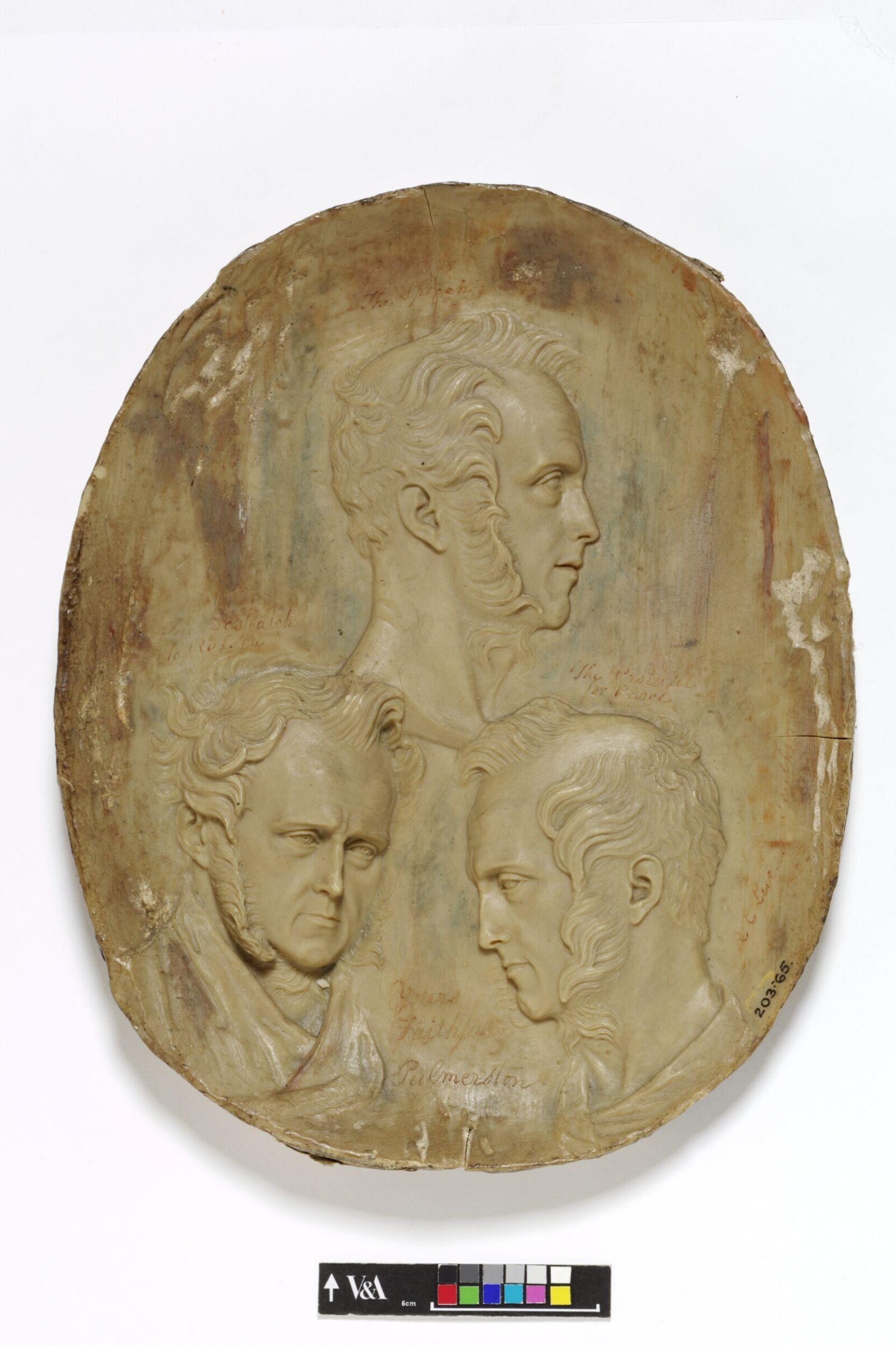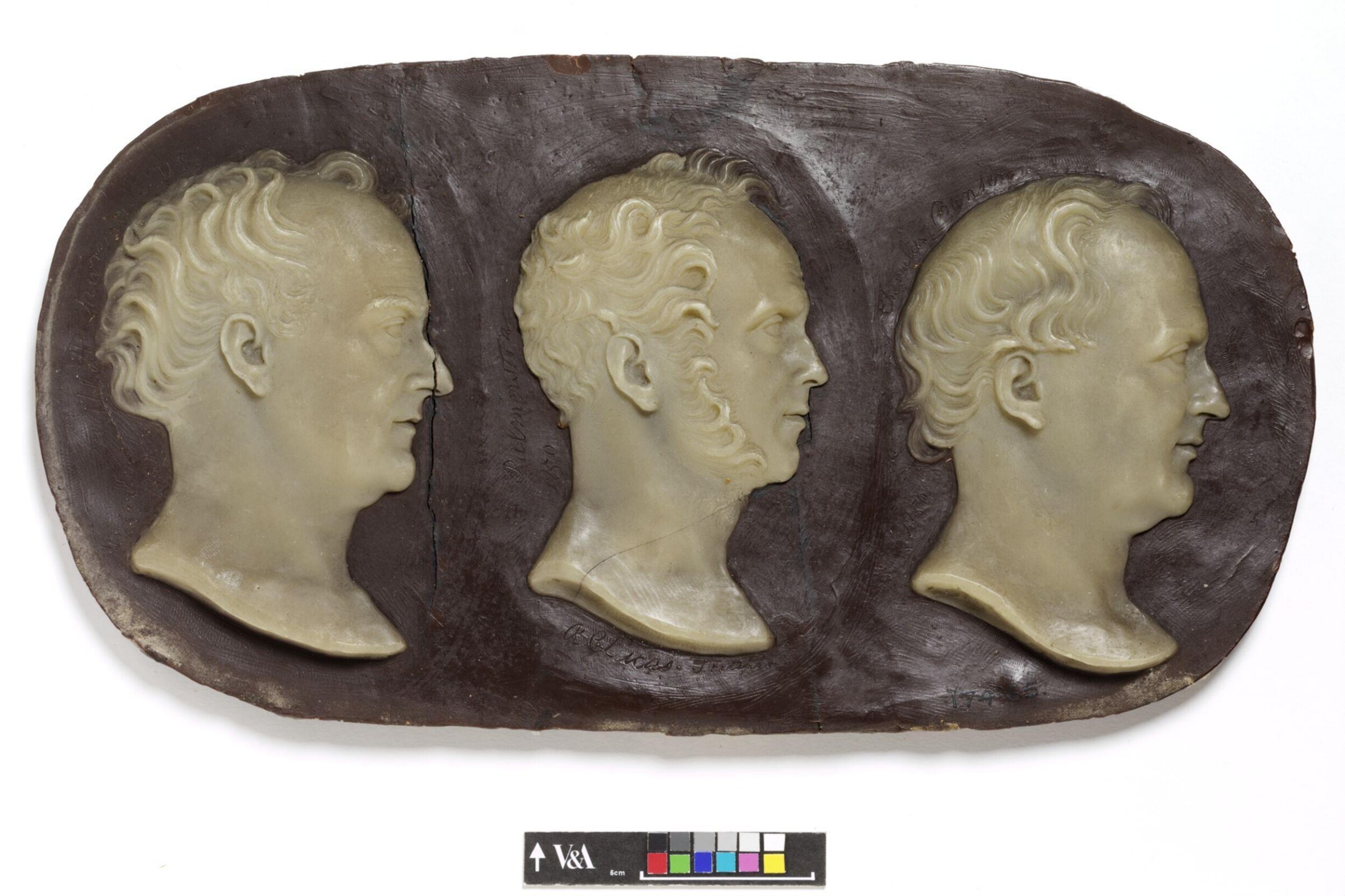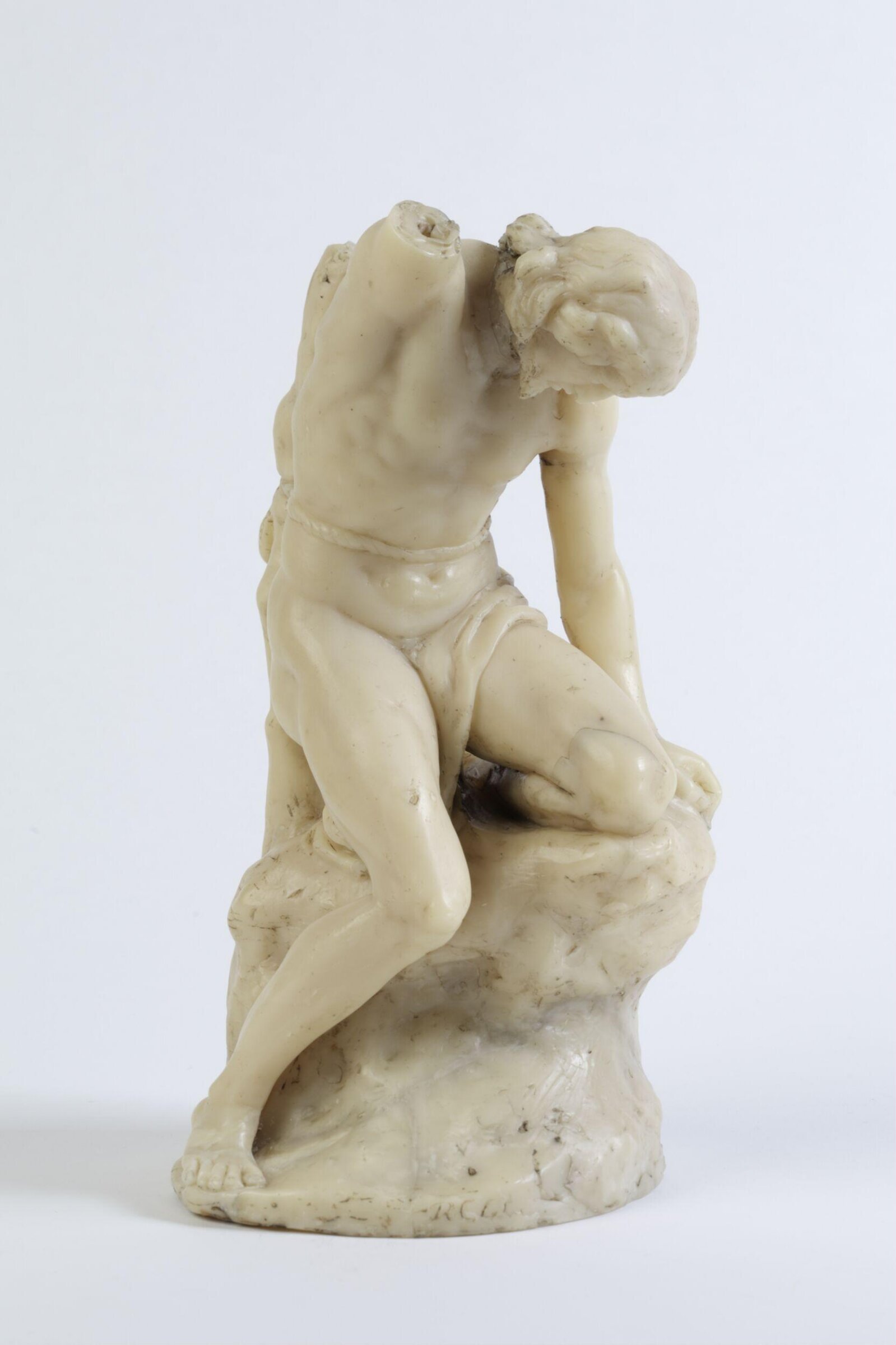
 Richard Cockle Lucasイギリス, 1800–1883
Cleopatra
見られますか?
現在は展示されていません
『Cleopatra』は今どこに? 所蔵: ヴィクトリア&アルバート博物館, ロンドン. 現在は展示されていません. 確認 2026年9月25日.

ロンドン, イギリス
コレクションに属していますが、現在は展示されていません。
- 確認
- この状態になった日
- 出典
- 美術館
この彫刻について
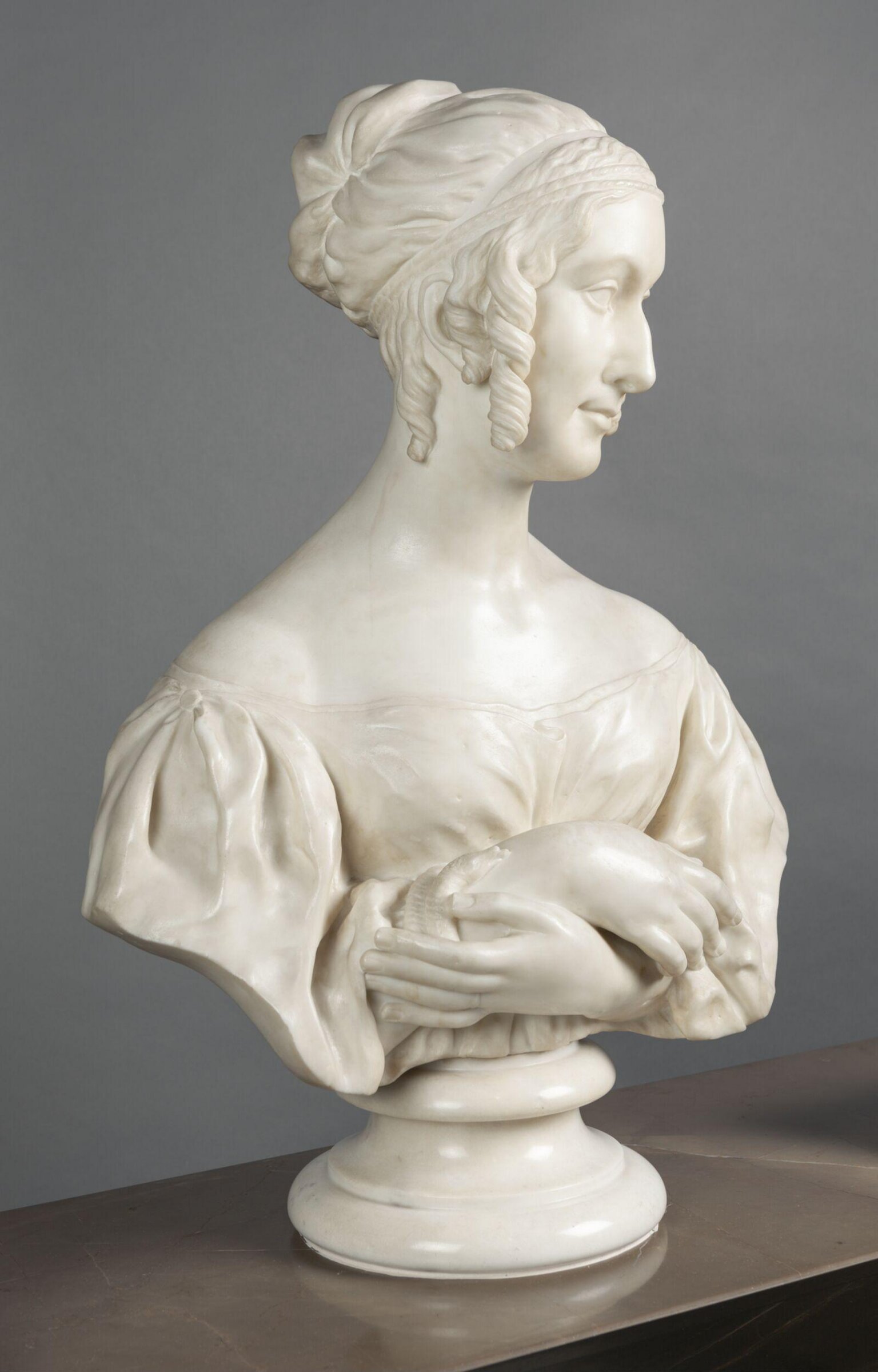
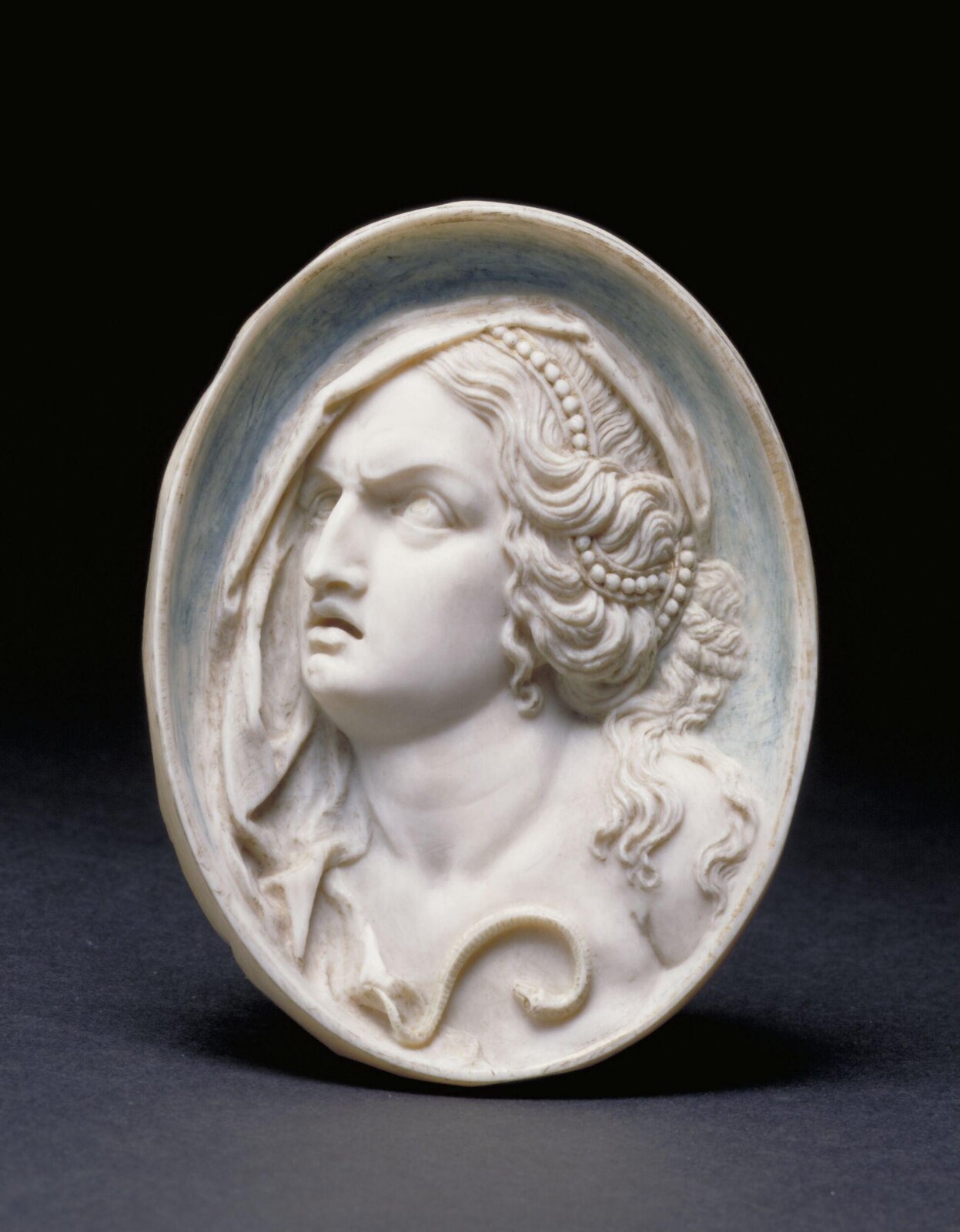
This is an ivory medallion plaque made by Richard Cockle Lucas in ca. 1847 in Britain. The plaque is carved in high relief and represents bust of Cleopatra with the Asp.
続きを読む
Richard Cockle Lucas (1800-1883) is mainly known as a sculptor in wax and ivory, but he also worked in glass, marble and bronze, as well as being a painter. Lucas began his career as a sculptor as an apprentice to his uncle, who worked as a cutler in Winchester, carving knife handles. He joined the Royal Academy Schools in 1828 and studied under Richard Westmacott. Lucas made two models of the Parthenon, in its original state and after the explosion of 1687, which were acquired by the British Museum. He is best known for his small scale works including wax sculptures and ivory carvings. Lucas was at the centre of a controversy about the bust of Flora in the Kaiser Friedrich Museum in Berlin. The bust was thought to be an authentic work by Leonardo da Vinci but the sculptor's son Albert Dürer Lucas claimed in the Burlington Magazine that the bust was modelled by his father.
It is now generally thought that the bust is probably by Leonardo or his circle but was repaired by Lucas. He exhibited at the Royal Academy between 1829 and 1859 and showed ivory carvings and imitation bronzes at the Great Exhibition in 1851.
This oval ivory relief, depicting a classical subject, is typical of Richard Cockle Lucas’s works, and to some extent typifies the taste of mid-nineteenth century Britain in a number of ways: the employment of ivory, an exotic and organic material, as well as an experimental use of colour; the attempt to convey monumentality in a cameo form, and above all the subject, recalling the mythology and history of the ancient world. Here the classical form has been re-interpreted and transmogrified by the style and taste of mid-nineteenth-century Britain.
The technique of carving ivory clearly appealed to the sculptor, who began his training as an apprentice to his uncle, a cutler in Winchester, where he must have learnt how to work on a small scale, perhaps carving ivory knife handles. Ivory, always a precious and unusual material in Europe, was used for innumerable virtuoso reliefs and figure groups during the medieval and baroque periods. The ivory tusks were generally imported to Europe from Africa. They could be purchased and shipped to London relatively easily, due to the flourishing trade [in manifold items shipped to] between Europe and [from] the African continent, and thanks in part to Britain’s extensive imperial power. The ivory thus transported to Britain was employed to make a variety of luxury, decorative and artistic objects, including sculpture.
ヴィクトリア&アルバート博物館
作品データ
- 収蔵番号
- 189-1865
描かれているもの
カタログ収録
出典
- ヴィクトリア&アルバート博物館
- 画像: ヴィクトリア&アルバート博物館 — © Victoria and Albert Museum, London