 Piet Mondrianオランダ, 1872–1944
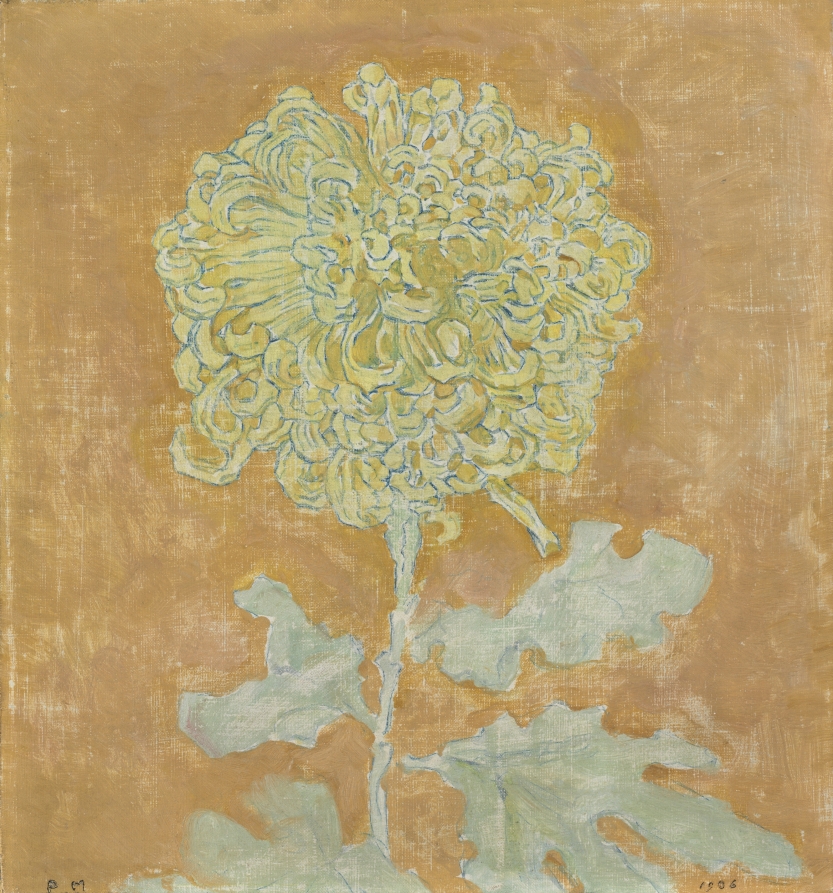
Chrysanthemum
お目にかかれますか?
ただいまはお迎えしていません

クリーブランド美術館
クリーブランド, アメリカ合衆国
コレクションに属していますが、現在は展示されていません。
- 確認
- この状態になった日
- 出典
- 美術館
この絵画について
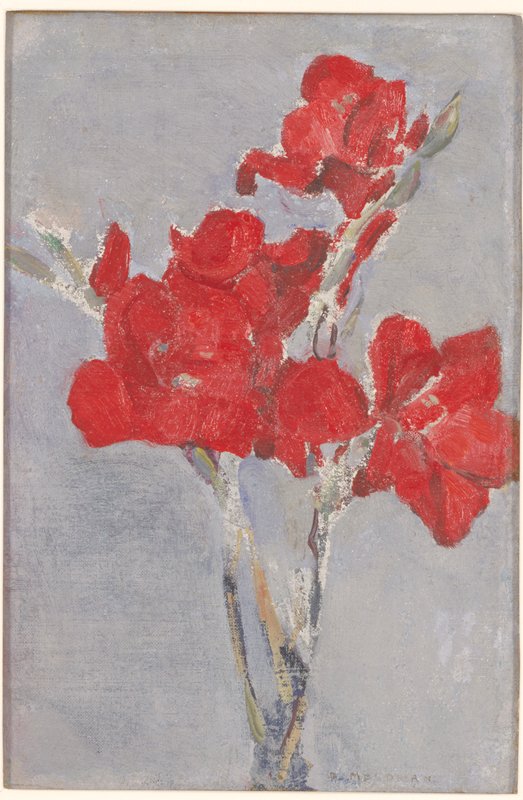
Fascinated by the complex structure of chrysanthemums, Mondrian painted these delicate flowers throughout his career. This single, frontal blossom recalls the stylized chrysanthemums of Japanese prints. Mondrian added the initials and date near the bottom edge sometime after painting the flower. Since he returned to this subject repeatedly, even during his later years, this painting may have been produced as late as 1942, the year Mondrian exhibited it in New York.
クリーブランド美術館
作品データ
- 収蔵番号
- 1958.38
カタログ収録
出典
- クリーブランド美術館
- 画像: クリーブランド美術館 — Museum open access
その頃、Piet Mondrianの人生では
生涯をすべて見る1912–1914
Move to Paris
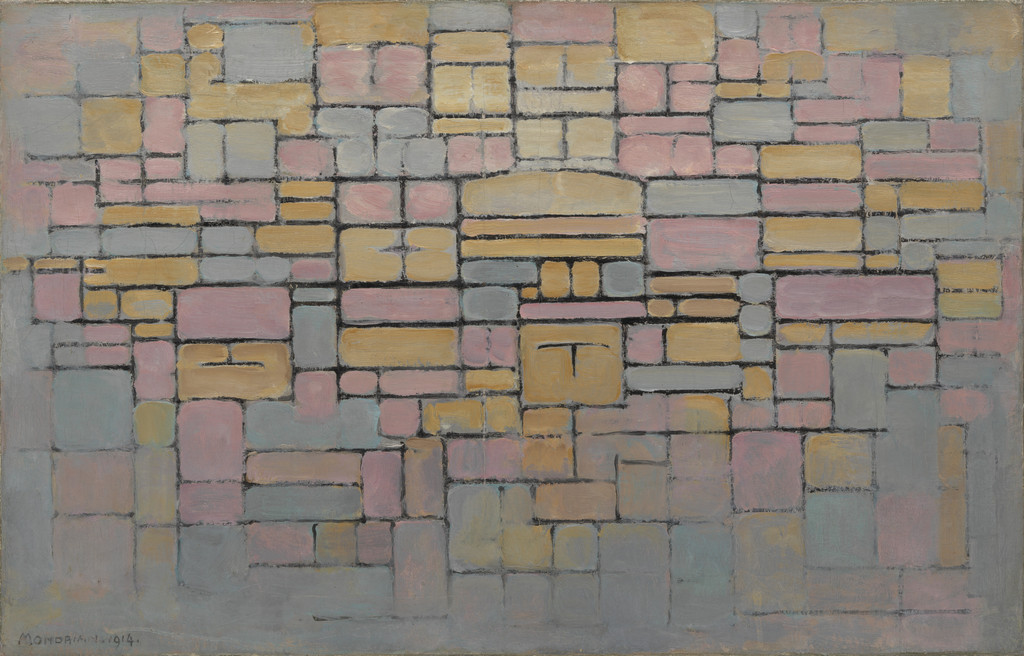
In 1912 Mondrian moved to Paris, where the Cubism of Picasso and Braque showed in his work almost at once: “The Sea” (1912) and his studies of trees from that year still keep a measure of representation but are increasingly dominated by geometric shapes and interlocking planes.
1913
The final break with representation
In 1913 Mondrian began to fuse his art and his theosophical studies into a theory that signalled his final break from representational painting.
1914
The war catches Mondrian in the Netherlands
While Mondrian was visiting the Netherlands in 1914, the First World War began, forcing him to stay there for the duration of the conflict; in isolation he began to create his own visual language, with works such as “Composition 10 in Black and White” (1915).
1915–1918
Founding De Stijl with Van Doesburg
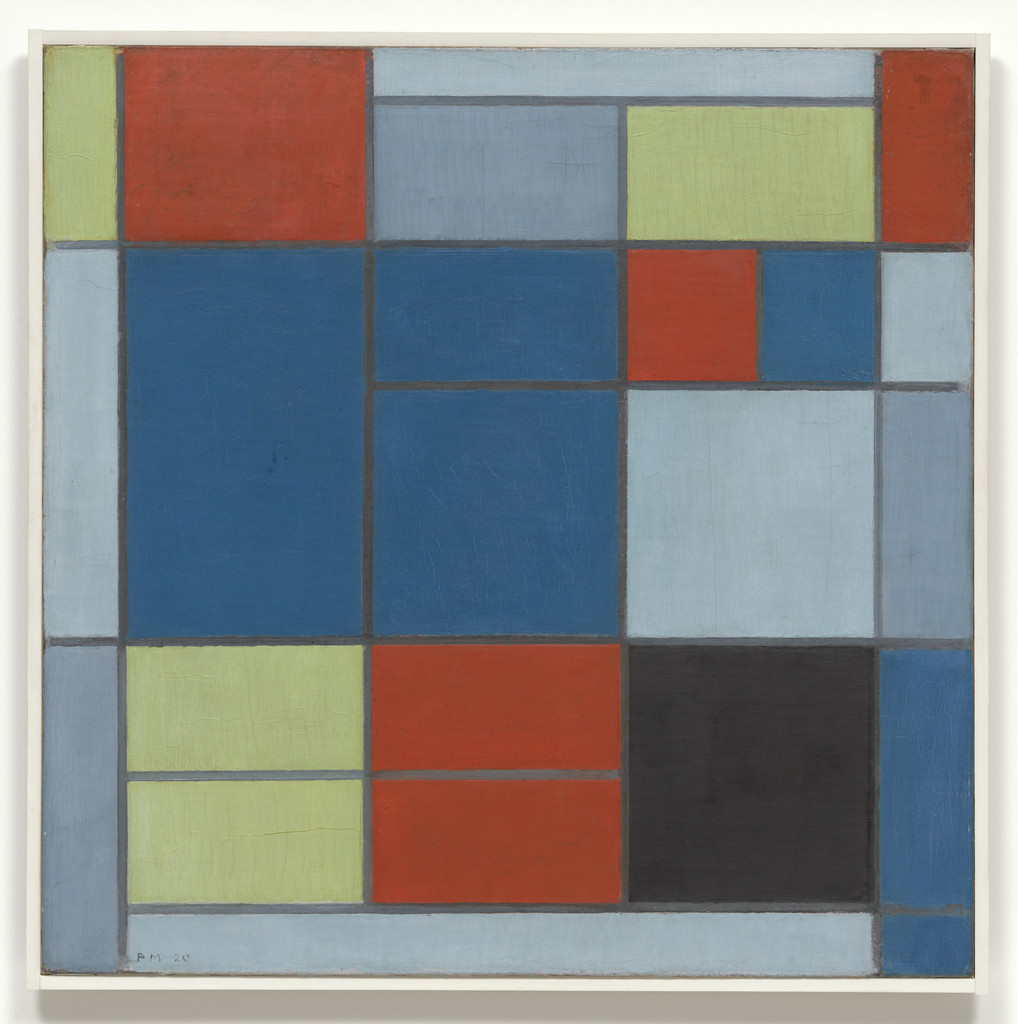
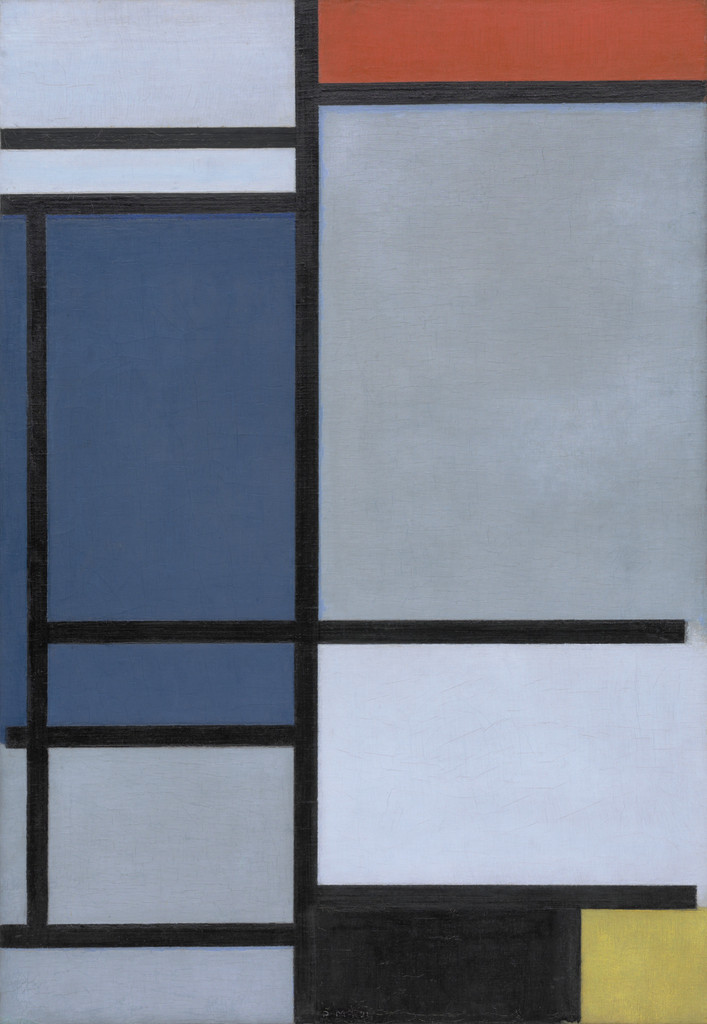
With Theo van Doesburg Mondrian founded De Stijl, the journal of the De Stijl group, in which he first published essays defining his theory, which he called Neoplasticism.
23 September 1940
Sailing from Liverpool to New York
After the Netherlands were invaded and Paris fell, Mondrian left London and on 23 September 1940 sailed from Liverpool aboard the Cunard White Star liner RMS Samaria for New York, where he remained until his death.
1944年2月1日
Died