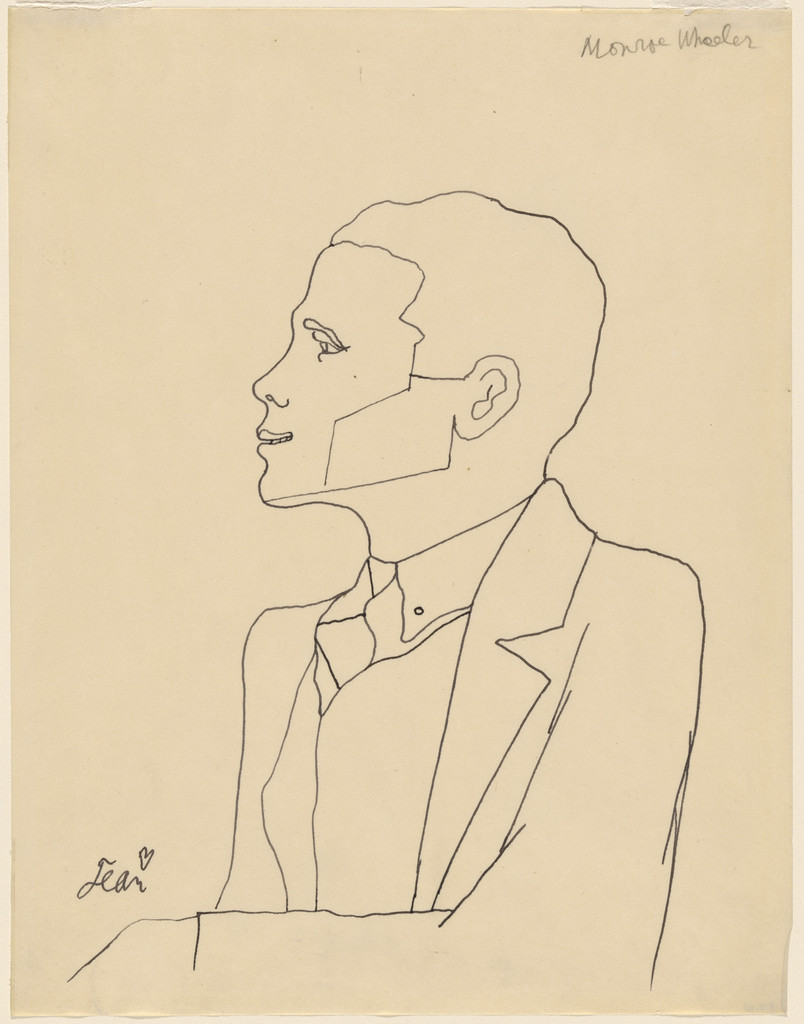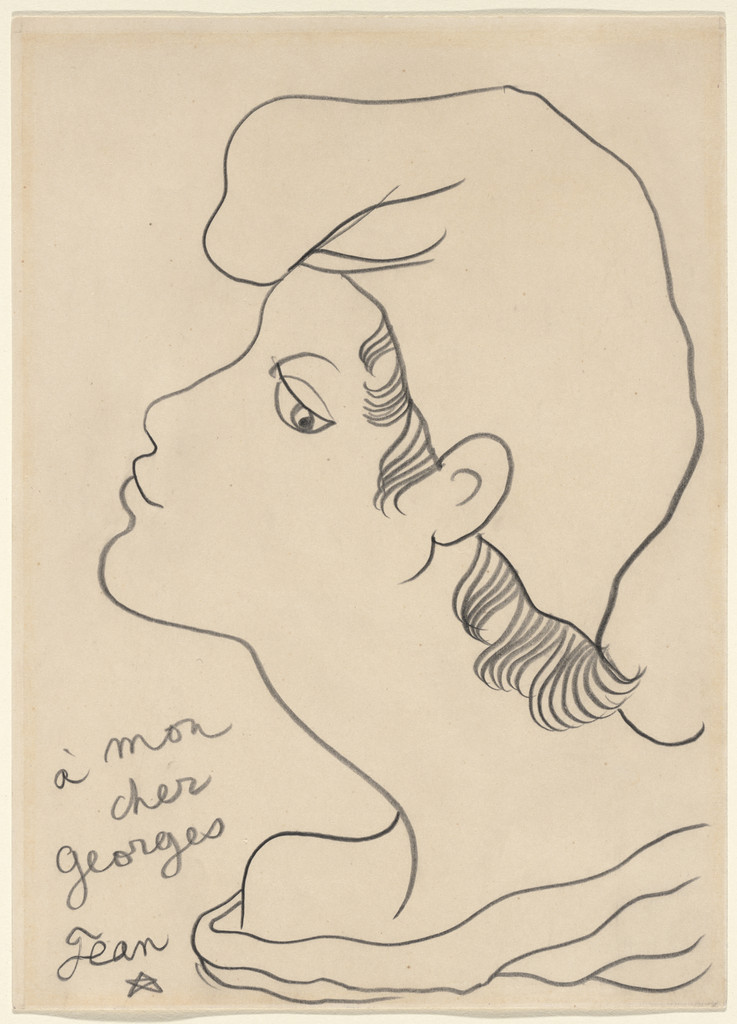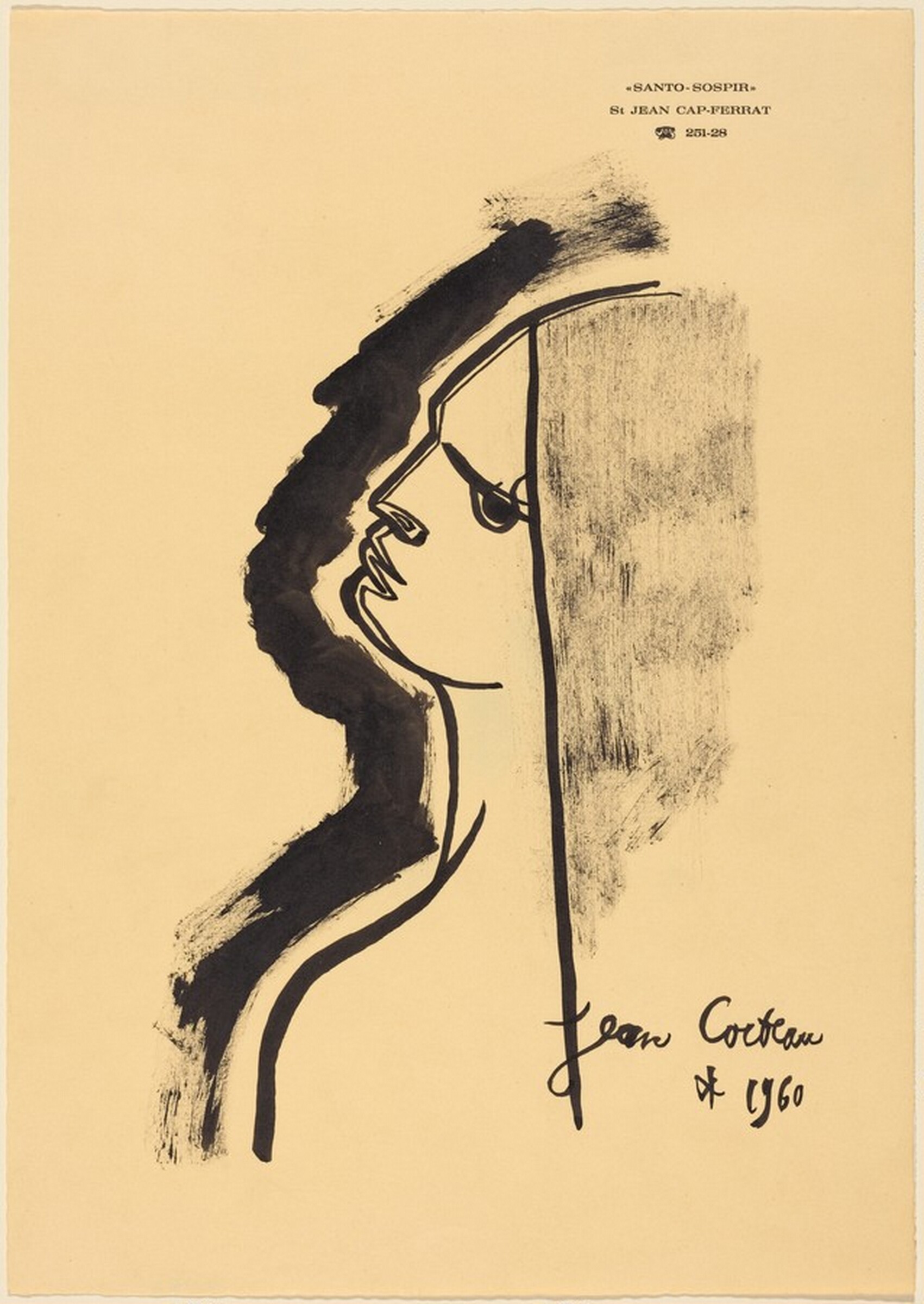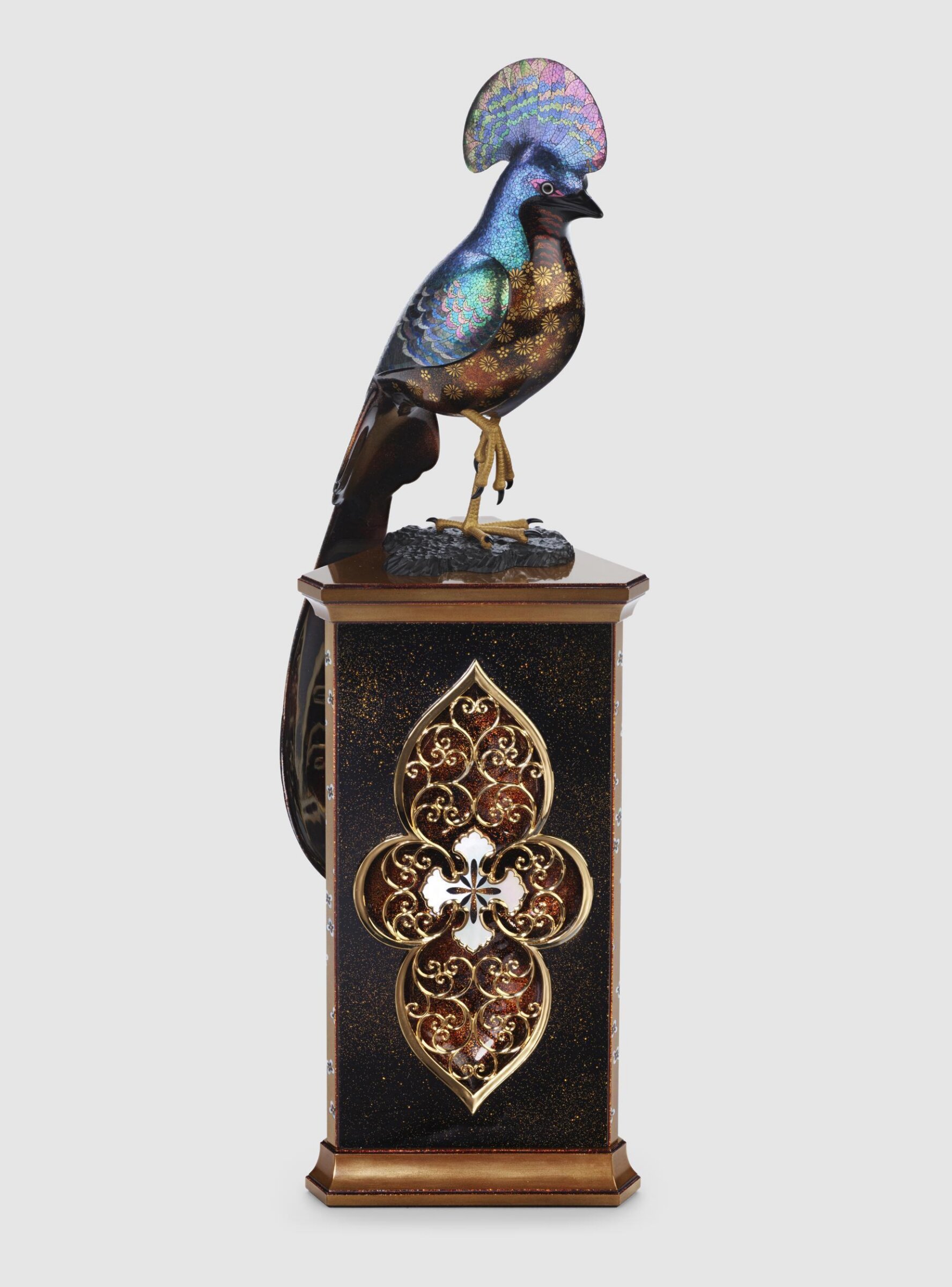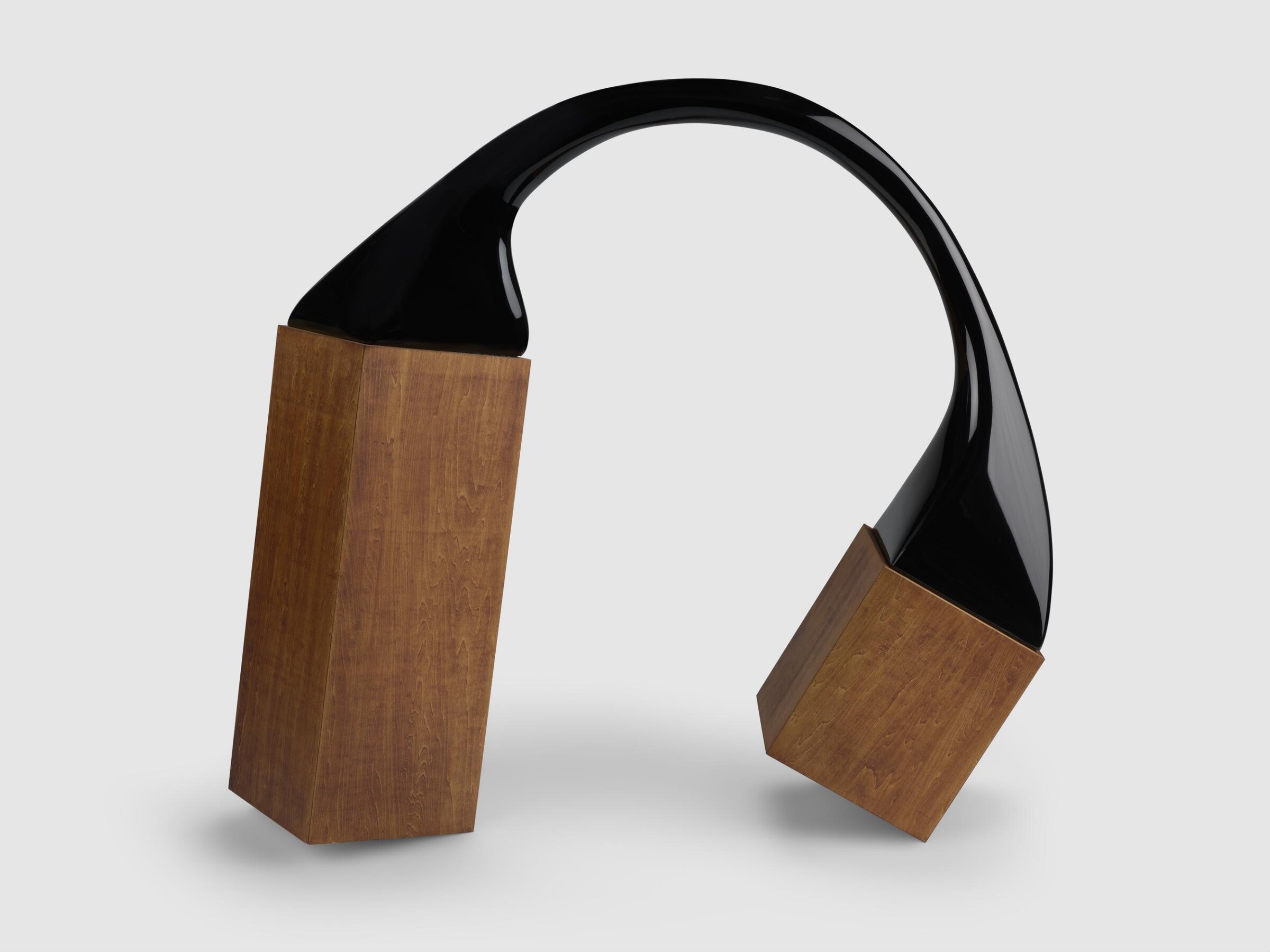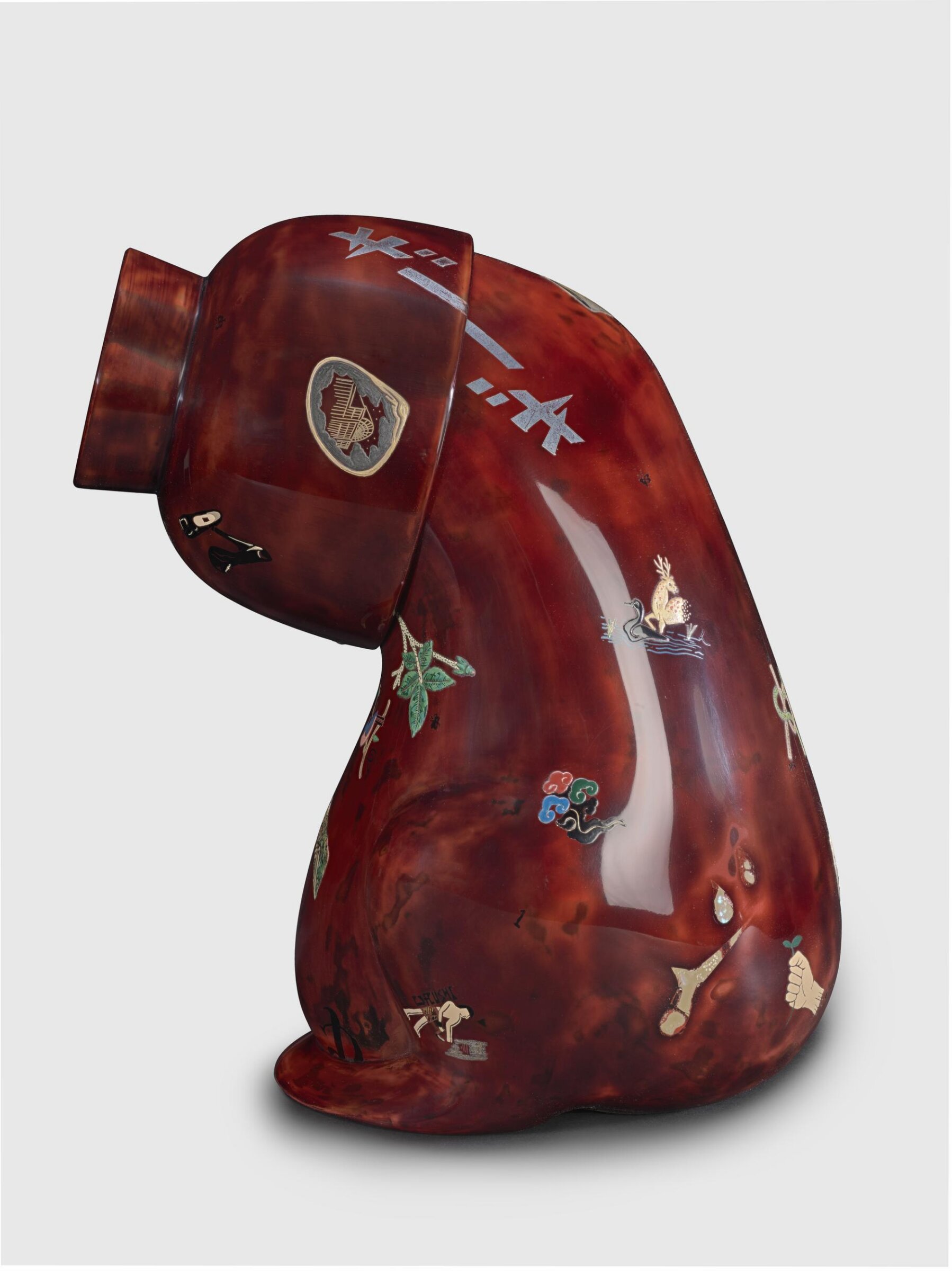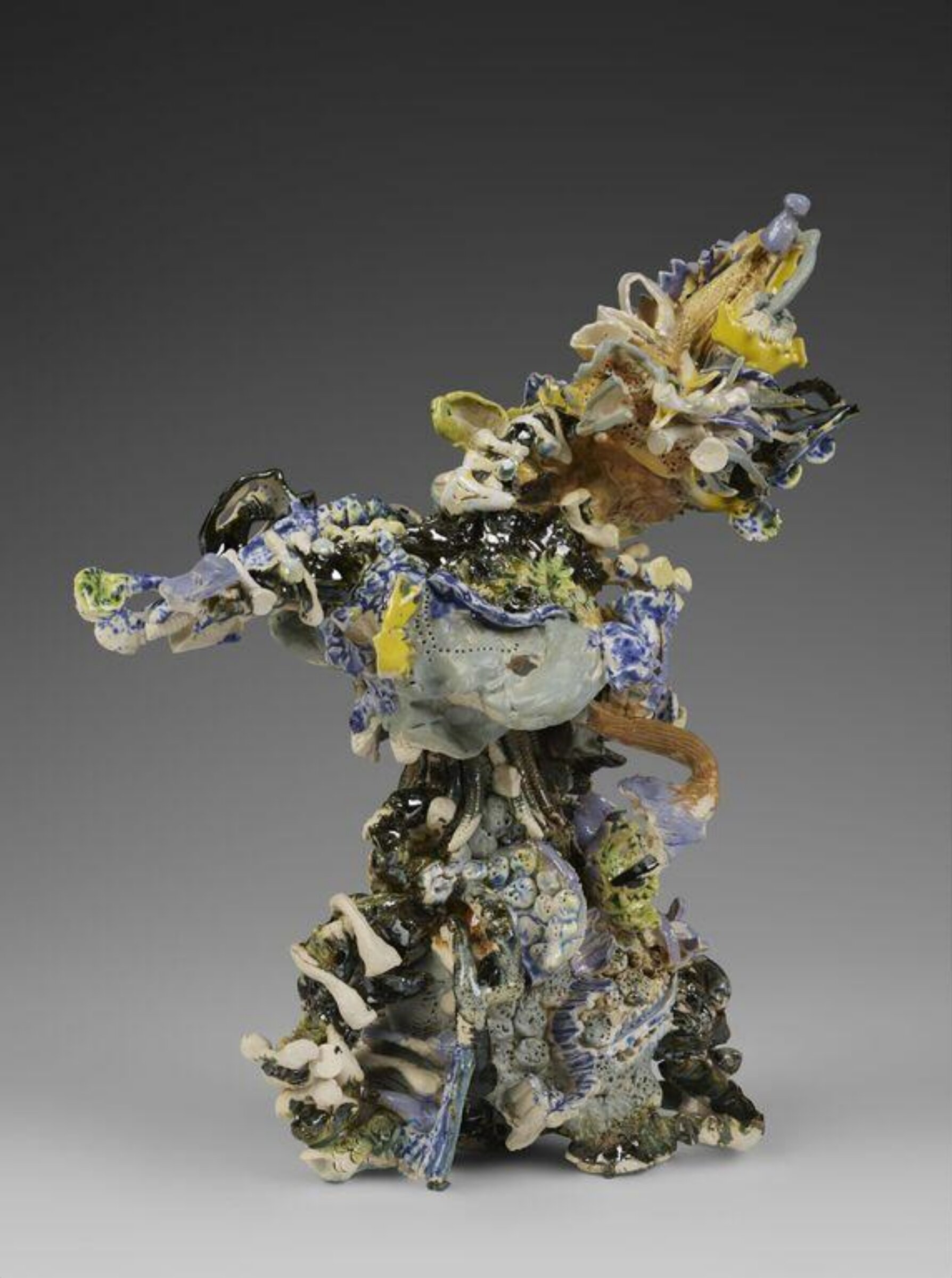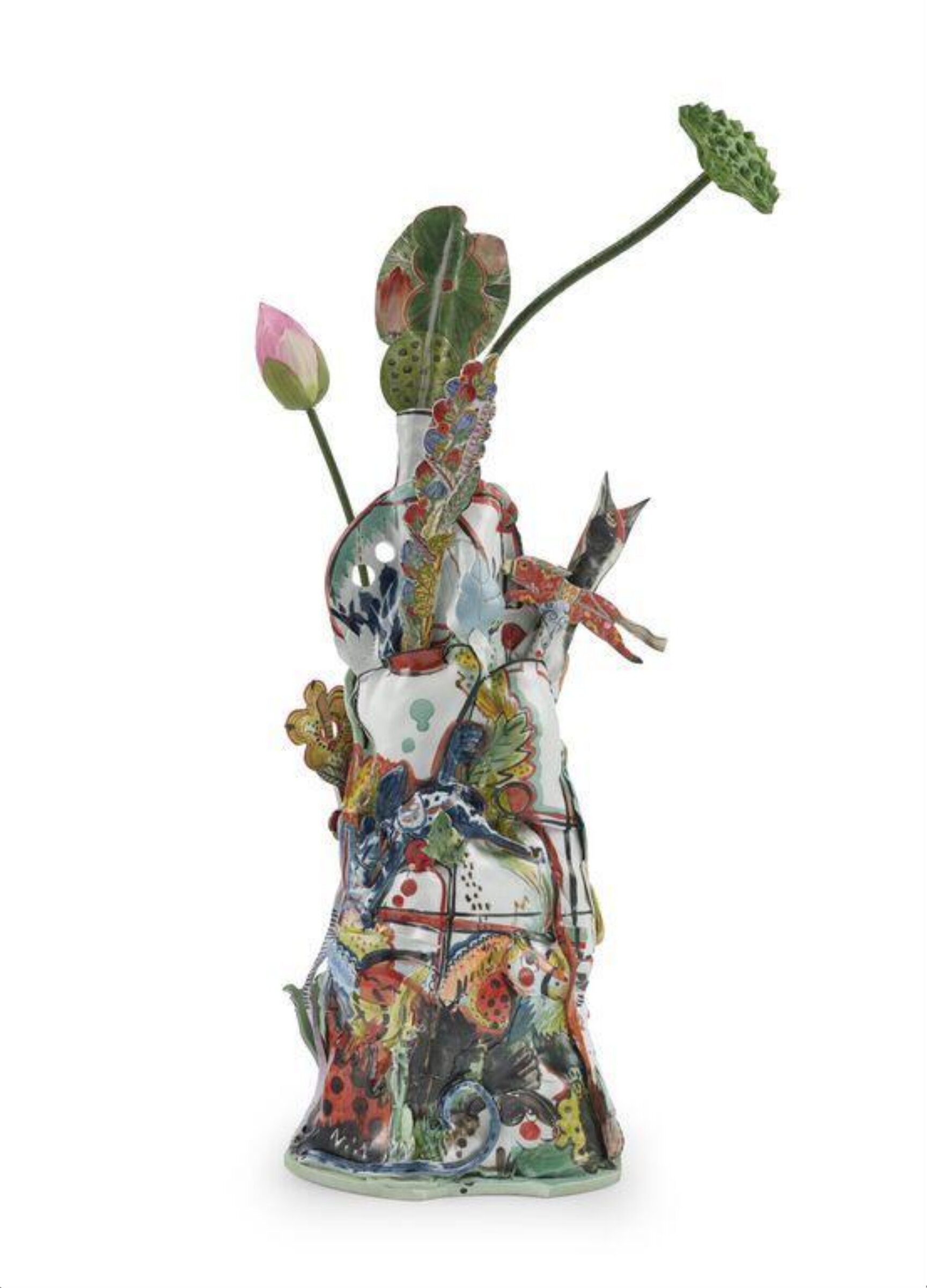
 Jean Cocteauフランス, 1889–1963
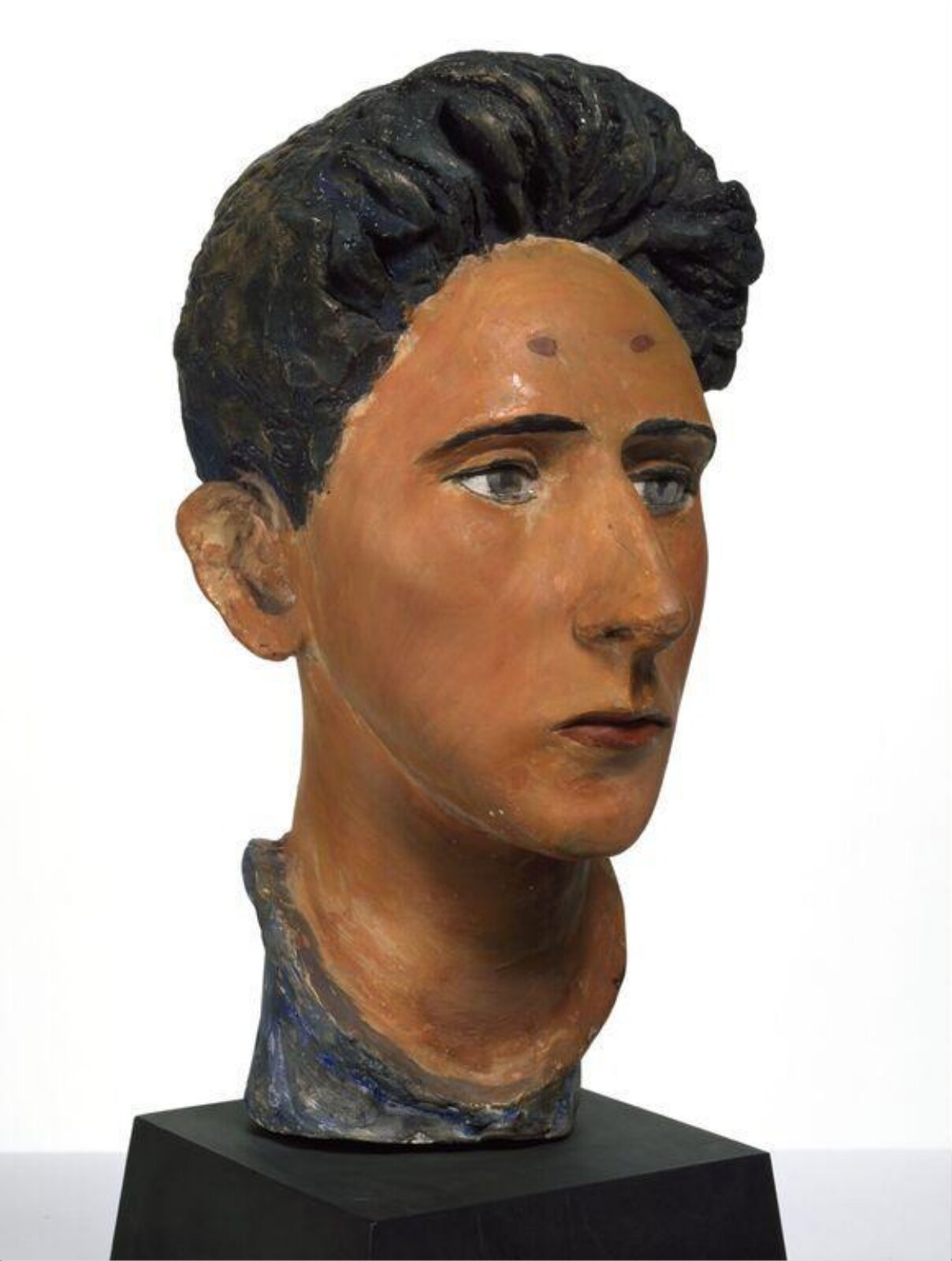
Bust
見られますか?
現在は展示されていません
『Bust』は今どこに? 所蔵: ヴィクトリア&アルバート博物館, ロンドン. 現在は展示されていません. 確認 2026年9月25日.

ロンドン, イギリス
コレクションに属していますが、現在は展示されていません。
- 確認
- この状態になった日
- 出典
- 美術館
作品データ
- 収蔵番号
- S.536-1979
カタログ収録
出典
- ヴィクトリア&アルバート博物館
- 画像: ヴィクトリア&アルバート博物館 — © Victoria and Albert Museum, London
その頃、Jean Cocteauの人生では
生涯をすべて見る1898–1899
His father’s suicide; raised by his grandfather
His father, the lawyer and amateur painter Georges Cocteau, died by suicide when Jean was nine; he was raised by his grandfather, a music lover and collector whose holdings included paintings by Ingres and Delacroix, Greek statues and musical instruments. Cocteau believed he owed his upbringing and education to his grandfather.
1918–1923
Friendship with Raymond Radiguet
In 1918 he met the poet Raymond Radiguet; they collaborated on literary projects and travelled together, and Cocteau helped him obtain exemption from military service, arranged for Grasset to publish his novel “Le Diable au corps,” and used his influence to have it awarded the “Nouveau Monde” prize.
1923
The death of Raymond Radiguet
There is disagreement over Cocteau’s reaction to Radiguet’s sudden death: some say he was stunned and despondent, others point out that he did not attend the funeral (he generally did not) and left Paris at once with Diaghilev for a performance of “Les Noces” by the Ballets Russes at Monte Carlo.
1923
Opium addiction
By Cocteau’s own account his opium addiction was only a coincidence, the result of a chance meeting with Louis Laloy, administrator of the Monte Carlo Opera; his opium use and his efforts to stop profoundly changed his literary style.
1926
The exhibition “Poésie plastique — objets, dessins”
“Orphée” was quickly followed by an exhibition of his drawings and “constructions” called “Poésie plastique — objets, dessins.”
1929
The opium cure and the novel “Les Enfants terribles”
During a strenuous opium cure he wrote “Les Enfants terribles” in a week and kept the illustrated diary “Opium: Diary of a Cure”; he was supported by his friend the Catholic philosopher Jacques Maritain, under whose influence he briefly returned to the sacraments of the Church.