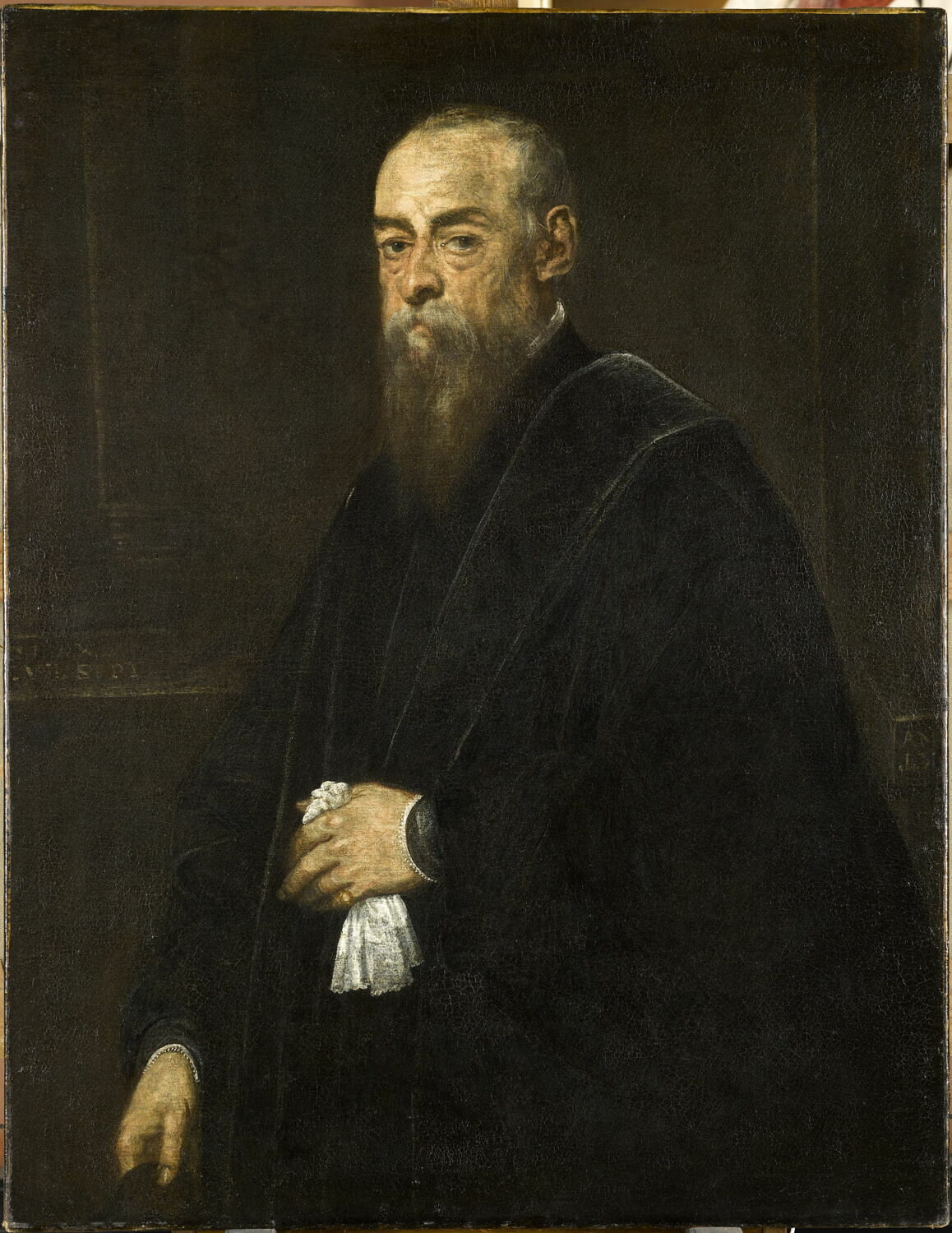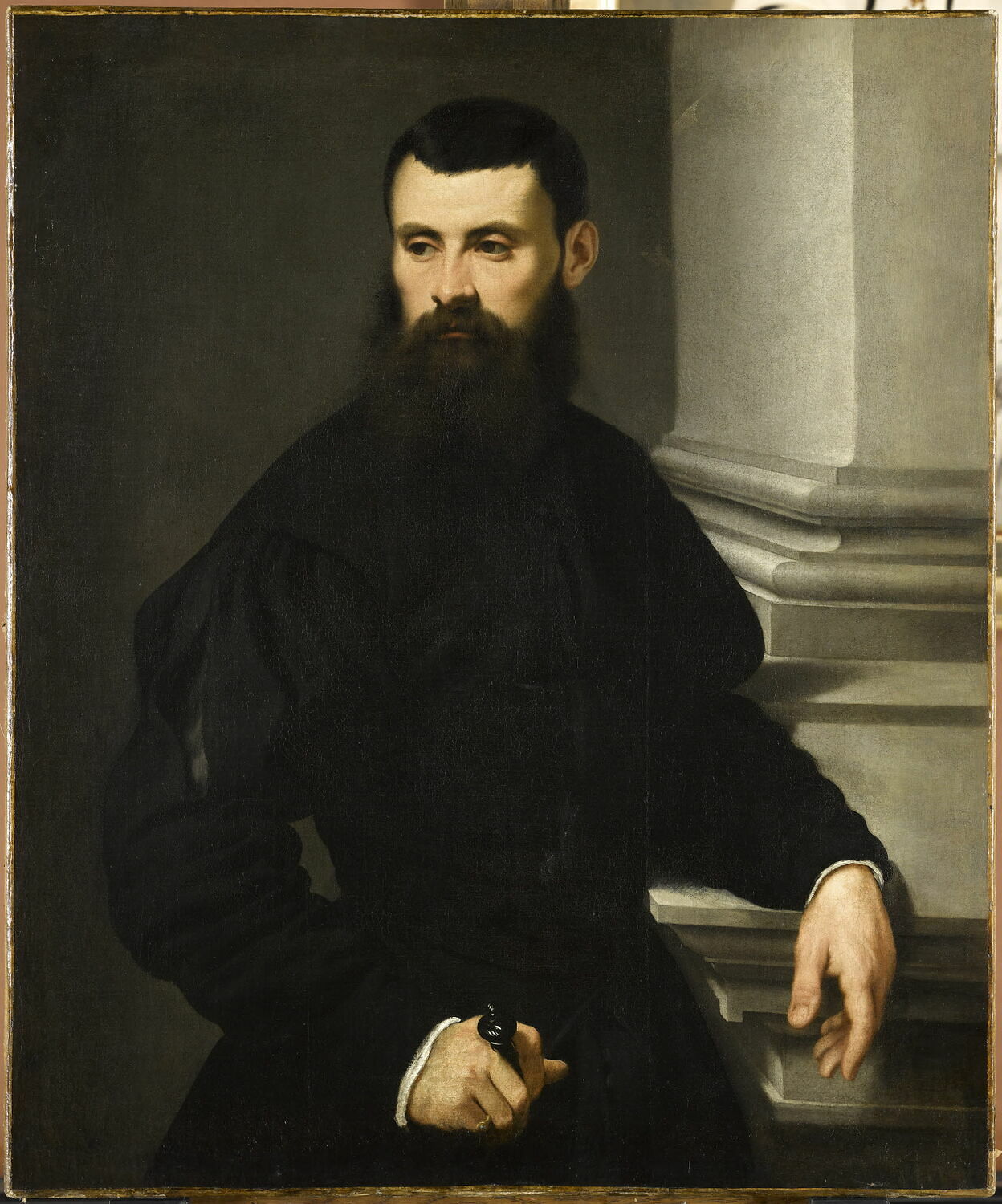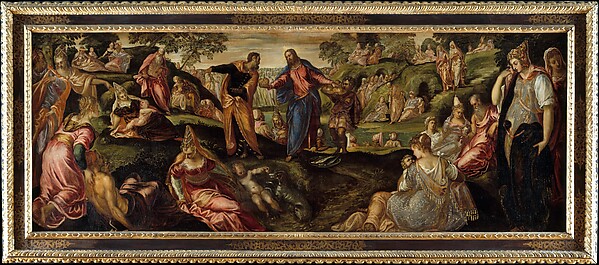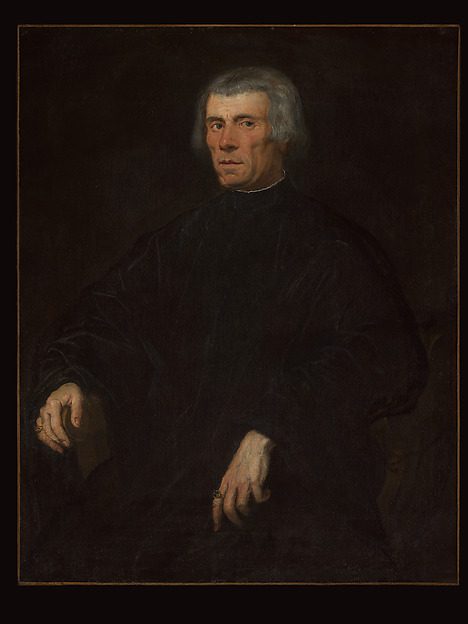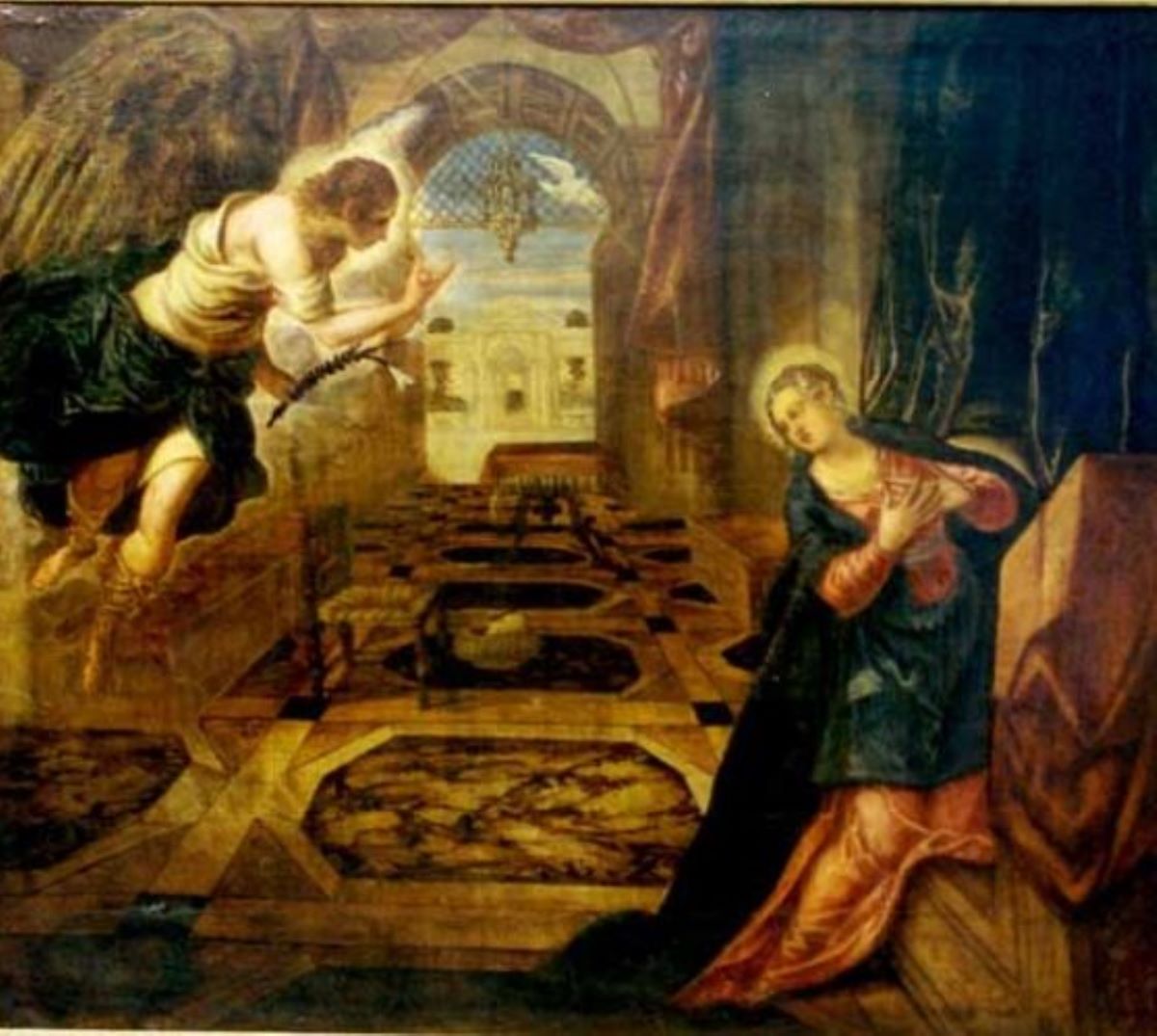
 Jacopo Tintorettoイタリア, 1518–1594
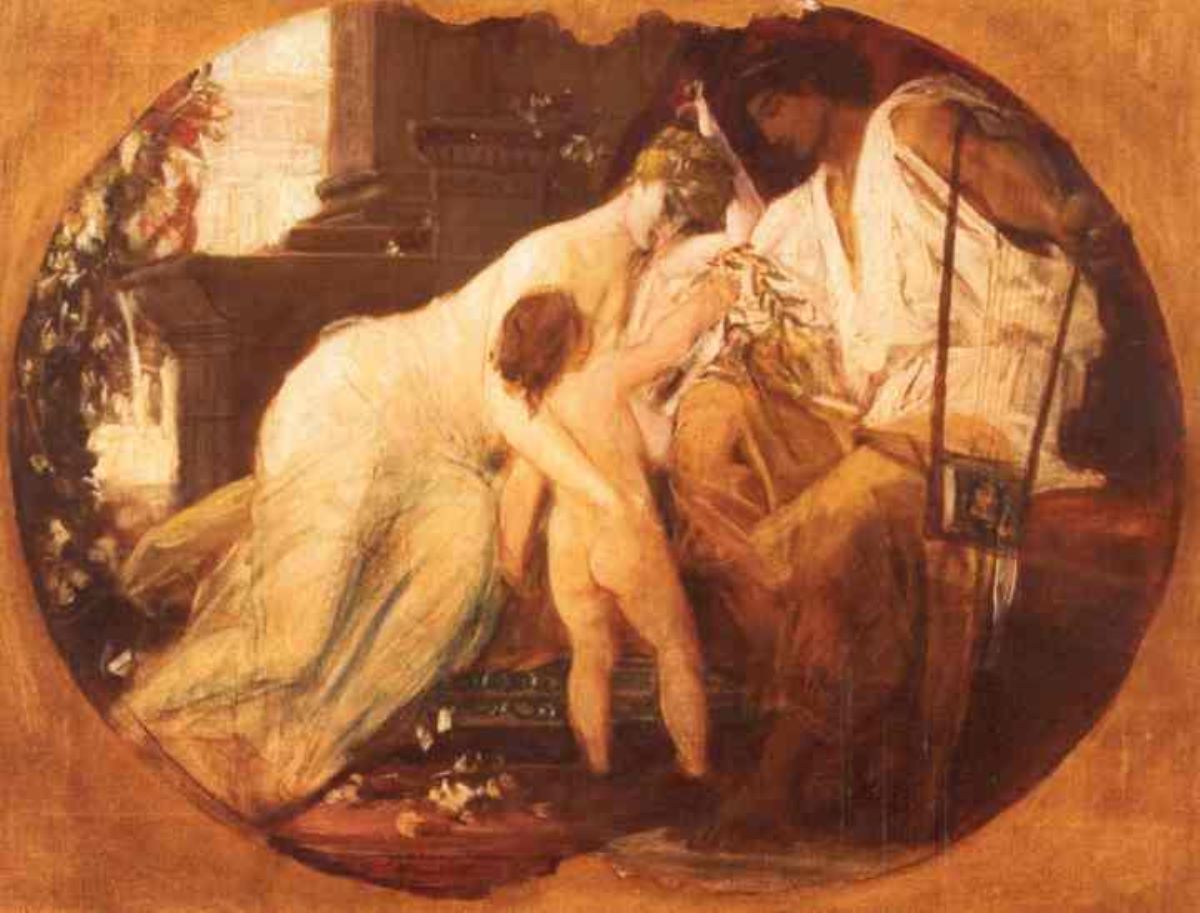
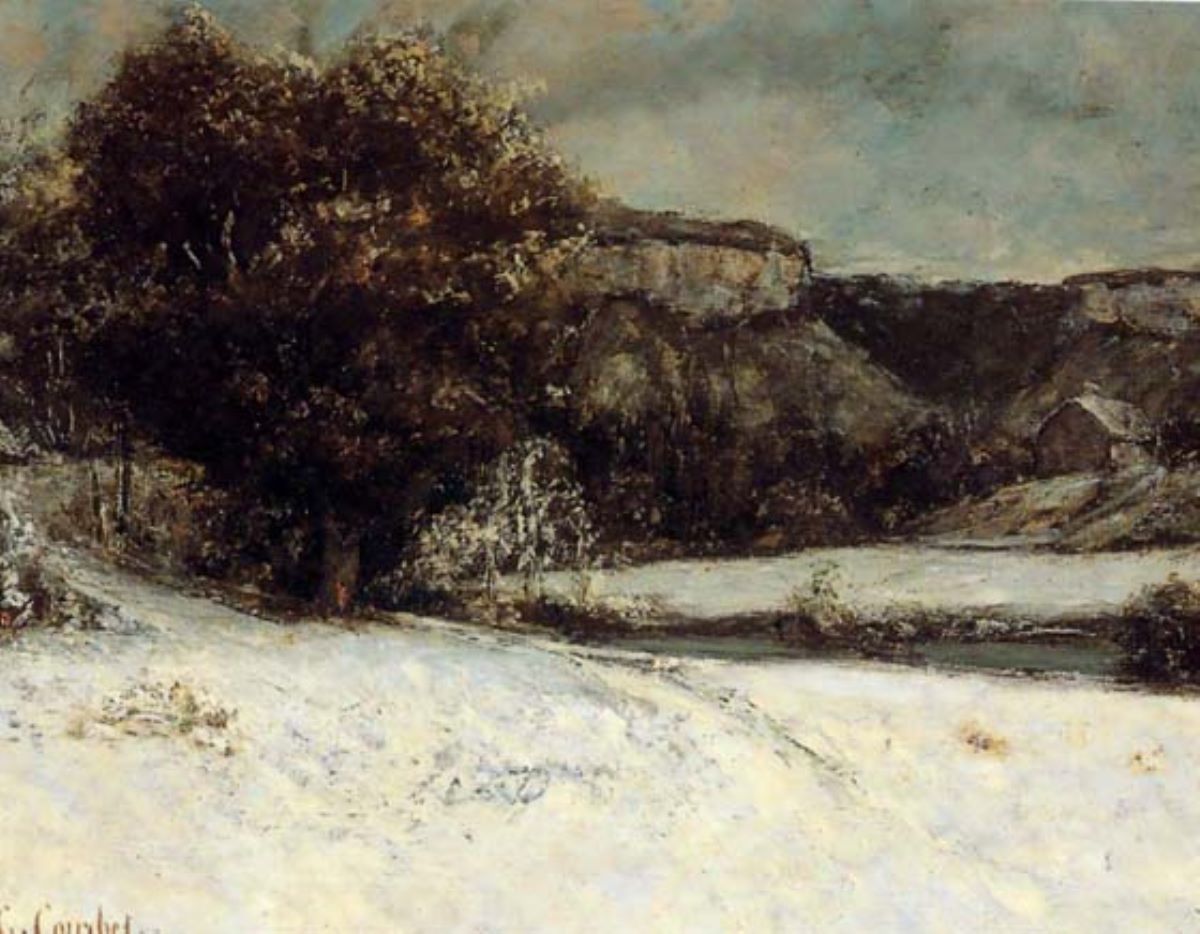
Buna Vestire
見られますか?
不明
『Buna Vestire』は今どこに? 所蔵: ルーマニア国立美術館, ブカレスト. 不明.

ブカレスト, ルーマニア
所蔵者は判明していますが、現在展示中かどうかは不明です。
- この状態になった日
- 出典
- 美術館
この絵画について
美術館の言葉で — ルーマニア語
Critica de specialitate apreciază tabloul din colecția muzeului drept prototip în creația artistului.
ルーマニア国立美術館
作品データ
カタログ収録
出典
- ルーマニア国立美術館
- 画像: ルーマニア国立美術館 — CC BY-SA 4.0
その頃、Jacopo Tintorettoの人生では
生涯をすべて見る1519
Born
1530
Ten days in Titian’s studio
Noticing his son’s extraordinary talent for painting, his father placed him in Titian’s studio in 1530, but Jacopo spent no more than ten days there (by another version, a few weeks): according to legend Titian did not want to keep a future dangerous rival. From then on the two artists’ relations remained hostile, although Tintoretto went on admiring Titian; many scholars deny the “apprenticeship” altogether.
1539
Becomes an independent master
A notarised document shows that in 1539 Tintoretto already had the status of an “independent artist” known under that name; his very first works have not survived.
c. 1560
Begins work in the Doge’s Palace
It was probably then that he began his numerous paintings for the Doge’s Palace; the first there was a portrait of the Doge Girolamo Priuli.
1564
The San Rocco competition: a finished ceiling instead of a sketch
Of the four finalists (Tintoretto, Federico Zuccaro, Giuseppe Salviati and Paolo Veronese) invited to submit models for a ceiling painting of Saint Roch in Glory for the Sala dell’Albergo, Tintoretto produced no sketch: he secretly installed a full-sized finished painting on the ceiling and on the day of the competition offered it as a gift — perhaps aware that a bylaw prohibited rejecting any gift. The ruse has been called “the most notorious incident” of his career.
1594年5月31日
Died