ART WIKI32,963 点が展示中
地図コレクション作家美術館展覧会ジャーナル
ログイン

ART WIKI

名画の居場所と、扉の開く時刻。

所蔵館:J・ポール・ゲティ美術館、アムステルダム国立美術館、ヴィクトリア&アルバート博物館、エルミタージュ美術館、クリーブランド美術館、ゲティ・ヴィラ、コペンハーゲン国立美術館、シカゴ美術館、スミソニアン・アメリカ美術館、スミソニアン国立アジア美術館、トレチャコフ美術館、ナショナル・ギャラリー、ニューヨーク近代美術館、ハーシュホーン博物館と彫刻の庭、ハーバード美術館群、プーシキン美術館、ホイットニー美術館、ミネアポリス美術館、メトロポリタン美術館、ルーヴル美術館、ロシア美術館、国立肖像画美術館、ロシア博物館資料国家目録(274館)、Europeana(19館)、ウィキデータ(6館)、Paris Musées(12館)、Joconde(フランス文化省の美術館データベース)(495館)。画像の権利は各権利者に帰属します。

ご案内

  • 地図
  • 検索
  • コレクション
  • 名作
  • 現在展示中
  • 作家

その他

  • 美術館・ギャラリー
  • 展覧会
  • ジャーナル
  • データの出どころ
  • プライバシーとCookie
ホーム地図カタログ
  1. コレクション/
  2. ミネアポリス美術館/
  3. Buddhist ritual conch shell with a dancing Hevajra
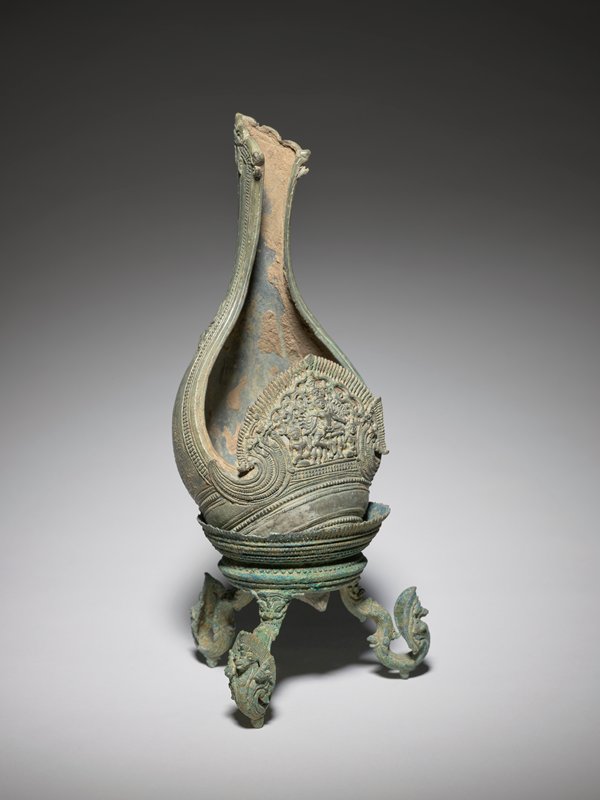
Buddhist ritual conch shell with a dancing Hevajra, 12th-13th century

Buddhist ritual conch shell with a dancing Hevajra

12th-13th century · Sculpture

お目にかかれますか?

はい、お客様をお迎えしています

ミネアポリス美術館

ミネアポリス, アメリカ合衆国

展示室G213

一般公開されています。裏付けとなる出典は下に記しています。

確認
3 日前
この状態になった日
2026年9月25日
出典
美術館
地図で見る美術館のページ

この彫刻について

This bronze takes the form of a conch shell, a vessel used in both Buddhist and Hindu rituals. Blown at the beginning of ceremonies, the instrument makes the sound of the sacred syllable “Om, ” believed to purify the mind before meditation. Buddhism and Hinduism were often practiced side by side in the kingdoms of Southeast Asia; however, Hinduism was the official religion of Khmer kings until the conversion to Buddhism of Jayavarman VII (reign c. 1181–1218), after which Buddhist art flourished. The embellished bronze features a dancing, multiheaded Hevajra, a key deity in Vajrayana Buddhism, a sect that emphasizes ritual as a means to enlightenment.

ミネアポリス美術館

作品データ

収蔵番号
91.22.1a, b

同じ展示室 · G213, ミネアポリス美術館

美術館のページ

カタログ収録

彫刻ブロンズKhmer

出典

  • ミネアポリス美術館
  • 画像: ミネアポリス美術館 — public domain
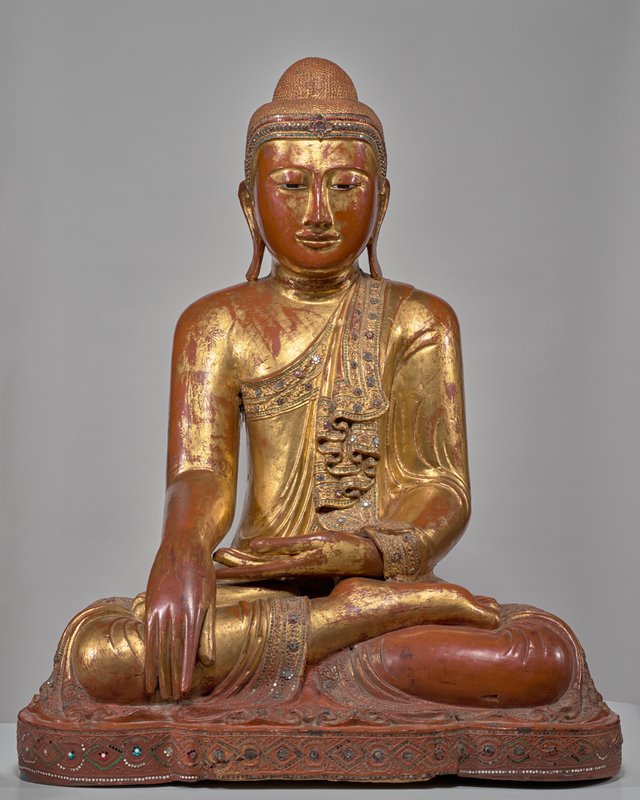
Enshrined Buddha, c. 1850

Enshrined Buddha, c. 1850

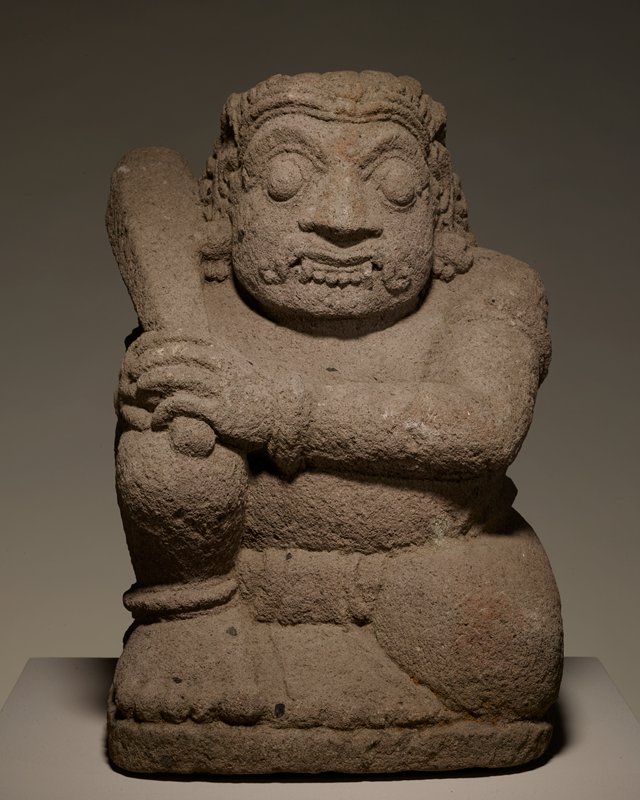
Dvarapala (Door Guardian), c. 14th–15th century

Dvarapala (Door Guardian), c. 14th–15th century

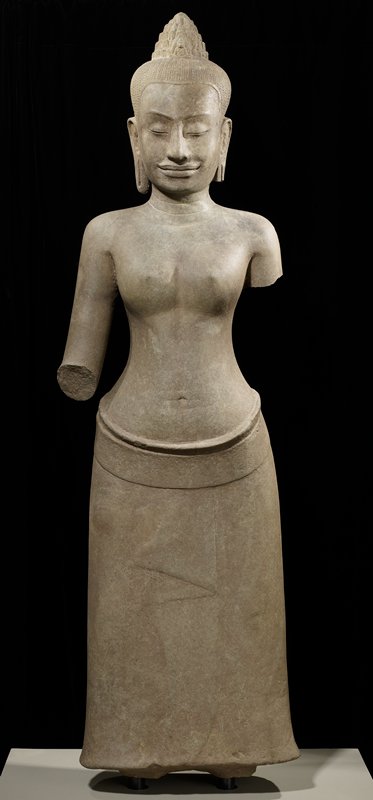
Prajnaparamita, late 12th–early 13th century

Prajnaparamita, late 12th–early 13th century

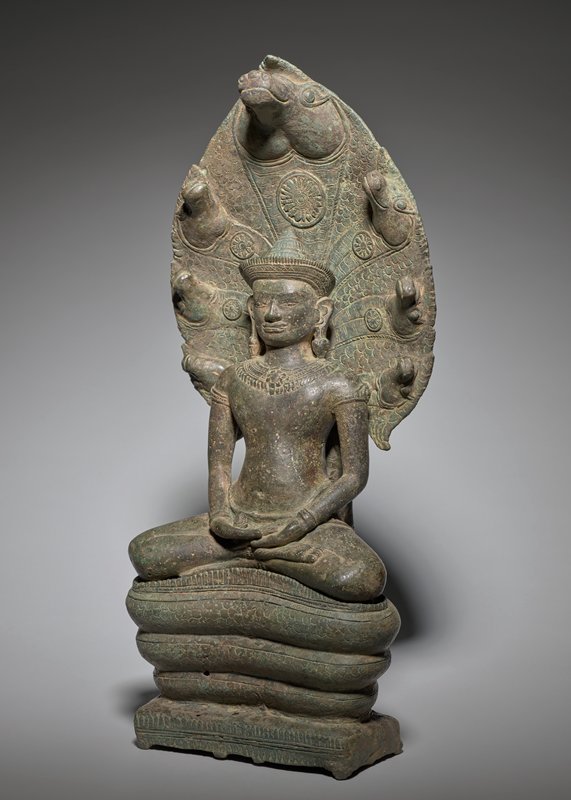
Naga-enthroned Buddha, 12th-13th century

Naga-enthroned Buddha, 12th-13th century

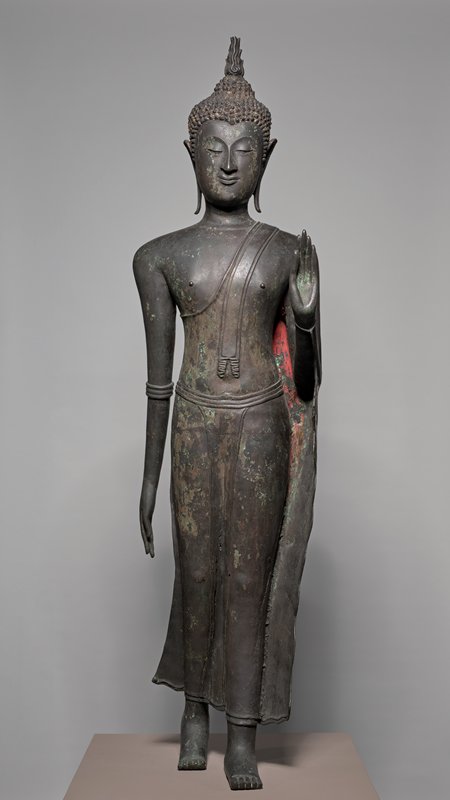
Walking Shakyamuni Buddha, 15th century

Walking Shakyamuni Buddha, 15th century

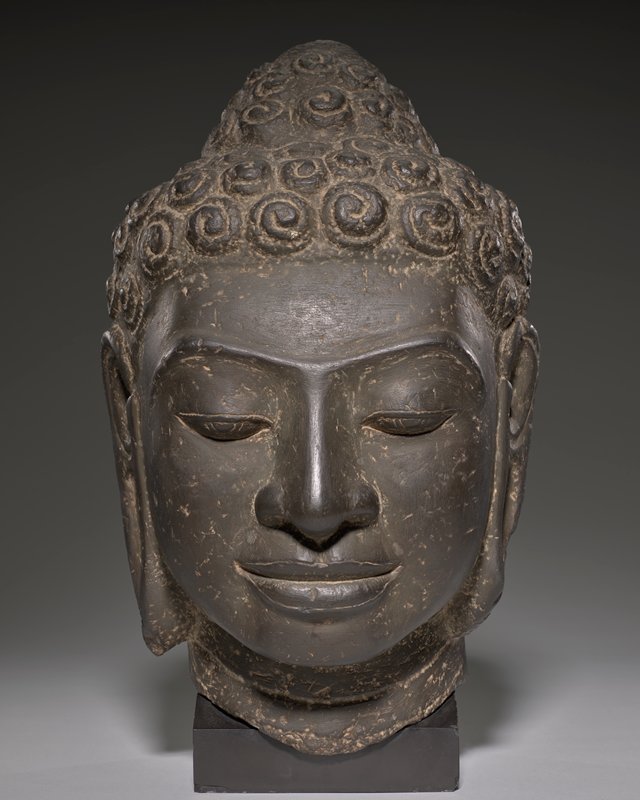
Buddha Head, or Thailand, 8th century

or Thailand

Buddha Head, 8th century

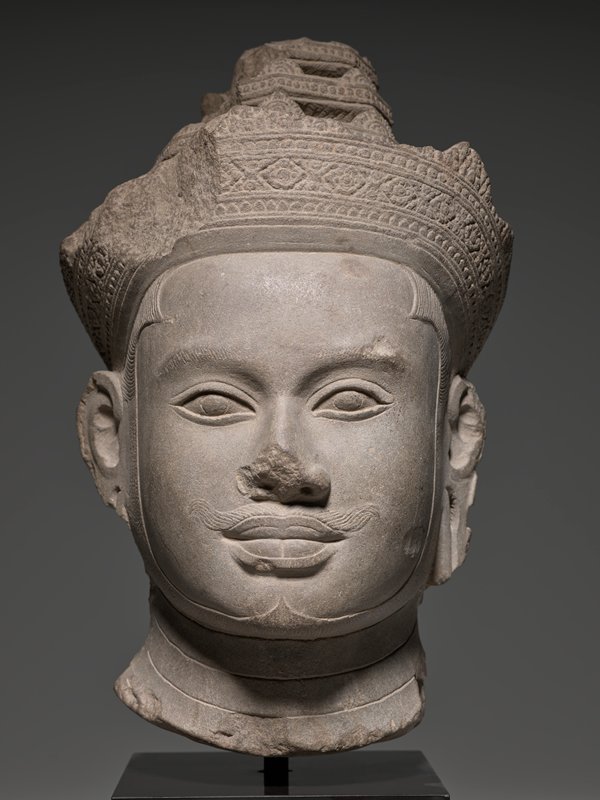
Head from an image of Vishnu or a deified king, early 9th century

Head from an image of Vishnu or a deified king, early 9th century

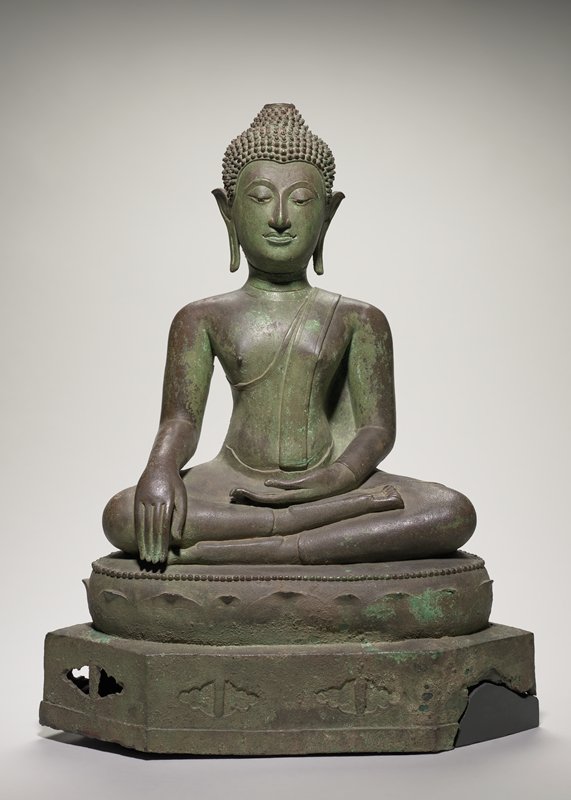
Buddha subduing Mara, 15th century

Buddha subduing Mara, 15th century