 Marcel Duchampフランス, 1887–1968
自転車の車輪
Bicycle Wheel
お目にかかれますか?
ただいまはお迎えしていません

ニューヨーク近代美術館
ニューヨーク, アメリカ合衆国
コレクションに属していますが、現在は展示されていません。
- 確認
- 12 日前
- 出典
- 美術館自身の所蔵データ
About the sculpture
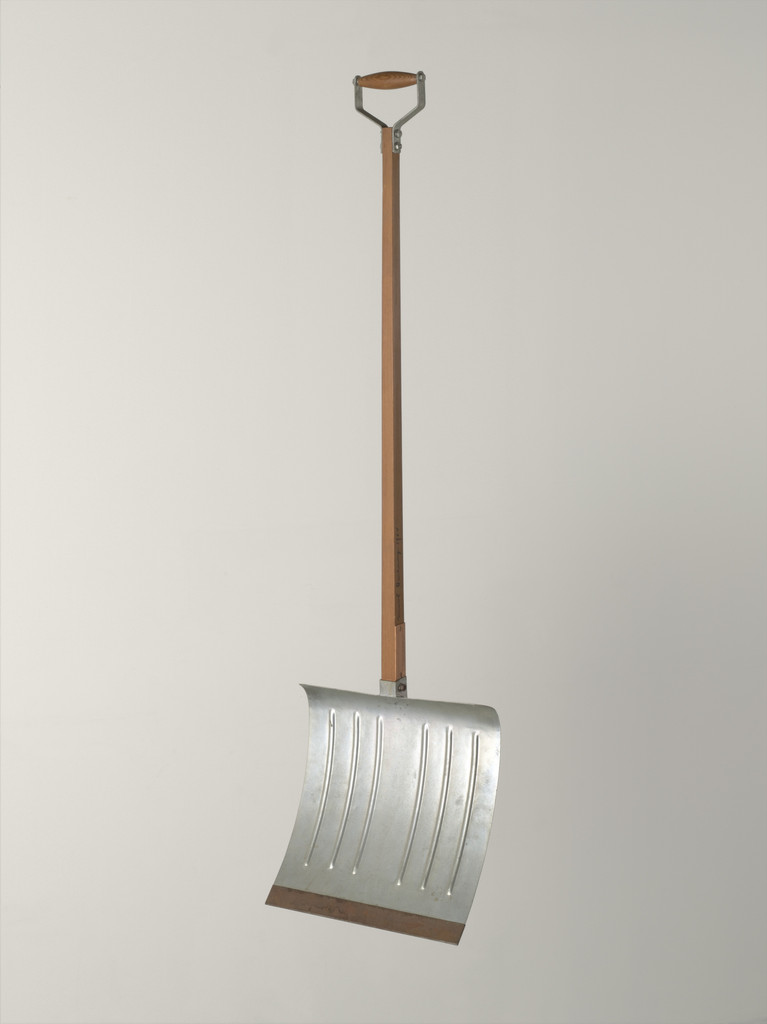
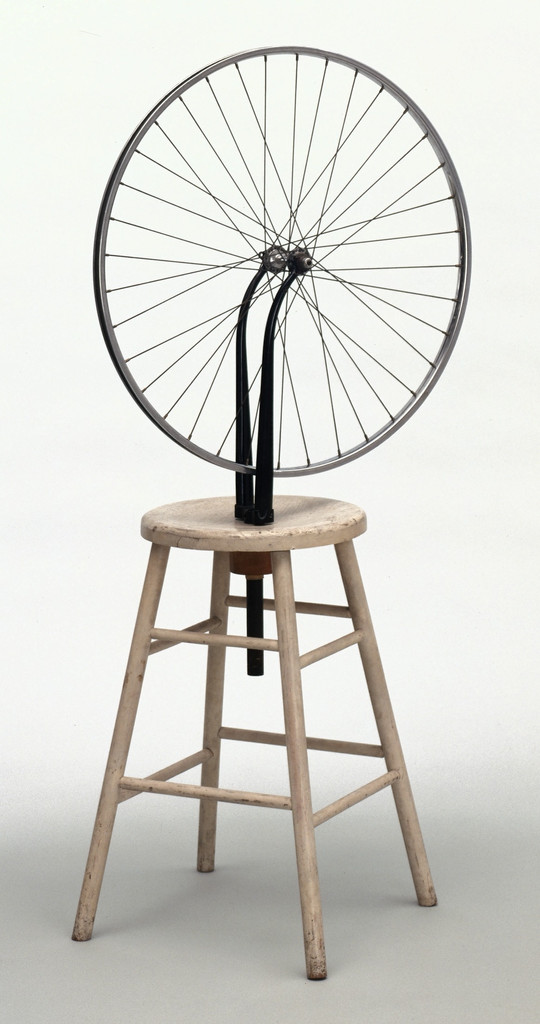
「自転車の車輪」(じてんしゃのしゃりん、Bicycle Wheel)は、マルセル・デュシャンによるレディメイドである。前輪が付いた自転車のフォークが、木製のスツールに逆さまに取り付けられるという構成である。
1913年、パリのスタジオで、デュシャンは自転車の車輪を逆さまにしてスツールに置き、それをときどき回転させて眺めていた。この作品が目的があり作ったものであることを否定したが、この作品はデュシャンのレディメイドの最初のものとして知られるようになった。「暖炉の中で踊る炎を眺めるのが楽しいのと同じように、それを見るのが楽しかった」と述べている。数年後にニューヨークでレディメイドを作り始めてから「自転車の車輪」もレディメイドであると判断し、第2のバージョンを作成している。
1913年の最初のものと1916-17年の第2のバージョンは両方とも失われている。デュシャンは1951年に別のバージョンを再び作成している。
「自転車の車輪」は最初の動く彫刻であると言われている。
作品データ
- 収蔵番号
- 595.1967.a-b
出典
- ニューヨーク近代美術館: the museum's own open data · 12 日前に取得
- 画像: ニューヨーク近代美術館 — © the artist or rights holder
その頃、Marcel Duchampの人生では
生涯をすべて見る1912
Takes the “Nude” back from the Salon des Indépendants
Through Duchamp’s brothers, Albert Gleizes asked him to withdraw the painting or at least rename it (as Duchamp later told it); he quietly refused, but went straight to the show and took the canvas home by taxi. “It was really a turning point in my life,” he recalled, adding that after this he would not be very much interested in groups.
1912年11月 · 修学
École des chartes
1913
The Armory Show: the scandal of the “Nude”
At the first major exhibition in New York of the modern trends coming out of Paris, American viewers accustomed to realistic art were scandalised and the Nude stood at the centre of the controversy; it helped secure the sale of all four of Duchamp’s paintings in the show.
1915
Emigration to the United States
When the First World War began, Duchamp, exempted from service because of a heart murmur, felt uncomfortable in Paris, and the sale of all four of his paintings at the Armory Show let him finance the trip: in 1915 he left for New York. To his surprise he found himself a celebrity there and quickly befriended the patron Katherine Dreier and the artist Man Ray.
1917
“Fountain” rejected by the Independents’ show
A urinal signed with the pseudonym “R. Mutt” was submitted to the exhibition of the Society of Independent Artists, which displayed everything submitted without a jury; the committee insisted that it was not art and rejected it. The Dadaists were outraged and Duchamp resigned from the Society’s board.
1923
Back in Paris, and into chess
Back in Paris in 1923 he was in essence no longer a practising artist: his main interest became chess, which he studied for the rest of his life to the exclusion of most other activities.