.jpg?width=96) Vincent van Goghオランダ, 1853–1890
Vincent van Goghオランダ, 1853–1890夜の白い家
White House at Night
お目にかかれますか?
はい、お客様をお迎えしています

サンクトペテルブルク, ロシア
一般公開されています。
- 確認
- この状態になった日
- 出典
- 美術館
この絵画について
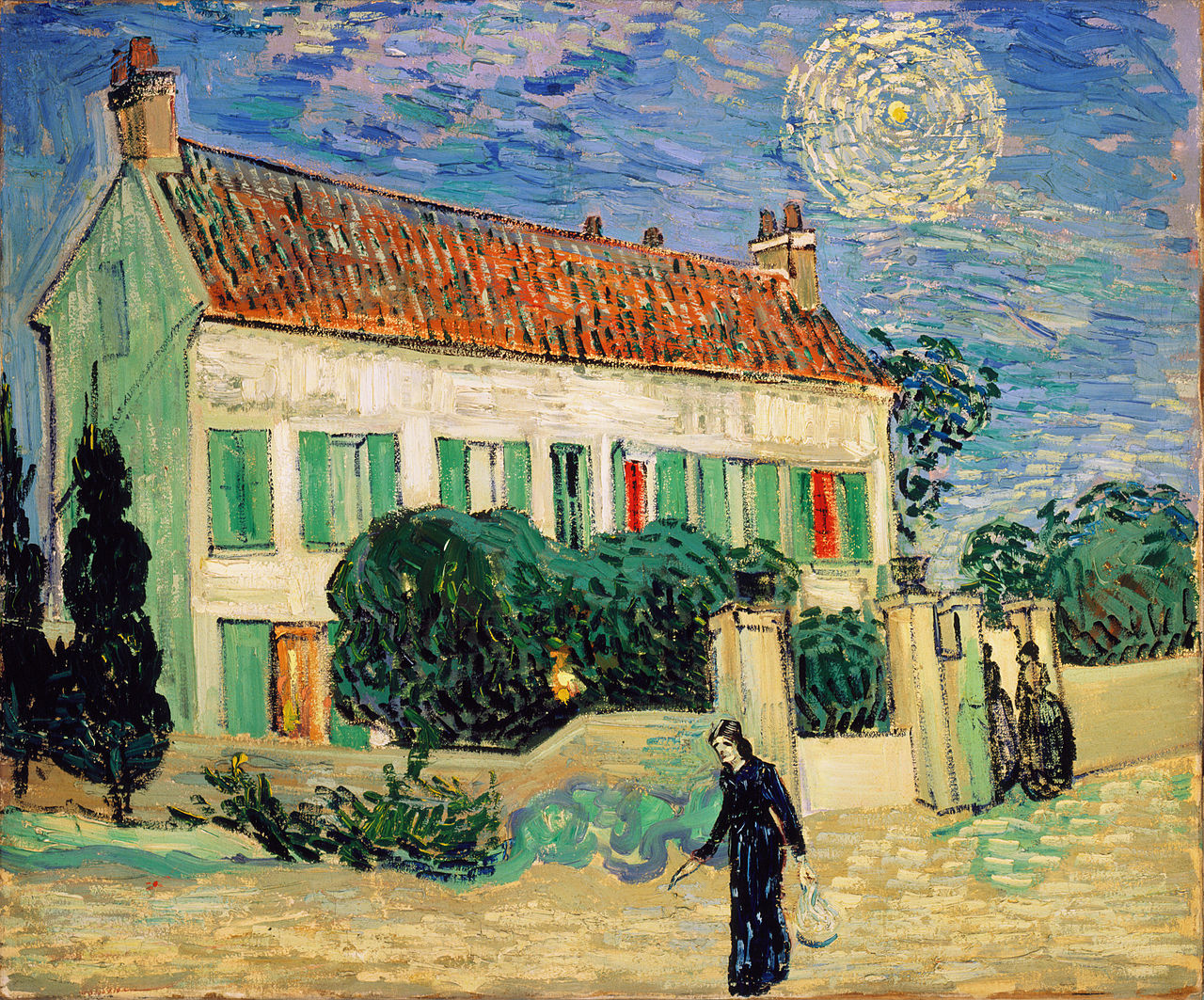
『夜の白い家』(よるのしろいいえ、フランス語: Maison blanche, la nuit.)は、1890年6月にフィンセント・ファン・ゴッホによって描かれた絵画。
2階建ての家の右上に黄色い星がひときわ明るく輝くよう描かれているのが特徴である。ゴッホはこの絵を1890年5月にパリ郊外のオーヴェル=シュル=オワーズに移ってから描いた。書簡でもこの絵に触れている。
美術館の言葉で — ロシア語
Оверский период Ван Гога начинался с надежды на новую жизнь и выздоровление, о чем свидетельствуют пейзажи с домами, написанные сразу же по приезде в Овер в мае 1890 года. Но уже в июне, когда мотив дома по-прежнему в центре внимания художника и когда было написано настоящее полотно, эмоциональная гамма его картин расширяется - от мрачных предчувствий до умиротворения. И поскольку эмоции выражались не сюжетом, не описательно, а самими живописными средствами, построение его композиций, сохраняя внутренний динамизм, всякий раз менялось. В "Белом доме" господствует застылость, и главные линии здесь - горизонтали и вертикали. Художнику хочется верить в спасительность крова, но кров может обернуться и клеткой. Художник уделяет здесь особенное внимание окнам - "глазам" дома. В настоящей картине именно эти "глаза", а не три темных персонажа делают дом более живым. Красные пятна окон справа звучат драматическими нотами затаенного страха. Ночную звезду над домом - знак судьбы - Ван Гог писал в моменты наивысшего и опасного душевного напряжения.
エルミタージュ美術館
作品データ
- 収蔵番号
- ЗКРсэ-511
カタログ収録
出典
- エルミタージュ美術館
- 画像: エルミタージュ美術館 — Museum open access
その頃、Vincent van Goghの人生では
生涯をすべて見る1888
To Arles, dreaming of a “Studio of the South”
The public still neither accepted nor bought his paintings, and in February 1888 Van Gogh left for Arles in the south of France to found a “Studio of the South”, a brotherhood of like-minded artists in which he gave Gauguin the leading role. Theo backed the plan with money.
23 October 1888
Gauguin arrives in Arles
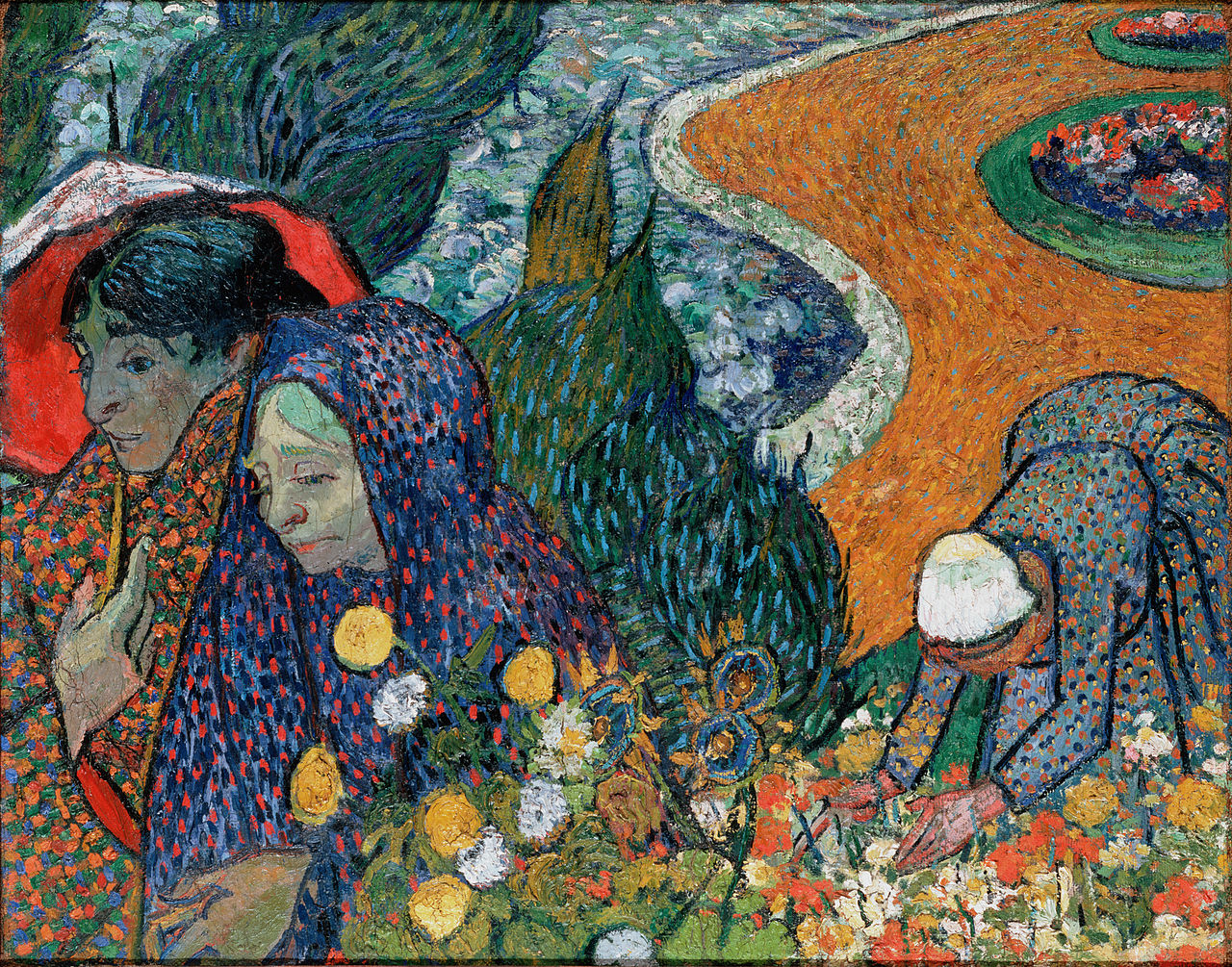
After much pleading Gauguin arrived in Arles, and in November the two painted together: Gauguin portrayed Van Gogh in “The Painter of Sunflowers”, and their first joint outing was to the Alyscamps. At Gauguin's suggestion Vincent painted from memory, producing “Memory of the Garden at Etten”.
23 December 1888
The severed ear
After an altercation on the evening of 23 December, Van Gogh, seemingly hearing voices, severed his left ear, wholly or in part, with a razor and delivered it, wrapped in paper, to a woman at a brothel. Next morning a policeman found him unconscious; in hospital he was diagnosed with “acute mania with generalised delirium”.
1889
Voluntarily into the Saint-Paul asylum
Van Gogh left Arles and voluntarily entered the Saint-Paul-de-Mausole asylum, a former monastery in Saint-Rémy-de-Provence, accompanied by the Protestant clergyman Frédéric Salles. Of his two cells with barred windows one became a studio, and the clinic and its garden became the main subjects of his paintings.
27 July 1890
A fatal wound: a revolver shot
Out painting, Van Gogh shot himself in the chest with a revolver he had bought to scare off birds while working outdoors; the bullet passed below his heart, and he made his own way back to his room at the inn. Theo arrived the next day and stayed with him to the end; according to Theo, Vincent's last words were: “The sadness will last forever.”
1890年7月29日
Died