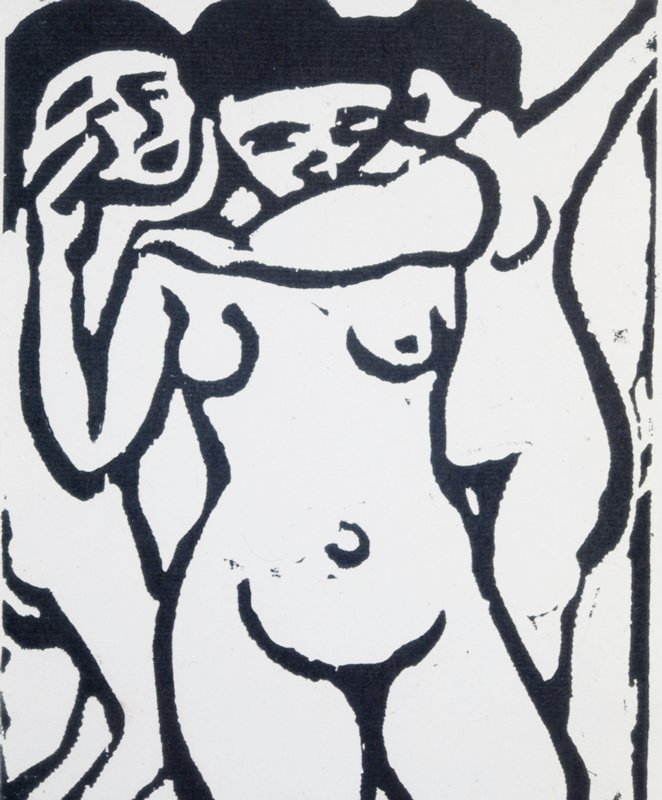
 Maurice de Vlaminckフランス, 1876–1958
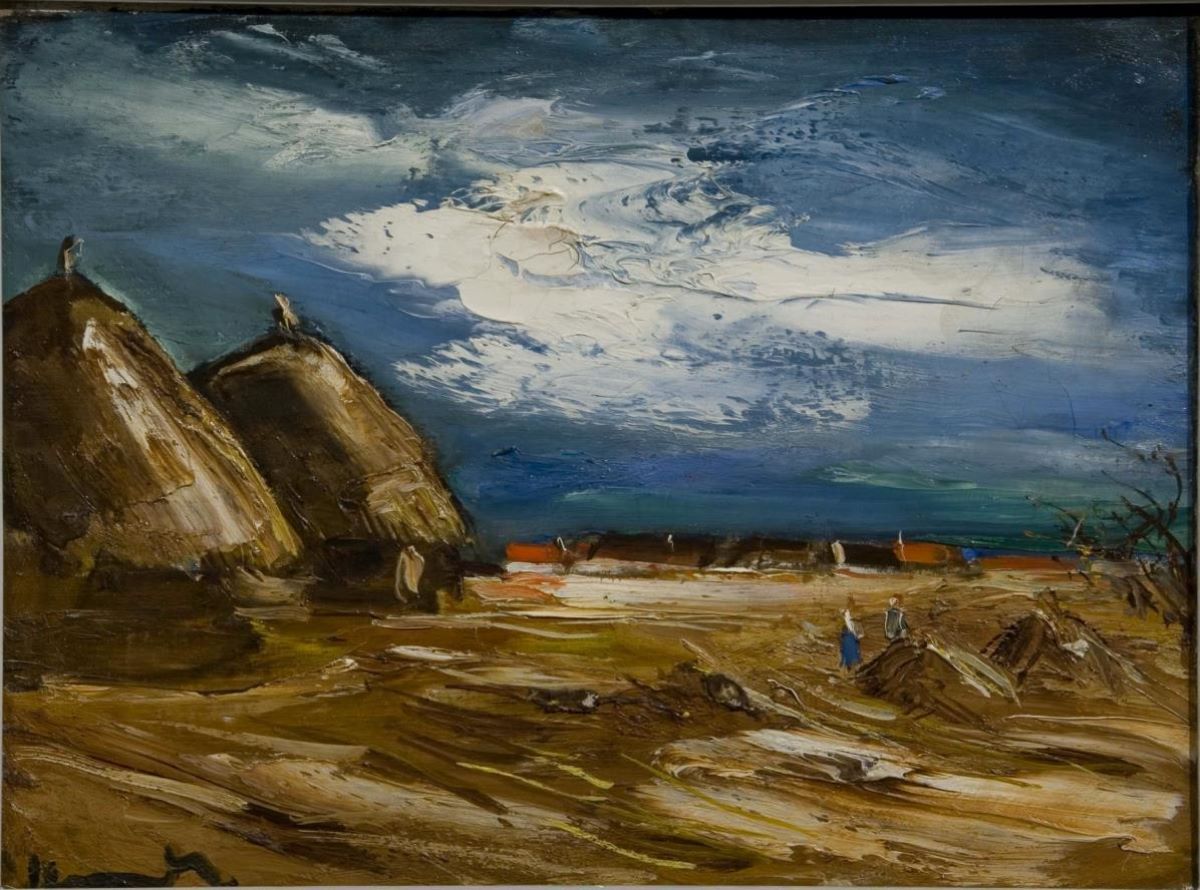
Au Bordel
見られますか?
現在は展示されていません
『Au Bordel』は今どこに? 所蔵: ミネアポリス美術館, ミネアポリス. 現在は展示されていません. 確認 2026年9月29日.

ミネアポリス, アメリカ合衆国
コレクションに属していますが、現在は展示されていません。
- 確認
- この状態になった日
- 出典
- 美術館
作品データ
- 収蔵番号
- P.78.6.4
カタログ収録
出典
- ミネアポリス美術館
- 画像: ミネアポリス美術館 — © Minneapolis Institute of Art
その頃、Maurice de Vlaminckの人生では
生涯をすべて見る1905
Experiments with “deconstruction”
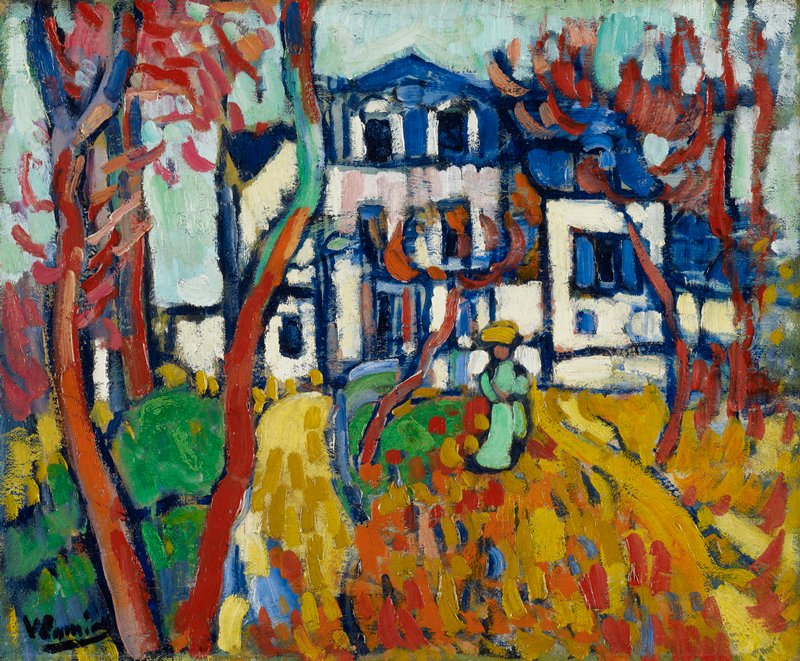
In 1905 Vlaminck began to experiment with “deconstruction”, turning the physical world into dabs and streaks of colour that convey a sense of motion, as in “The Chatou Bridge”, “The Potato Pickers”, “The River Seine at Chatou” and “The Orchard”.
1905
The Salon d'Automne: the birth of the “Fauves”
In October 1905 Vlaminck exhibited at the controversial Salon d'Automne alongside Matisse, Derain, Marquet, Manguin, van Dongen, Camoin and Puy. Seeing their boldly coloured canvases, the critic Louis Vauxcelles disparaged the painters as “fauves” (wild beasts), and the name stuck to the movement.
1906
Ambroise Vollard buys his paintings
In 1906 the Paris dealer Ambroise Vollard began buying Vlaminck's paintings.
1907
First solo exhibition at Vollard's
In 1907 Vlaminck held his first exhibition at Ambroise Vollard's gallery.
1908
Turning to Cézanne
From 1908 Vlaminck's palette grew deeper and richer, and the predominant influence became that of Cézanne.
1914–1918
The First World War: service in Paris and first poems
During the First World War Vlaminck was stationed in Paris, working as a draughtsman at a defence plant, and began writing poetry.


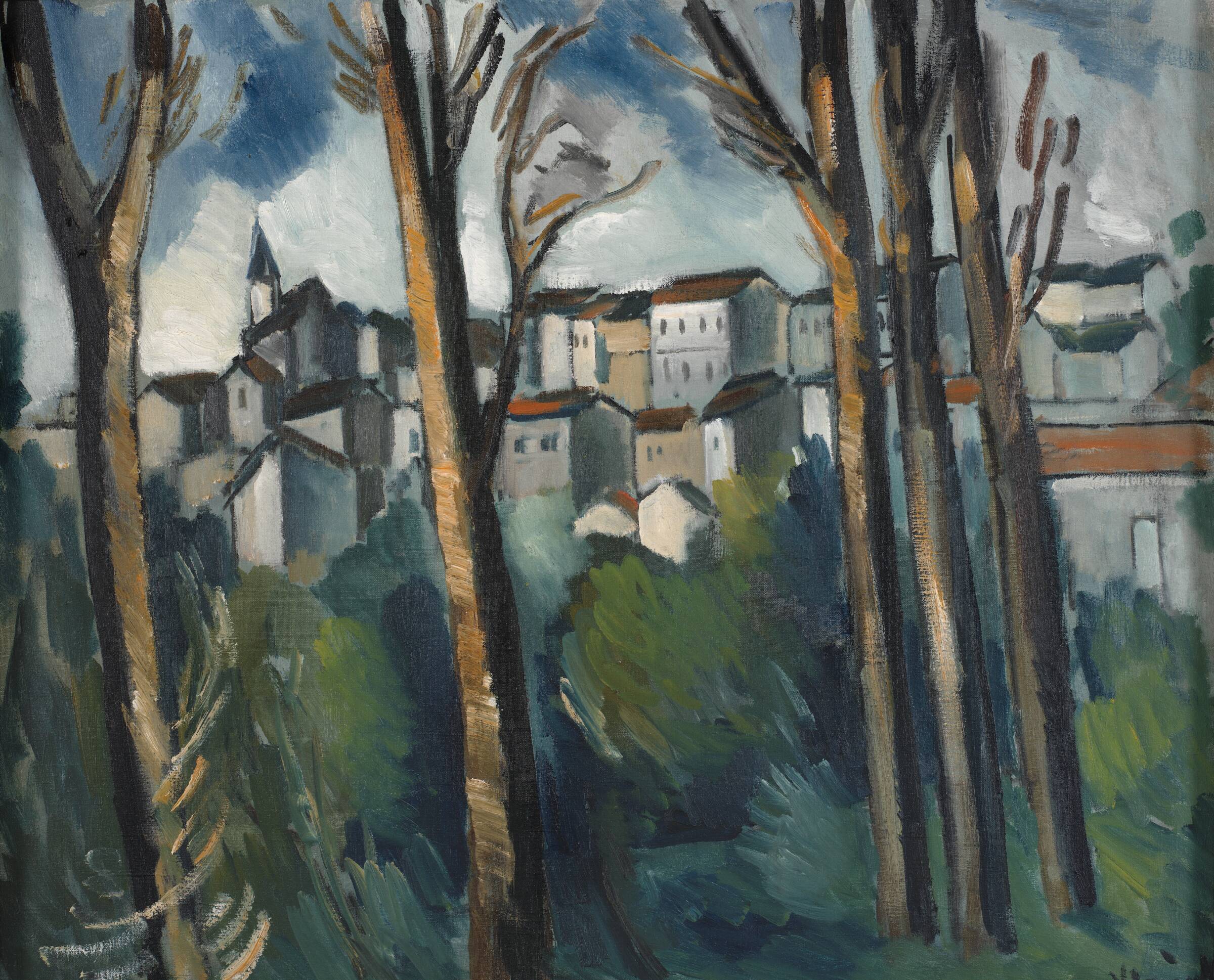
![Entrance to a Village [La Route de Francheville II], Maurice de Vlaminck](https://api.nga.gov/iiif/d834eaed-cba1-4651-ae69-a63dab1f5671/full/!2400,2400/0/default.jpg)