La'l
Akbar
お目にかかれますか?
ただいまはお迎えしていません

ヴィクトリア&アルバート博物館
ロンドン, イギリス
コレクションに属していますが、現在は展示されていません。
- 確認
- 8 日前
- この状態になった日
- 2026年9月25日
- 出典
- 美術館自身の所蔵データ
About the painting
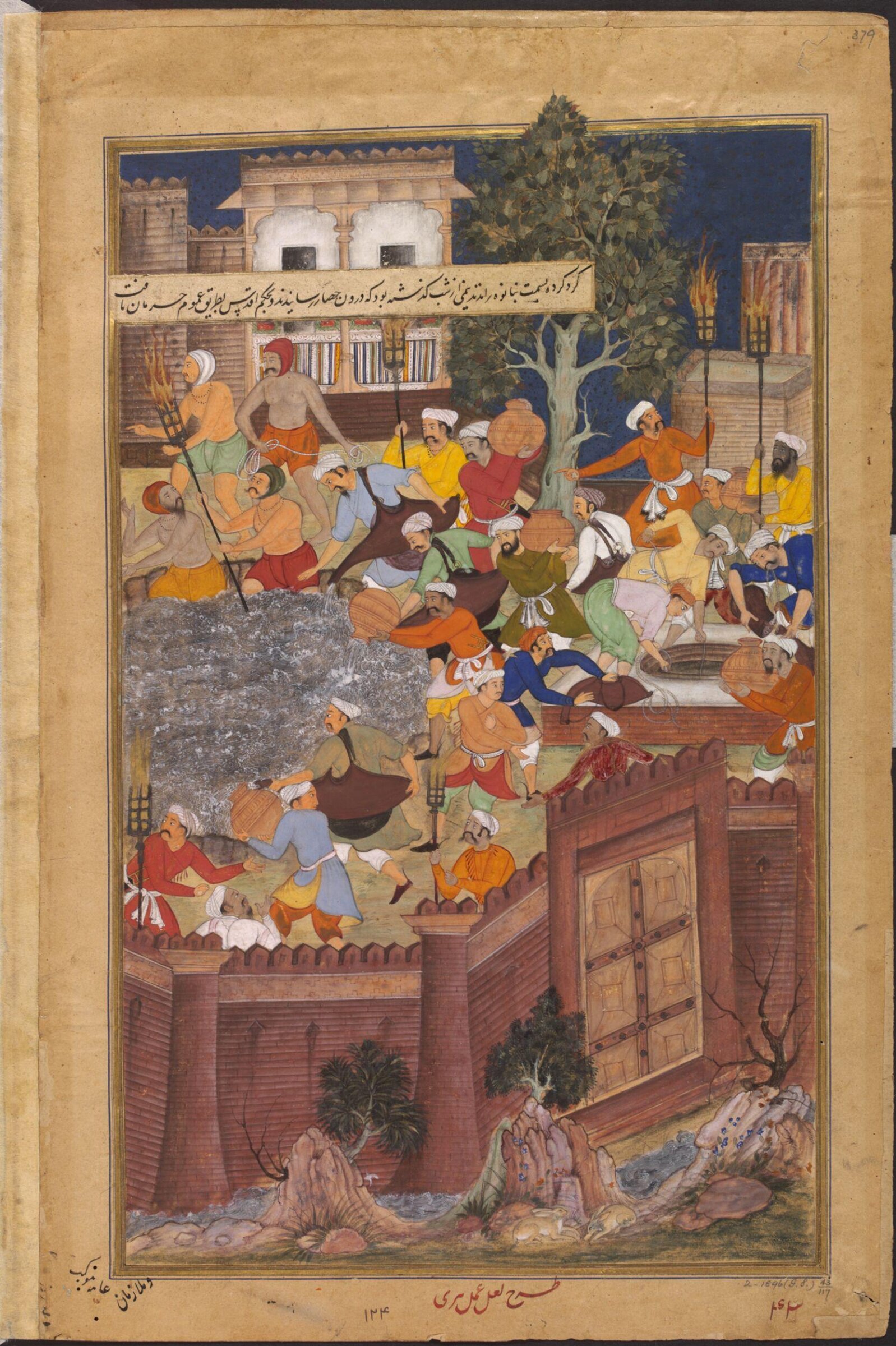
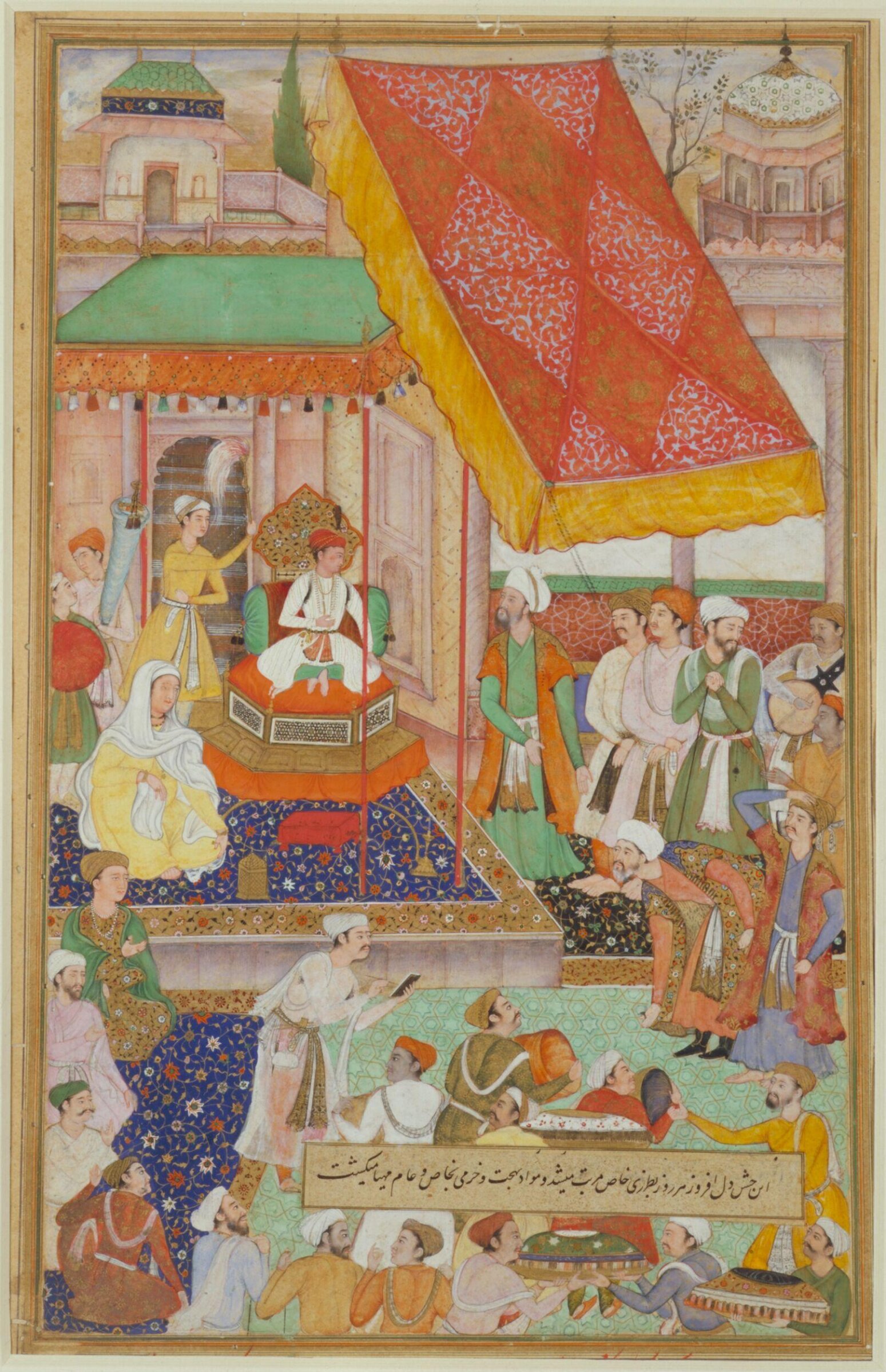
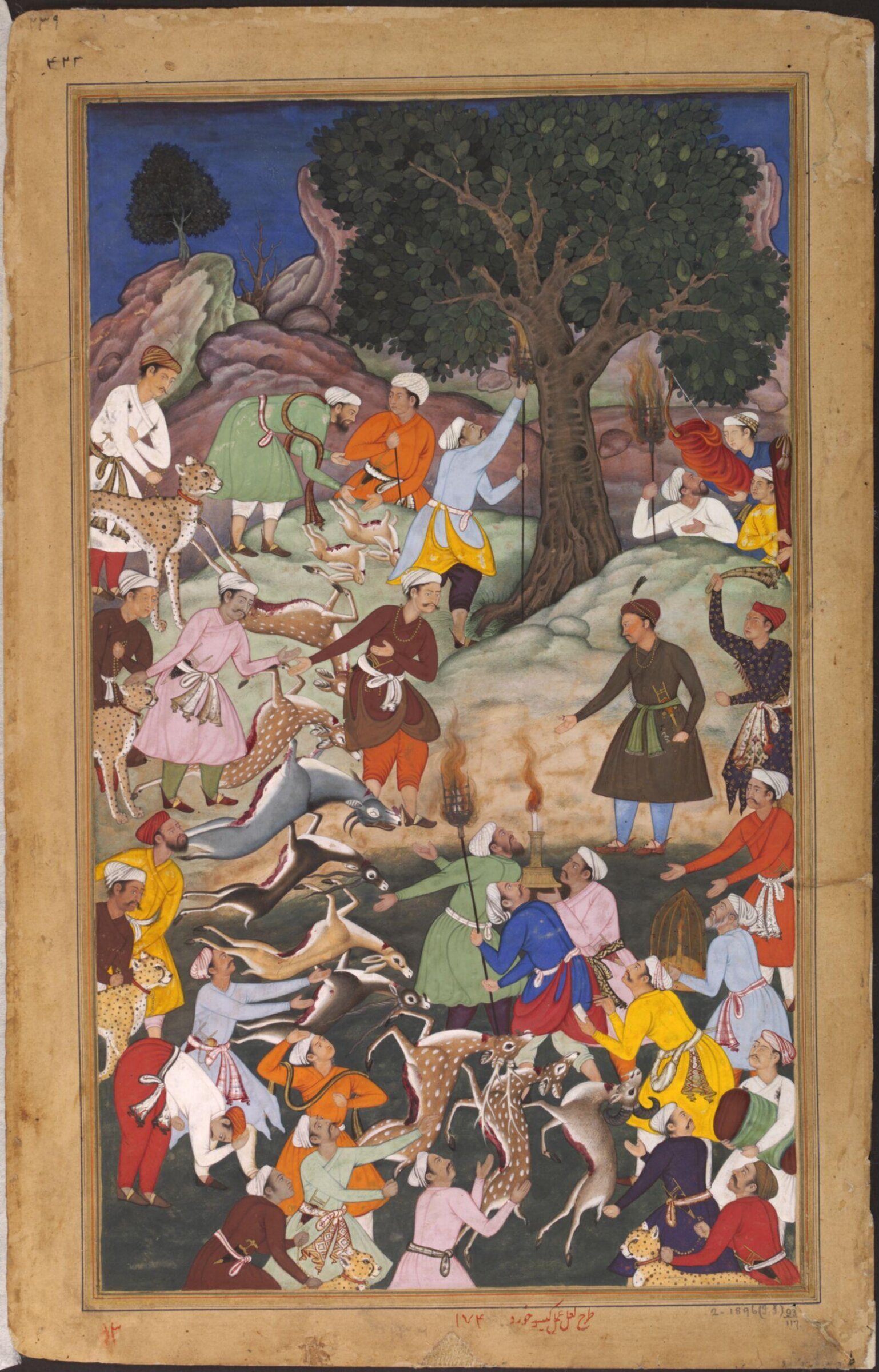
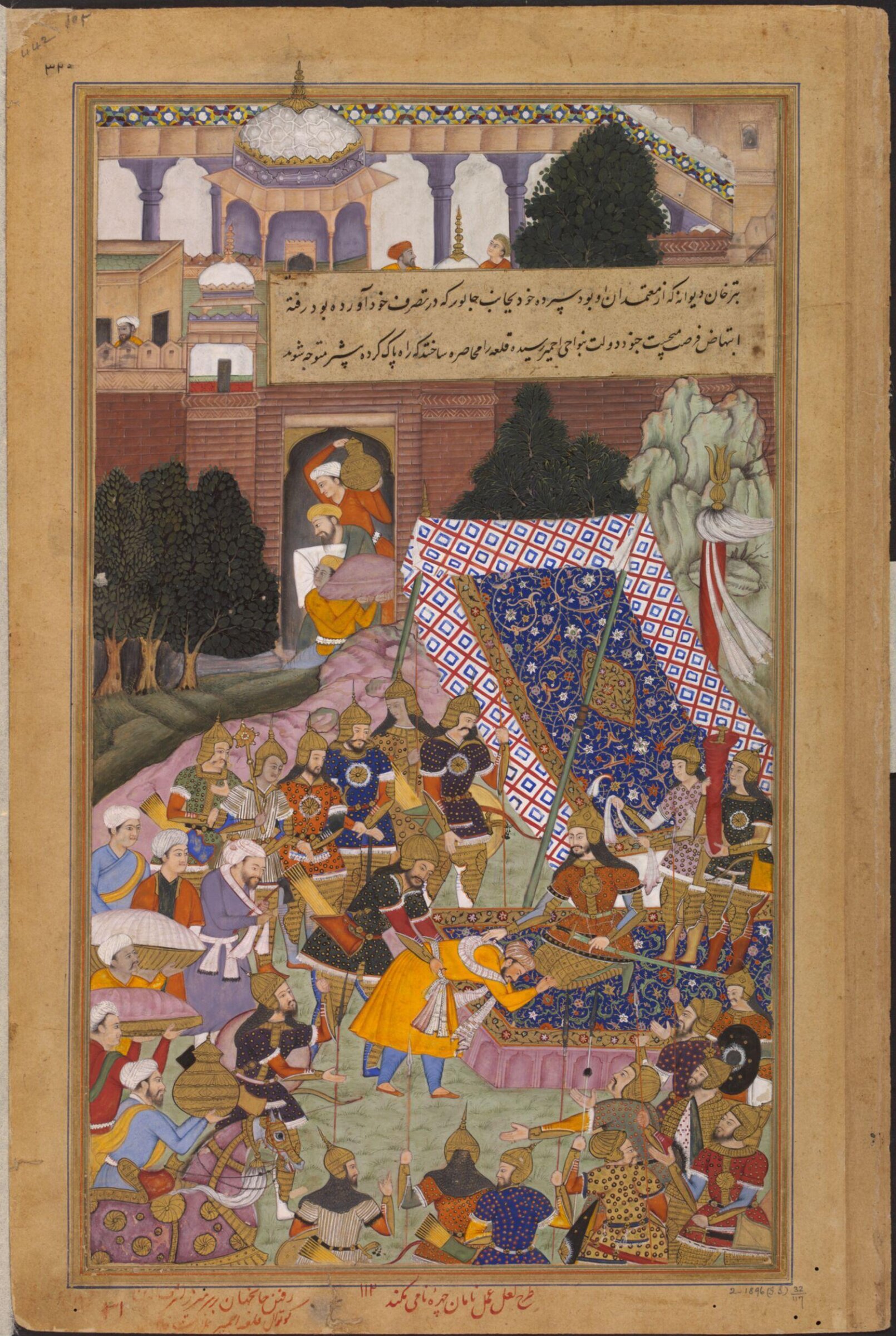
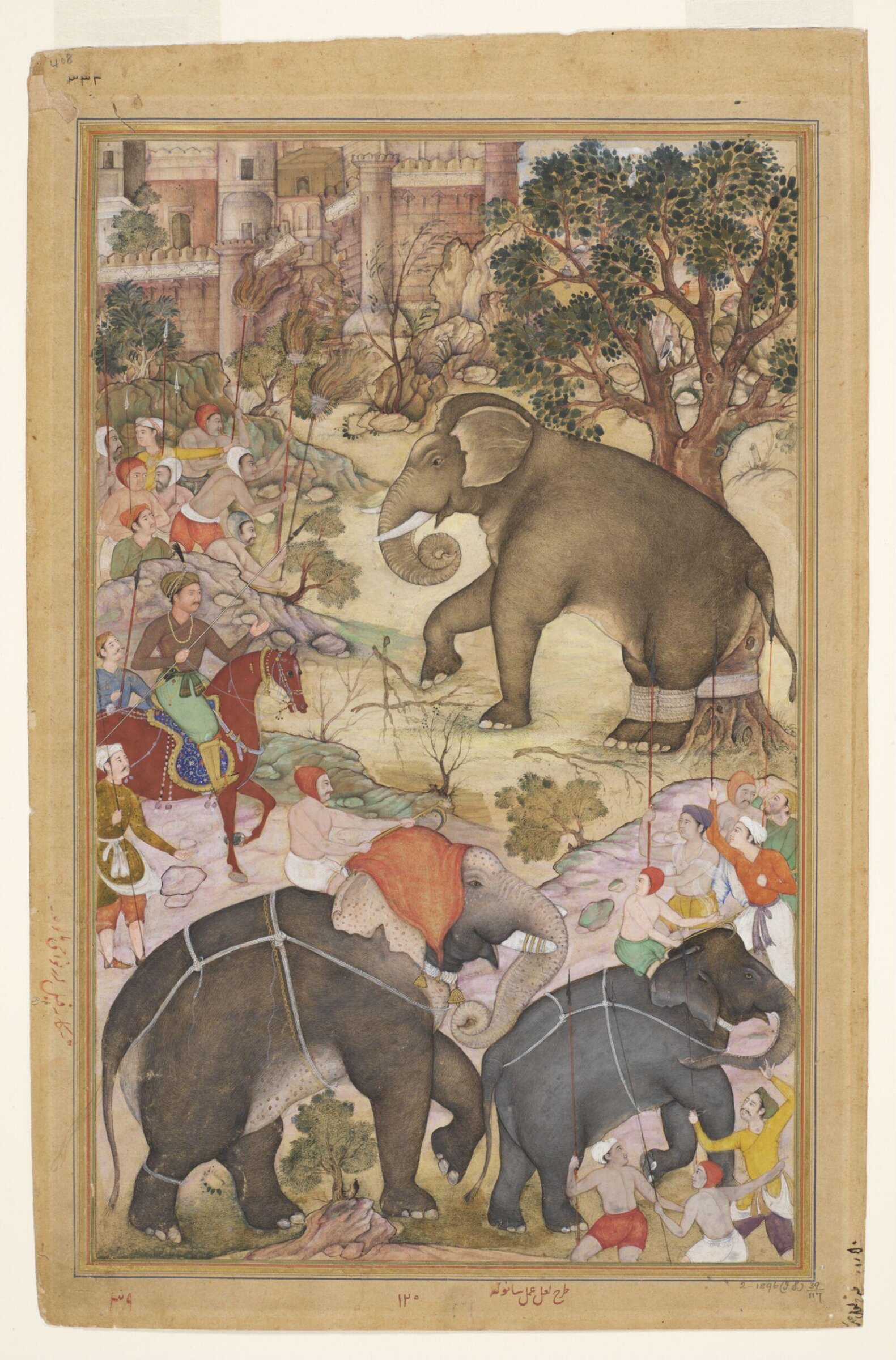
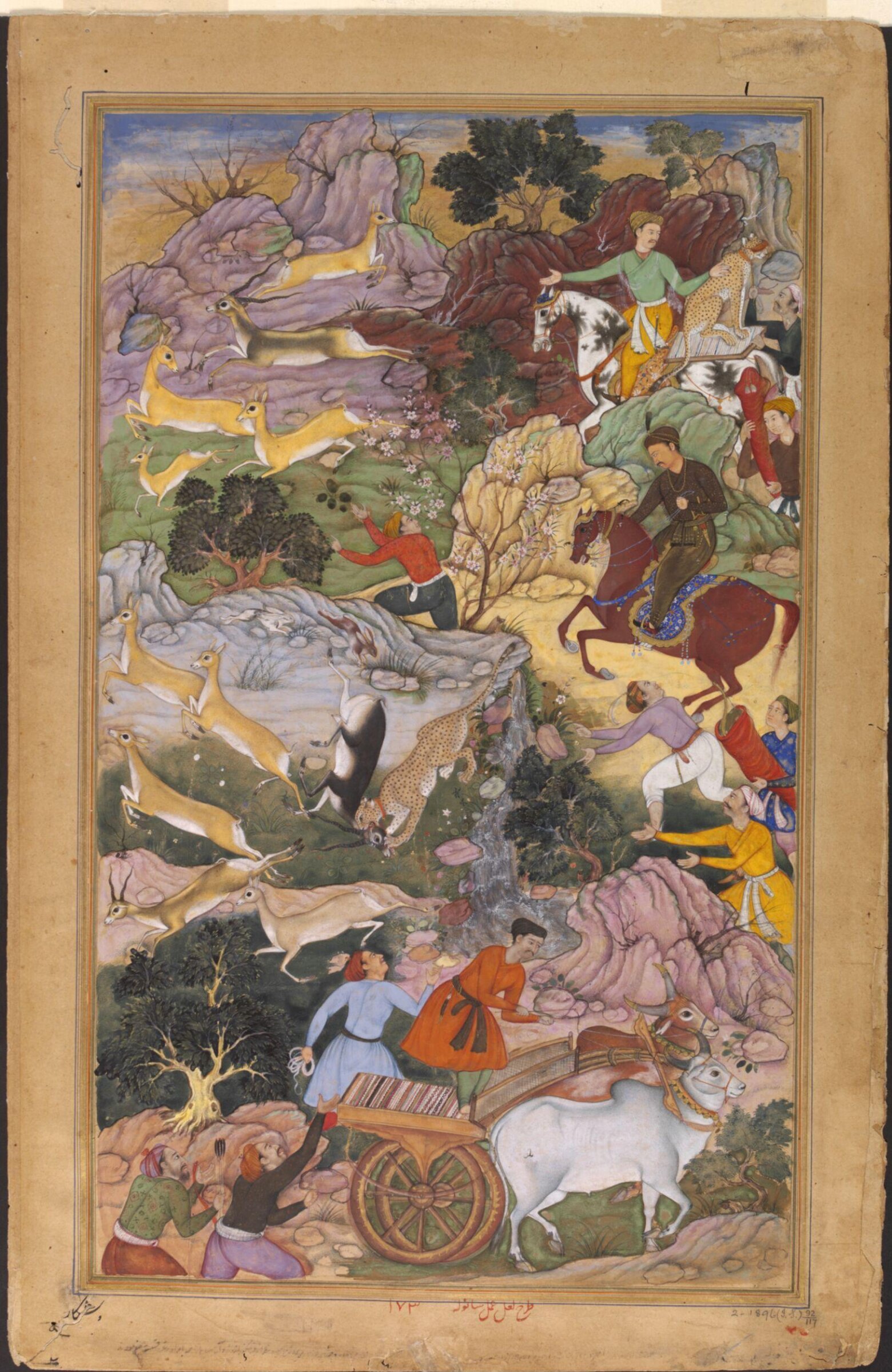
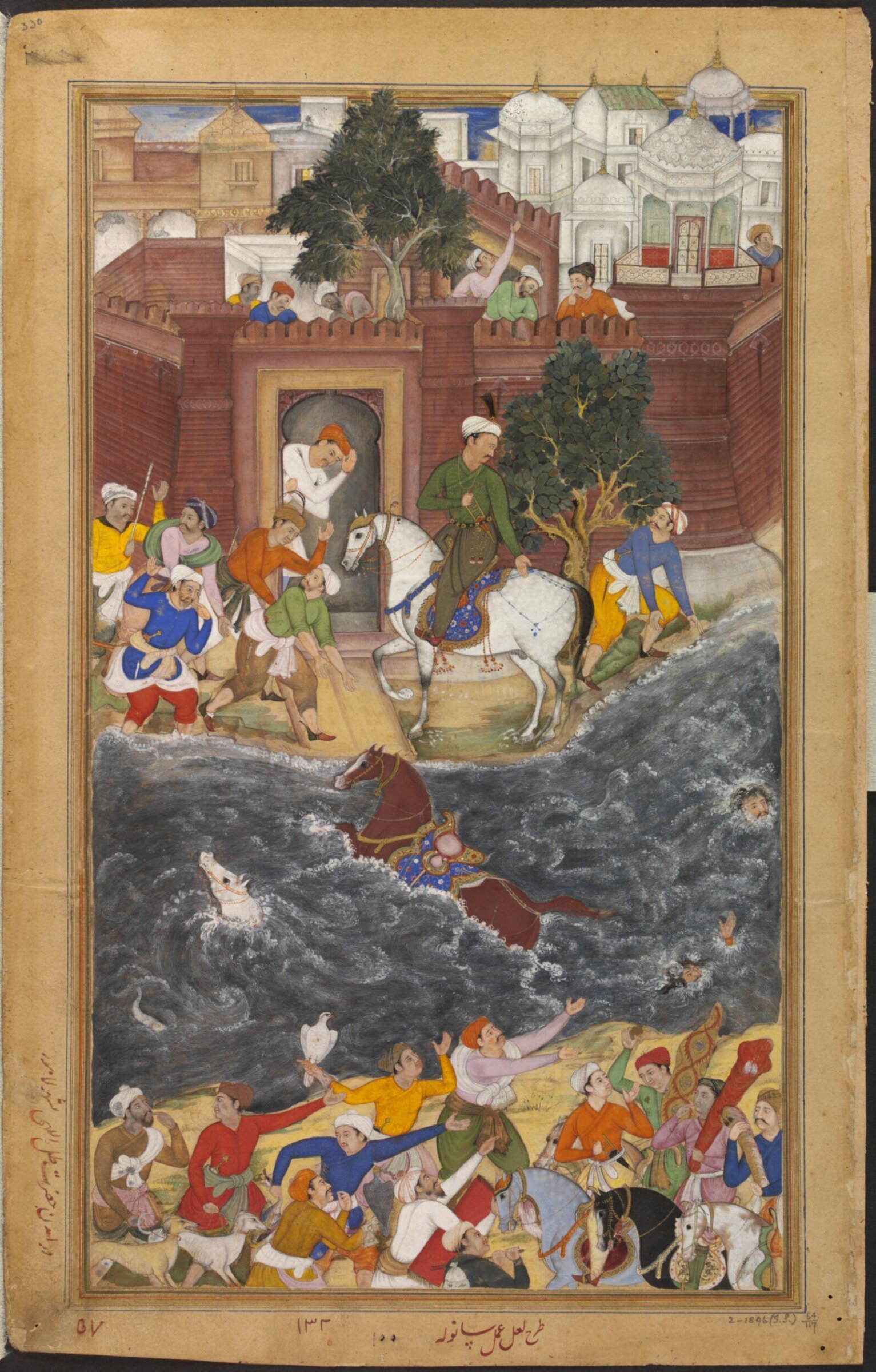
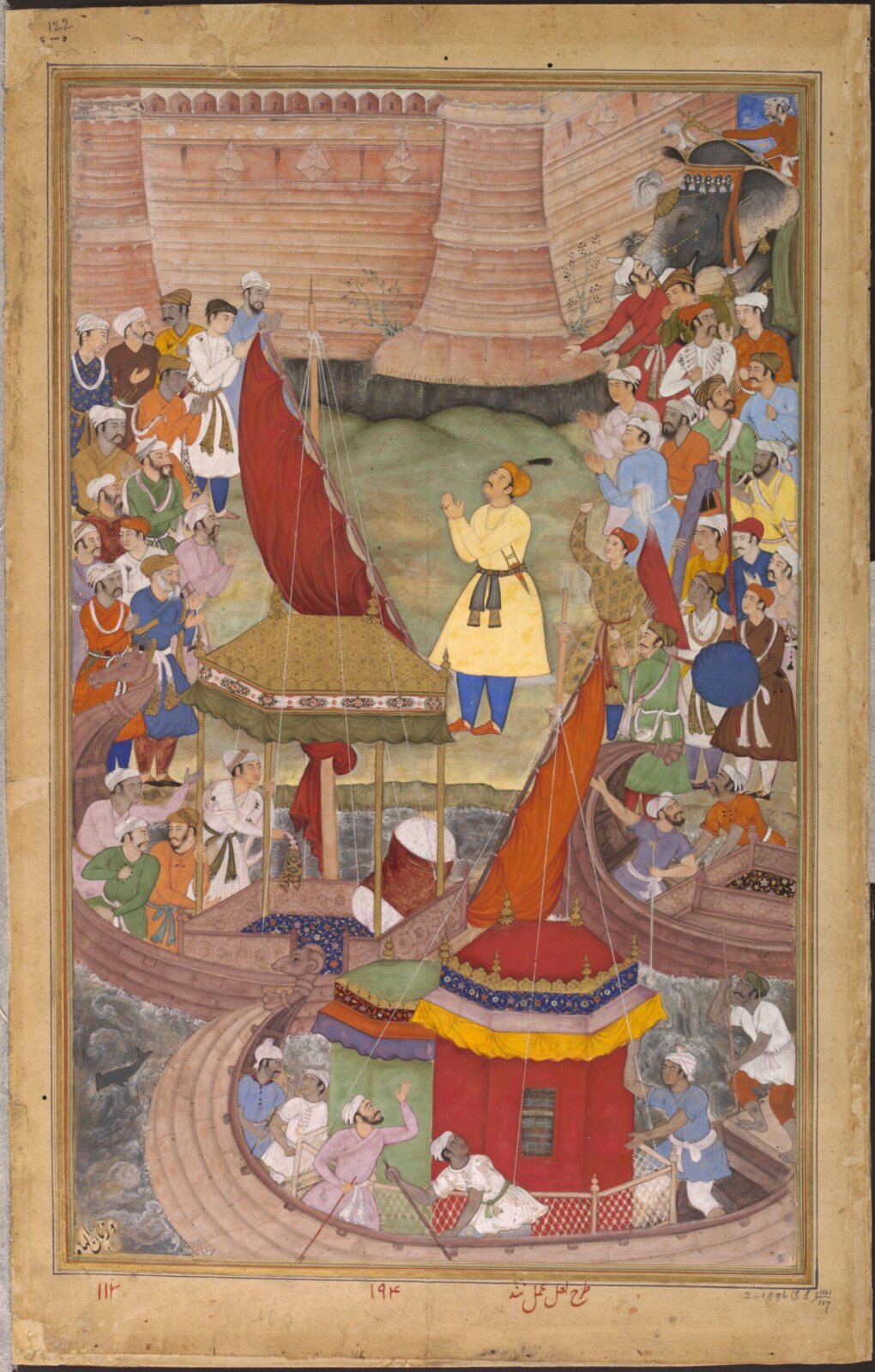
This is an illustration to the official history of the reign of the Mughal emperor Akbar (r.1556–1605) entitled the Akbarnama (Book of Akbar). The history was commissioned by Akbar in 1589 and written in Persian, the language of the court, by the great scholar Abu'l Fazl. He completed most of his work by 1596, and the paintings were done as he wrote and revised his text.
Read on
The painting depicts an event from the year 1576. Bengal was a province in the eastern part of the empire, far from the centre of power. In this year, a new ruler called Daud Khan defied Akbar ’s authority. The emperor launched a major campaign against Daud and his Afghan supporters, leading the army eastwards to attack them at the city of Patna. The city fell, and the Mughals took its considerable treasure, including gold, armour and 265 magnificent elephants. Daud fled, and Akbar returned to Fatehpur, leaving his army in pursuit of the rebel and his forces. A protracted series of confrontations and even a temporary rapprochement failed to subdue Bengal. In July 1576, despite it being the height of the rainy season, Akbar decided to lead the campaign once more.
The emperor and his reinforcements had progressed only a short distance from Fatehpur when a messenger suddenly appeared in the royal encampment, bringing the surprising news of a decisive Mughal victory. As proof, he threw Daud’s severed head before the emperor. Akbar’s rule was thereafter re-established in the cities of Bengal, but the administration of the province was never as settled as that of others in the empire.
[Akbarnama, English translation: vol.III, pp. 140-153; 169-180; 248-50]
The V&A’s partial copy of the Akbarnama is thought to have been illustrated between about 1590 and 1595. This is thought to be the earliest illustrated version of the text, and drew upon the expertise of some of the leading court artists of the age. Many of these are listed by Abu’l Fazl in the third volume of hjs text, the A’in-i Akbari/ Their names, written in red ink beneath the pictures by a librarian, demonstrate that this was a copy made for Akbar himself. After his death, the manuscript remained in the library of his son Jahangir, from whom it was inherited by Shah Jahan.
The V&A purchased the manuscript in 1896 from Frances Clarke, the widow of Major General John Clarke, who bought it in India while serving as Commissioner of Oudh between 1858 and 1862.
ヴィクトリア&アルバート博物館
作品データ
- 収蔵番号
- IS.2:101-1896
What it shows
カタログ収録
出典
- ヴィクトリア&アルバート博物館: the museum's own open data · 8 日前に取得
- 画像: ヴィクトリア&アルバート博物館 — © Victoria and Albert Museum, London