 R. Buckminster Fullerアメリカ合衆国, 1895–1983
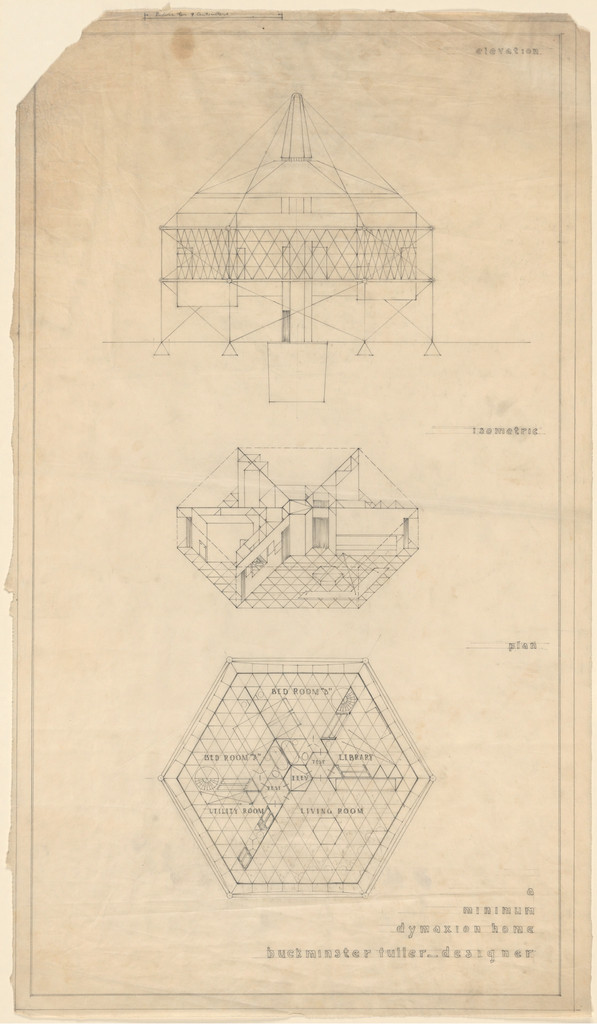
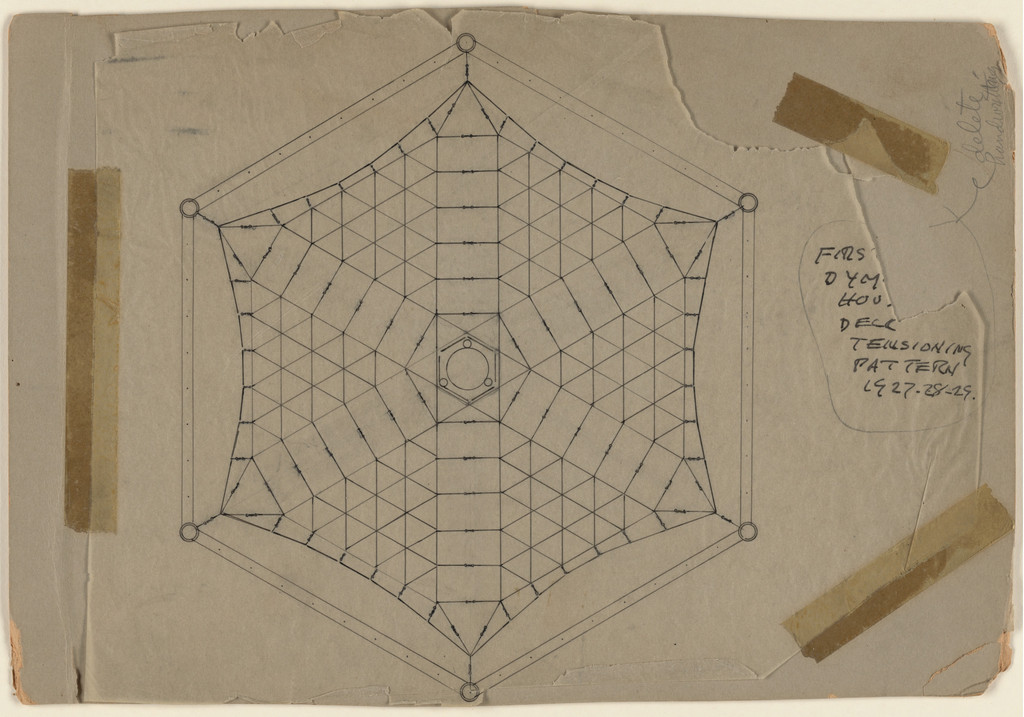
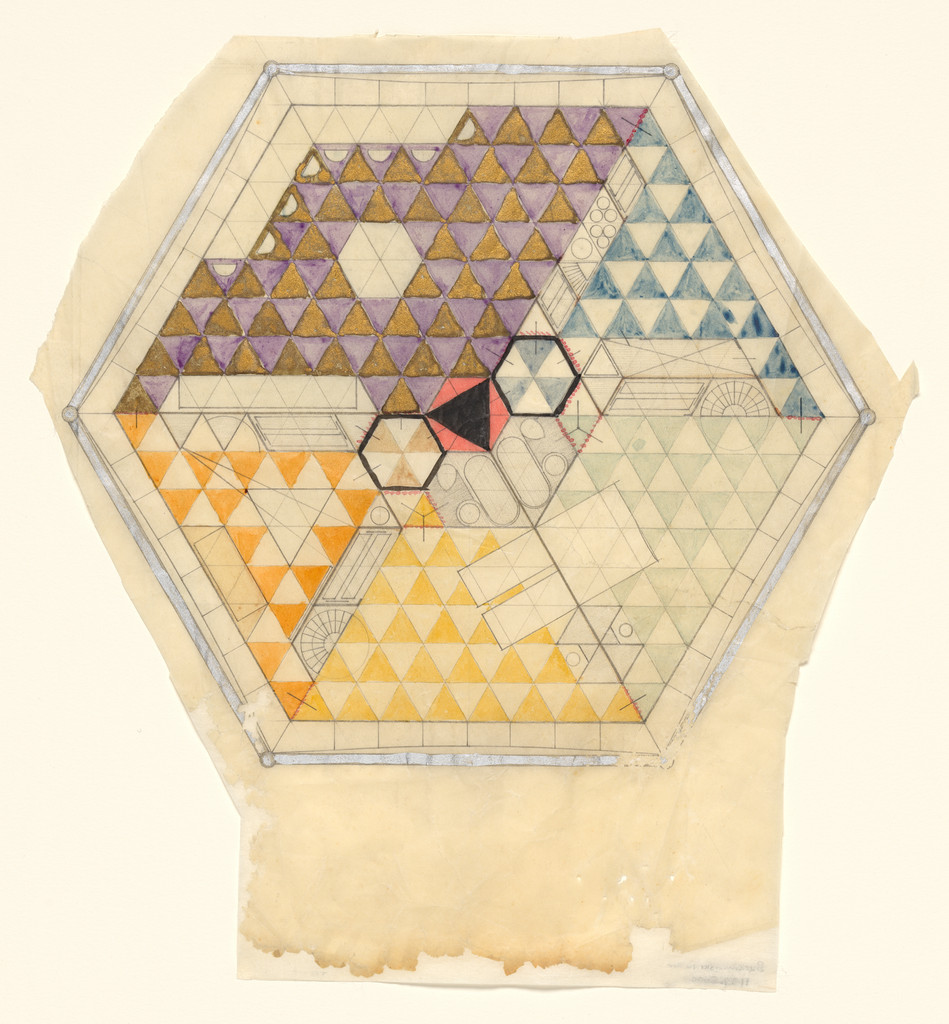
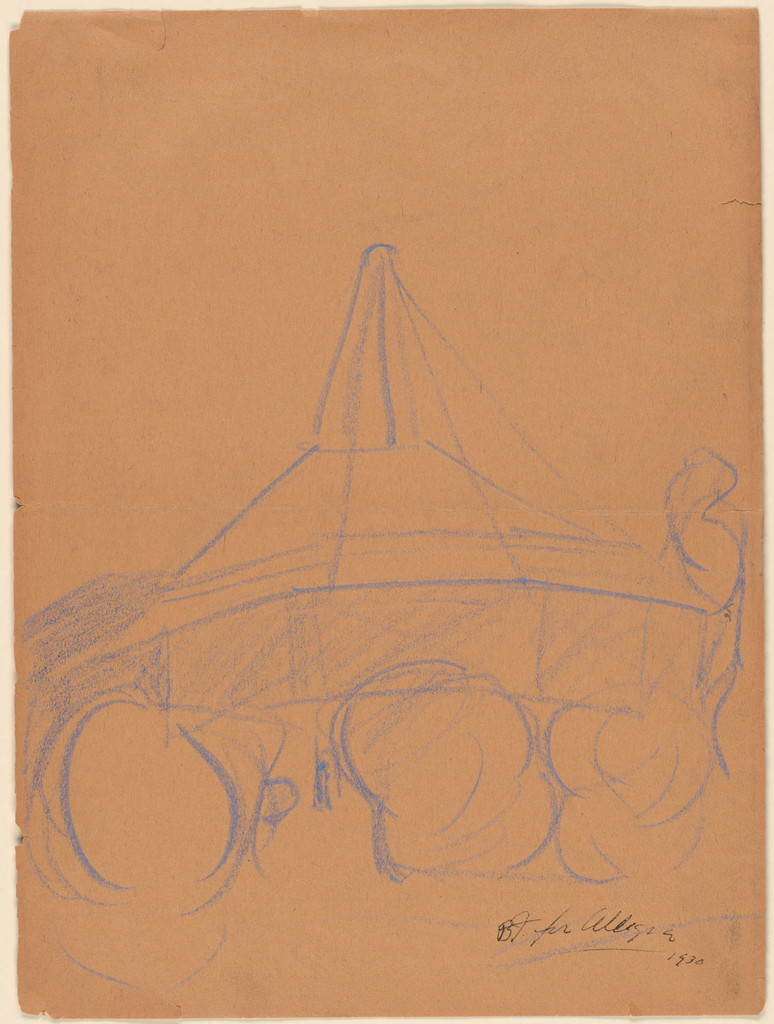
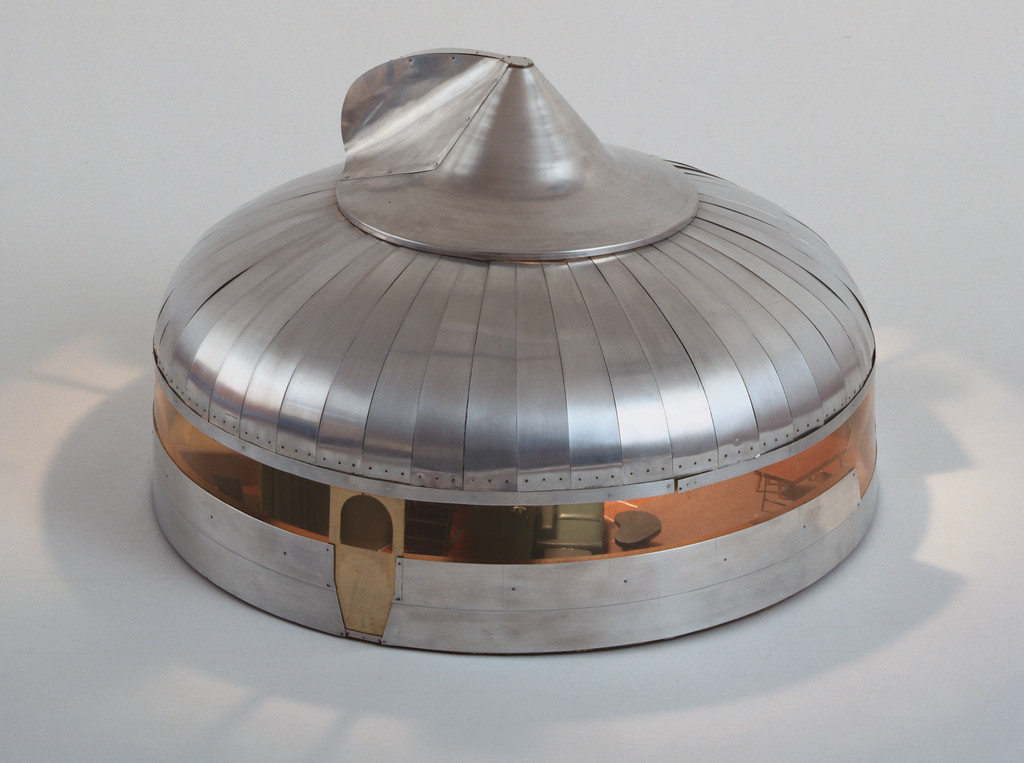
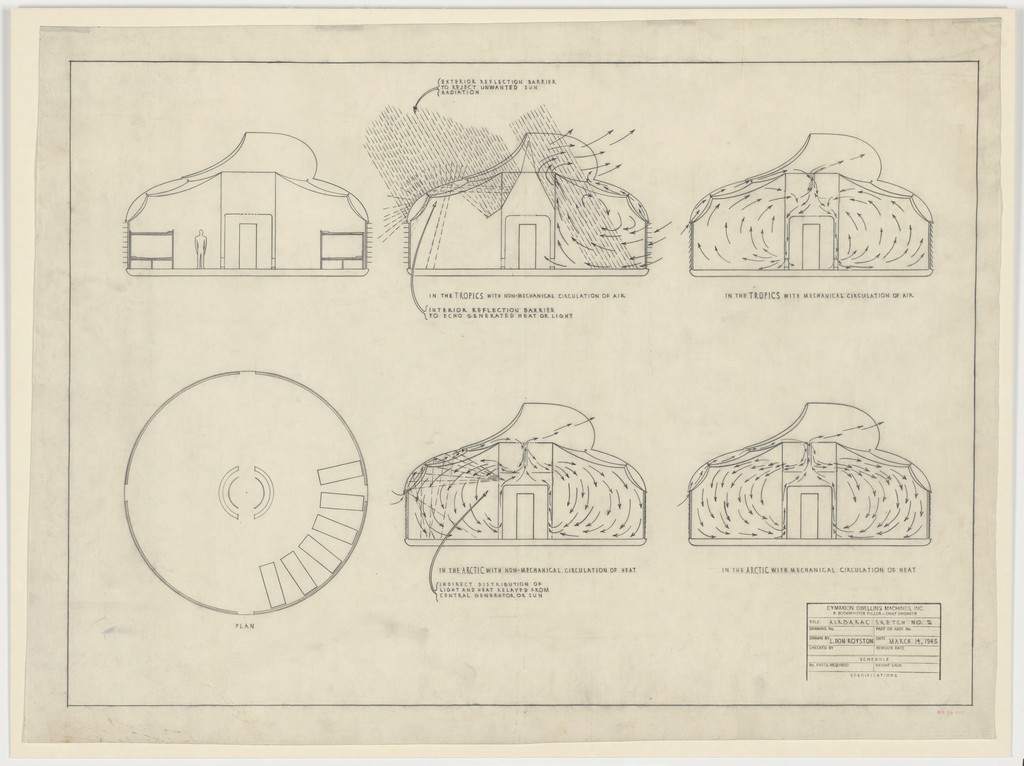
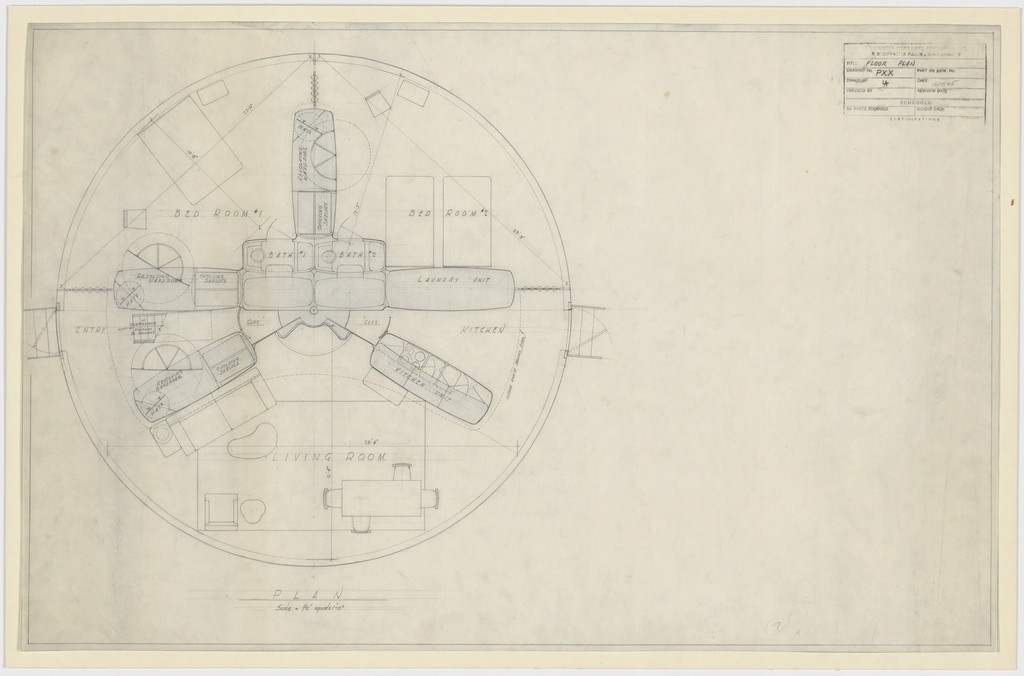
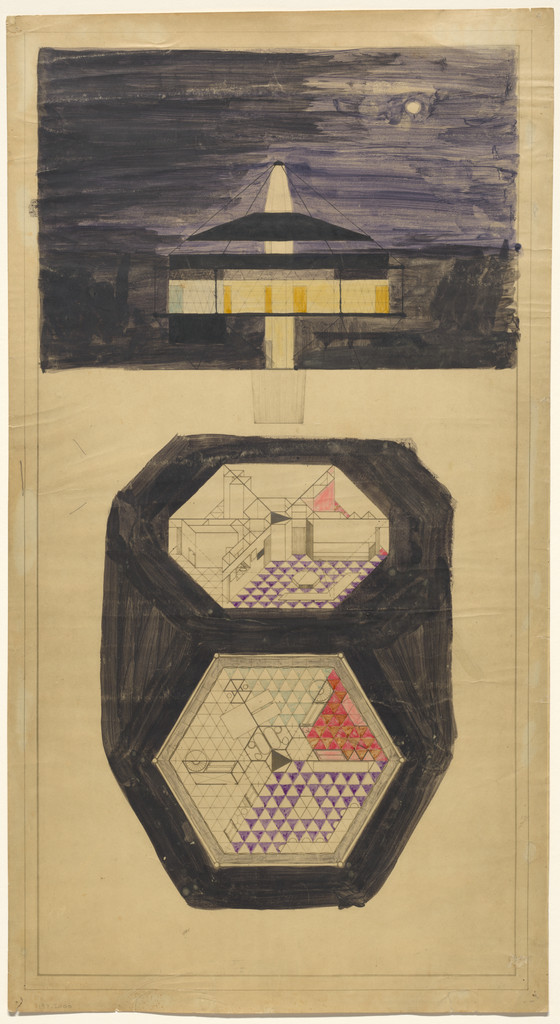
A Dymaxion Home project (Elevation, axonometric, and plan)
見られますか?
現在は展示されていません
『A Dymaxion Home project (Elevation, axonometric, and plan)』は今どこに? 所蔵: ニューヨーク近代美術館, ニューヨーク. 現在は展示されていません. 確認 2026年9月22日.

ニューヨーク, アメリカ合衆国
コレクションに属していますが、現在は展示されていません。
- 確認
- 出典
- 美術館
作品データ
- 収蔵番号
- 1198.2000
カタログ収録
出典
- ニューヨーク近代美術館
- 画像: ニューヨーク近代美術館 — © the artist or rights holder
その頃、R. Buckminster Fullerの人生では
生涯をすべて見る1920s
“Dymaxion sleep”: half an hour every six hours
Inspired by the sleep habits of dogs and cats, Fuller worked until he was tired and then took short naps, generally 30 minutes every six hours, which gave him “twenty-two thinking hours a day”. He gave up the routine after two years because it clashed with his business associates' habits; in 1943 he suggested that the United States adopt Dymaxion sleep as a strategy to win the Second World War.
1928
Greenwich Village: lectures at Romany Marie's café
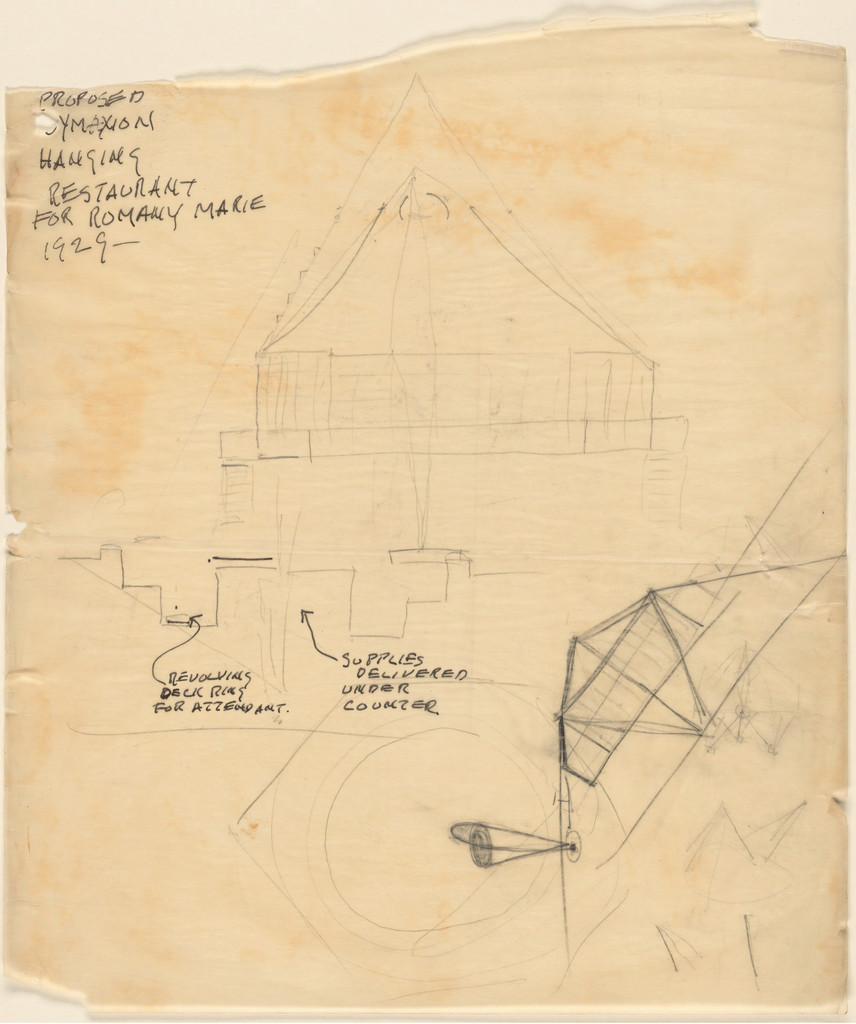
By 1928 Fuller was living in Greenwich Village and spending much of his time at the popular café Romany Marie's: he took a job decorating its interior in exchange for meals, gave informal lectures several times a week, and models of the Dymaxion house were exhibited there.
1929
Friendship with Isamu Noguchi
Isamu Noguchi arrived at Romany Marie's café in 1929, directed there by Constantin Brâncuși, an old friend of Marie's. The two soon collaborated on several projects, including the modelling of the Dymaxion car based on recent work by Aurel Persu; it was the beginning of their lifelong friendship.