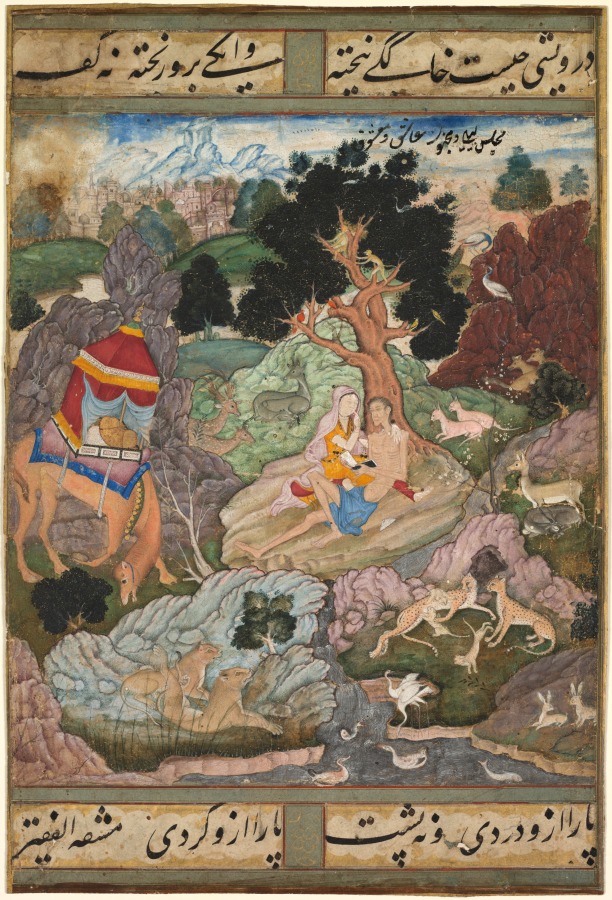
 SanwalahLayla and Majnun in the wilderness with animals, from a Khamsa (Quintet) of Amir Khusrau DihlaviSanwalahLayla and Majnun in the wilderness with animals, from a Khamsa (Quintet) of Amir Khusrau Dihlavi
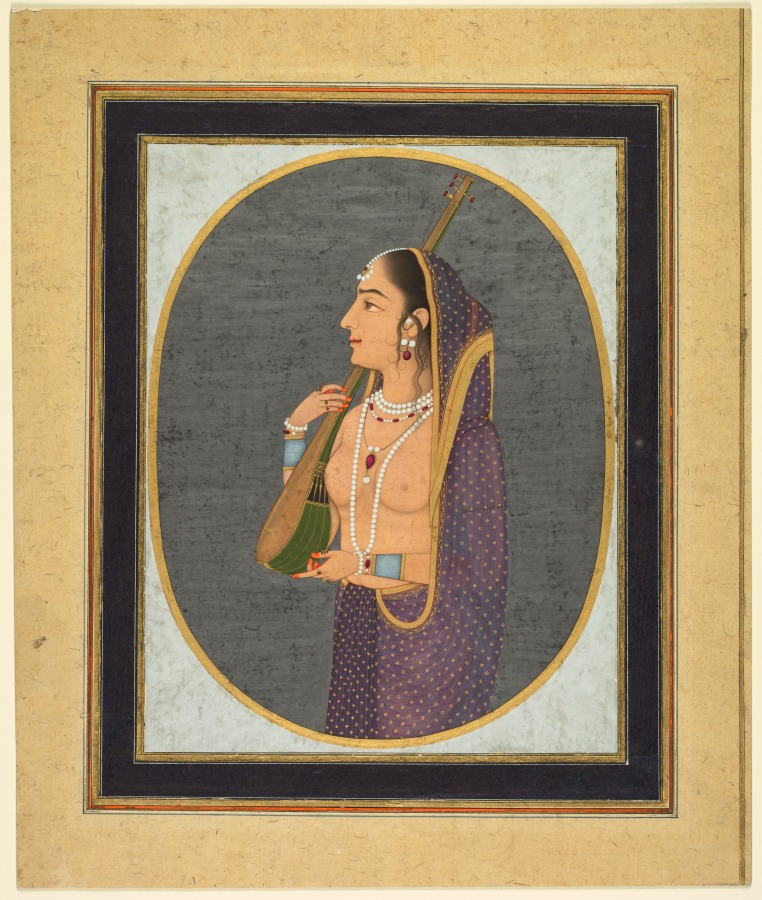 Muhammad Rizavi HindiCourt lady singing and playing the vina
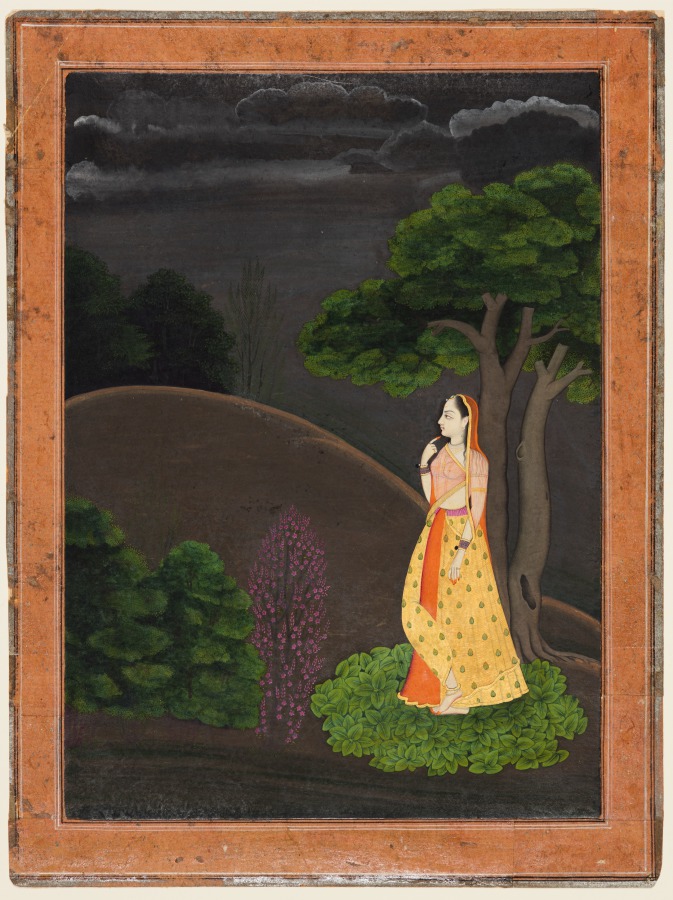 The Heroine Who Waits Anxiously for Her Absent Lover: Utka Nayika
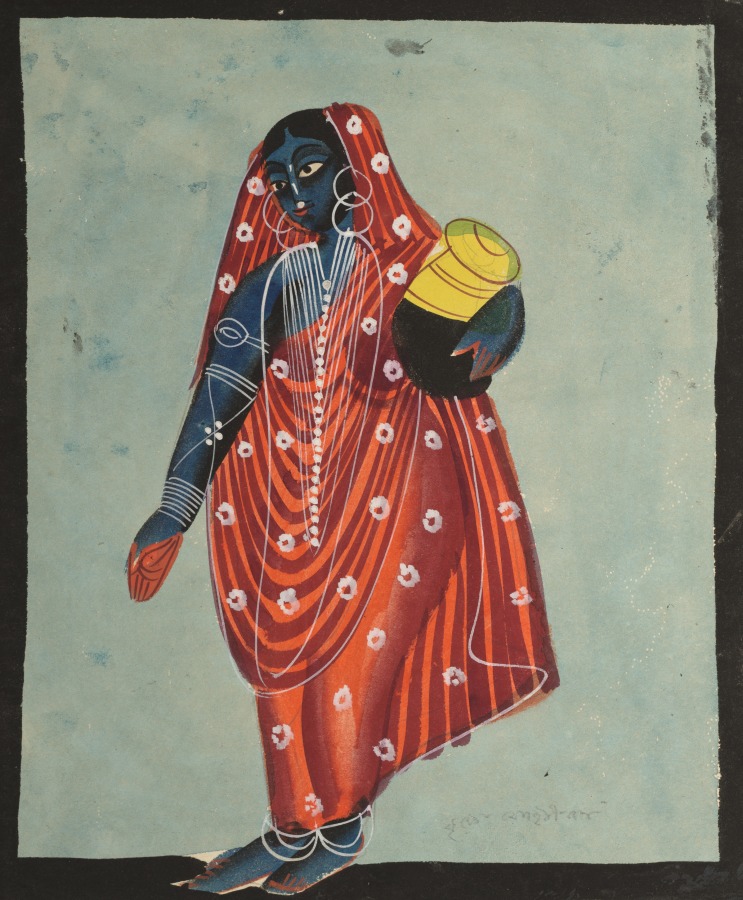 Vishnu in Female Form of Mohini Carrying Amrita for the Gods
 Text, Folio 145 (verso), from a Manuscript of the Perfection of Wisdom in Eight Thousand Lines (Ashtasahasrika Prajnaparamita-sutra)
 Page from Tales of a Parrot (Tuti-nama): text page
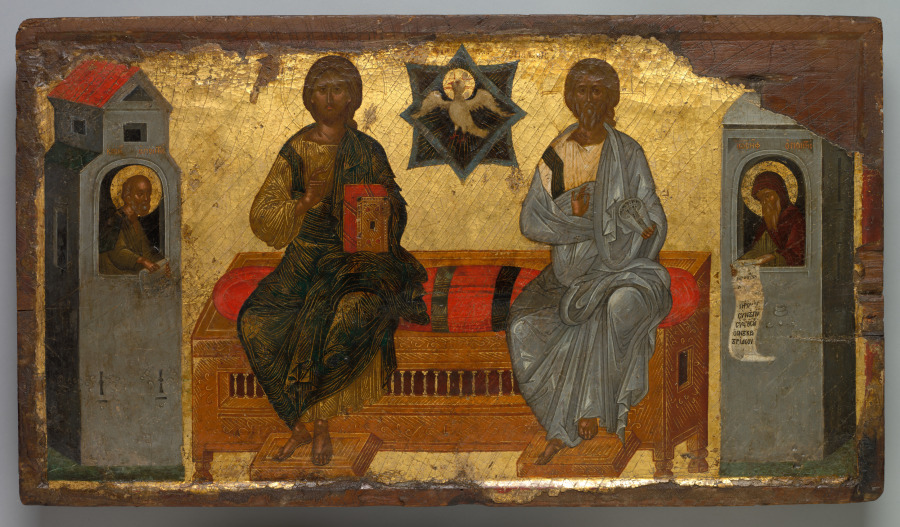 Icon of the New Testament Trinity
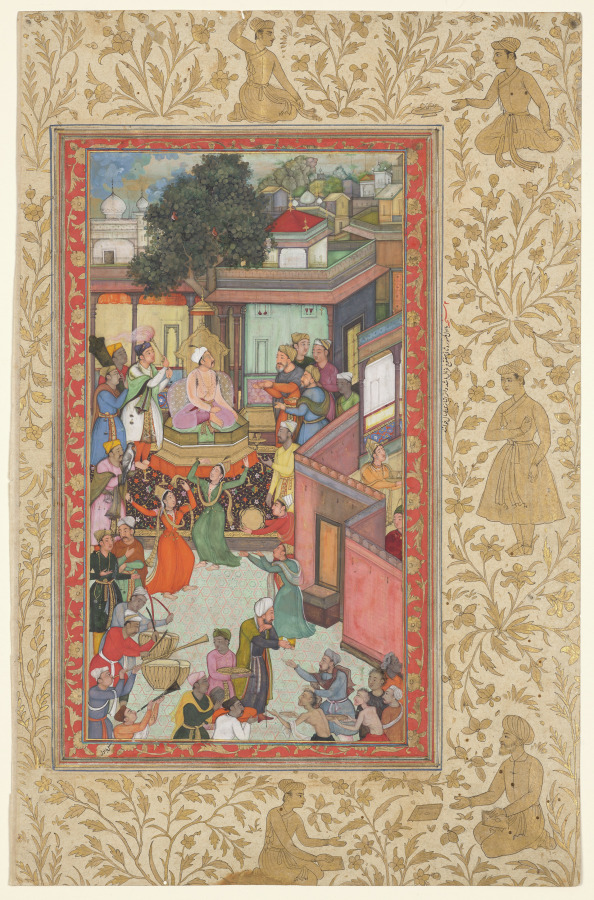 Dharam DasCircumcision ceremony for Akbar’s sons, painting 126 from an Akbar-nama (Book of Akbar) of Abu’l Fazl (Indian, 1551–1602)
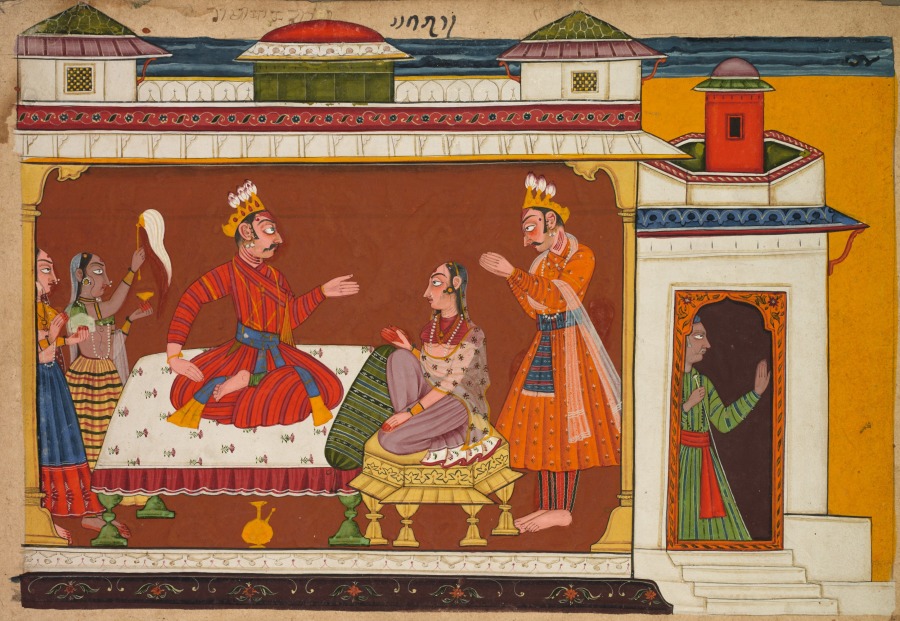 King Dasharatha confers with Kaikeyi, from the “Shangri” Ramayana
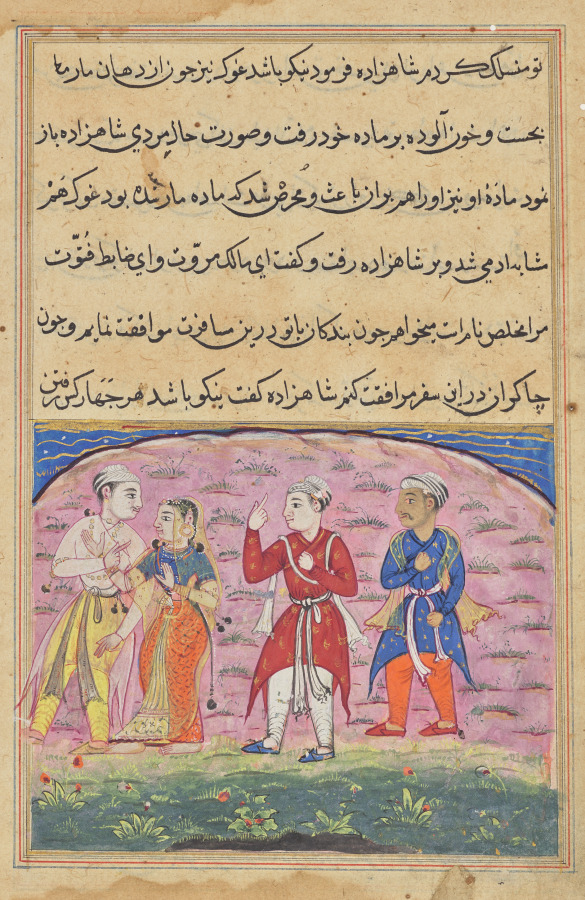 The prince and Nikfal are joined by Khalis and the Mukhlis who are the grateful snake and frog in human form, from a Tuti-nama (Tales of a Parrot): Eighteenth Night
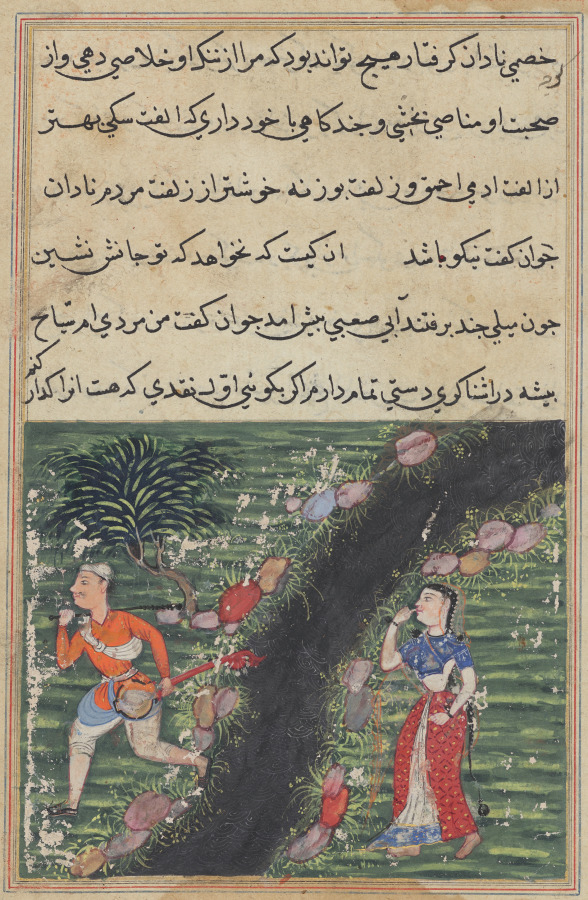 The vagabond crosses a stream with the possessions of the daughter-in-law of the king of Banaras and absconds, from a Tuti-nama (Tales of a Parrot): Sixteenth Night
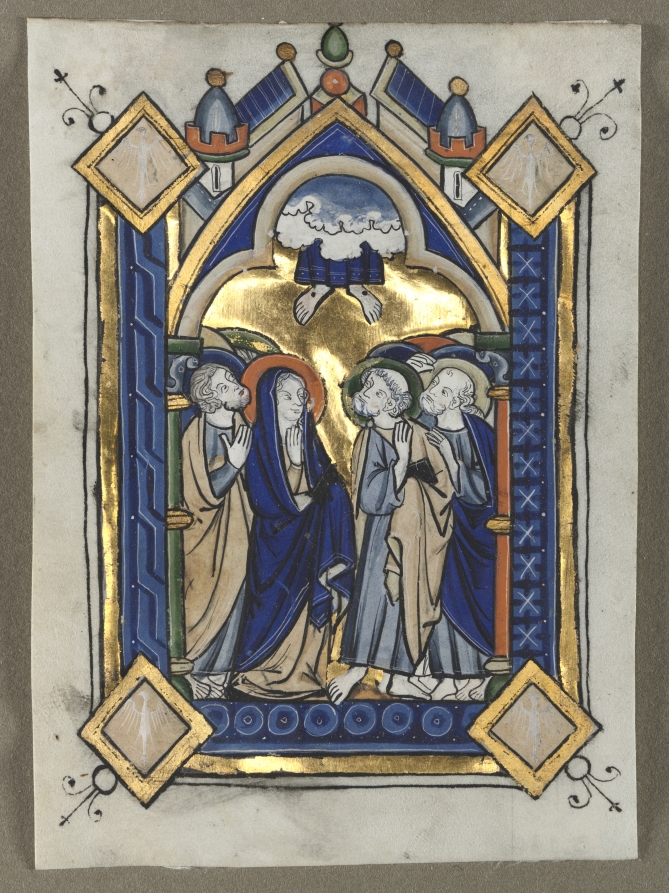 Leaf Excised from a Psalter: The Ascension
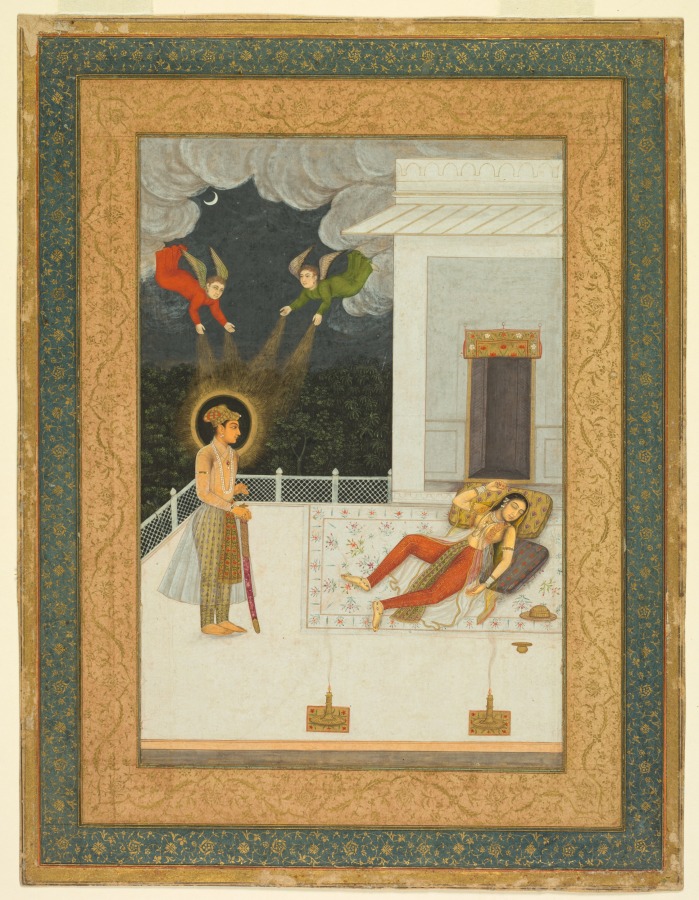 The dream of Zulaykha, from the Amber Album
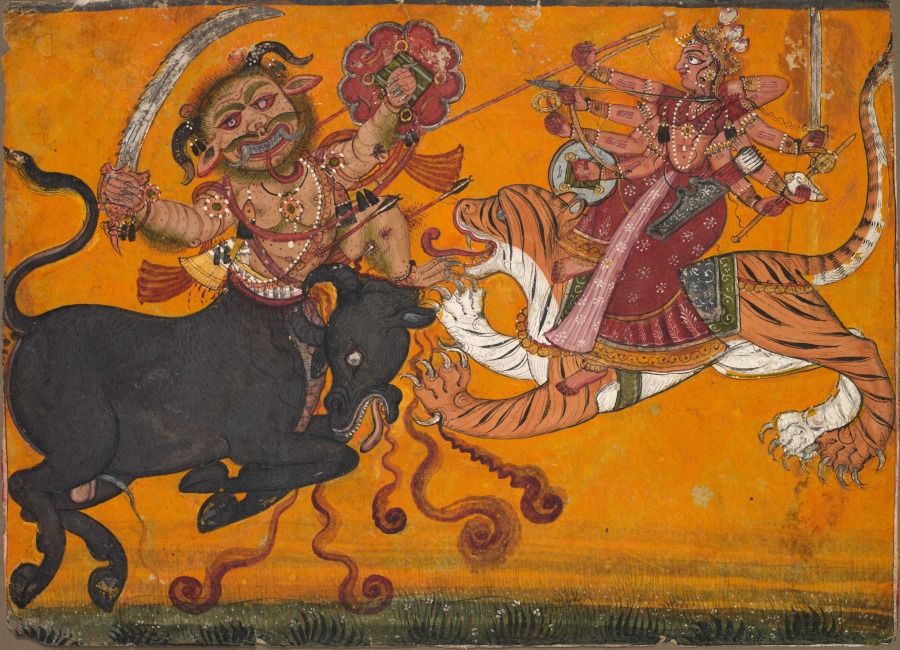 Durga Slaying Mahisha
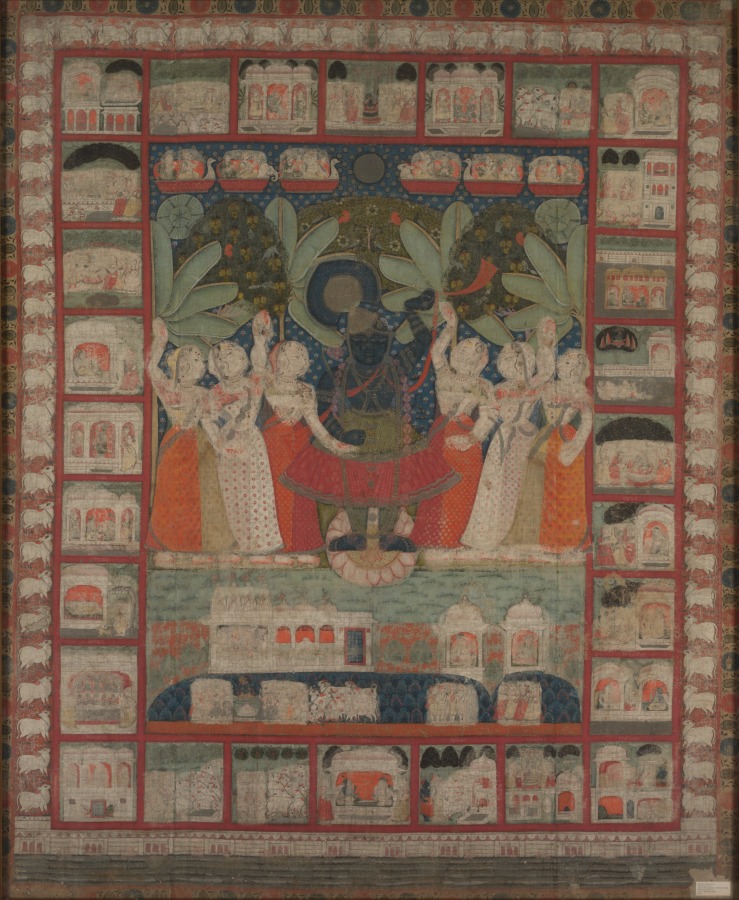 Pichvai of Shri Nathji
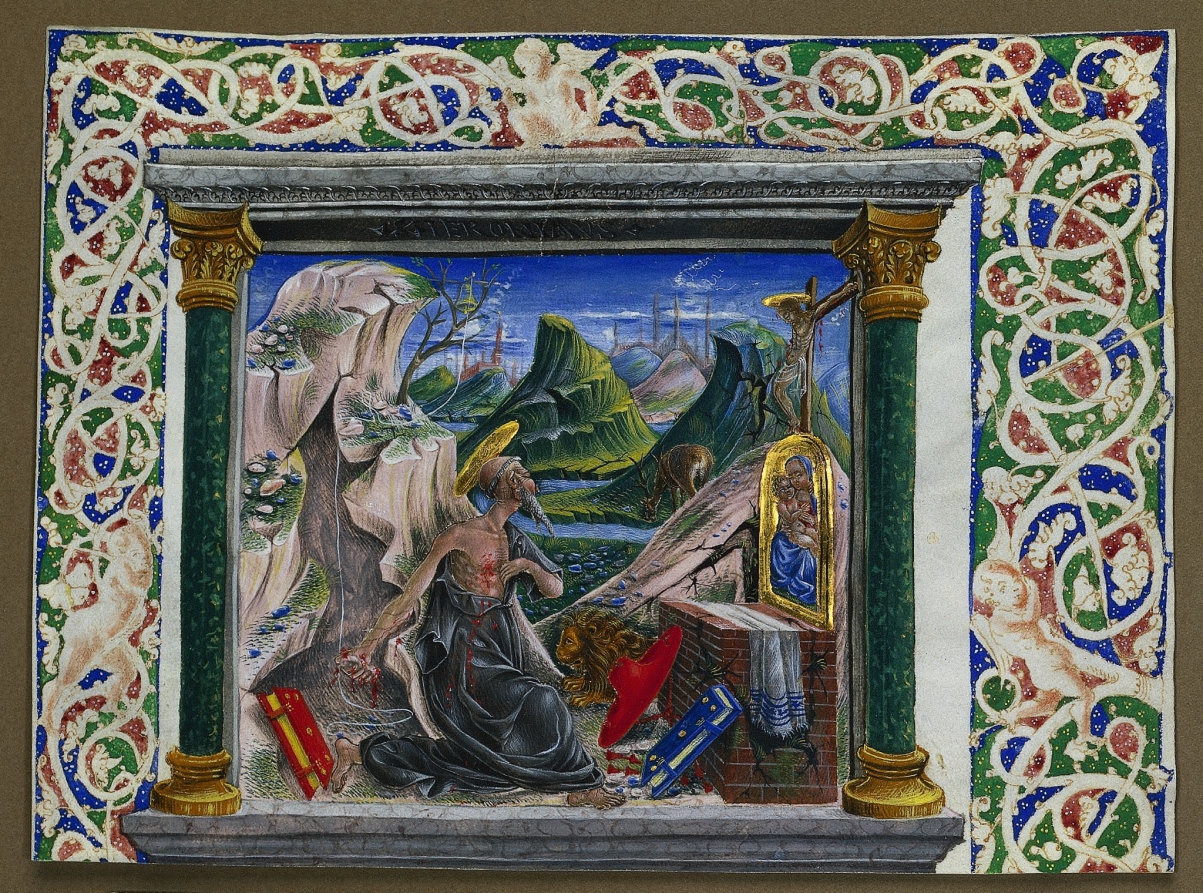 Miniature Excised from a Manuscript: St. Jerome in the Wilderness
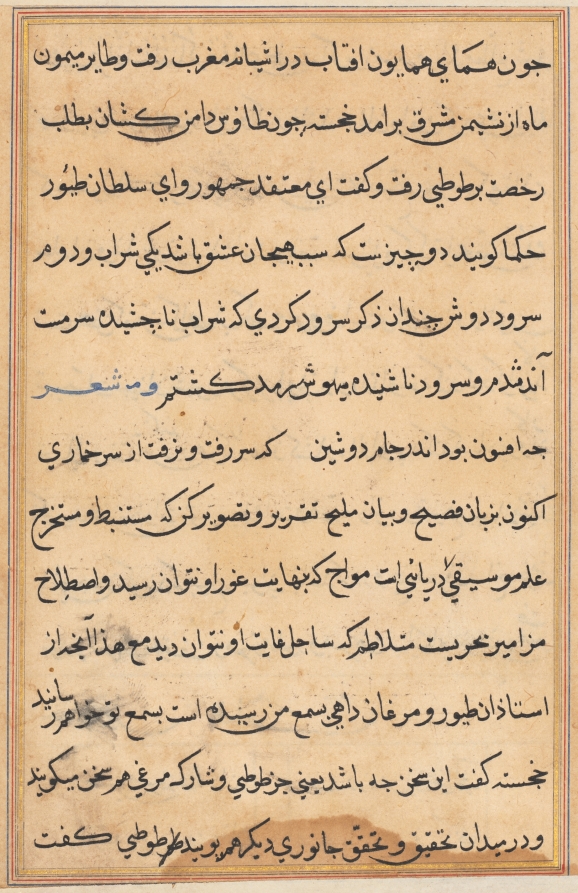 Page from Tales of a Parrot (Tuti-nama): text page
 Text, folio 158 (verso), from a Manuscript of the Perfection of Wisdom in Eight Thousand Lines (Ashtasahasrika Prajnaparamita-sutra)
 Text, Folio 109 (recto), from a Manuscript of the Perfection of Wisdom in Eight Thousand Lines (Ashtasahasrika Prajnaparamita-sutra)
 Text, Folio 41 (recto), from a Manuscript of the Perfection of Wisdom in Eight Thousand Lines (Ashtasahasrika Prajnaparamita-sutra)
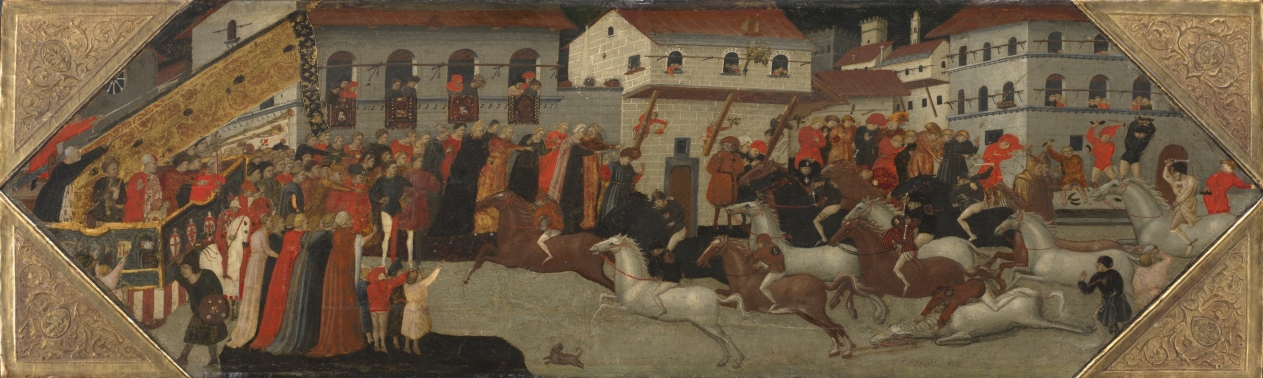 Giovanni Francesco ToscaniPanel from a Cassone: The Race of the Palio in the Streets of Florence
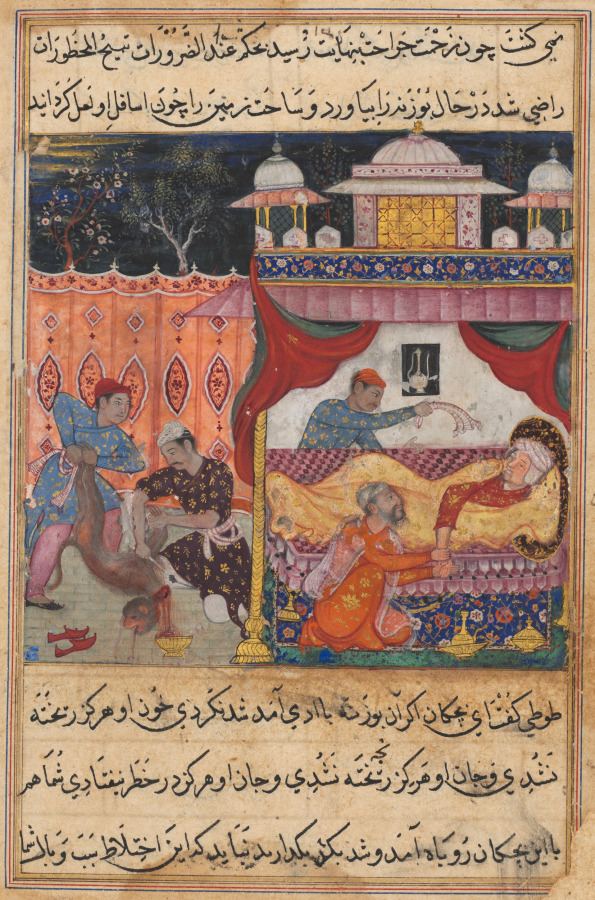 BasawanThe monkey slain, his blood to be used as medicine for the ailing prince he has bitten, from a Tuti-nama (Tales of a Parrot): Fifth Night
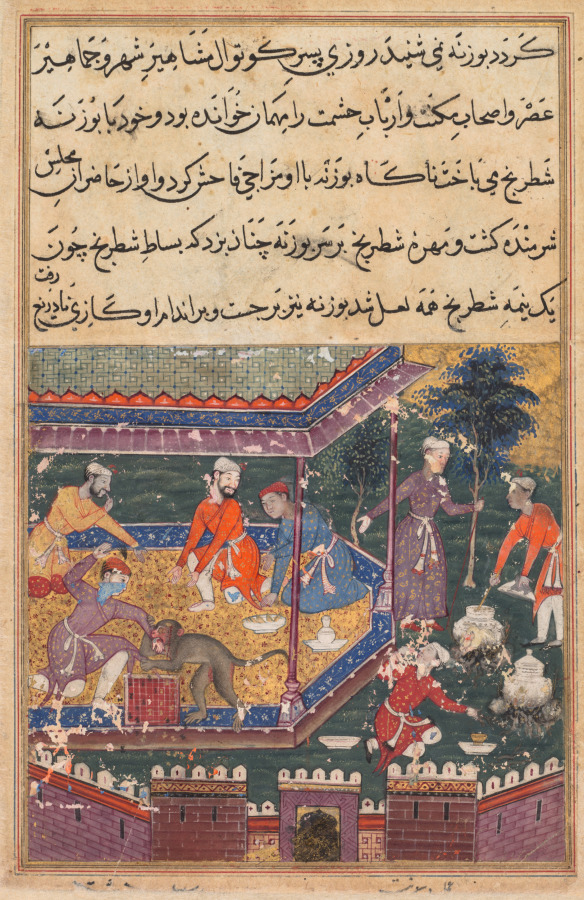 DasavantaThe wounded monkey bites the hand of the prince, his chessmate, in the presence of guests, from a Tuti-nama (Tales of a Parrot): Fifth Night
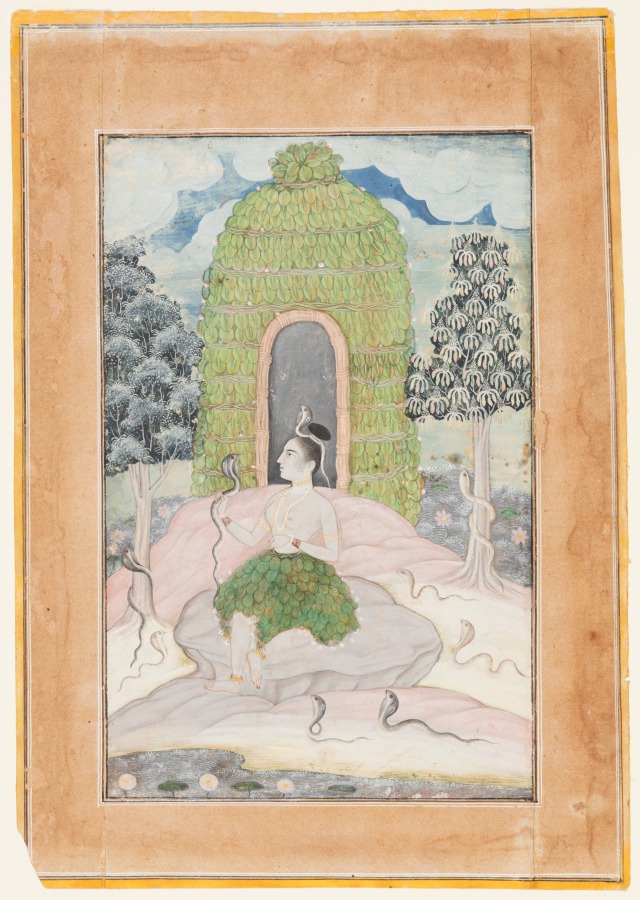 Ascetic Princess with Snakes in a Wilderness: Asavari Ragini, from a Ragamala
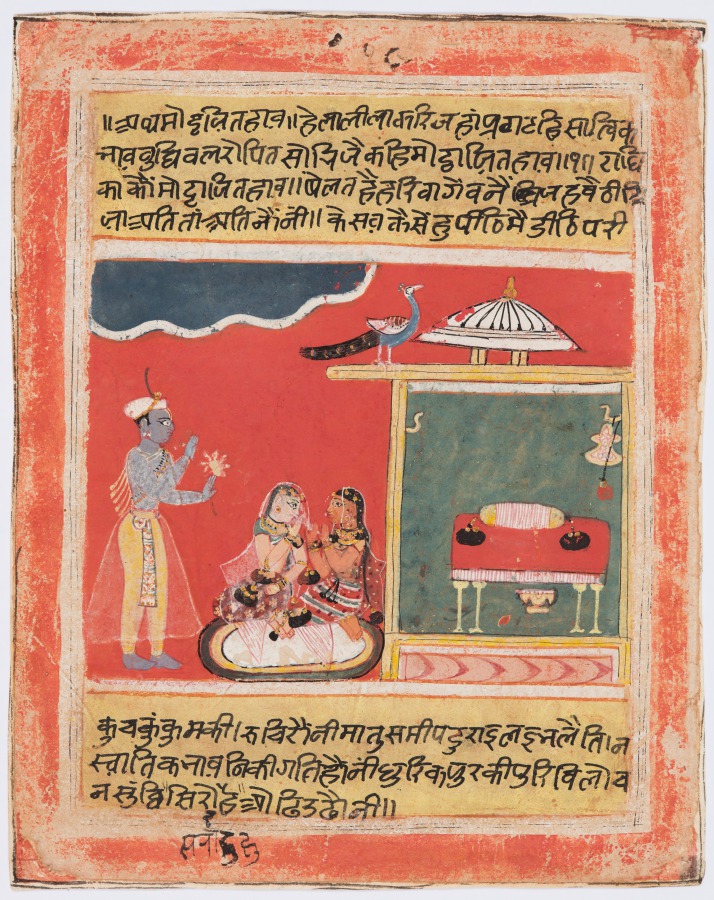 Krishna and Radha Avoid Embarrassment: Mottaita Bhava, from a Rasikapriya
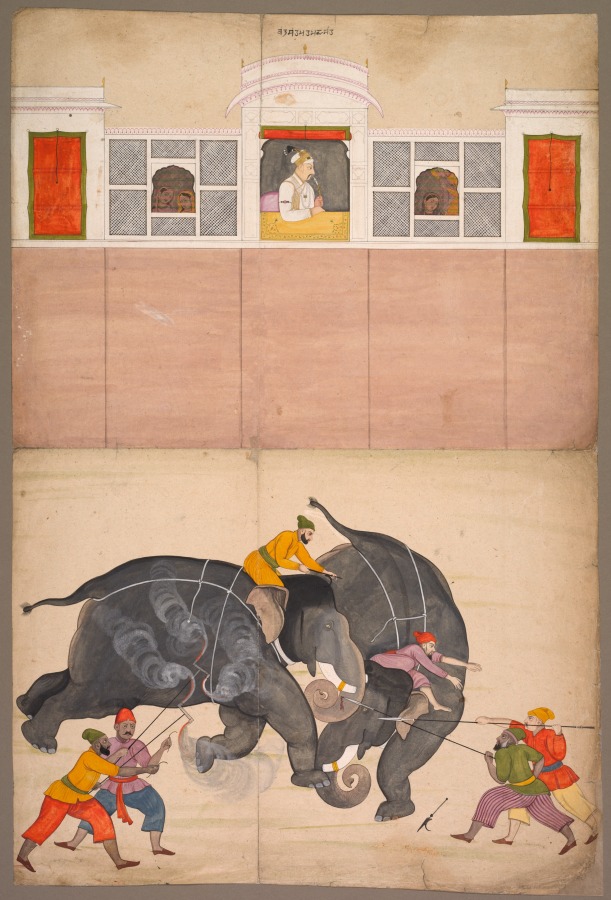 NainsukhTwo Elephants Fighting in a Courtyard Before Muhammad Shah
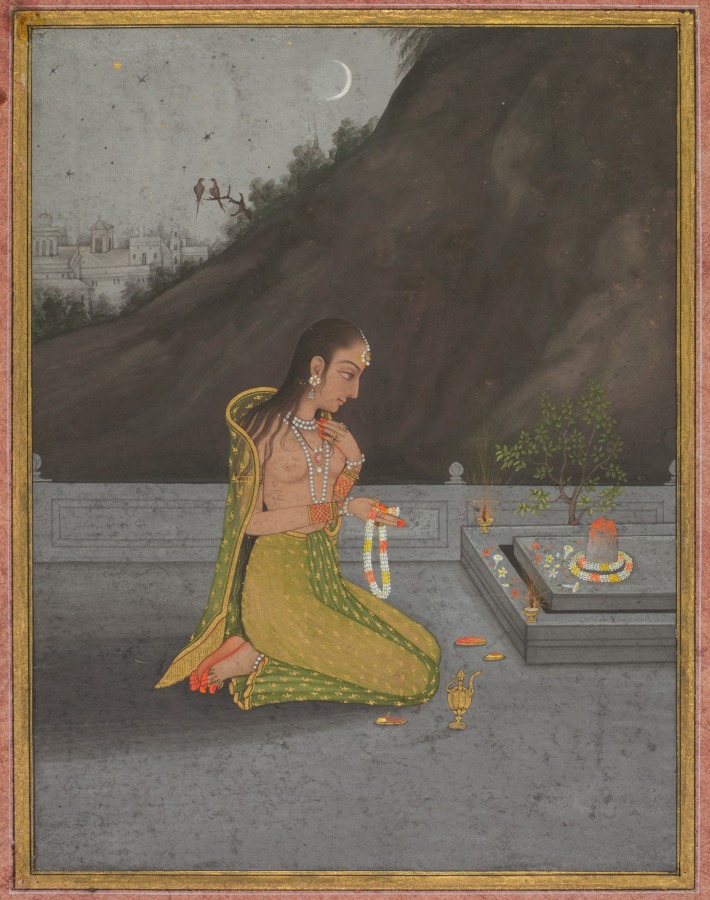 Muhammad Rizavi HindiA Night Scene of Shiva Puja (recto)
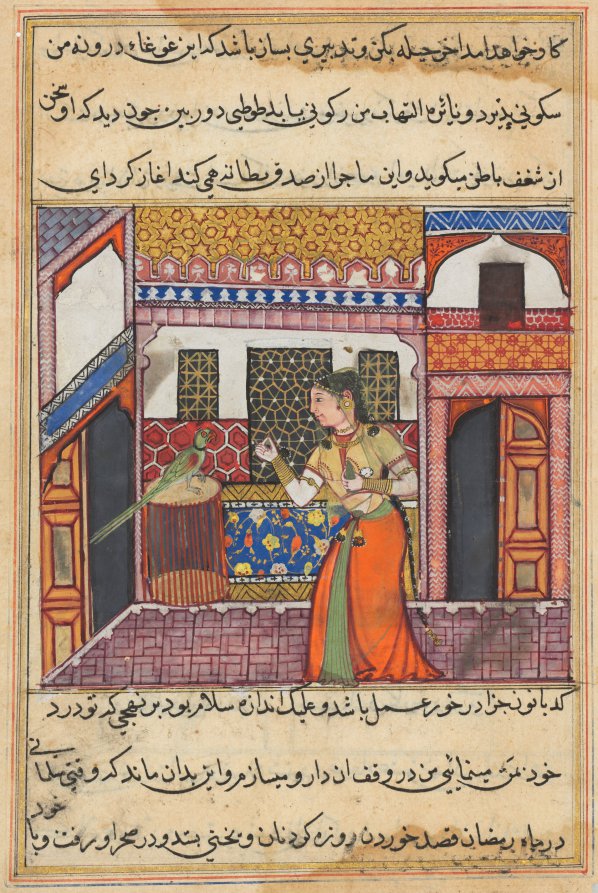 The parrot addresses Khujasta at the beginning of the forty-third night, from a Tuti-nama (Tales of a Parrot)
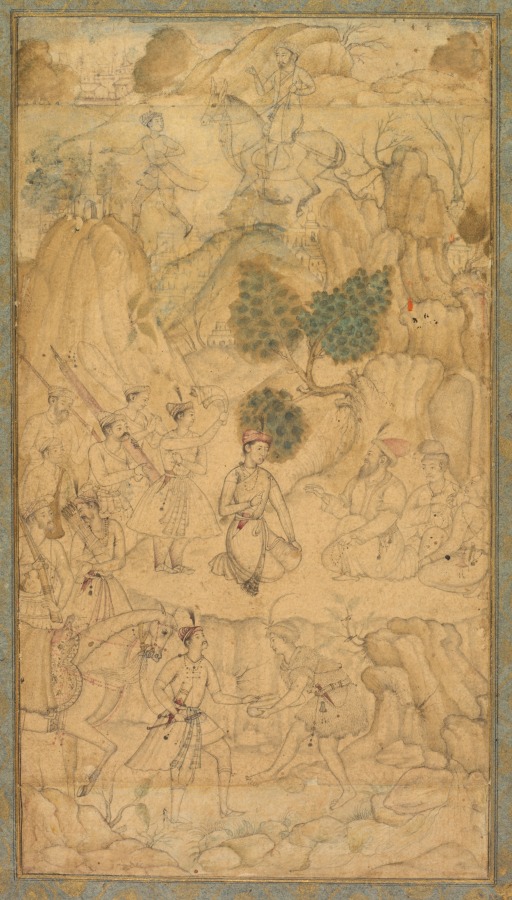 A prince visiting a holy man in a rocky landscape
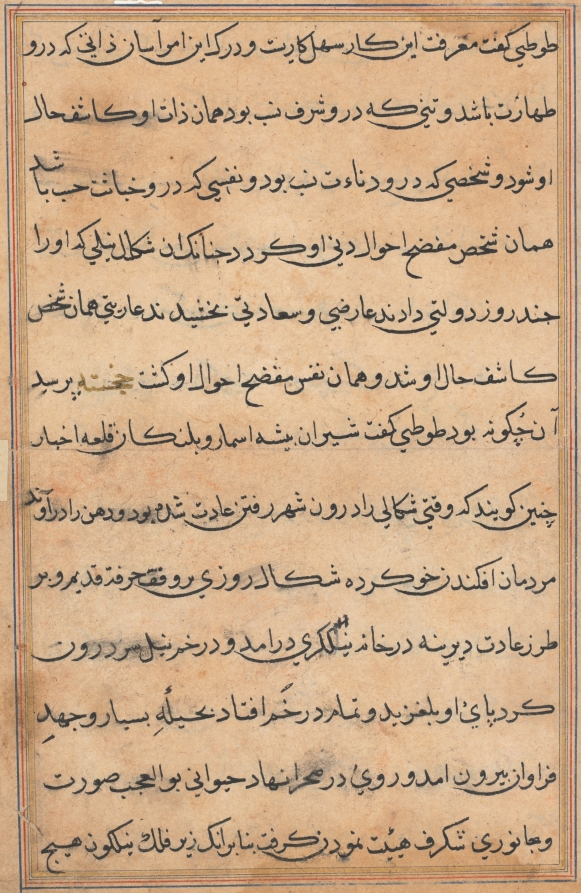 Page from Tales of a Parrot (Tuti-nama): text page
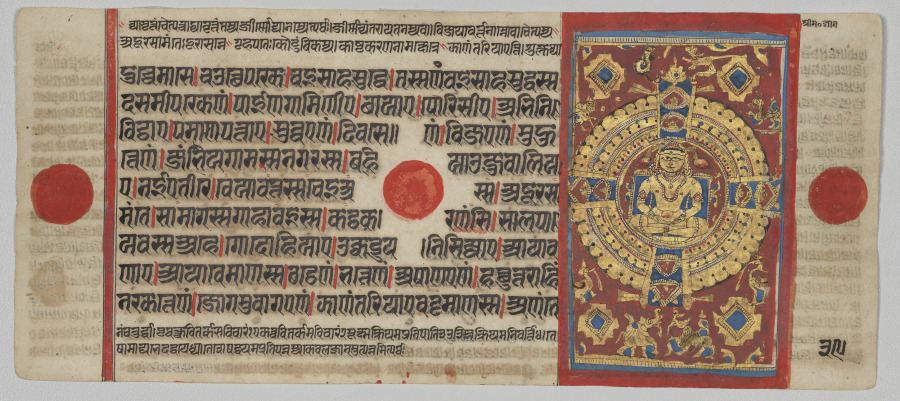 Mahavira's Omniscience and First Teaching (Samavasarana), Folio 39 (verso), from a Kalpa-sutra
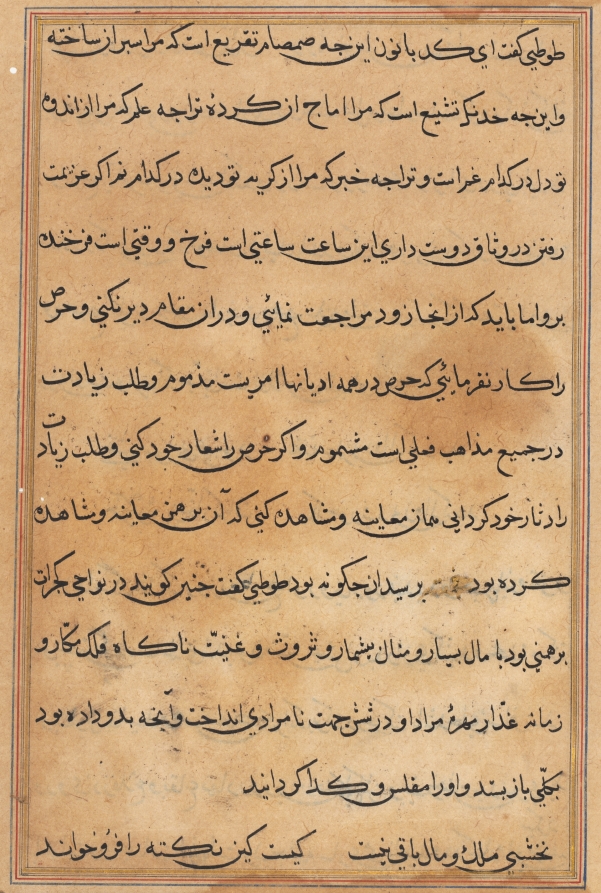 Page from Tales of a Parrot (Tuti-nama): text page
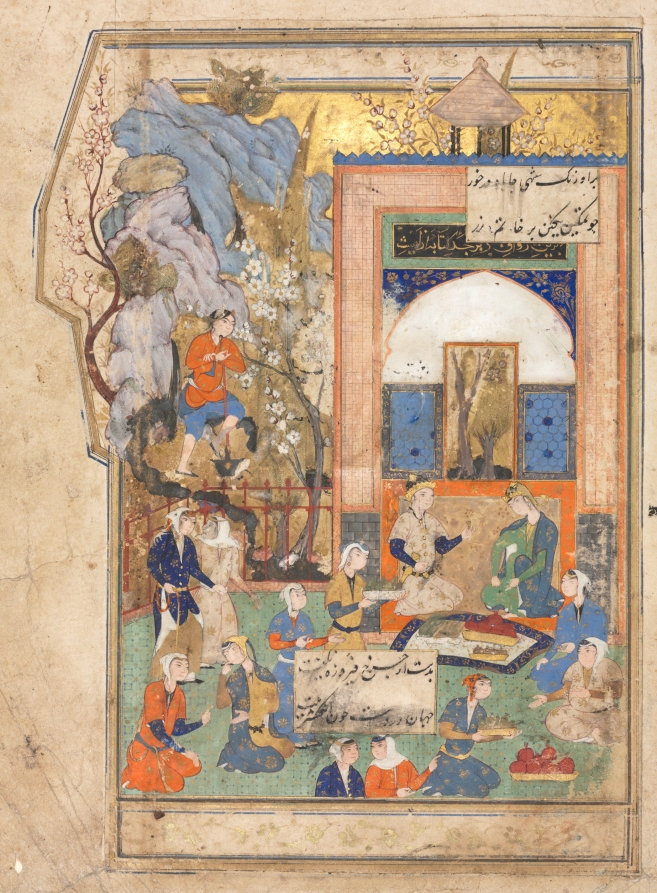 Yusuf and Zulaykha (recto), from an Anthology of Persian Verses, including the Haft Awrang (Seven Thrones) of Jami: The Fifth Throne
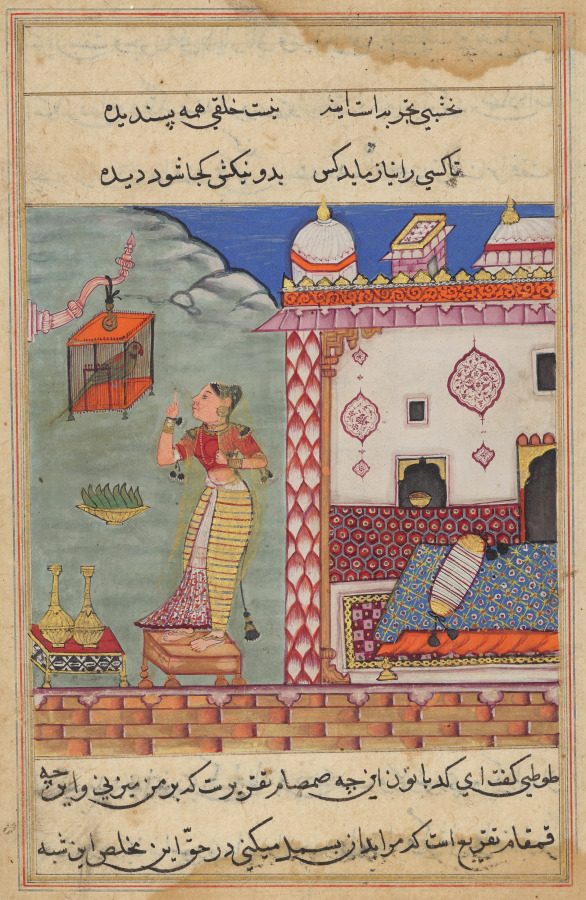 The Parrot Addresses Khujasta at the Beginning of the Twenty-seventh Night, form a Tuti-nama (Tales of a Parrot)
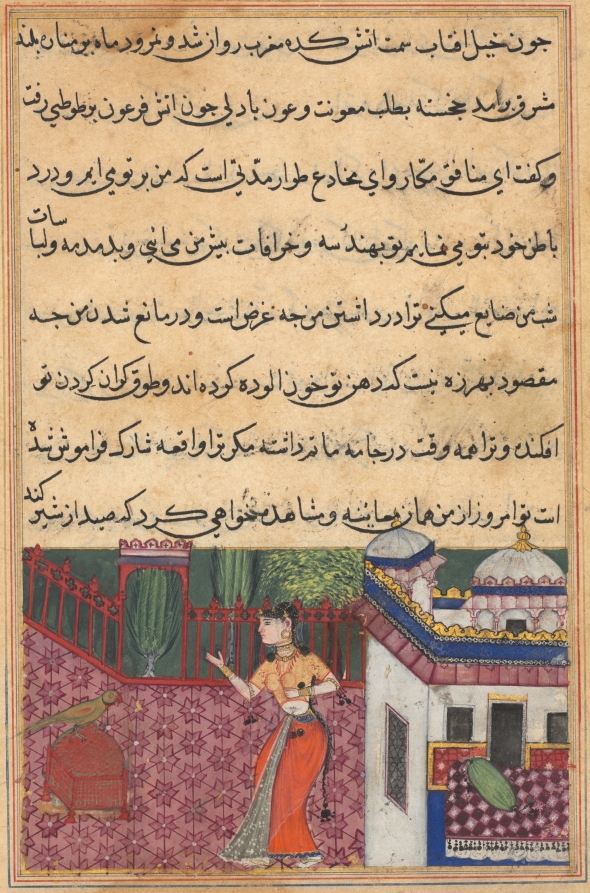 The parrot addresses Khujasta at the beginning of the thirty-third night, from a Tuti-nama (Tales of a Parrot)
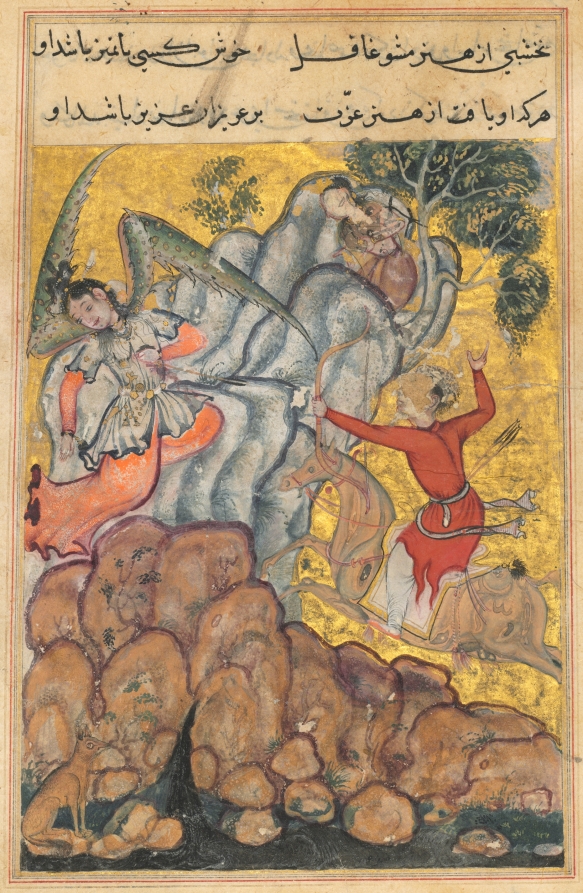 The third suitor, who is an archer, shoots the wicked fairy who has imprisoned Zuhra. He rides on a magic horse prepared by the second suitor and is led to the spot by the divining prowess of the first, from a Tuti-nama (Tales of a Parrot): Thirty-fourth Night
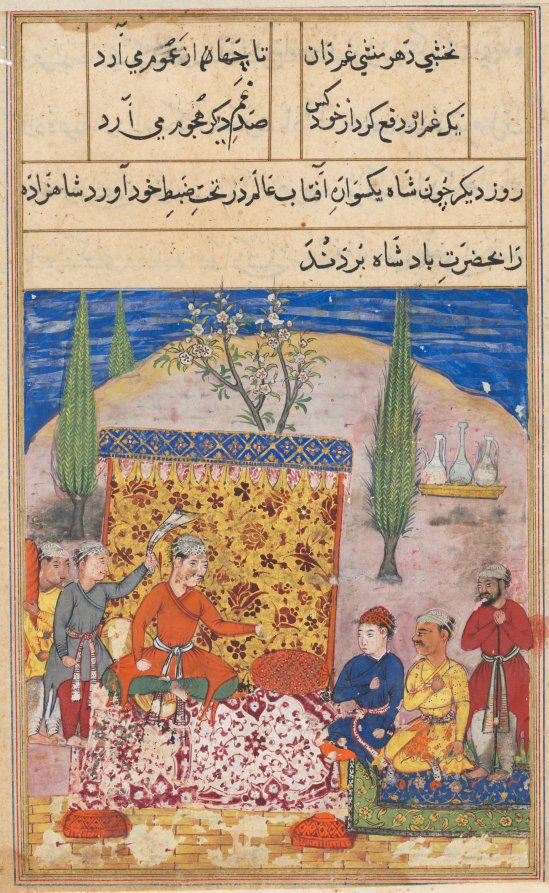 The young prince is presented to the king, his father, by his teacher, but refuses to speak, from a Tuti-nama (Tales of a Parrot): Eighth Night
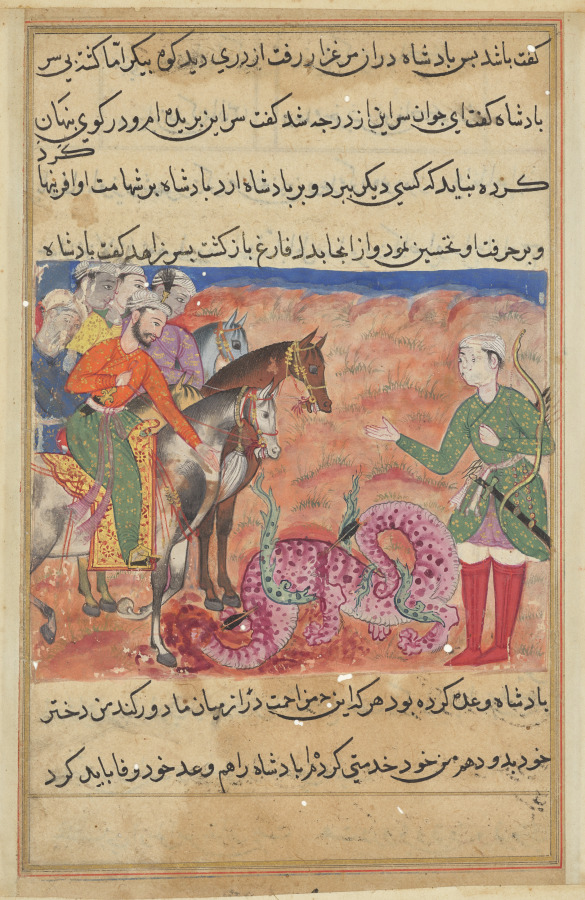 The pious man’s son presents the slain dragon to the king, from a Tuti-nama (Tales of a Parrot): Fifty-second Night
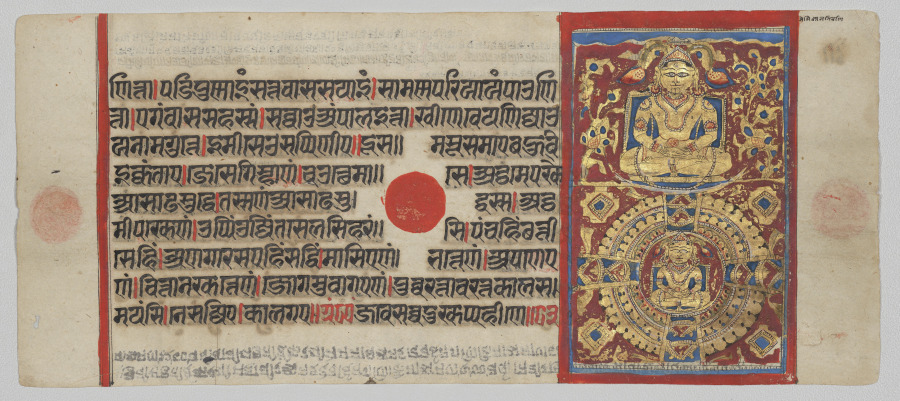 Nemi's Omniscience and First Teaching (below) and Nemi in the Realm of Liberation (above), Folio 51 (recto), from a Kalpa-sutra
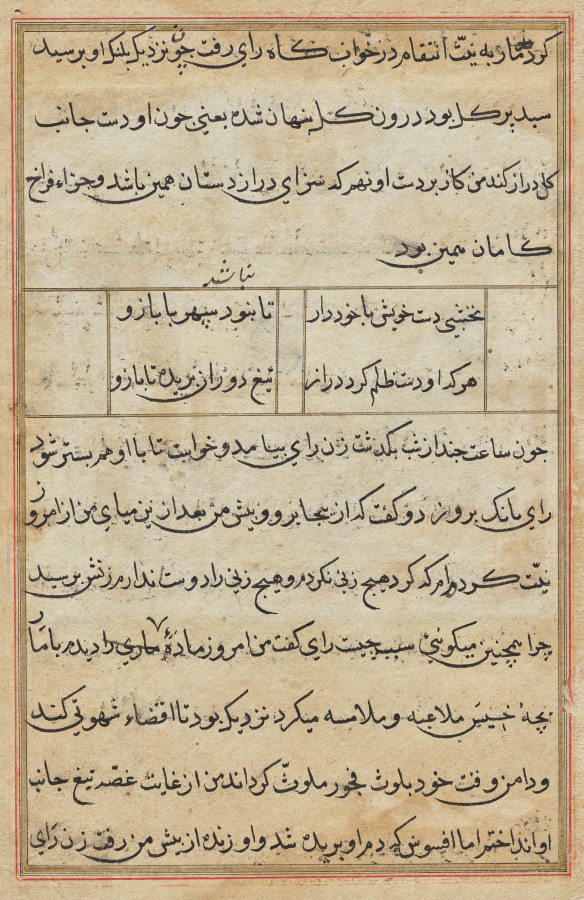 Page from Tales of a Parrot (Tuti-nama): text page
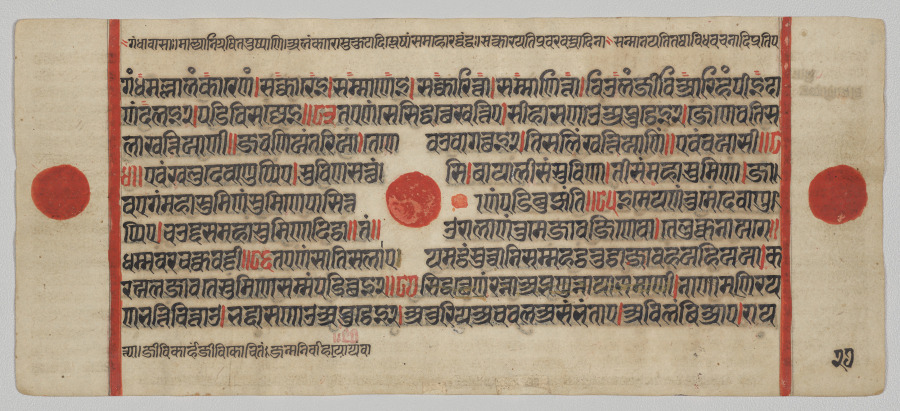 Text, Folio 27 (verso), from a Kalpa-sutra
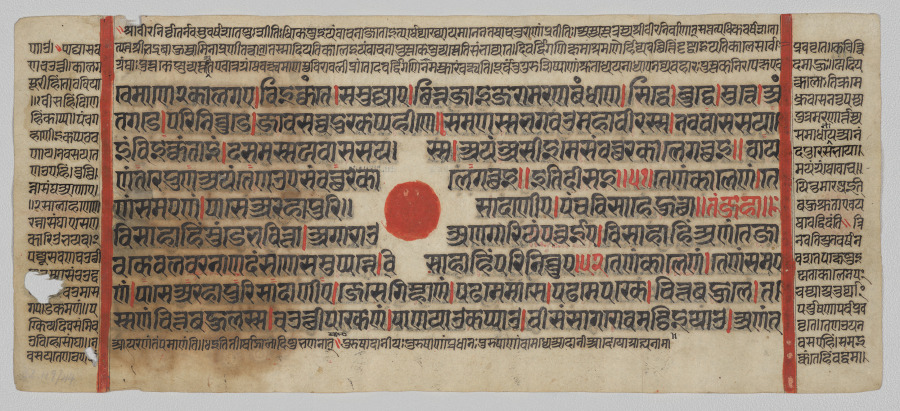 Text, Folio 44 (recto), from a Kalpa-sutra
 Text, Folio 113 (recto), from a Manuscript of the Perfection of Wisdom in Eight Thousand Lines (Ashtasahasrika Prajnaparamita-sutra)
 VenetianSaint Monica from an Augustinian altarpiece
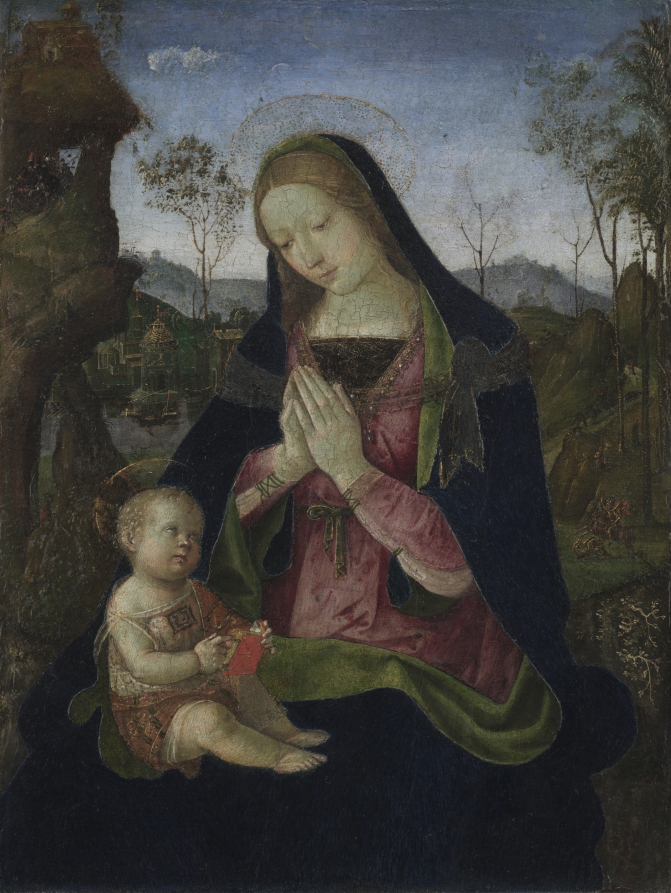 PinturicchioVirgin and Child
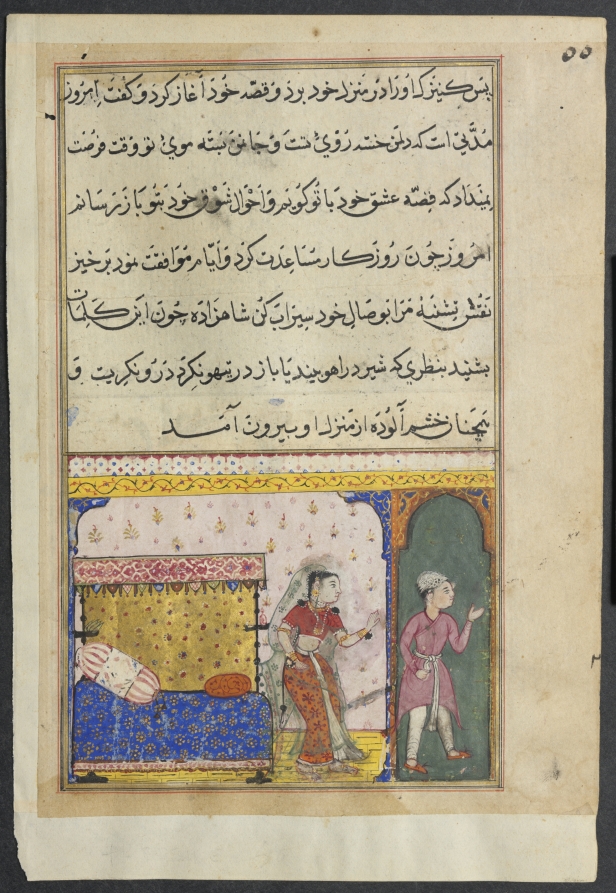 The prince rejects the amorous advances of the king’s handmaiden, from a Tuti-nama (Tales of a Parrot): Eighth Night
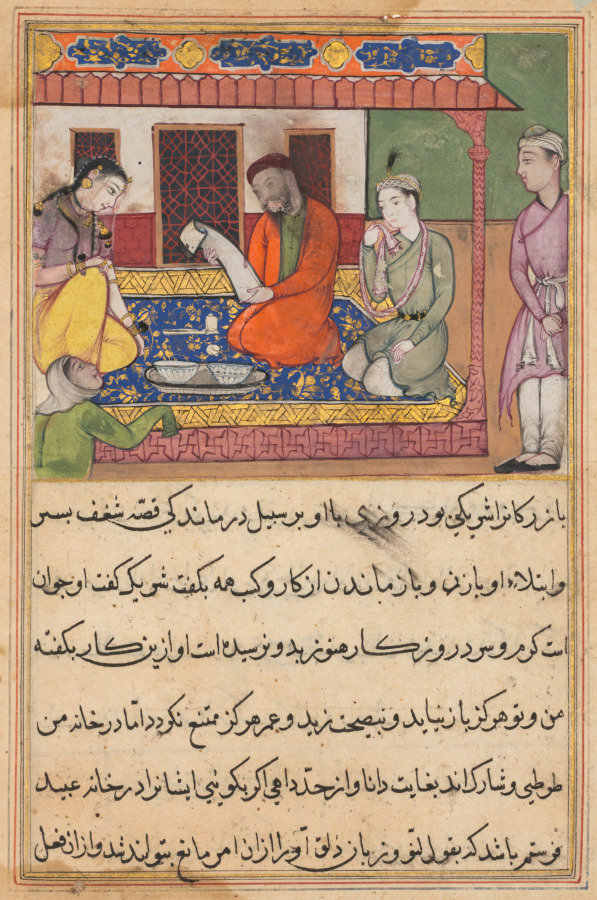 The marriage of ‘Ubaid, son of a merchant of Tirmiz, from a Tuti-nama (Tales of a Parrot): Forty-second Night
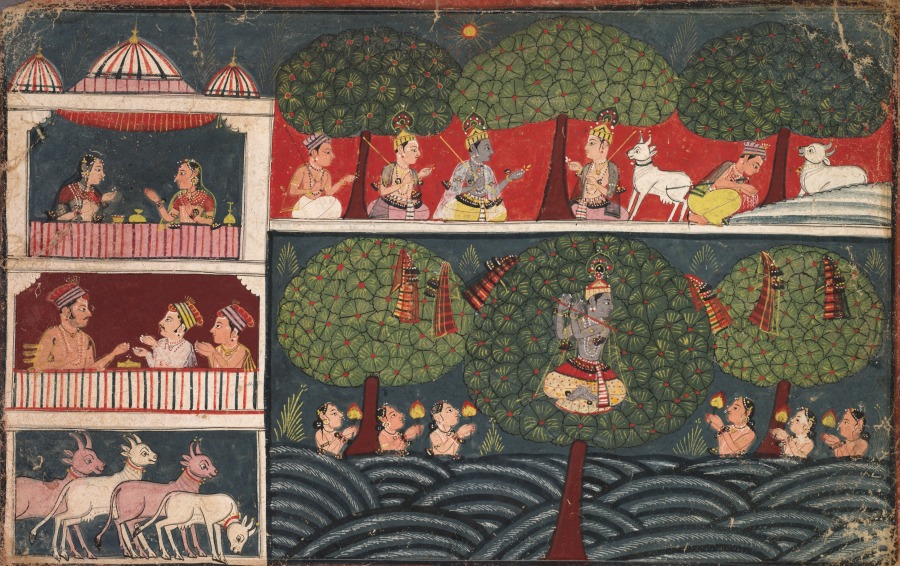 Krishna Steals the Clothes of the Milkmaids and Expounds on the Virtue of Trees, from a Braj Bhagavata Purana