ART WIKI33.040 in sala
MappaCollezioneArtistiMuseiMostreRivista
Accedi

ART WIKI

Dove è appeso il capolavoro, e quando si può entrare.

Collezioni: Art Institute of Chicago, Cleveland Museum of Art, Ermitage, Galleria Tret'jakov, Getty Museum, Harvard Art Museums, Hirshhorn Museum and Sculpture Garden, Metropolitan Museum of Art, Minneapolis Institute of Art, Museo del Louvre, Museo Puškin delle belle arti, Museo russo, Museum of Modern Art, National Gallery of Art, National Museum of Asian Art, National Portrait Gallery, Rijksmuseum, Smithsonian American Art Museum, Statens Museum for Kunst, Victoria and Albert Museum, Villa Getty, Whitney Museum of American Art, Catalogo statale del fondo museale russo (274 musei), Europeana (19 musei), Wikidata (6 musei), Paris Musées (12 musei) e Joconde, la banca dati dei musei del Ministero della Cultura francese (495 musei). Le immagini appartengono ai titolari dei diritti.

Sezioni

  • Mappa
  • Ricerca
  • Collezione
  • Capolavori
  • Esposte ora
  • Artisti

Altro

  • Musei e gallerie
  • Mostre
  • Rivista
  • Da dove vengono i dati
  • Privacy e cookie
HomeMappaCatalogo
  1. Collezione/
  2. Kupferstich-Kabinett/
  3. Zwei männliche Akte
Zwei männliche Akte, Timoteo Viti
Timoteo Viti, ritrattoTimoteo VitiItalia, 1469–1523

Zwei männliche Akte

Drawing

Si può ammirare?

Non si sa

Kupferstich-Kabinett

Dresda, Germania

Il proprietario è noto; non si sa se oggi sia esposta.

Ultimo cambio di stato
27 set 2026
Fonte
Il museo
Sulla mappaPagina del museo

Scheda

Altre opere di Timoteo Viti

Tutte le opere

Dalla collezione: Kupferstich-Kabinett

Pagina del museo

Che cosa raffigura

Aktzeichnung

In catalogo

Disegni e acquerelli

Fonti

  • Kupferstich-Kabinett
  • Immagine: Kupferstich-Kabinett — In Copyright
Portret van Thomas van Aquino, Timoteo Viti, 1480 - 1523

Portret van Thomas van Aquino

1480 - 1523 · Rijksmuseum

Das Wunder des heiligen Martin. (Ein Dämon auf einem Rind läßt eine Reihe von Gefallenen hinter sich und gelangt bis zu einem Gebäude, um dessen Stufen sich eine Gruppe nackter Männer drängt; einer tritt ihm wehrend entgegen), Timoteo Viti

Das Wunder des heiligen Martin. (Ein Dämon auf einem Rind läßt eine Reihe von Gefallenen hinter sich und gelangt bis zu einem Gebäude, um dessen Stufen sich eine Gruppe nackter Männer drängt; einer tritt ihm wehrend entgegen)

Albertina

Madonna and Child, Timoteo Viti, 1488

Madonna and Child

1488 · Non esposta · Ermitage

Kniender männlicher Akt, Timoteo Viti

Kniender männlicher Akt

Kupferstich-Kabinett

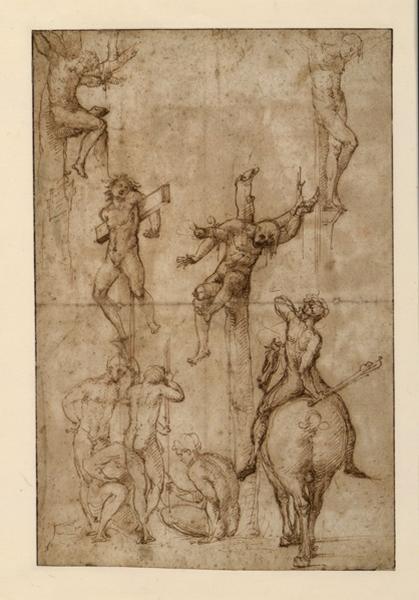
Feuille d'étude : Crucifixion, Timoteo Viti, 4e quart 15e siècle, 1er quart 16e siècle

Feuille d'étude : Crucifixion

4e quart 15e siècle, 1er quart 16e siècle · Musée des Beaux-Arts d'Angers

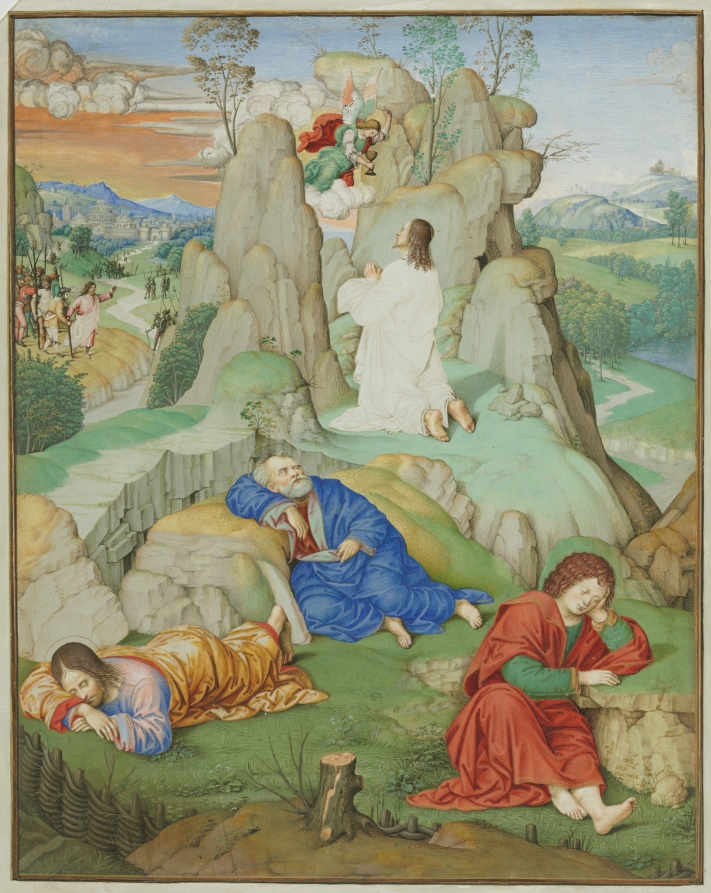
Full Page Miniature: The Agony in the Garden, Timoteo Viti, 1490–1500

Full Page Miniature: The Agony in the Garden

1490–1500 · Non esposta · Cleveland Museum of Art

Etude de tête de femme, Timoteo Viti, 16e siècle

Etude de tête de femme

16e siècle · Museo di belle arti di Marsiglia

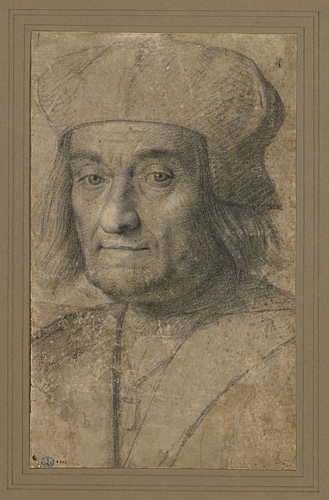
Portrait d'homme, Timoteo Viti, 1500-1510

Portrait d'homme

1500-1510 · Musée des beaux-arts et d'archéologie

Der Erzengel Michael, Raphael

Raphael

Der Erzengel Michael

Kopf einer jungen Frau mit Turban und Perlenkette, Raphael

Raphael

Kopf einer jungen Frau mit Turban und Perlenkette

Plakat: I. Kunstausstellung der Wiener Secession, Gustav Klimt, 1898

Gustav Klimt

Plakat: I. Kunstausstellung der Wiener Secession, 1898

Jan Antonides van der Linden, Professor der Medizin in Leiden, Rembrandt, 1665

Rembrandt van Rijn

Jan Antonides van der Linden, Professor der Medizin in Leiden, 1665

Jan Antonides van der Linden, Professor der Medizin in Leiden, Rembrandt, 1665

Rembrandt van Rijn

Jan Antonides van der Linden, Professor der Medizin in Leiden, 1665

Diana und Aktaion, Rembrandt, 1663–1665

Rembrandt van Rijn

Diana und Aktaion, 1663–1665

Petrus am Totenbett der Tabea, Rembrandt, 1662–1665

Rembrandt van Rijn

Petrus am Totenbett der Tabea, 1662–1665

Die Frau mit dem Pfeil (Venus und Cupido?), Rembrandt, 1661

Rembrandt van Rijn

Die Frau mit dem Pfeil (Venus und Cupido?), 1661