Ilya RepinUcraina, 1844–1930
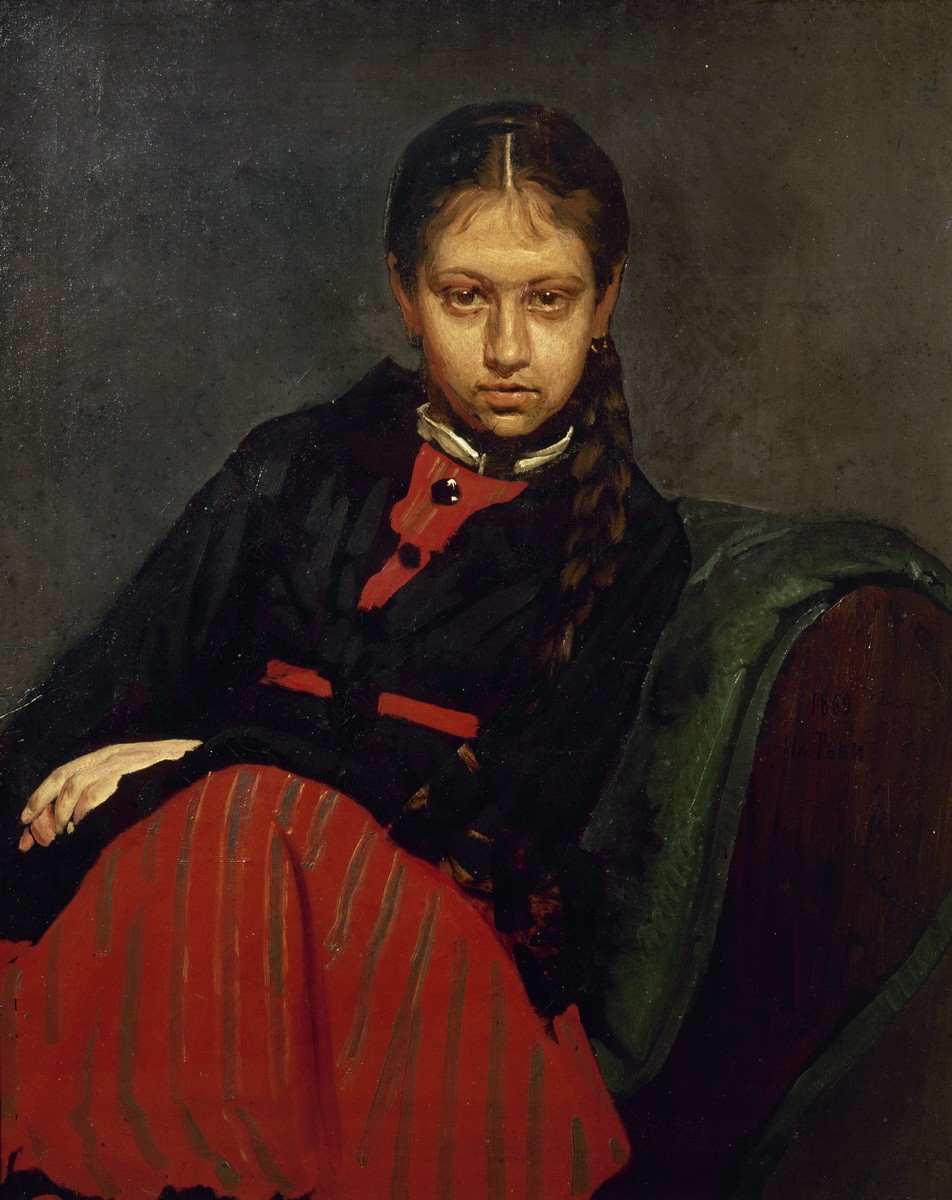
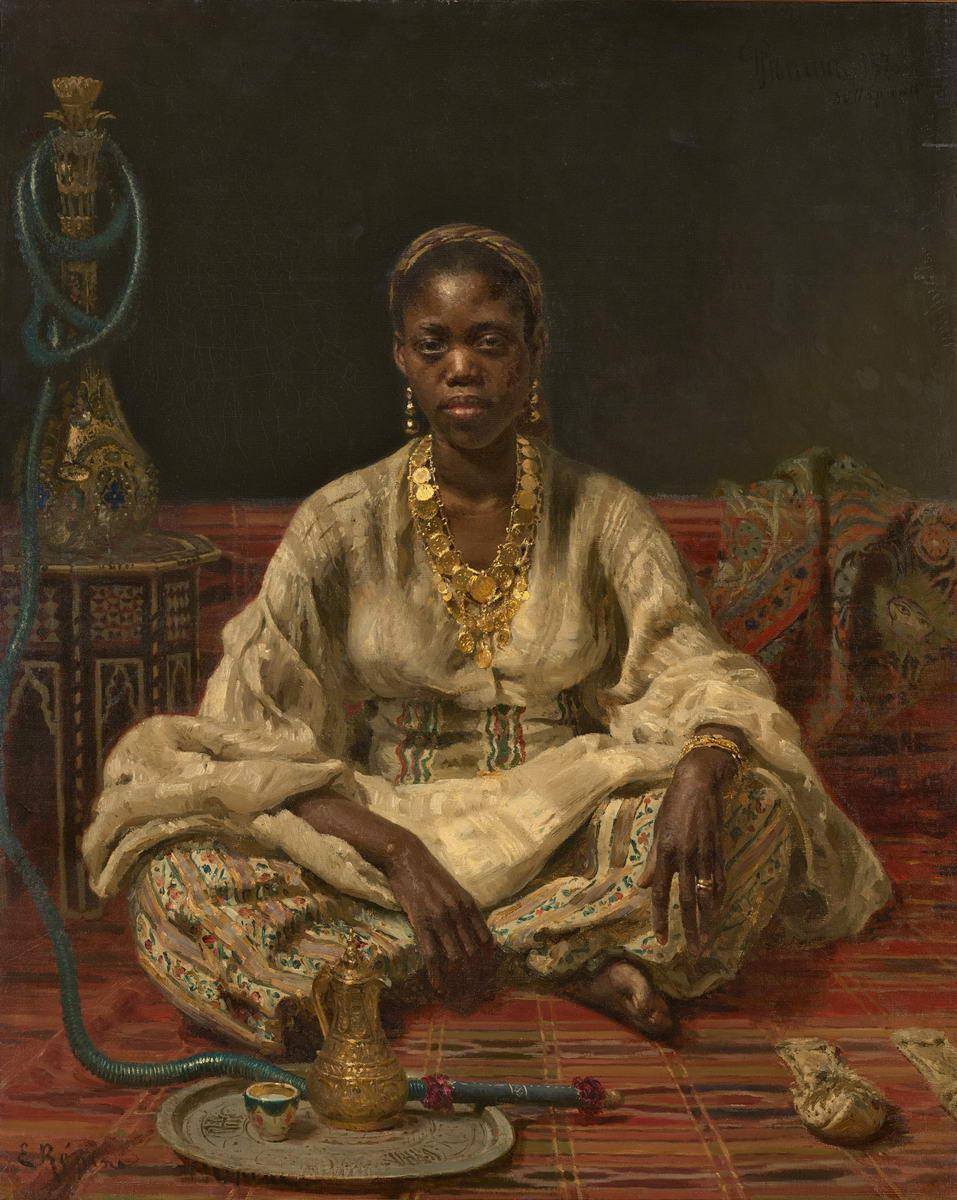
Женский портрет
Si può vedere?
Non si sa
Dove si trova «Женский портрет» oggi? Collezione: Scientific-research Museum of the Russian Academy of Arts, San Pietroburgo. Non si sa.
San Pietroburgo, Russia
Il proprietario è noto; non si sa se oggi sia esposta.
- Ultimo cambio di stato
- Fonte
- Il museo
Scheda
- Numero di inventario
- П-81
In catalogo
Fonti
- Il Catalogo statale del fondo museale della Russia
- Immagine: Scientific-research Museum of the Russian Academy of Arts — © Музей Российской академии художеств · Госкаталог музейного фонда РФ
Nella vita di Ilya Repin
Tutta la vita1899
Buys land at Kuokkala and builds “Penaty”
In 1899 Repin bought land near the village of Kuokkala, forty kilometres north of St Petersburg, and with Natalia Nordman built the Penaty estate, which became his home for thirty years. At first it was only a summer house; after he left the Academy in 1907 it became his permanent home and studio.
1900–1930 · Residenza
Repino
1905
The 1905 revolution: “the year of disaster and shame”
The repression of the popular demonstrations before the Winter Palace in 1905 disillusioned Repin: he called it “the year of disaster and shame”, took part in protests against bloodshed, made sketches of troops firing on a peaceful demonstration, and resigned his teaching post at the Academy to concentrate on painting.
1917
Finland breaks away: Penaty ends up abroad
Repin welcomed the February Revolution, but after October he was appalled by the violence and terror the Bolsheviks unleashed. Finland, and with it Penaty, declared independence, the border was closed, and he refused to return to Russia — he remained in forced emigration for the rest of his life.
1925
Urged to return to the USSR: Repin refuses
In 1925 a jubilee exhibition of Repin’s works opened at the Russian Museum in Leningrad, but he could not travel to it because of the closed border. A delegation of Soviet artists, among them his former student Isaak Brodsky, tried to persuade him to return; Repin refused, though he donated three sketches devoted to the revolution of 1905 and the portrait of Kerensky to the Museum of the Revolution of 1905.
29 settembre 1930
Died