ART WIKI32.979 in sala
MappaCollezioneArtistiMuseiMostreRivista
Accedi

ART WIKI

Dove è appeso il capolavoro, e quando si può entrare.

Collezioni: Art Institute of Chicago, Cleveland Museum of Art, Ermitage, Galleria Tret'jakov, Getty Museum, Harvard Art Museums, Hirshhorn Museum and Sculpture Garden, Metropolitan Museum of Art, Minneapolis Institute of Art, Museo del Louvre, Museo Puškin delle belle arti, Museo russo, Museum of Modern Art, National Gallery of Art, National Museum of Asian Art, National Portrait Gallery, Rijksmuseum, Smithsonian American Art Museum, Statens Museum for Kunst, Victoria and Albert Museum, Villa Getty, Whitney Museum of American Art, Catalogo statale del fondo museale russo (274 musei), Europeana (19 musei), Wikidata (6 musei), Paris Musées (12 musei) e Joconde, la banca dati dei musei del Ministero della Cultura francese (495 musei). Le immagini appartengono ai titolari dei diritti.

Sezioni

  • Mappa
  • Ricerca
  • Collezione
  • Capolavori
  • Esposte ora
  • Artisti

Altro

  • Musei e gallerie
  • Mostre
  • Rivista
  • Da dove vengono i dati
  • Privacy e cookie
HomeMappaCatalogo
  1. Collezione/
  2. Ermitage/
  3. Snack
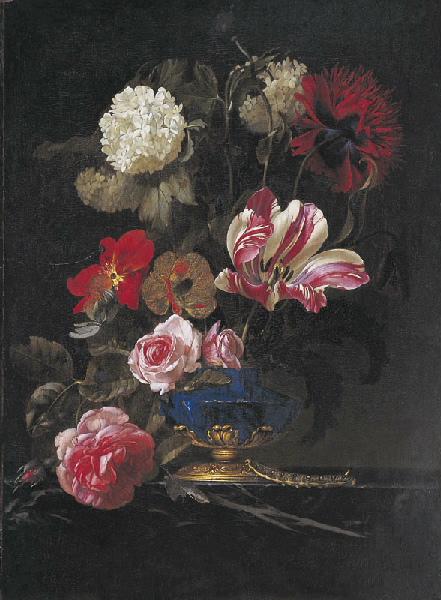
Snack, Willem van Aelst, mid-17th century

Snack

mid-17th century · Painting · 57 × 48.5 cm

Scheda

mid-17th century
16271683
Numero di inventario
ГЭ-1019

Nel frattempo, nella vita di Willem van Aelst

Tutta la vita
  1. 1643 · Luogo di lavoro

    Delft

  2. 1645–1651

    Travel: France

  3. 1649–1656 · Luogo di lavoro

    Florence

  4. 1656–1683 · Luogo di lavoro

    Amsterdam

Altre opere di Willem van Aelst

Tutte le opere

Nella stessa sala · Зал 357, Ermitage

Pagina del museo
WWillem van AelstPaesi Bassi, 1627–1683

Si può ammirare?

Sì, riceve visite

Ermitage

San Pietroburgo, Russia

Sala357

Esposta al pubblico. Chi lo garantisce è indicato qui sotto.

Verificato
29 ago 2026
Ultimo cambio di stato
30 ago 2026
Fonte
Il museo
Sulla mappaPagina del museo

In catalogo

DipintiOlioPittura olandeseBaroccoXVII secoloOlanda

Fonti

  • Ermitage
  • Immagine: Ermitage — Museum open access
Still Life with Dead Game, Willem van Aelst, 1661

Still Life with Dead Game

1661 · National Gallery of Art

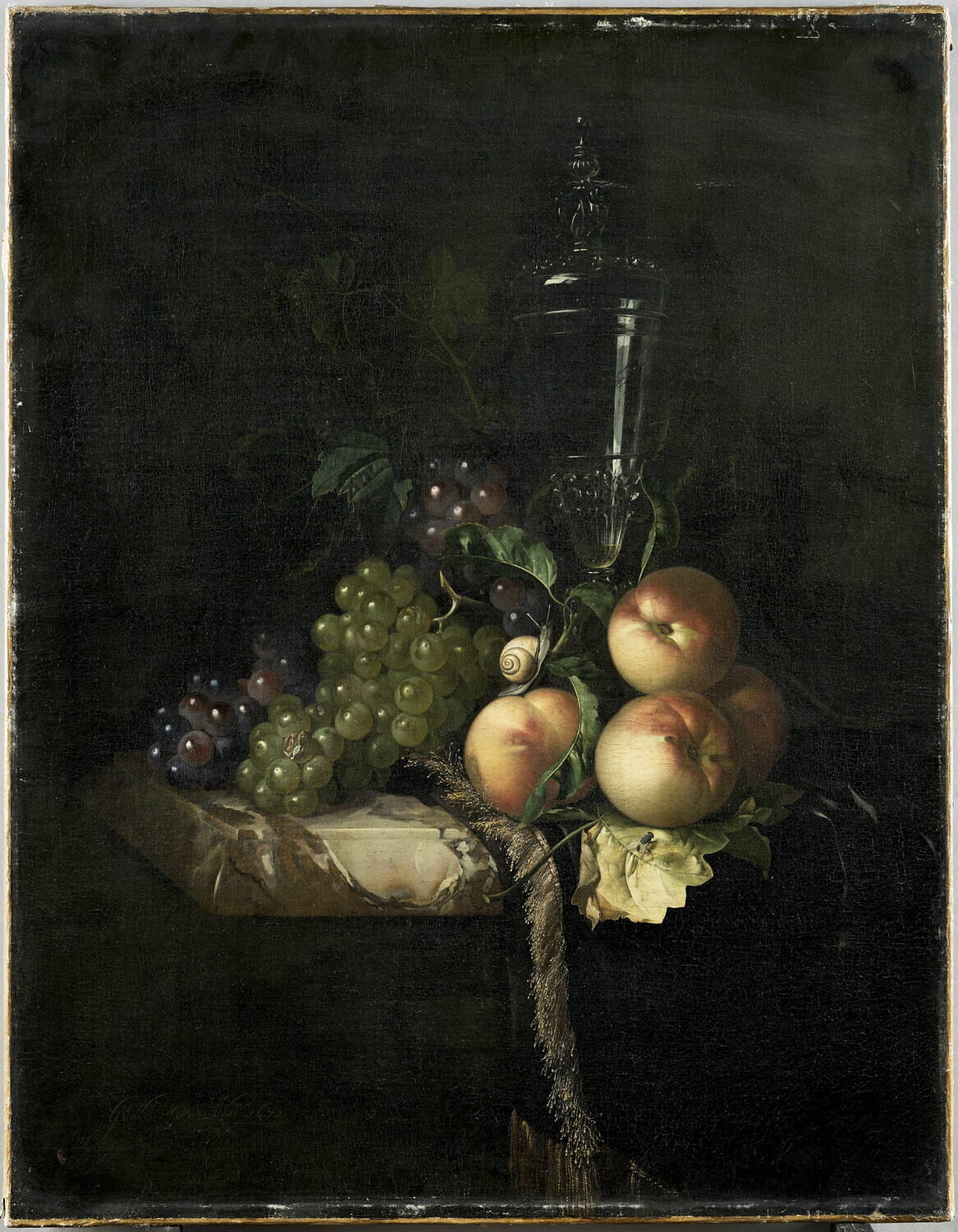
Raisins, pêches et grand verre, Aelst, Willem van, XVIIe siècle (1670)

Raisins, pêches et grand verre

XVIIe siècle (1670) · Museo del Louvre

Still Life with Fruit, Willem van Aelst, 1681

Still Life with Fruit

1681 · Ermitage

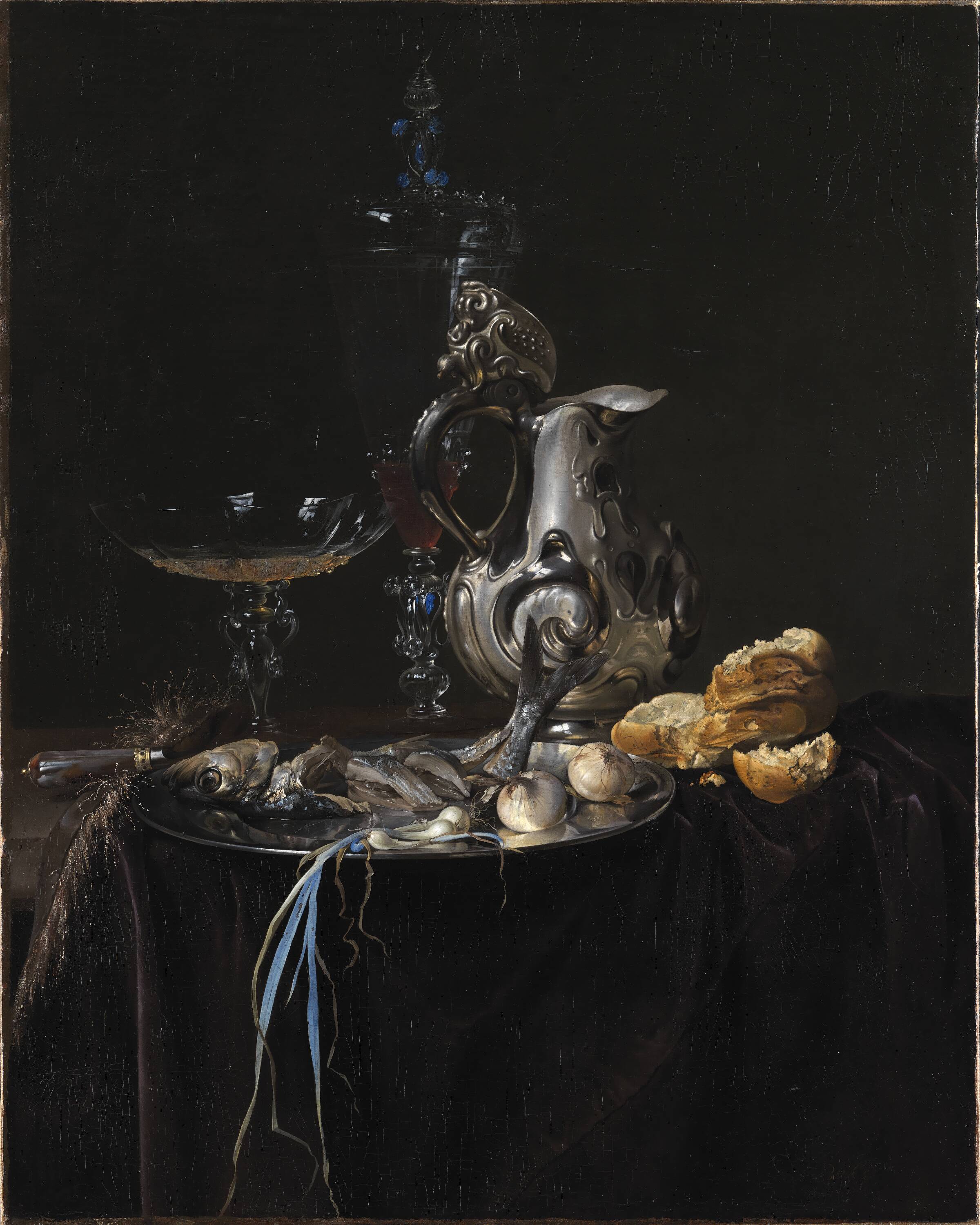
Stilleben. Måltidsstykke med sølvkande, Willem van Aelst, 1657

Stilleben. Måltidsstykke med sølvkande

1657 · Statens Museum for Kunst

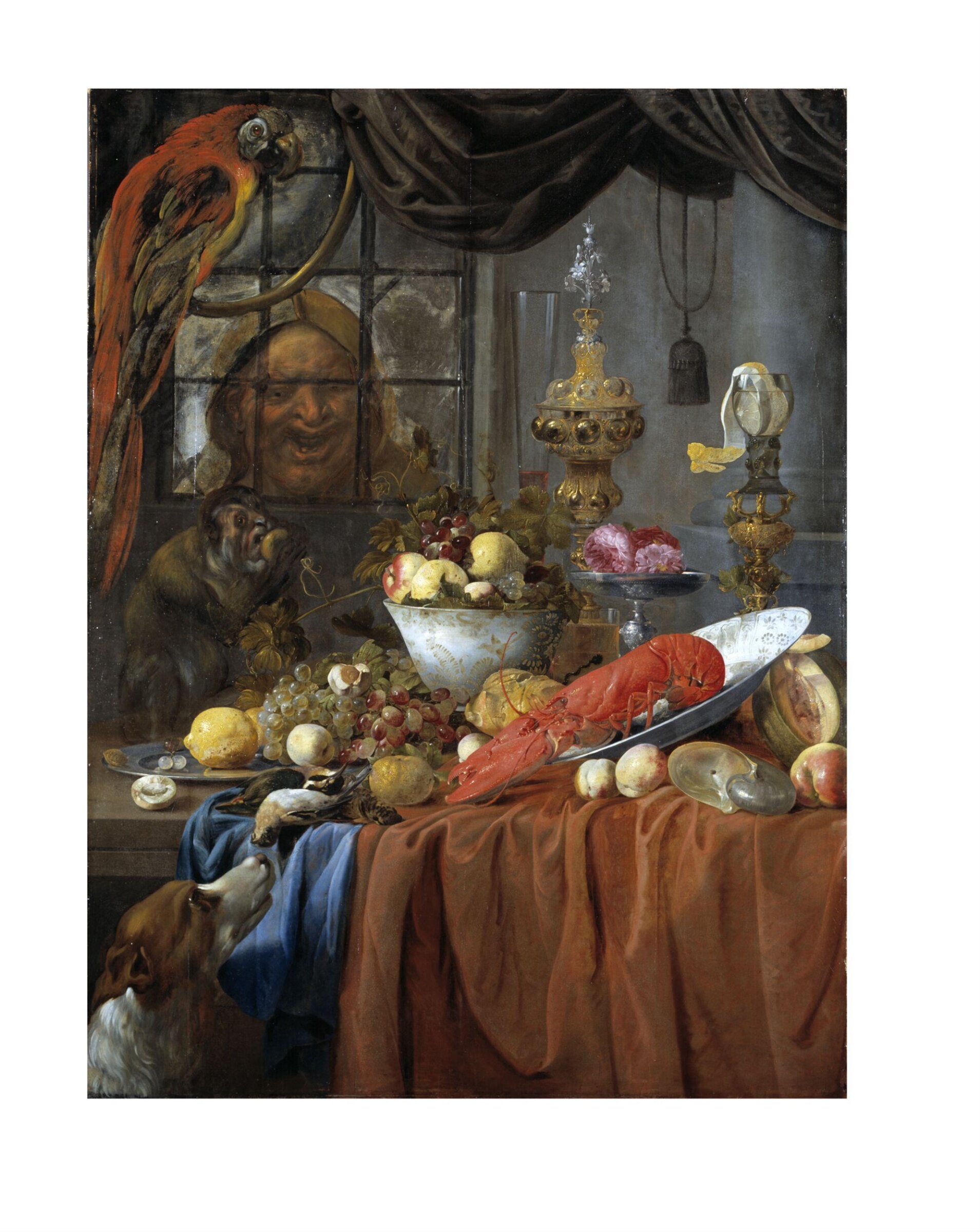
Still Life with Fruit, Lobster and Silver Vessels, Willem van Aelst, 1660-1670

Still Life with Fruit, Lobster and Silver Vessels

1660-1670 · Victoria and Albert Museum

Still Life with Peaches and Grapes, Willem van Aelst

Still Life with Peaches and Grapes

Museo nazionale di Stoccolma

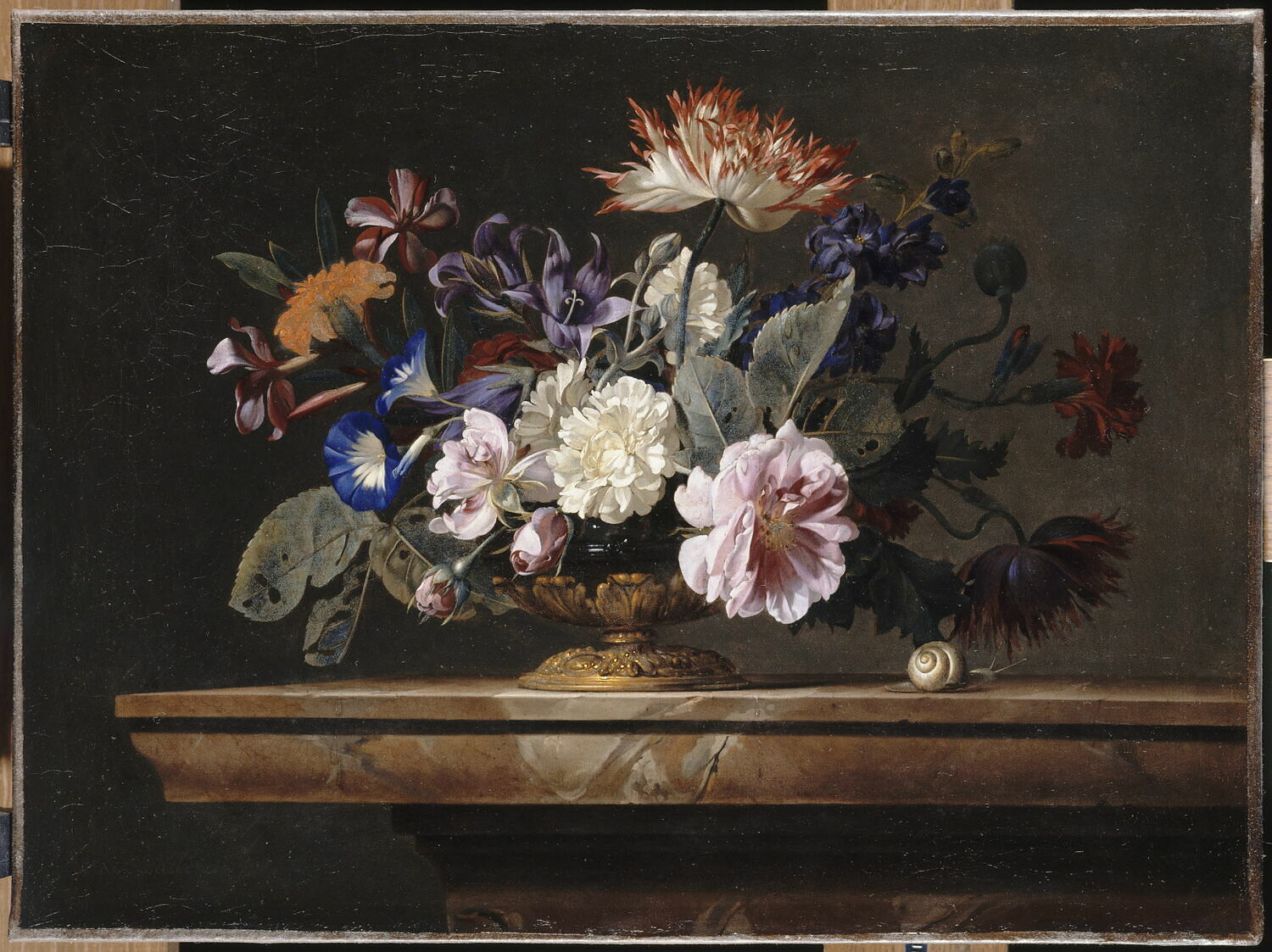
Vase de fleurs, Aelst, Willem van, XVIIe siècle (1600 - 1700)

Vase de fleurs

XVIIe siècle (1600 - 1700) · Museo del Louvre

Vase de fleurs, Willem van Aelst, 1651

Vase de fleurs

1651 · Musée des Augustins

Zwinger in Dresden, Bernardo Bellotto, 1752

Bernardo Bellotto

Zwinger in Dresden, 1752

Square with the Kreuzkirche in Dresden, Bernardo Bellotto, 1751

Bernardo Bellotto

Square with the Kreuzkirche in Dresden, 1751

View of Pirna from the Sonnenstein Castle, Bernardo Bellotto, 1750s

Bernardo Bellotto

View of Pirna from the Sonnenstein Castle, 1750s

Old Market-Place in Dresden, Bernardo Bellotto, 1750s

Bernardo Bellotto

Old Market-Place in Dresden, 1750s

Market-Place of the Neustadt in Dresden, Bernardo Bellotto, 1750s

Bernardo Bellotto

Market-Place of the Neustadt in Dresden, 1750s

View of Pirna from the Right Bank of the Elba above the Town, Bernardo Bellotto, 1750s

Bernardo Bellotto

View of Pirna from the Right Bank of the Elba above the Town, 1750s

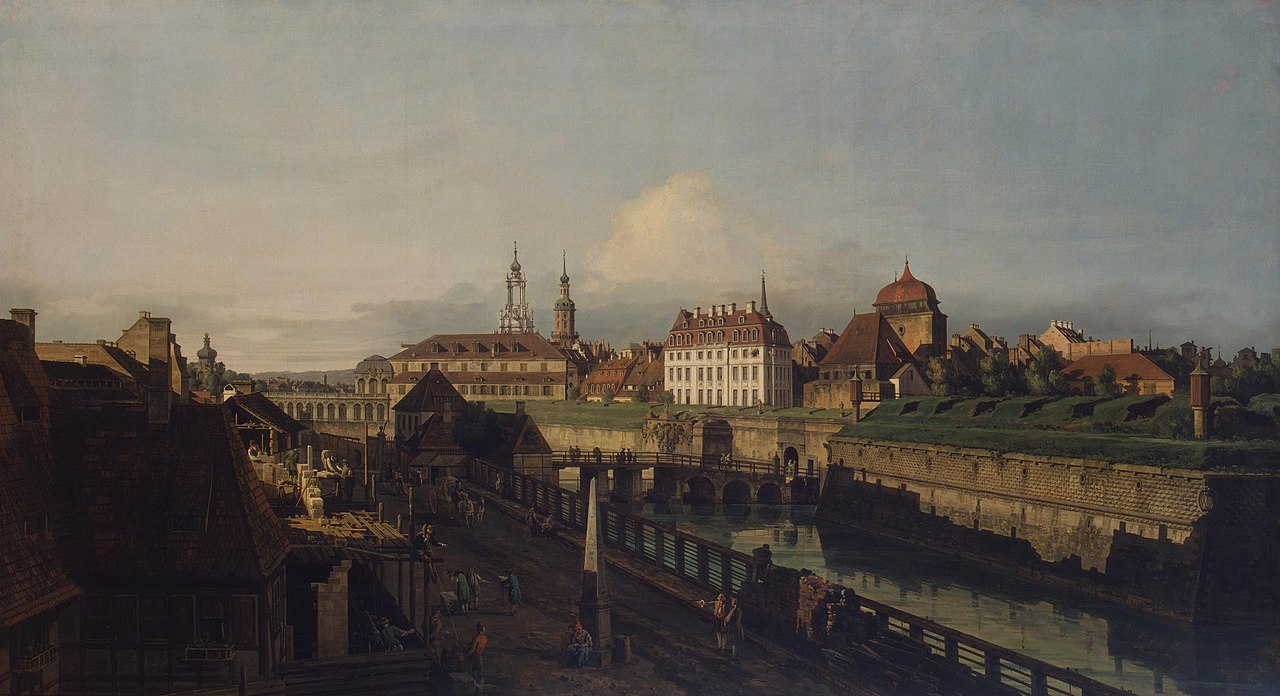
Old Fortifications of Dresden, Bernardo Bellotto, 1740s

Bernardo Bellotto

Old Fortifications of Dresden, 1740s

View of Pirna from the West, from the Corner of Wide Street, Bernardo Bellotto, 18th century

Bernardo Bellotto

View of Pirna from the West, from the Corner of Wide Street, 18th century