ART WIKI32.979 in sala
MappaCollezioneArtistiMuseiMostreRivista
Accedi

ART WIKI

Dove è appeso il capolavoro, e quando si può entrare.

Collezioni: Art Institute of Chicago, Cleveland Museum of Art, Ermitage, Galleria Tret'jakov, Getty Museum, Harvard Art Museums, Hirshhorn Museum and Sculpture Garden, Metropolitan Museum of Art, Minneapolis Institute of Art, Museo del Louvre, Museo Puškin delle belle arti, Museo russo, Museum of Modern Art, National Gallery of Art, National Museum of Asian Art, National Portrait Gallery, Rijksmuseum, Smithsonian American Art Museum, Statens Museum for Kunst, Victoria and Albert Museum, Villa Getty, Whitney Museum of American Art, Catalogo statale del fondo museale russo (274 musei), Europeana (19 musei), Wikidata (6 musei), Paris Musées (12 musei) e Joconde, la banca dati dei musei del Ministero della Cultura francese (495 musei). Le immagini appartengono ai titolari dei diritti.

Sezioni

  • Mappa
  • Ricerca
  • Collezione
  • Capolavori
  • Esposte ora
  • Artisti

Altro

  • Musei e gallerie
  • Mostre
  • Rivista
  • Da dove vengono i dati
  • Privacy e cookie
HomeMappaCatalogo
  1. Collezione/
  2. Museum of Modern Art/
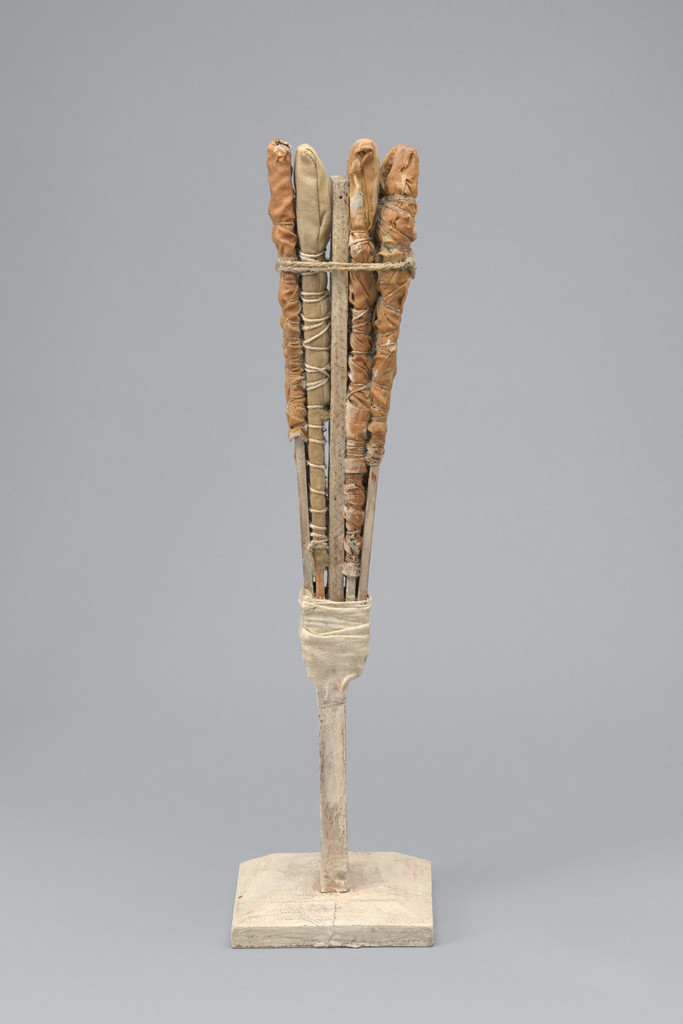
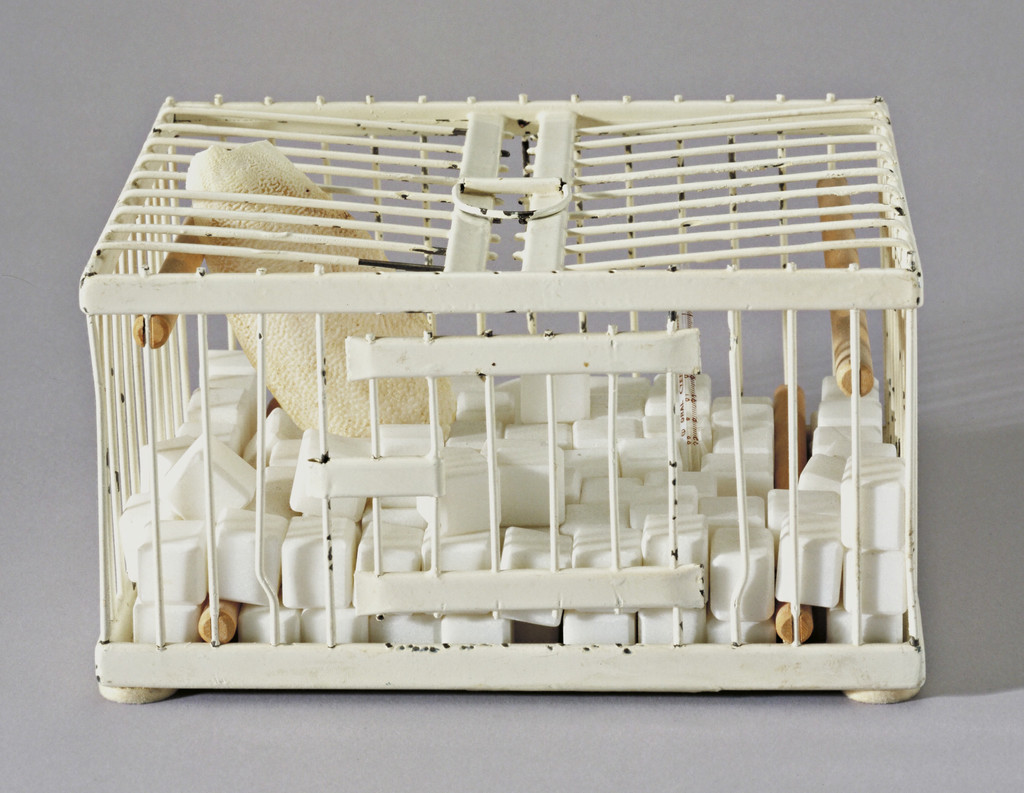
  3. Why Not Sneeze Rose Sélavy?
Why Not Sneeze Rose Sélavy?, Marcel Duchamp, 1964 (replica of 1921 original)
Marcel Duchamp, ritrattoMarcel DuchampFrancia, 1887–1968

Why Not Sneeze Rose Sélavy?

1964 (replica of 1921 original) · Sculpture

Scheda

1964 (replica of 1921 original)
18871968
Numero di inventario
1123.1964.a-e

Nel frattempo, nella vita di Marcel Duchamp

Tutta la vita
  1. 1920

    Founds the Société Anonyme

    With Katherine Dreier and Man Ray he created the Société Anonyme as an experimental exhibition context that predates the Museum of Modern Art and was the first modern art collection in the US. In the same year, 1920, he returned from Paris to the United States.

  2. 1921

    Rrose Sélavy is born

    In 1921, in a series of Man Ray’s photographs, Duchamp appeared dressed as a woman under the pseudonym Rrose Sélavy, a pun on “Éros, c’est la vie” (“Eros, such is life”); later he used the name as a byline and signed several works with it.

  3. 1923

    Back in Paris, and into chess

    Back in Paris in 1923 he was in essence no longer a practising artist: his main interest became chess, which he studied for the rest of his life to the exclusion of most other activities.

  4. 1931

    Coins the word “mobile”

    In Alexander Calder’s studio, looking at the sculptor’s kinetic works, he suggested calling them “mobiles”; Calder agreed to use the new term in his coming show, and sculptures of this kind have been called that ever since.

  5. 1938

    “Generator-Arbiter” of the International Surrealist Exhibition

    At the exhibition in Paris organised by Breton and Paul Éluard he was named “Générateur-arbitre” and showed the installation Twelve Hundred Coal Bags Suspended from the Ceiling over a Stove — literally 1,200 stuffed coal bags hanging from the ceiling of the Room of Superstition.

Altre opere di Marcel Duchamp

Tutte le opere

Nella stessa sala · MoMA, Floor 4, 408, Museum of Modern Art

Pagina del museo
  • 1942

    The “mile of string” at First Papers of Surrealism

    Surrealists asked him to design the show in New York: he strung a three-dimensional web of twine through the rooms so that the works were almost impossible to see. By a secret arrangement with an associate’s son, a dozen children in athletic clothes turned up at the opening, kicking and passing balls and skipping rope, and told puzzled guests: “Mr. Duchamp told us we could play here”.

  • Si può ammirare?

    Sì, riceve visite

    Museum of Modern Art

    New York, Stati Uniti

    SalaMoMA, Floor 4, 408

    Esposta al pubblico. Chi lo garantisce è indicato qui sotto.

    Verificato
    9 giorni fa
    Fonte
    Il museo
    Sulla mappaPagina del museo

    In catalogo

    SculturaMarmoModernismoXX secolo

    Fonti

    • Museum of Modern Art
    • Immagine: Museum of Modern Art — © the artist or rights holder
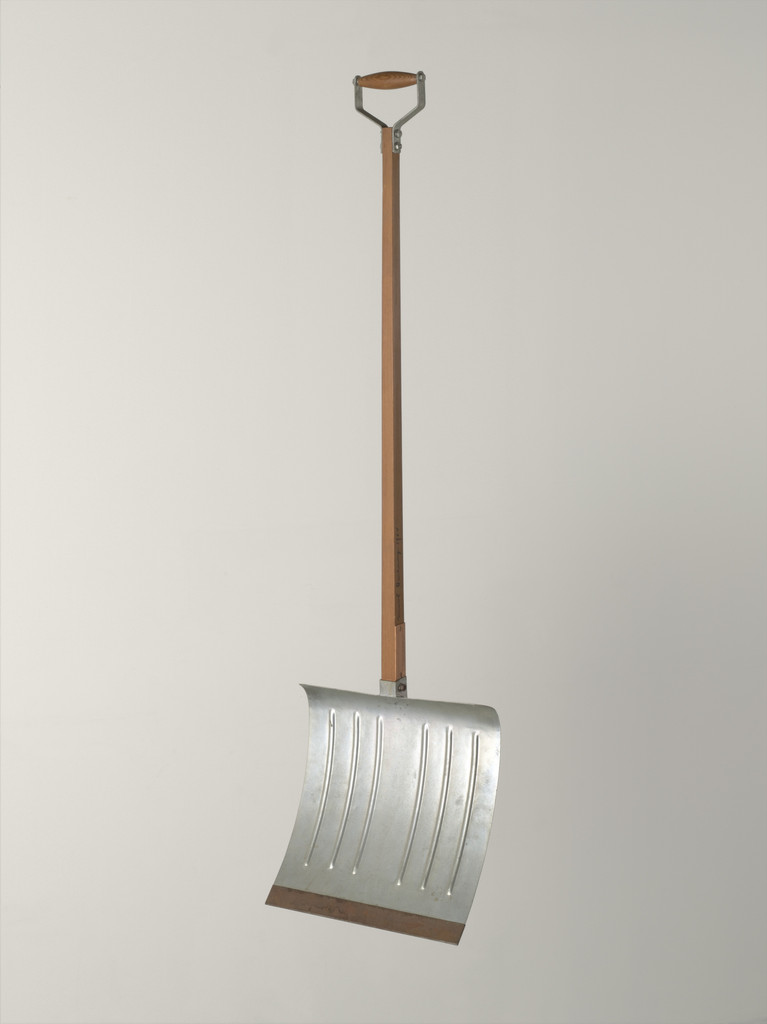
    In Advance of the Broken Arm, Marcel Duchamp, August 1964 (fourth version, after lost original of November 1915)

    In Advance of the Broken Arm

    August 1964 (fourth version, after lost original of November 1915) · Museum of Modern Art

    Fresh Widow, Marcel Duchamp, original 1920, fabricated 1964

    Fresh Widow

    original 1920, fabricated 1964 · National Gallery of Art

    Pocket Chess Set, Marcel Duchamp, 1944

    Pocket Chess Set

    1944 · Art Institute of Chicago

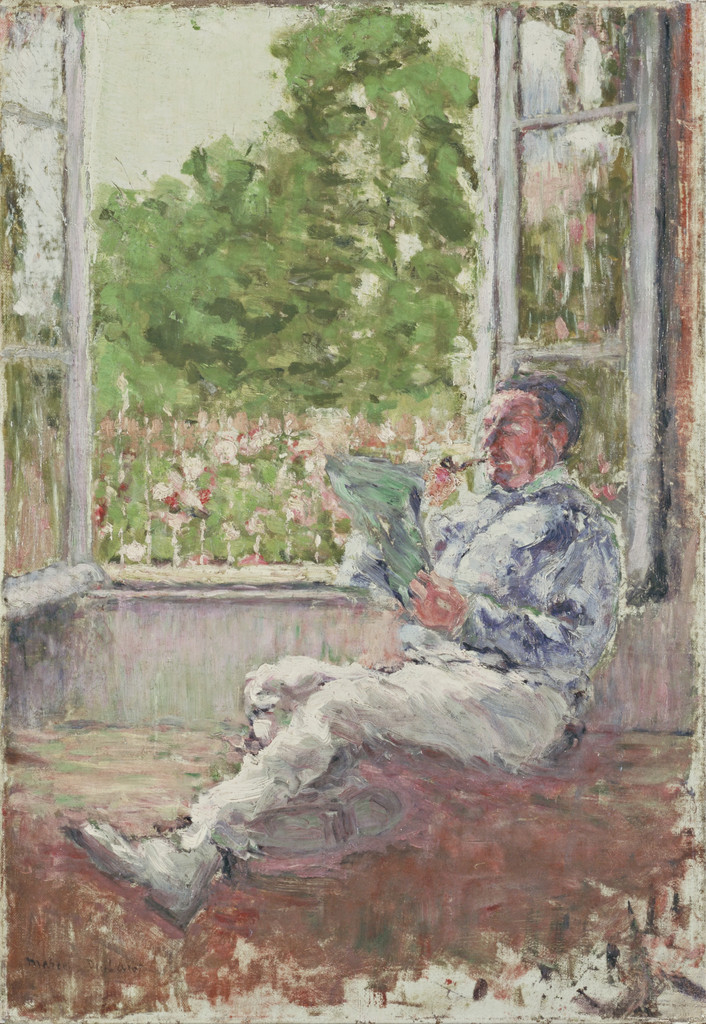
    Man Seated by a Window, Marcel Duchamp, 1907

    Man Seated by a Window

    1907 · Non esposta · Museum of Modern Art

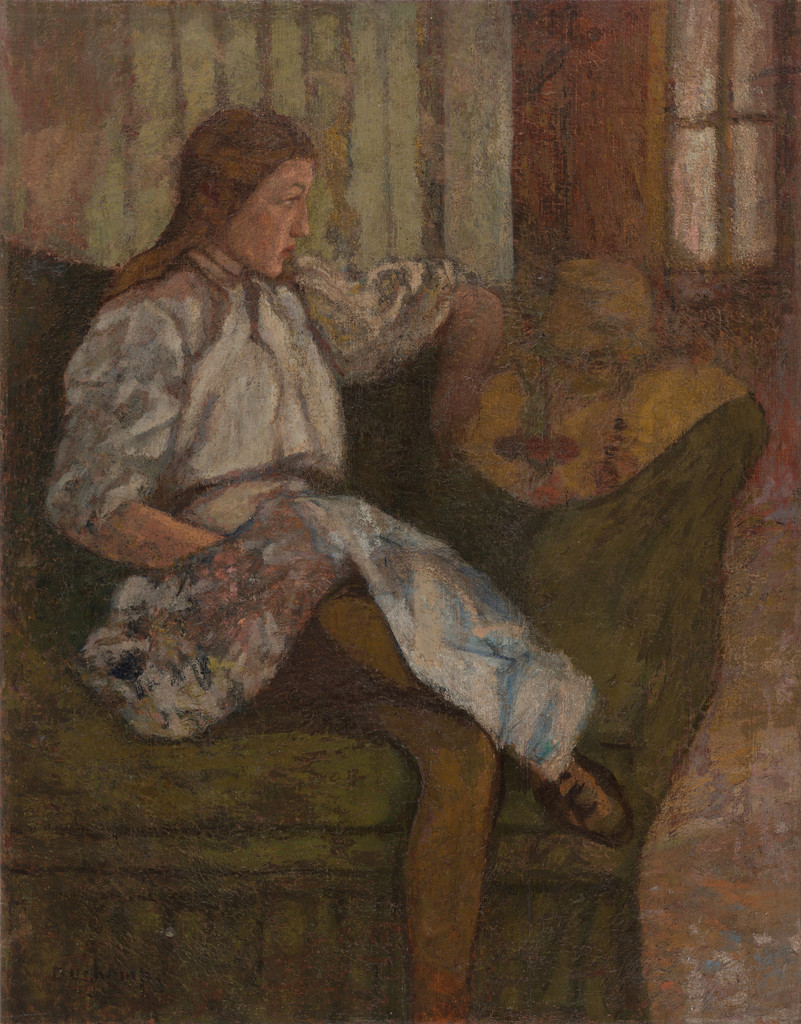
    Portrait of Yvonne Duchamp, Marcel Duchamp, 1907 or 1909

    Portrait of Yvonne Duchamp

    1907 or 1909 · Non esposta · Museum of Modern Art

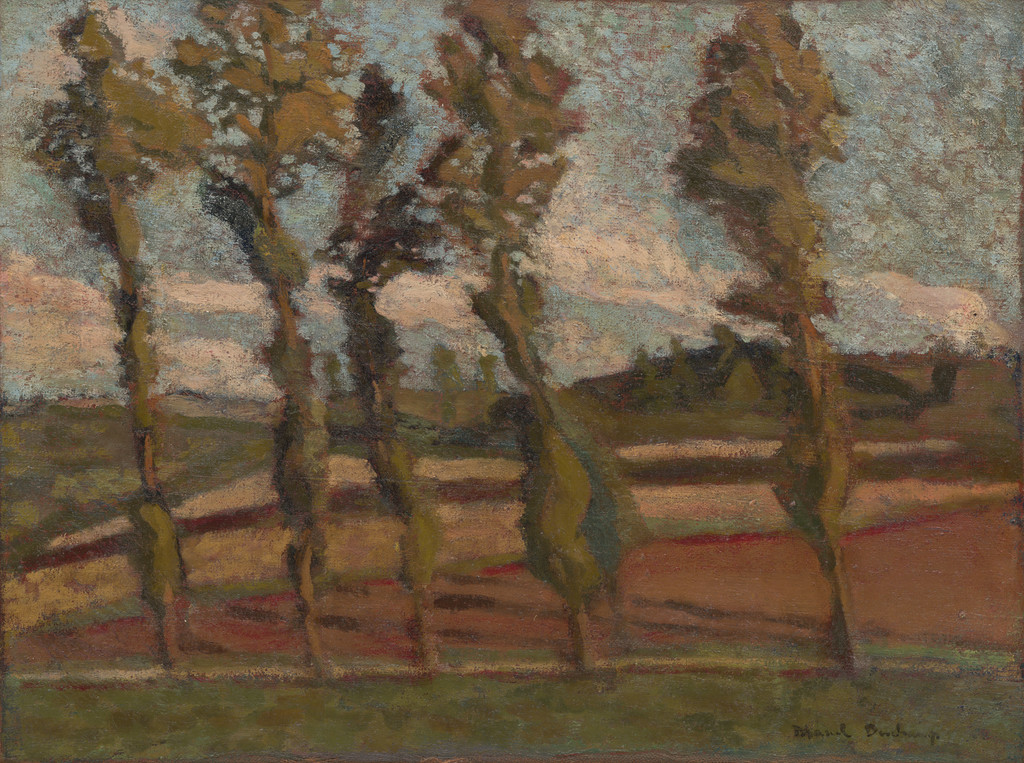
    Landscape, Marcel Duchamp, 1908

    Landscape

    1908 · Non esposta · Museum of Modern Art

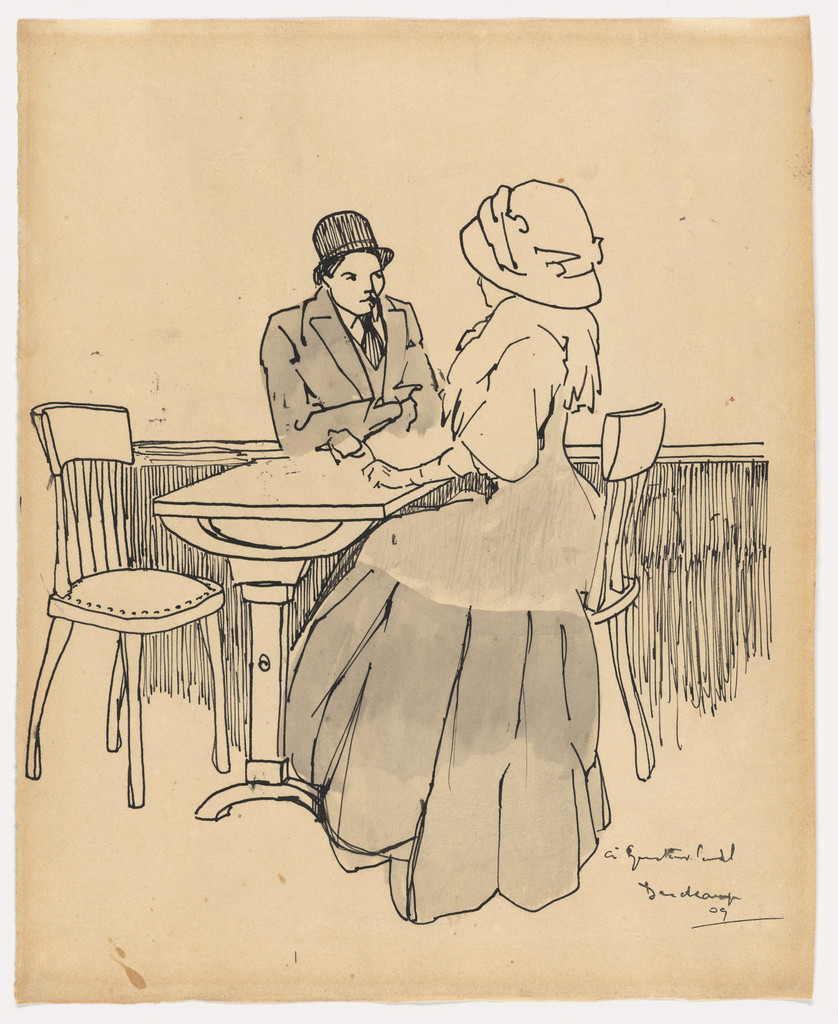
    Conversation, Marcel Duchamp, 1909

    Conversation

    1909 · Non esposta · Museum of Modern Art

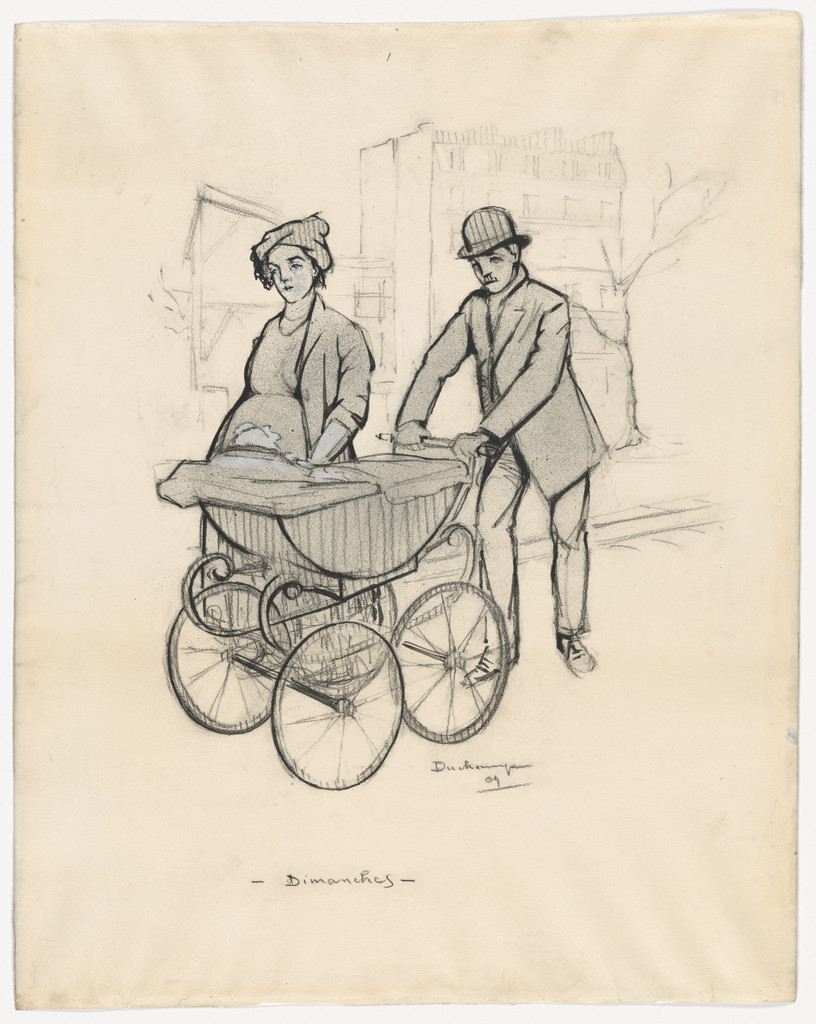
    Sundays, Marcel Duchamp, 1909

    Sundays

    1909 · Non esposta · Museum of Modern Art

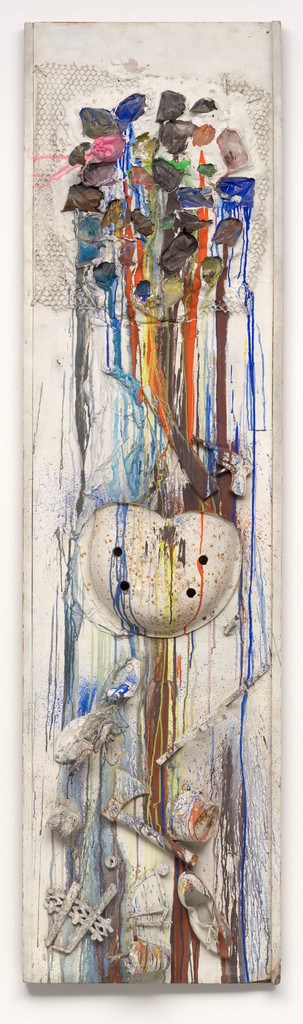
    Shooting Painting American Embassy, Niki de Saint Phalle, 1961

    Niki de Saint Phalle

    Shooting Painting American Embassy, 1961

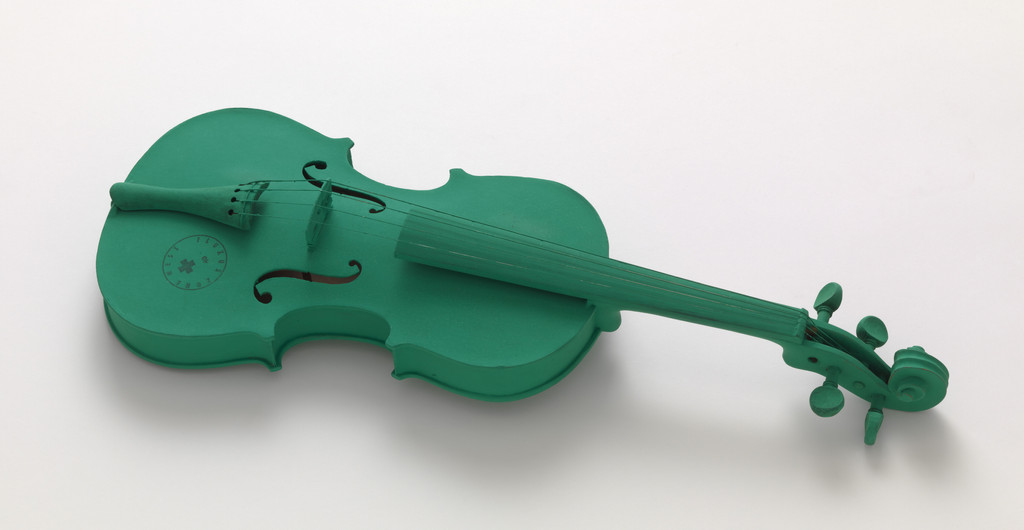
    Green Violin (Grüne Geige), Joseph Beuys, Henning Christiansen, 1974

    Joseph Beuys

    Green Violin (Grüne Geige), 1974

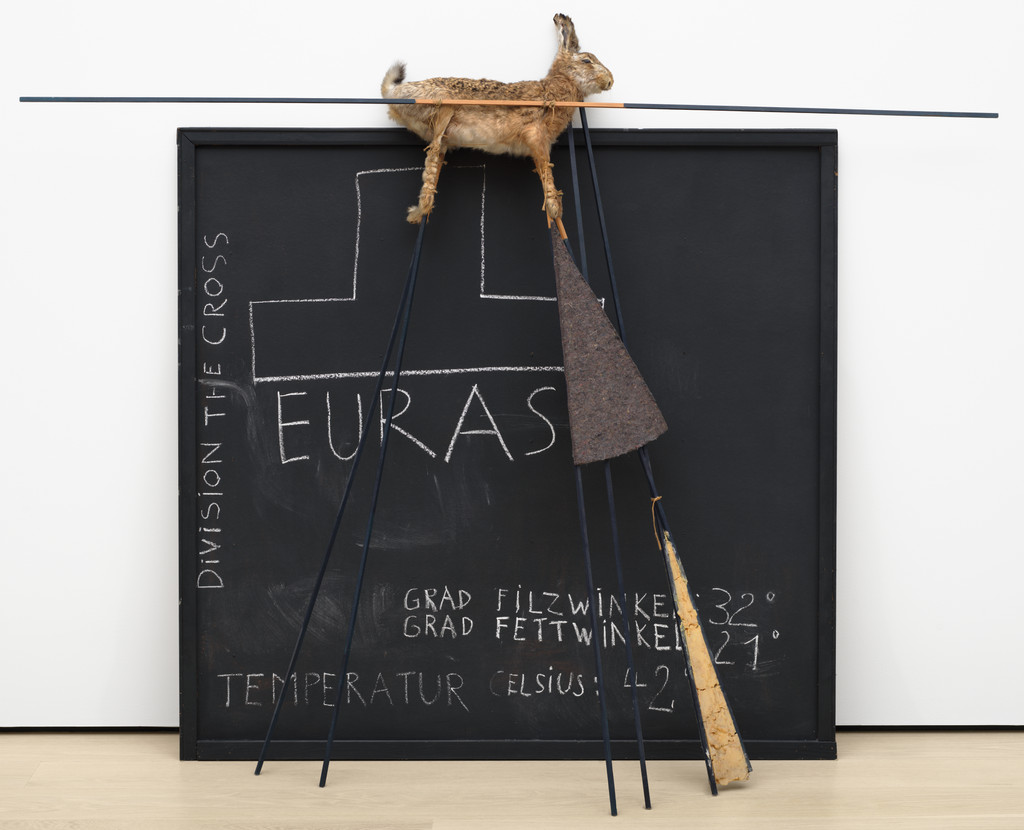
    Eurasia Siberian Symphony 1963, Joseph Beuys, 1966

    Joseph Beuys

    Eurasia Siberian Symphony 1963, 1966

    Untitled, Cy Twombly, New York 1955 (some cloth added in Philadelphia in 1975)

    Cy Twombly

    Untitled, New York 1955 (some cloth added in Philadelphia in 1975)

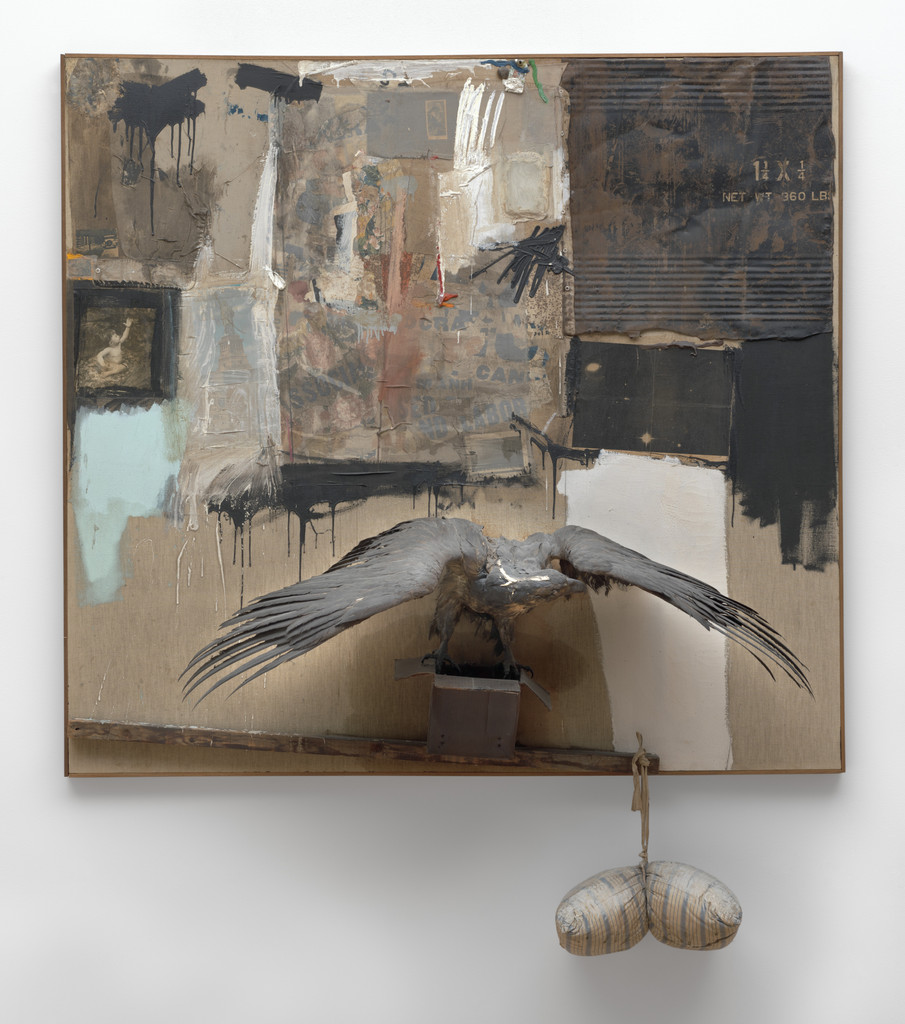
    Canyon, Robert Rauschenberg, 1959

    Robert Rauschenberg

    Canyon, 1959

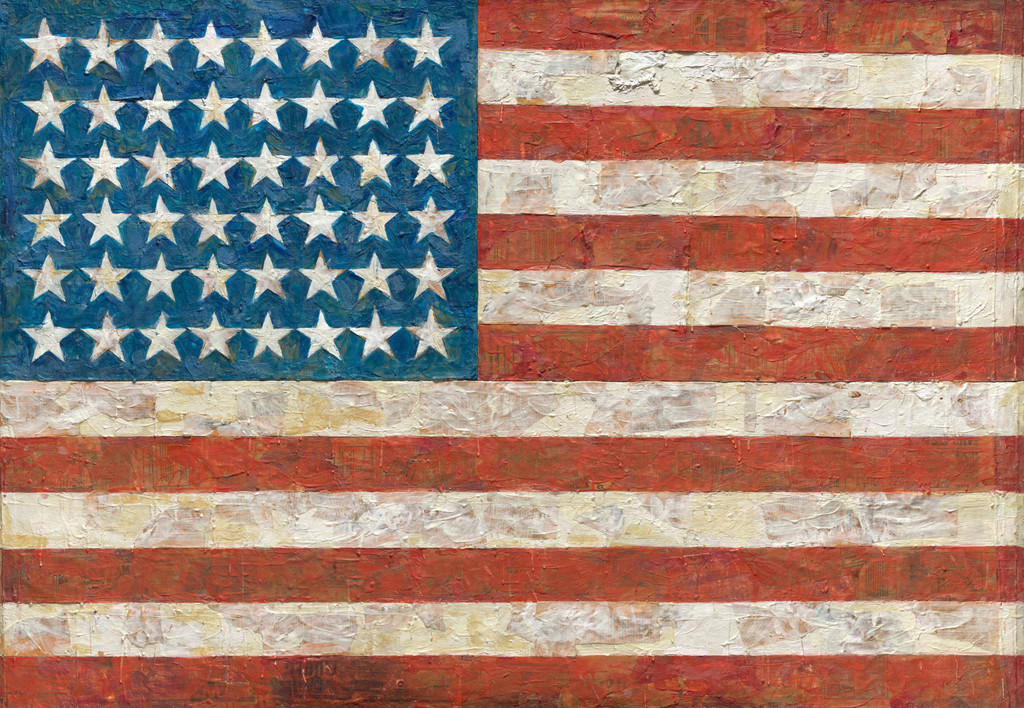
    Flag, Jasper Johns, 1954-55  (dated on reverse 1954)

    Jasper Johns

    Flag, 1954-55 (dated on reverse 1954)

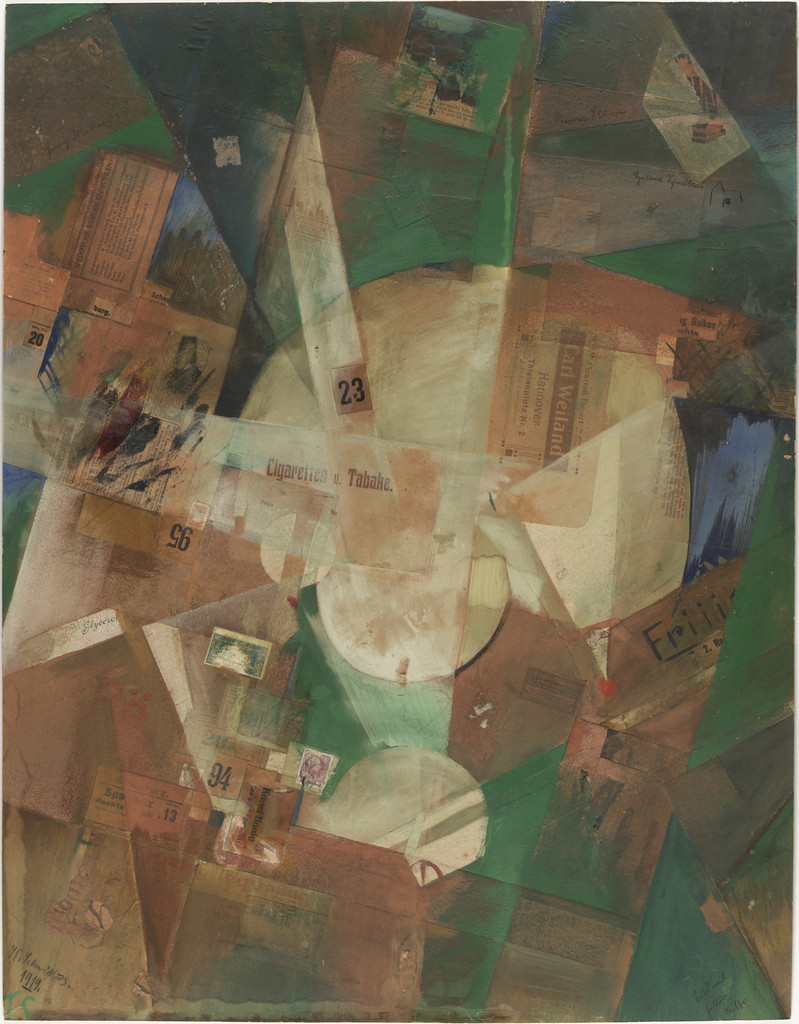
    Picture with Light Center (Bild mit heller Mitte), Kurt Schwitters, 1919

    Kurt Schwitters

    Picture with Light Center (Bild mit heller Mitte), 1919

    Pastry Case, I, Claes Oldenburg, 1961-62

    Claes Oldenburg

    Pastry Case, I, 1961-62