ART WIKI32.979 in sala
MappaCollezioneArtistiMuseiMostreRivista
Accedi

ART WIKI

Dove è appeso il capolavoro, e quando si può entrare.

Collezioni: Art Institute of Chicago, Cleveland Museum of Art, Ermitage, Galleria Tret'jakov, Getty Museum, Harvard Art Museums, Hirshhorn Museum and Sculpture Garden, Metropolitan Museum of Art, Minneapolis Institute of Art, Museo del Louvre, Museo Puškin delle belle arti, Museo russo, Museum of Modern Art, National Gallery of Art, National Museum of Asian Art, National Portrait Gallery, Rijksmuseum, Smithsonian American Art Museum, Statens Museum for Kunst, Victoria and Albert Museum, Villa Getty, Whitney Museum of American Art, Catalogo statale del fondo museale russo (274 musei), Europeana (19 musei), Wikidata (6 musei), Paris Musées (12 musei) e Joconde, la banca dati dei musei del Ministero della Cultura francese (495 musei). Le immagini appartengono ai titolari dei diritti.

Sezioni

  • Mappa
  • Ricerca
  • Collezione
  • Capolavori
  • Esposte ora
  • Artisti

Altro

  • Musei e gallerie
  • Mostre
  • Rivista
  • Da dove vengono i dati
  • Privacy e cookie
HomeMappaCatalogo
  1. Collezione/
  2. Victoria and Albert Museum/
  3. Walking Jaguar no. 2
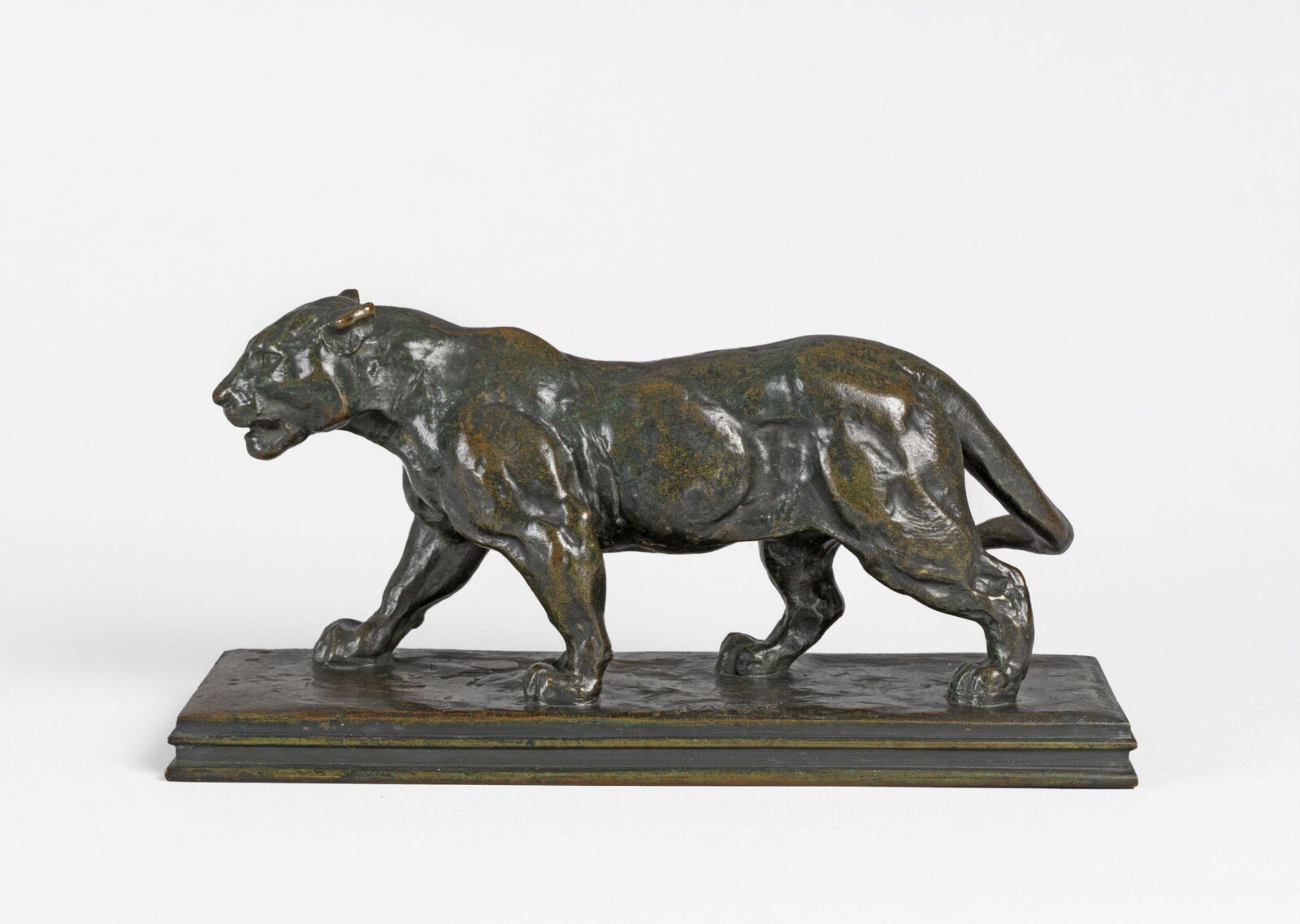
Walking Jaguar no. 2, Ferdinand Barbedienne, ca. 1890
Ferdinand Barbedienne, ritrattoFerdinand BarbedienneFrancia, 1810–1892

Walking Jaguar no. 2

ca. 1890 · Statuette

Sulla scultura

This statuette was modelled by Antoine Louis Barye (1795-1875) as a pair to a Jaguar Standing. More than a decade later he modelled a slightly different pair, also of a jaguar walking paired with a jaguar standing but this time with their ears set back and on a rocky base.

Barye exhibited his first animal sculpture in the Paris Salon of 1831 when he was dubbed an 'Animalier', a maker of animals. Initially applied with derogatory overtones, this term became widely used for sculptors - of whom Barye was first and foremost - who specialised in this genre. He was referred to as the 'Michelangelo of the Menagerie' by the contemporaneous art critic Théophile Gautier.

Continua a leggere

Barye studied animals closely. He attended dissections of animals at the Museum of Natural History in Paris, where he served as the Master of Zoological Drawing from 1854 until his death. But he was also intensely interested in what lay underneath the physical appearance of animals - their inner vitality - and in this sense was in tune with his romantic contemporaries, for whom exotic or wild beasts held a particular fascination.

Although he obtained public commissions and enjoyed the patronage of the Dukes of Orleans, Luynes, Montpensier, and Nemours, Barye specialised in the relatively large-scale production small-scale animal sculptures. The expanding commercial market of the middle class helped ensure that his and other animalier sculptures gained in popularity through the latter half of the 19th century.

Victoria and Albert Museum

Scheda

ca. 1890
18101892
Numero di inventario
99-1890

Altre opere di Ferdinand Barbedienne

Tutte le opere

Sotto lo stesso tetto: Victoria and Albert Museum

Pagina del museo

Si può ammirare?

Al momento non riceve

Victoria and Albert Museum

Londra, Regno Unito

Appartiene alla collezione, ma al momento non è esposta.

Verificato
13 giorni fa
Ultimo cambio di stato
25 set 2026
Fonte
Il museo
Sulla mappaPagina del museo

Che cosa raffigura

Jaguars

In catalogo

SculturaBronzoImpressionismoXIX secoloFrancia

Fonti

  • Victoria and Albert Museum
  • Immagine: Victoria and Albert Museum — © Victoria and Albert Museum, London
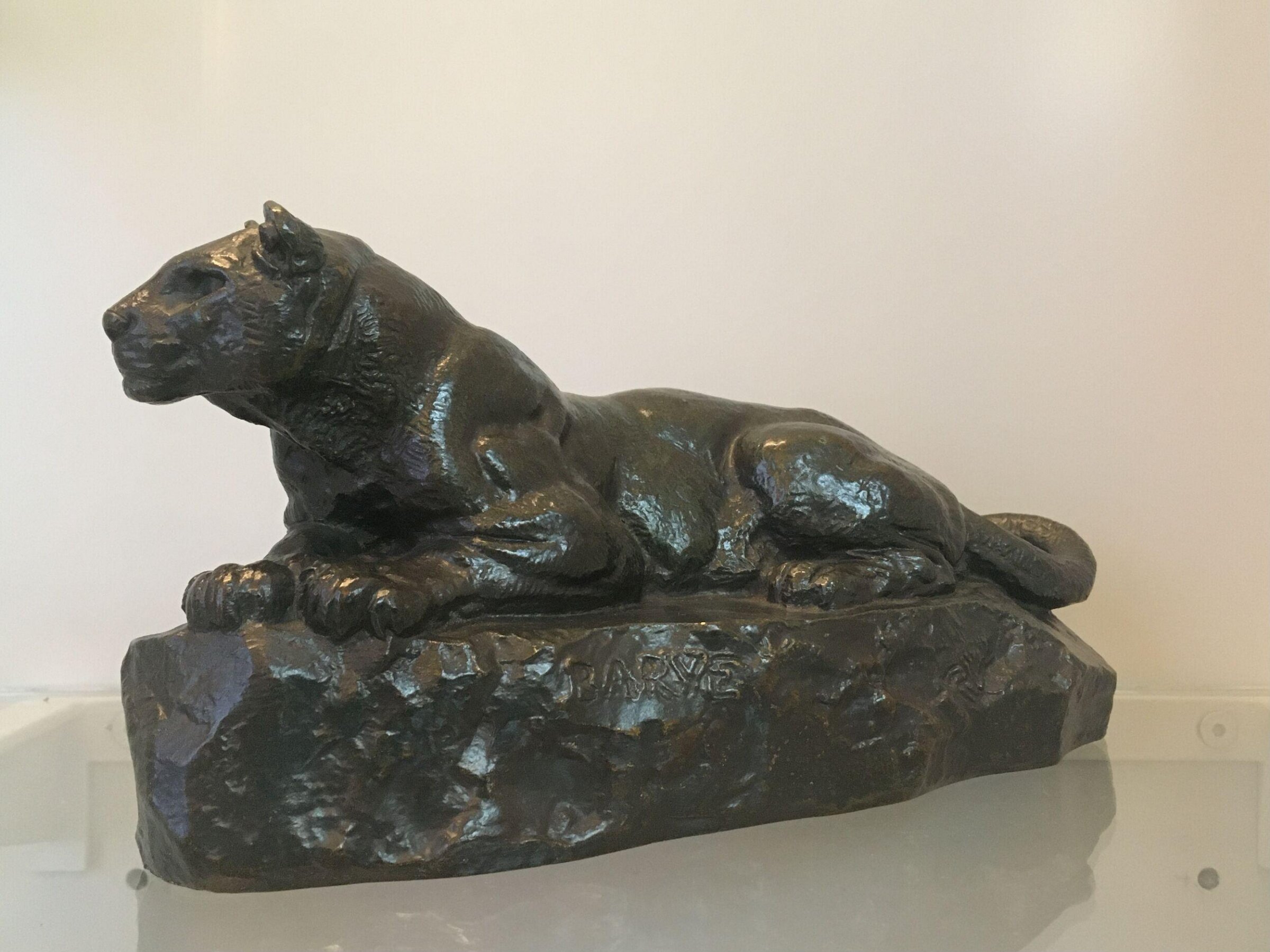
Panthère de Tunis (Tunisian Panther), Ferdinand Barbedienne, 1890

Panthère de Tunis (Tunisian Panther)

1890 · Victoria and Albert Museum

Vaso ornamental, Ferdinand Barbedienne

Vaso ornamental

Museo Lázaro Galdiano

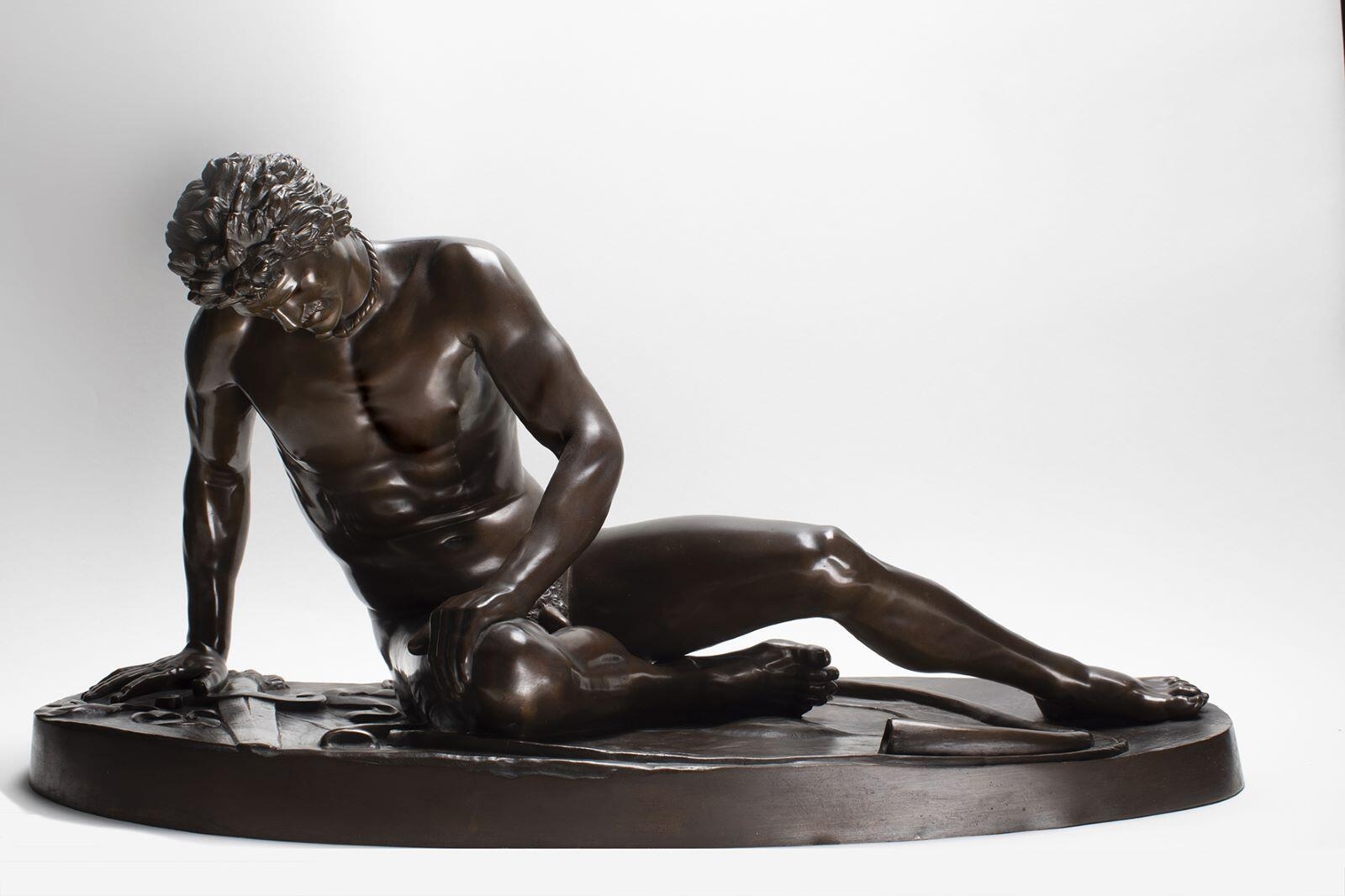
Le Gladiateur mourant  ou Le Gaulois mourant, Ferdinand Barbedienne

Le Gladiateur mourant ou Le Gaulois mourant

Musée des Beaux-Arts de Nîmes

Demóstenes (herma), Ferdinand Barbedienne, 1838–1851

Demóstenes (herma)

1838–1851 · Museo Lázaro Galdiano

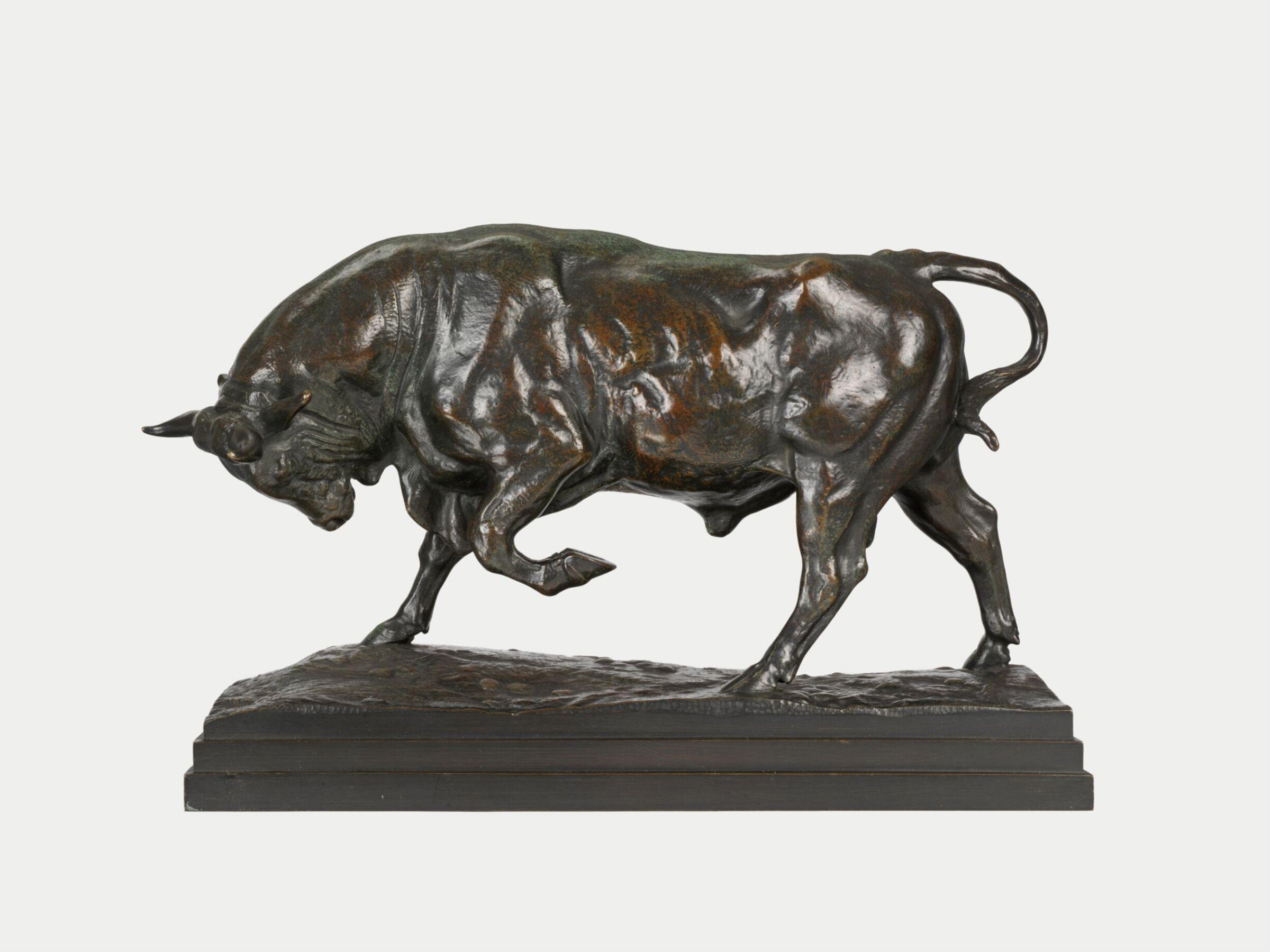
Raging Bull (Bull on the defensive), Ferdinand Barbedienne, ca. 1841

Raging Bull (Bull on the defensive)

ca. 1841 · Non esposta · Victoria and Albert Museum

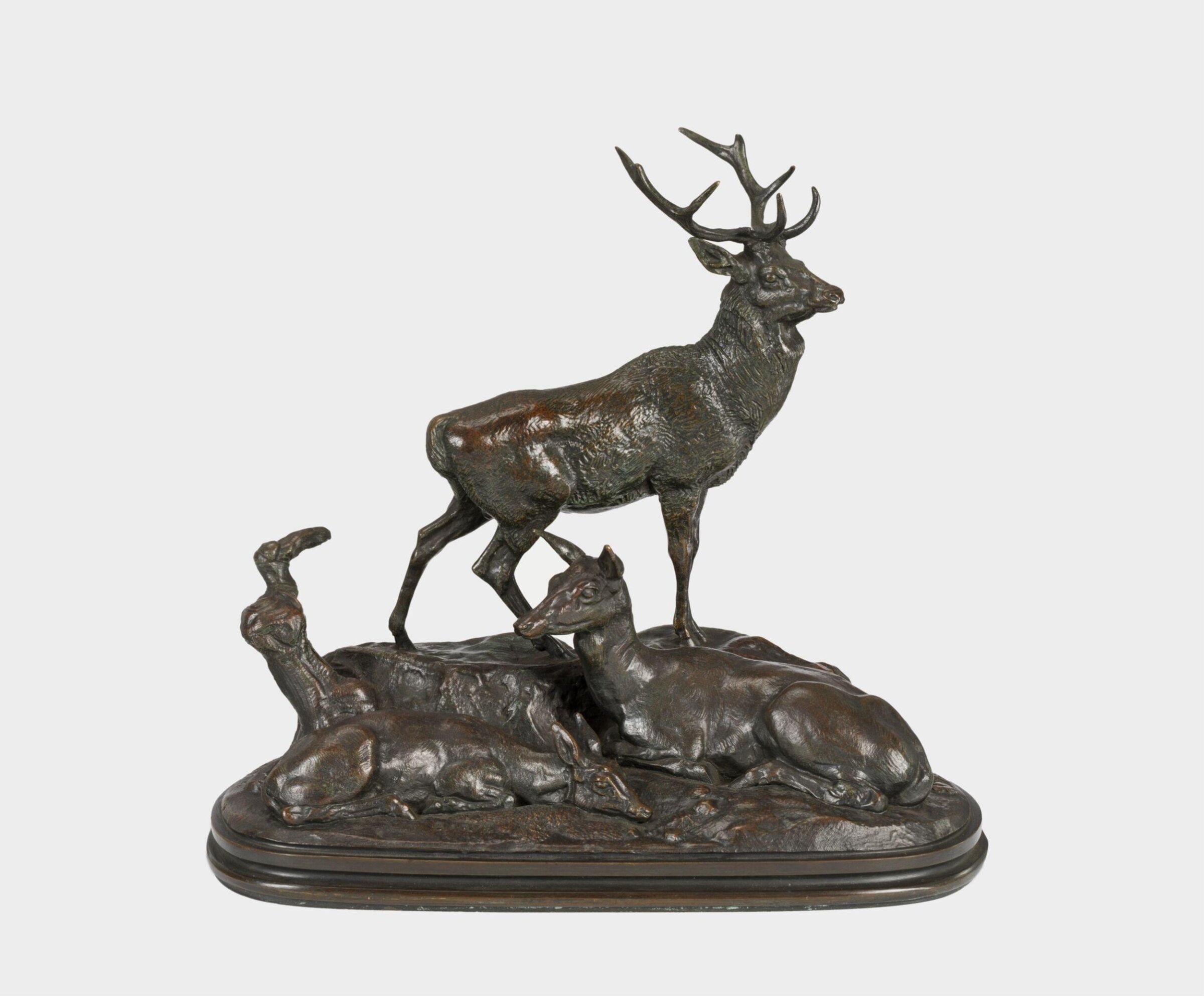
Stag, Doe and Fawn / Stag Family (2nd version), Ferdinand Barbedienne, ca. 1845

Stag, Doe and Fawn / Stag Family (2nd version)

ca. 1845 · Non esposta · Victoria and Albert Museum

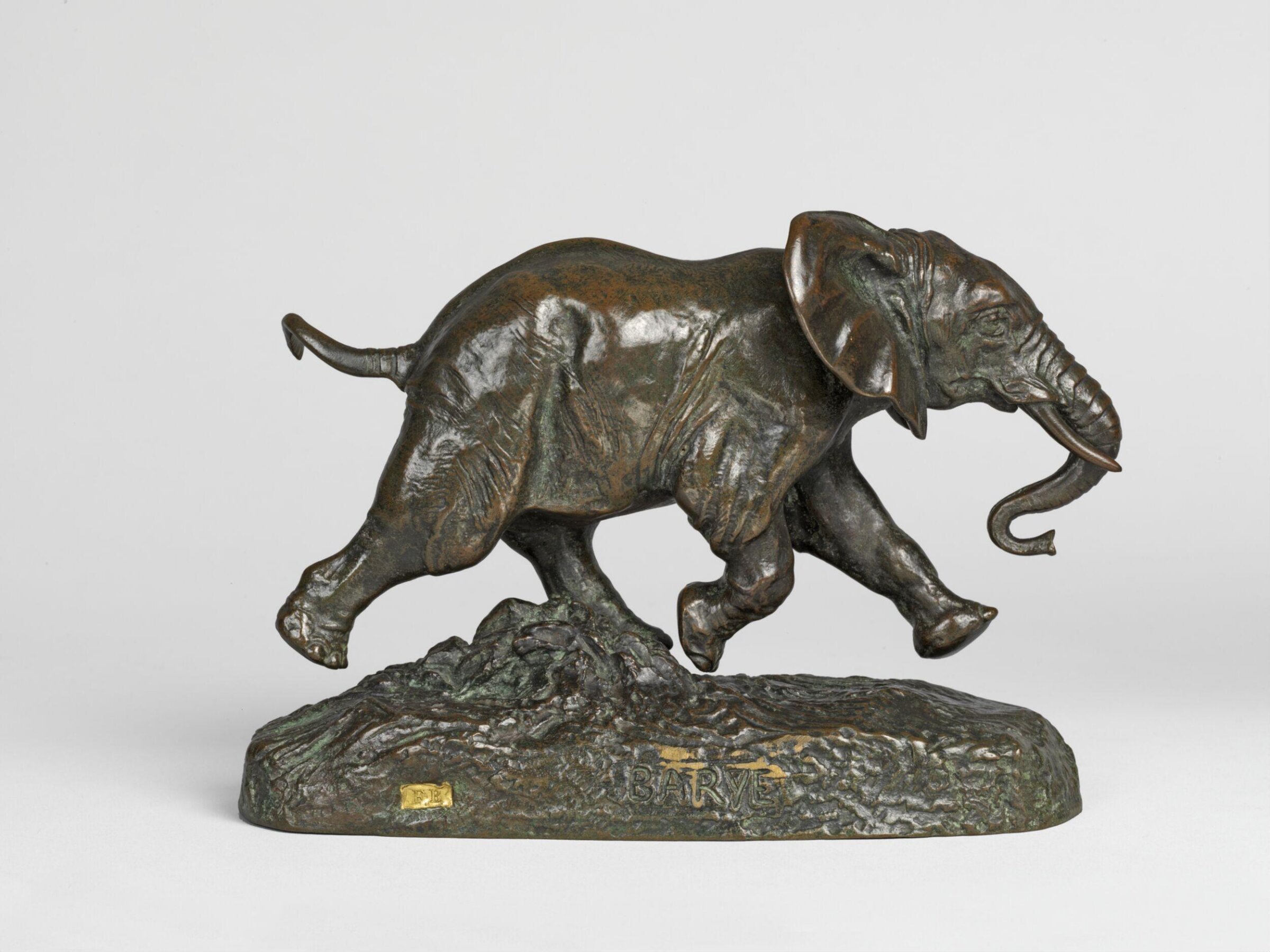
Senegalese Elephant, Ferdinand Barbedienne, ca. 1855-65

Senegalese Elephant

ca. 1855-65 · Non esposta · Victoria and Albert Museum

Buste de Pierre Corneille, Ferdinand Barbedienne, 1879

Buste de Pierre Corneille

1879 · Musée Pierre-Corneille

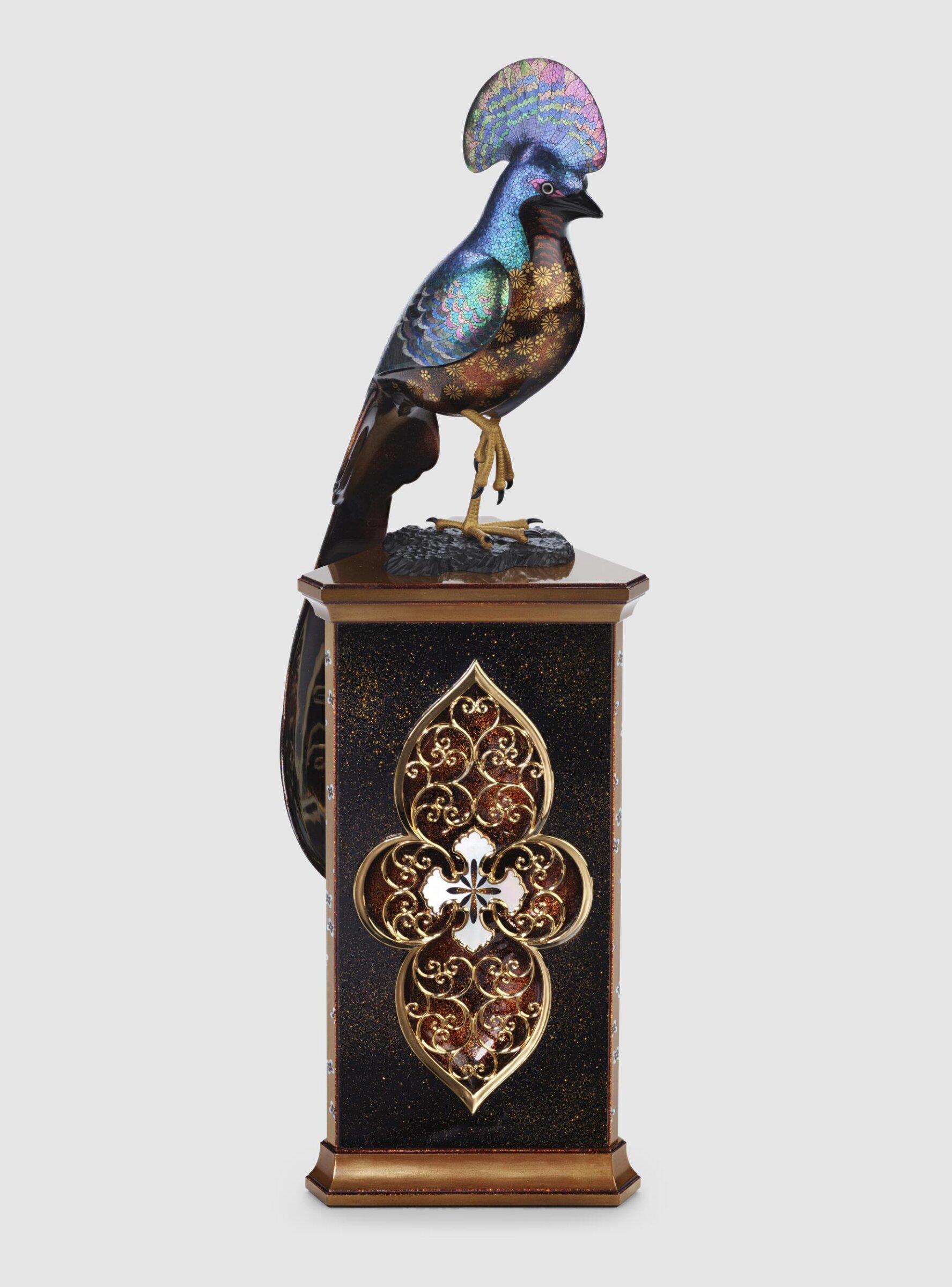
Bird of Paradise, Hashimoto Chitaka, 2026

Hashimoto Chitaka

Bird of Paradise, 2026

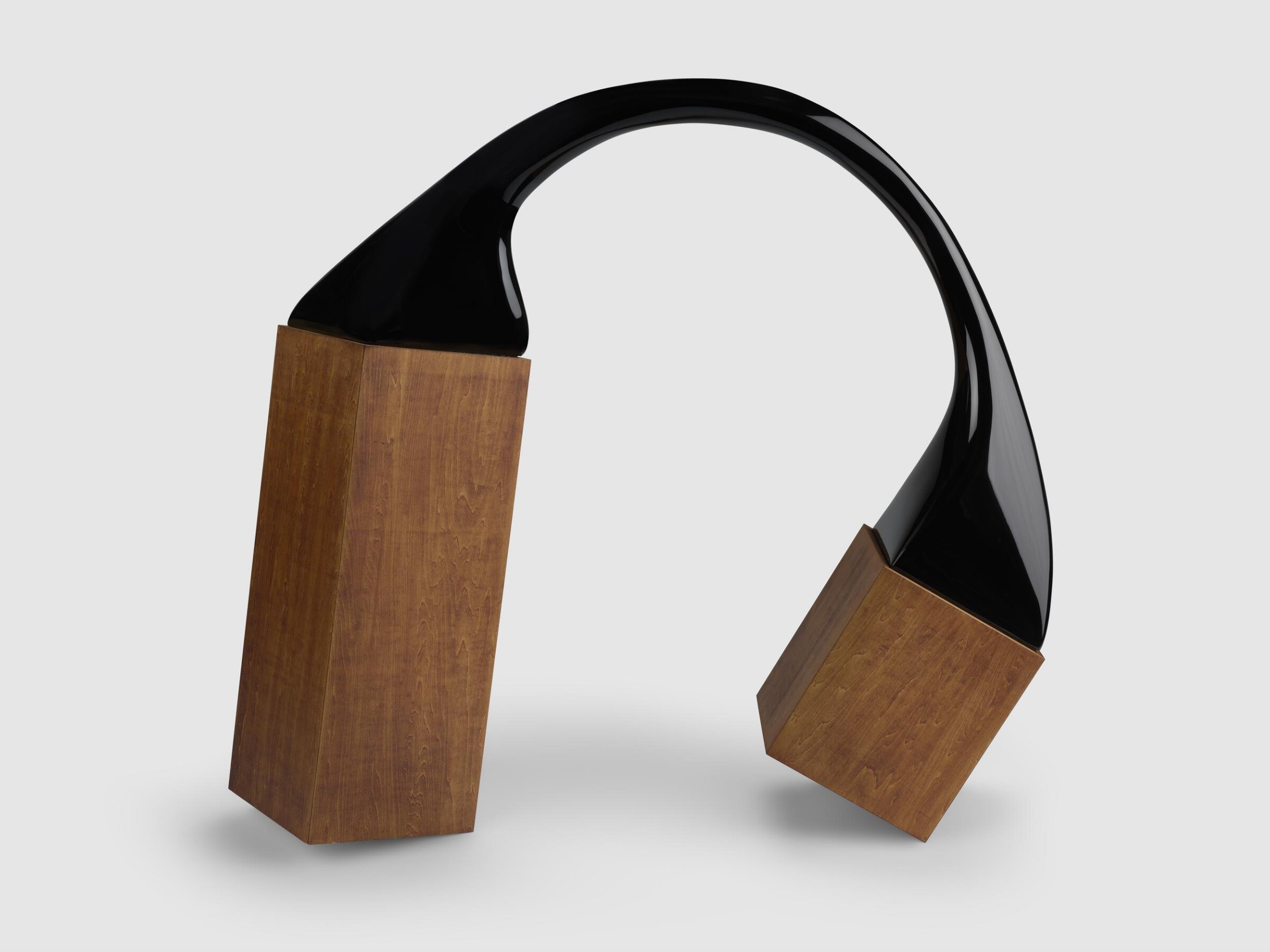
Torsion 2, Taruma Shoko, 2025

Taruma Shoko

Torsion 2, 2025

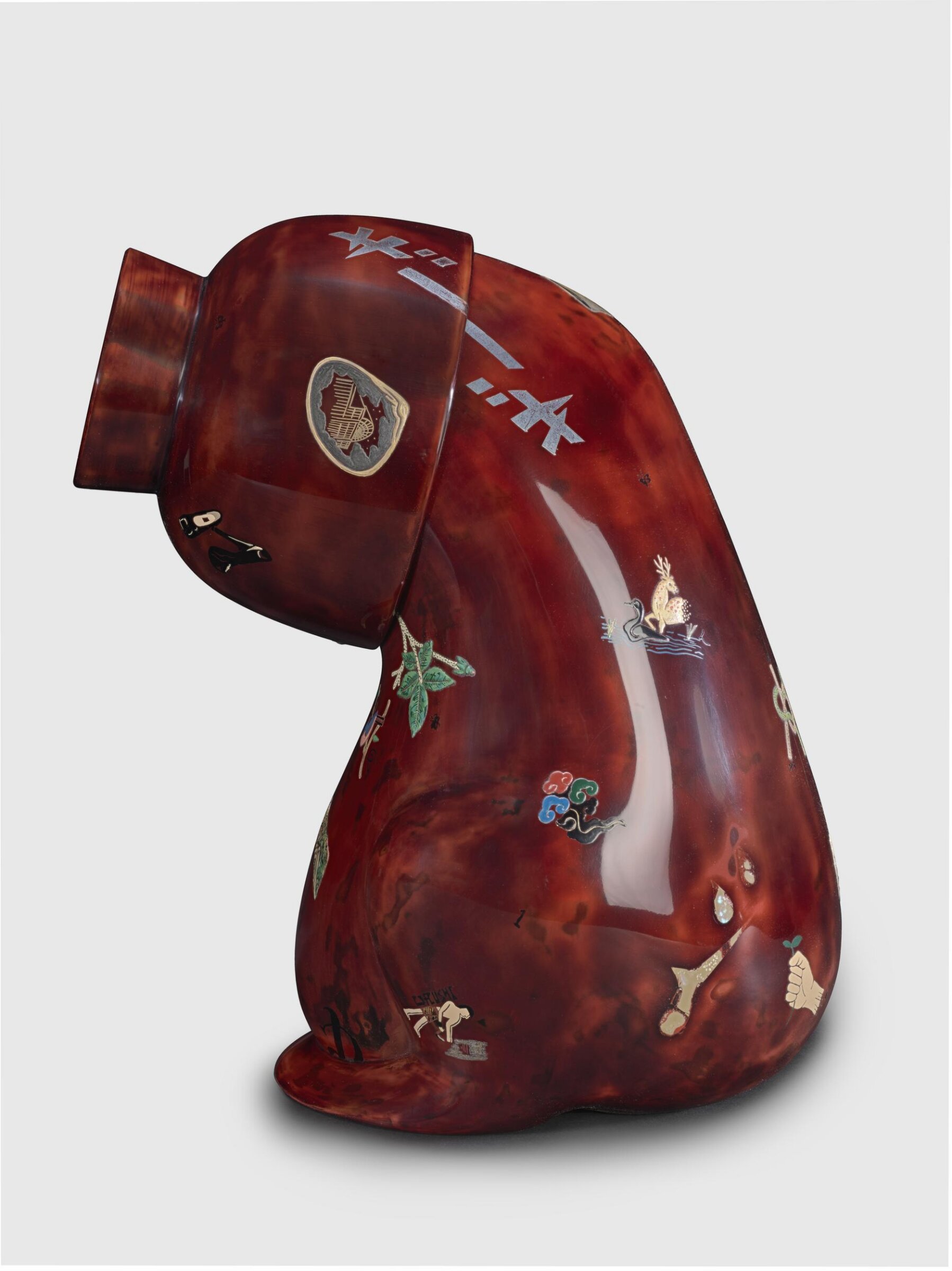
Fu, Someya Satoshi, 2025

Someya Satoshi

Fu, 2025

Bow Before the Curtain Falls, 2024

Bow Before the Curtain Falls, 2024

Summer, 2024

Summer, 2024

Red Flow, Ishizuka Genta, 2024

Ishizuka Genta

Red Flow, 2024

3D replica of Michelangelo's Prisoner (4117-1854), Factum Arte, 2024

Factum Arte

3D replica of Michelangelo's Prisoner (4117-1854), 2024

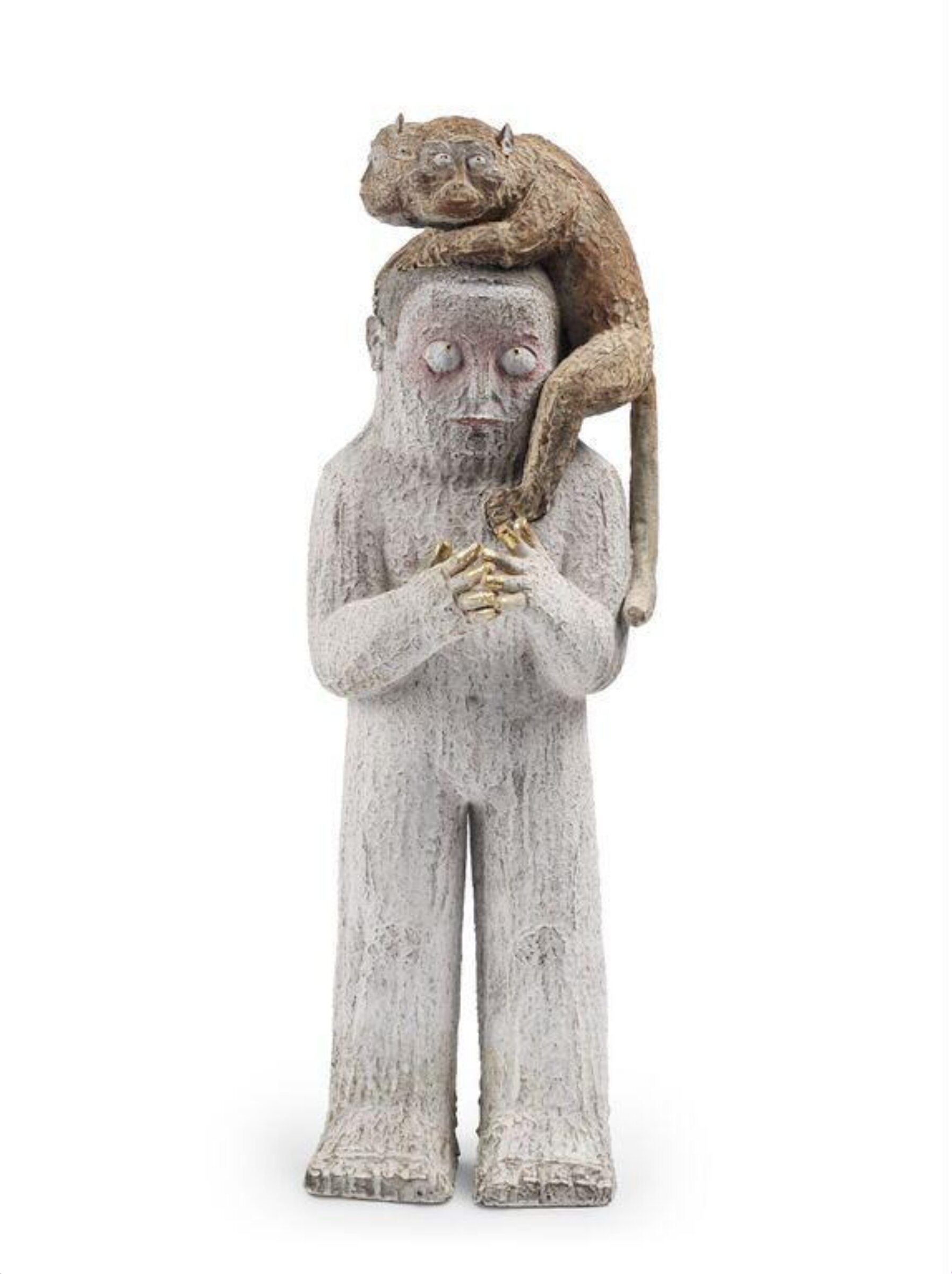
Sculpture, ‘Co-Existence – the Man and the Monkey’, Zhao Lin, 2024

Zhao Lin

Sculpture, ‘Co-Existence – the Man and the Monkey’, 2024