ART WIKI32.963 in sala
MappaCollezioneArtistiMuseiMostreRivista
Accedi

ART WIKI

Dove è appeso il capolavoro, e quando si può entrare.

Collezioni: Art Institute of Chicago, Cleveland Museum of Art, Ermitage, Galleria Tret'jakov, Getty Museum, Harvard Art Museums, Hirshhorn Museum and Sculpture Garden, Metropolitan Museum of Art, Minneapolis Institute of Art, Museo del Louvre, Museo Puškin delle belle arti, Museo russo, Museum of Modern Art, National Gallery of Art, National Museum of Asian Art, National Portrait Gallery, Rijksmuseum, Smithsonian American Art Museum, Statens Museum for Kunst, Victoria and Albert Museum, Villa Getty, Whitney Museum of American Art, Catalogo statale del fondo museale russo (274 musei), Europeana (19 musei), Wikidata (6 musei), Paris Musées (12 musei) e Joconde, la banca dati dei musei del Ministero della Cultura francese (495 musei). Le immagini appartengono ai titolari dei diritti.

Sezioni

  • Mappa
  • Ricerca
  • Collezione
  • Capolavori
  • Esposte ora
  • Artisti

Altro

  • Musei e gallerie
  • Mostre
  • Rivista
  • Da dove vengono i dati
  • Privacy e cookie
HomeMappaCatalogo
  1. Collezione/
  2. Victoria and Albert Museum/
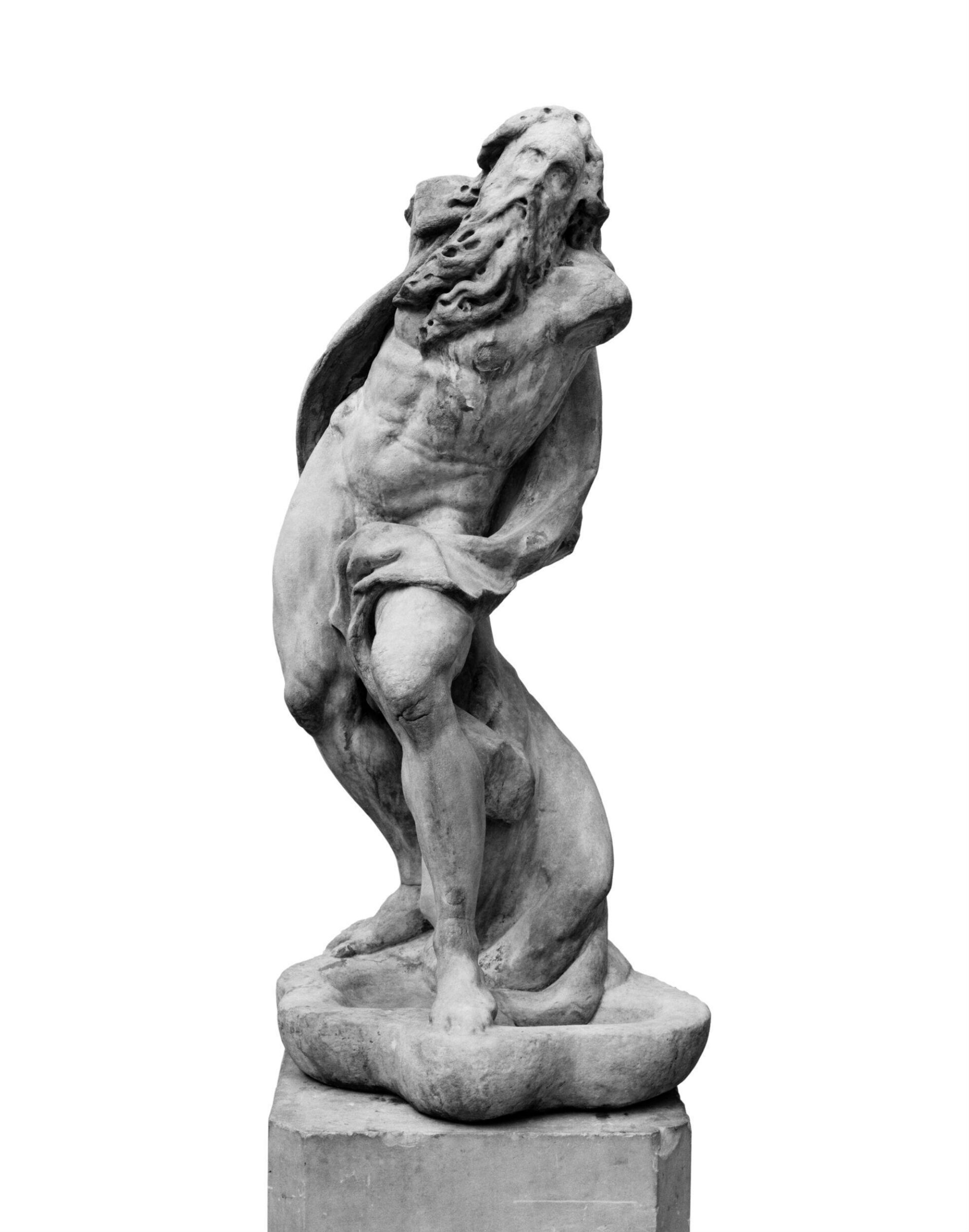
  3. Vulcan (or possibly Prometheus) chained to a rock
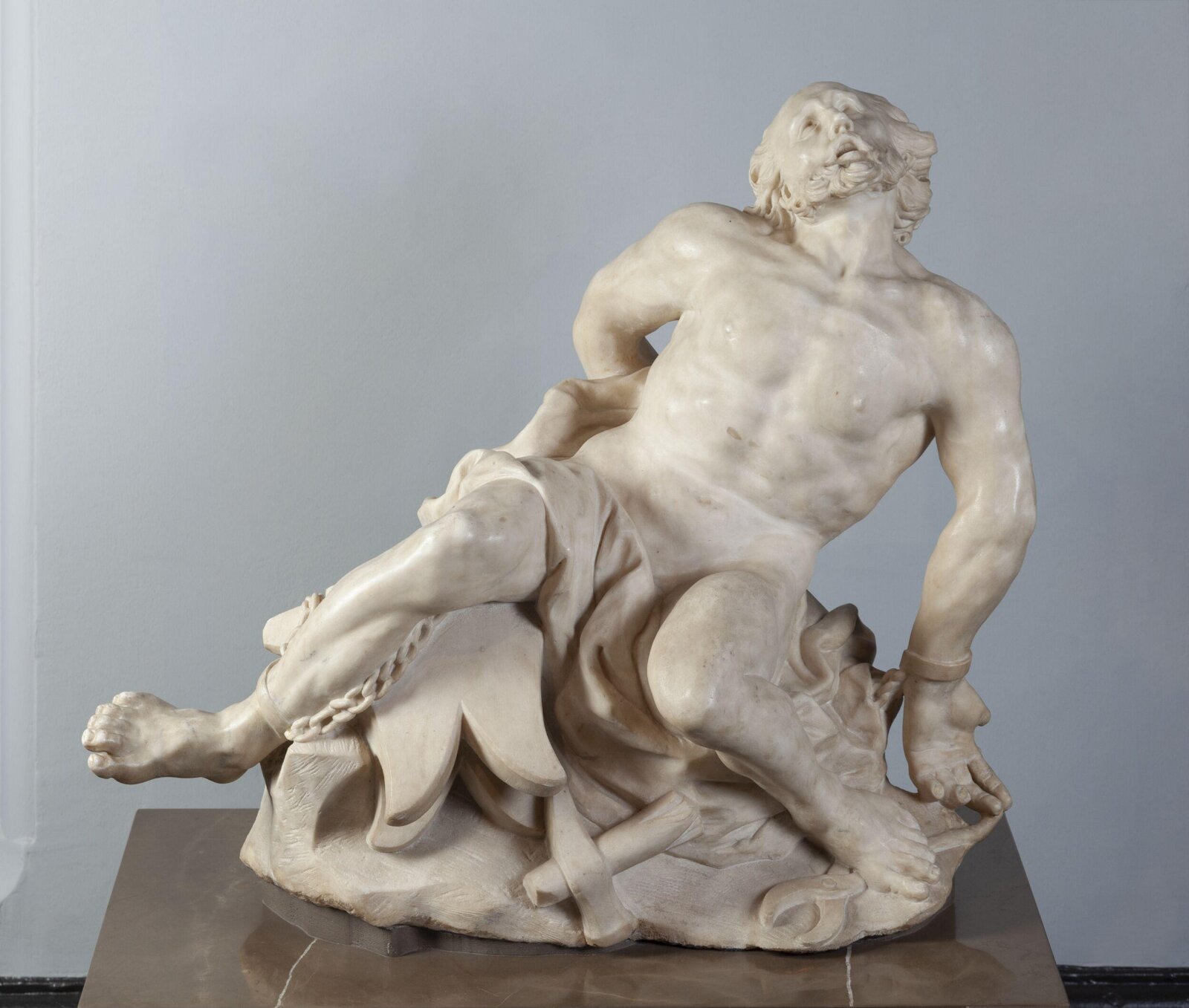
Vulcan (or possibly Prometheus) chained to a rock, Claude David, ca. 1710

Vulcan (or possibly Prometheus) chained to a rock

ca. 1710 · Figure

Sulla scultura

The figure is closely related to David's statue of St Bartholomew in the church of S. Maria di Carignano in Genoa, Italy. Malcolm Baker has suggested that it's one of the few free-standing sculptures of mythological figures to have been executed by a sculptor working in England in the first half of the 18th century'.

Continua a leggere

Although traditionally thought to represent the mythical Prometheus, chained to a rock by the god Jupiter, the figure probably represents Vulcan. The diary of Sir Matthew Decker, who saw the piece in its original setting in 1728, provides an explanation of its symbolism. Placed on the landing half-way up the main staircase, the figure was intended to be accompanied by a further figure of William III, as part of an allegorical representation of how William's arrival in England and the Glorious Revolution of 1688 had averted a civil war. 'Vulcan is accordingly represented as chained, rather than fashioning the instruments of war.'

Victoria and Albert Museum

Scheda

Numero di inventario
A.3-1981

Altre opere di Claude David

Tutte le opere

Nella stessa sala · Sculpture, Room 22, The Dorothy and Michael Hintze Galleries, Victoria and Albert Museum

Pagina del museo

Sullo stesso tema · Rock

Tutte le opere sul tema
CClaude David

Si può ammirare?

Sì, riceve visite

Victoria and Albert Museum

Londra, Regno Unito

SalaSculpture, Room 22, The Dorothy and Michael Hintze Galleries

Esposta al pubblico. Chi lo garantisce è indicato qui sotto.

Verificato
12 giorni fa
Ultimo cambio di stato
25 set 2026
Fonte
Il museo
Sulla mappaPagina del museo

Che cosa raffigura

RockPrometheusVulcan

In catalogo

SculturaMarmoBaroccoXVIII secoloInghilterra

Fonti

  • Victoria and Albert Museum
  • Immagine: Victoria and Albert Museum — © Victoria and Albert Museum, London
Neptune, Claude David, ca. 1702

Neptune

ca. 1702 · Non esposta · Victoria and Albert Museum

Model for Wellington Monument: Truth and Falsehood, Alfred George Stevens, 1867-8

Alfred Stevens

Model for Wellington Monument: Truth and Falsehood, 1867-8

Valour and Cowardice, Alfred George Stevens, 1866

Alfred Stevens

Valour and Cowardice, 1866

Pandora, John Gibson, 1856

John Gibson

Pandora, 1856

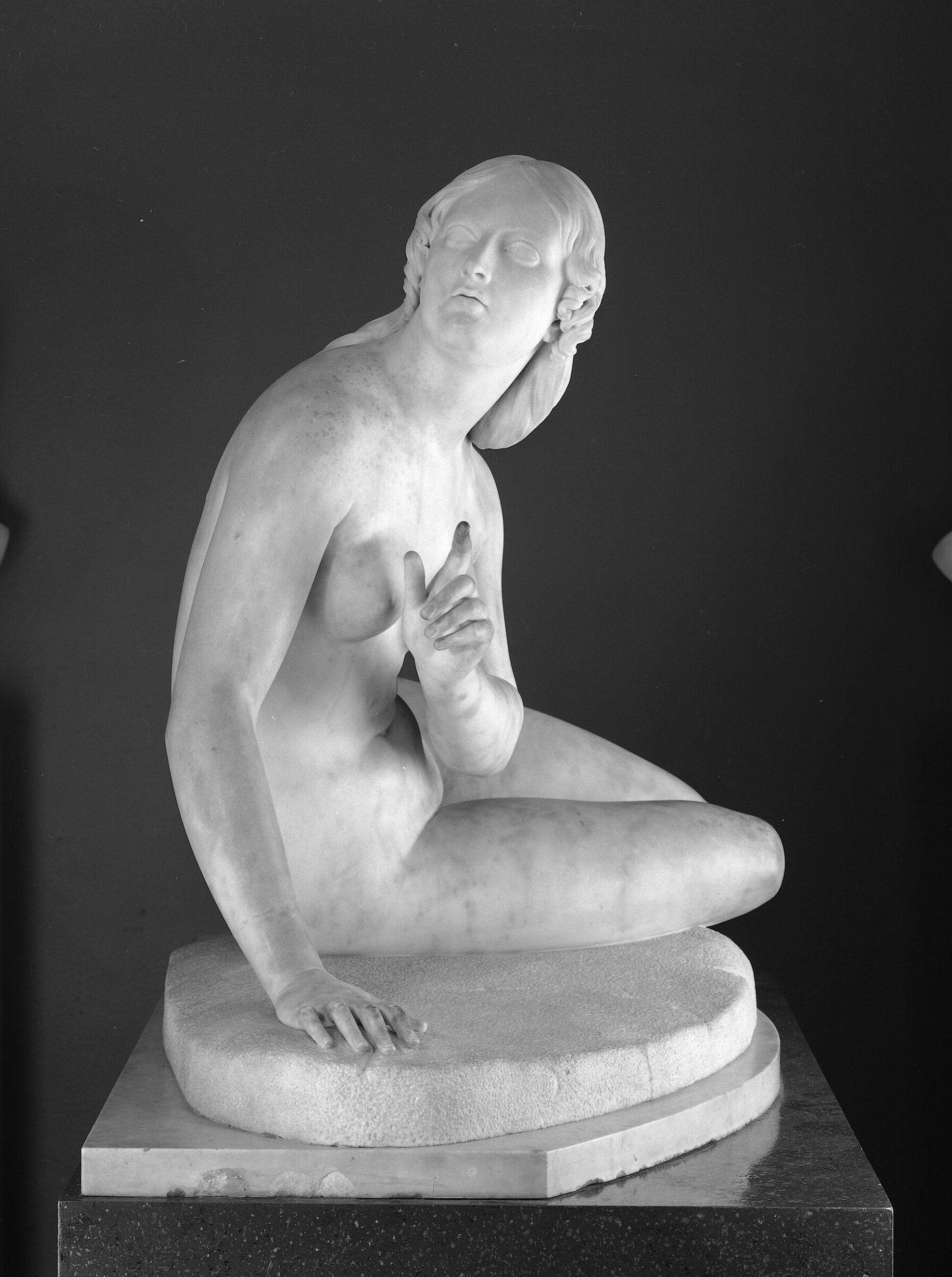
Eve listening to the voice, Edward Hodges Baily, 1842

Edward Hodges Baily

Eve listening to the voice, 1842

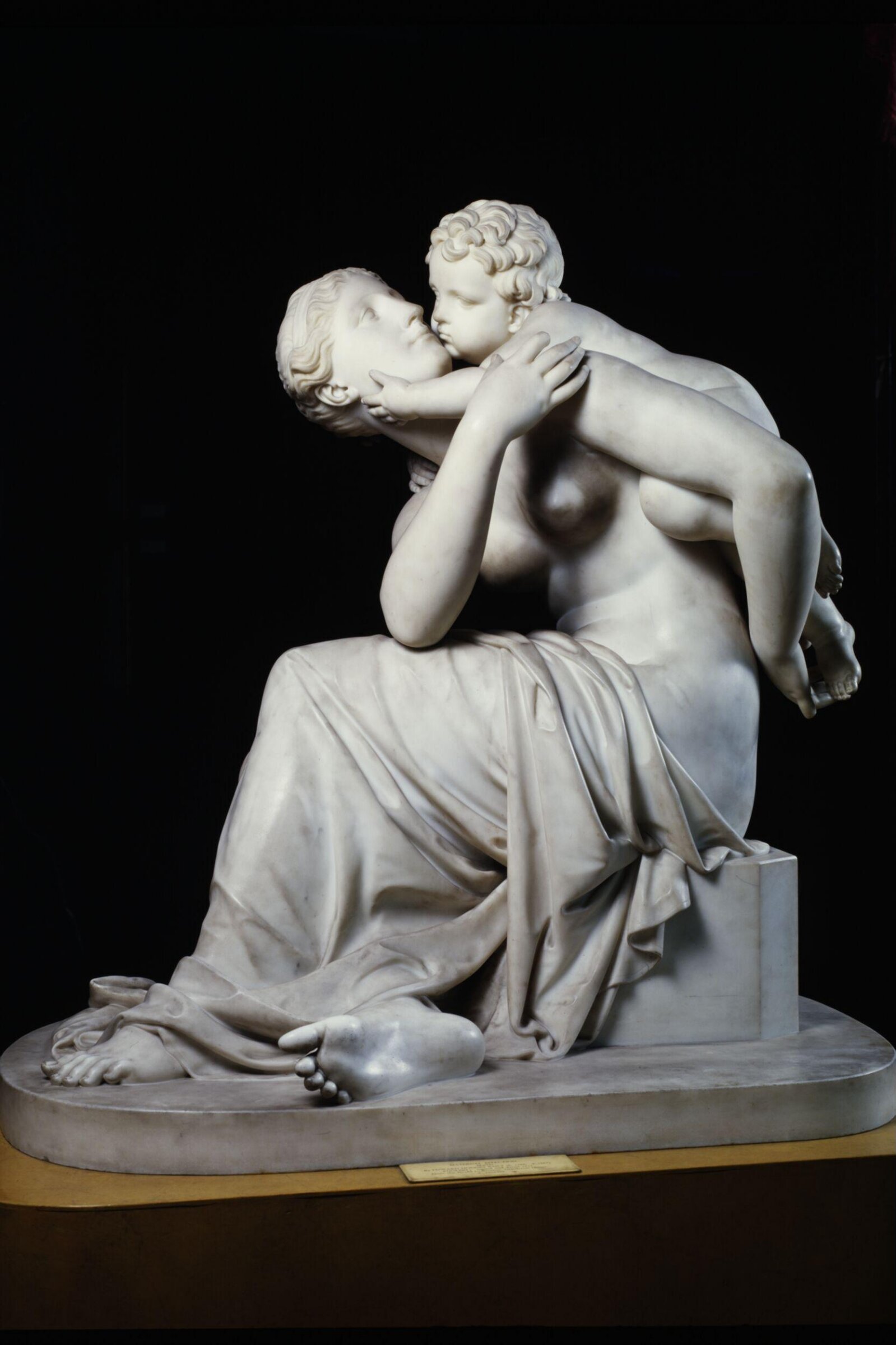
Maternal Affection, Edward Hodges Baily, 1837

Edward Hodges Baily

Maternal Affection, 1837

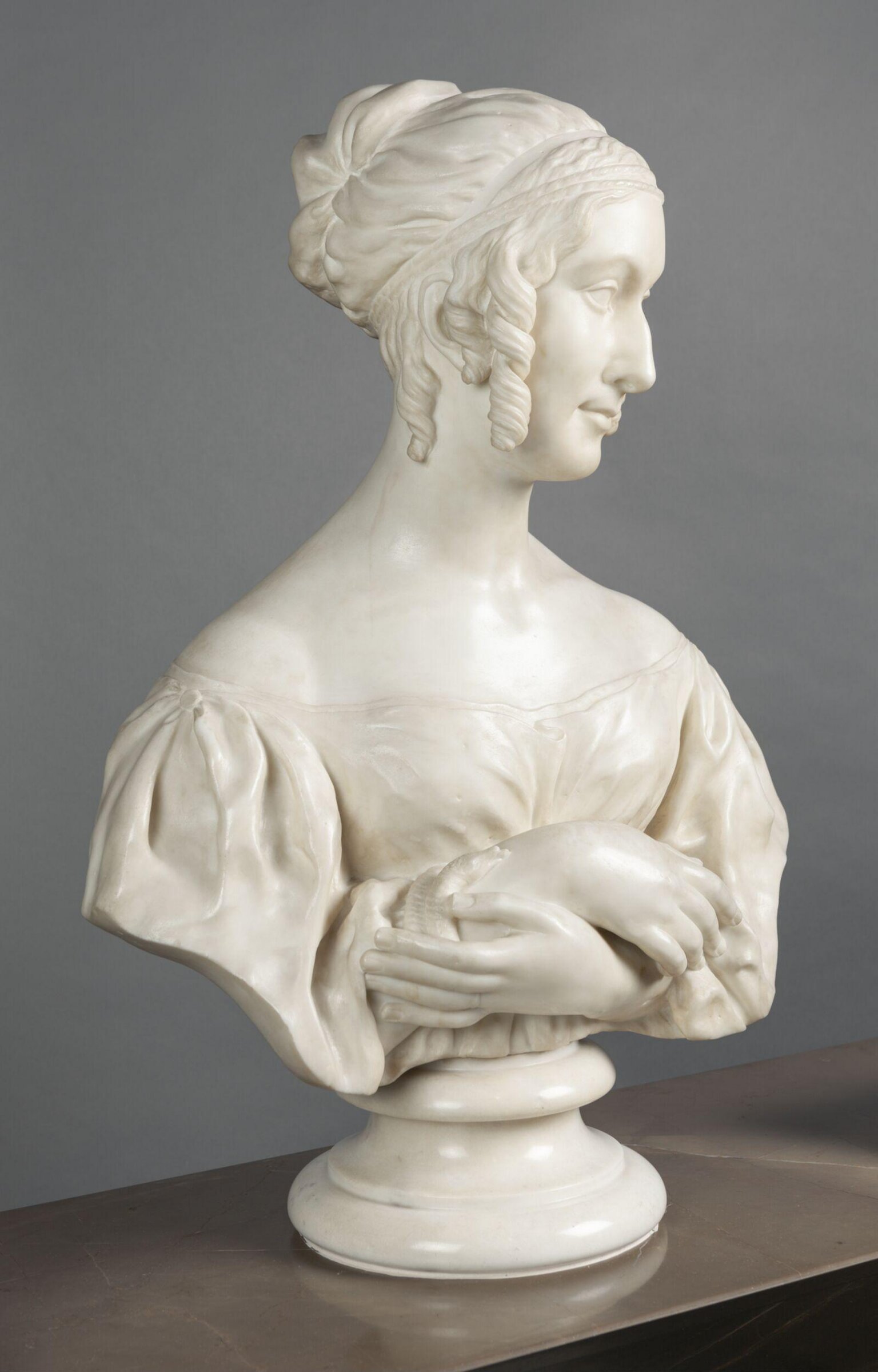
Catherine, Lady Stepney (d. 1845) as Cleopatra, Richard Cockle Lucas, ca. 1836

Richard Cockle Lucas

Catherine, Lady Stepney (d. 1845) as Cleopatra, ca. 1836

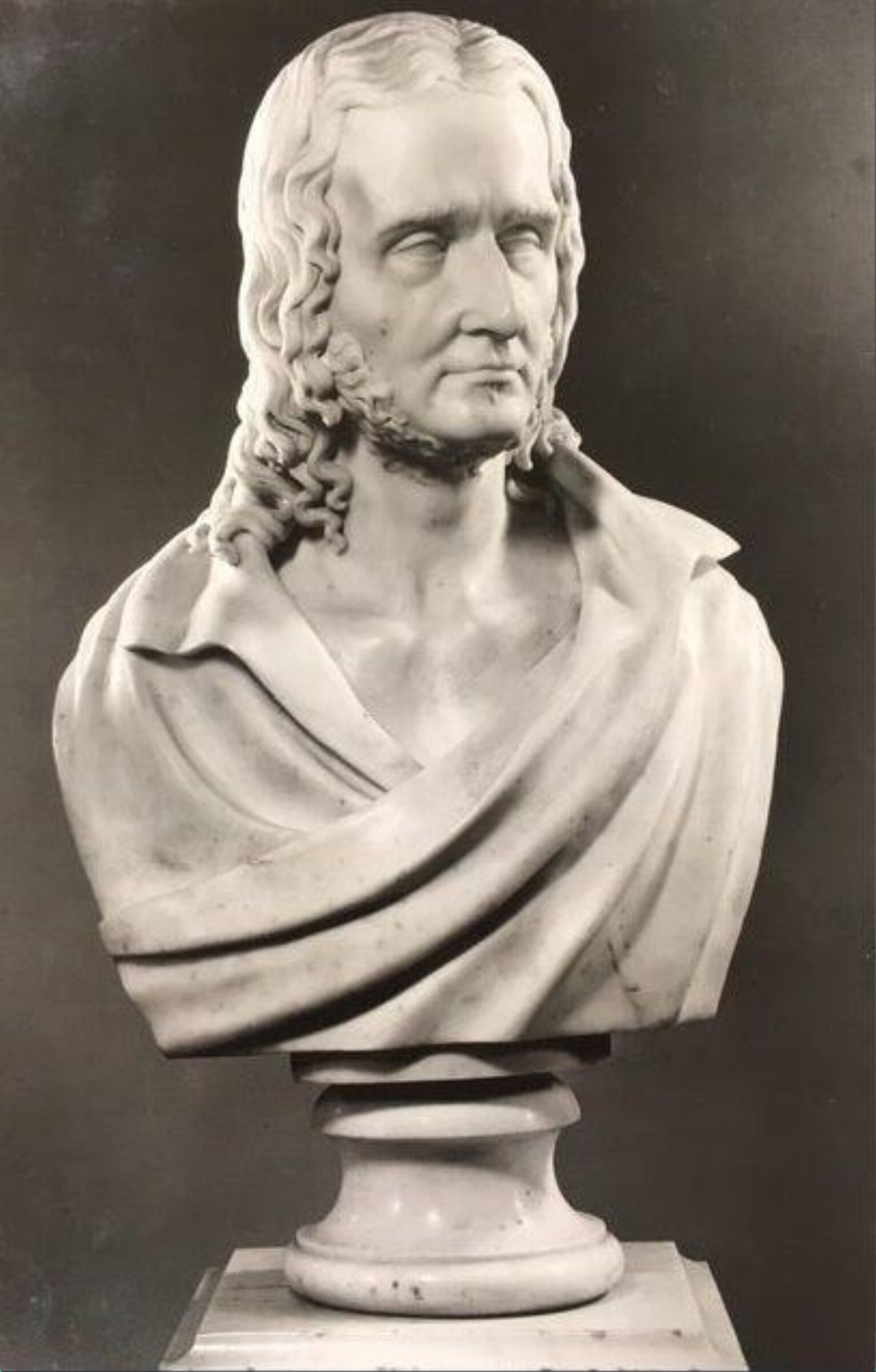
Nicolò Paganini, Henry Westmacott, 1832

Henry Westmacott

Nicolò Paganini, 1832

Cupid kindling the torch of Hymen, George Rennie, ca. 1831

George Rennie

Cupid kindling the torch of Hymen, ca. 1831

Two Nude Men, Marcantonio Raimondi after Michelangelo

Michelangelo

Two Nude Men

Non esposta · National Gallery of Art

Noah Leaving the Ark, Giulio Bonasone, after Raphael, 1544

Raphael

Noah Leaving the Ark, 1544

Non esposta · National Gallery of Art

The Barc, Agostino dei Musi after Raphael, 1515-1530

Raphael

The Barc, 1515-1530

Non esposta · National Gallery of Art

The Raising of Lazarus: Small Plate, Rembrandt van Rijn, 1642

Rembrandt van Rijn

The Raising of Lazarus: Small Plate, 1642

Non esposta · National Gallery of Art

The Stoning of Saint Stephen, Rembrandt van Rijn, 1635

Rembrandt van Rijn

The Stoning of Saint Stephen, 1635

Non esposta · National Gallery of Art

The Entombment, Rembrandt van Rijn, c. 1654

Rembrandt van Rijn

The Entombment, c. 1654

Non esposta · National Gallery of Art

[Die Auferweckung des Lazarus; The Raising of Lazarus. Small Plate; Résurrection de Lazare], Rembrandt, 1642

Rembrandt van Rijn

[Die Auferweckung des Lazarus; The Raising of Lazarus. Small Plate; Résurrection de Lazare], 1642

Herzog Anton Ulrich-Museum

[Die kleine Löwenjagd mit zwei Löwen; The Small Lion Hunt with Two Lions; Chasse aux lions], Rembrandt, 1629

Rembrandt van Rijn

[Die kleine Löwenjagd mit zwei Löwen; The Small Lion Hunt with Two Lions; Chasse aux lions], 1629

Herzog Anton Ulrich-Museum