ART WIKI32.963 in sala
MappaCollezioneArtistiMuseiMostreRivista
Accedi

ART WIKI

Dove è appeso il capolavoro, e quando si può entrare.

Collezioni: Art Institute of Chicago, Cleveland Museum of Art, Ermitage, Galleria Tret'jakov, Getty Museum, Harvard Art Museums, Hirshhorn Museum and Sculpture Garden, Metropolitan Museum of Art, Minneapolis Institute of Art, Museo del Louvre, Museo Puškin delle belle arti, Museo russo, Museum of Modern Art, National Gallery of Art, National Museum of Asian Art, National Portrait Gallery, Rijksmuseum, Smithsonian American Art Museum, Statens Museum for Kunst, Victoria and Albert Museum, Villa Getty, Whitney Museum of American Art, Catalogo statale del fondo museale russo (274 musei), Europeana (19 musei), Wikidata (6 musei), Paris Musées (12 musei) e Joconde, la banca dati dei musei del Ministero della Cultura francese (495 musei). Le immagini appartengono ai titolari dei diritti.

Sezioni

  • Mappa
  • Ricerca
  • Collezione
  • Capolavori
  • Esposte ora
  • Artisti

Altro

  • Musei e gallerie
  • Mostre
  • Rivista
  • Da dove vengono i dati
  • Privacy e cookie
HomeMappaCatalogo
  1. Collezione/
  2. Victoria and Albert Museum/
  3. Virgin and Child
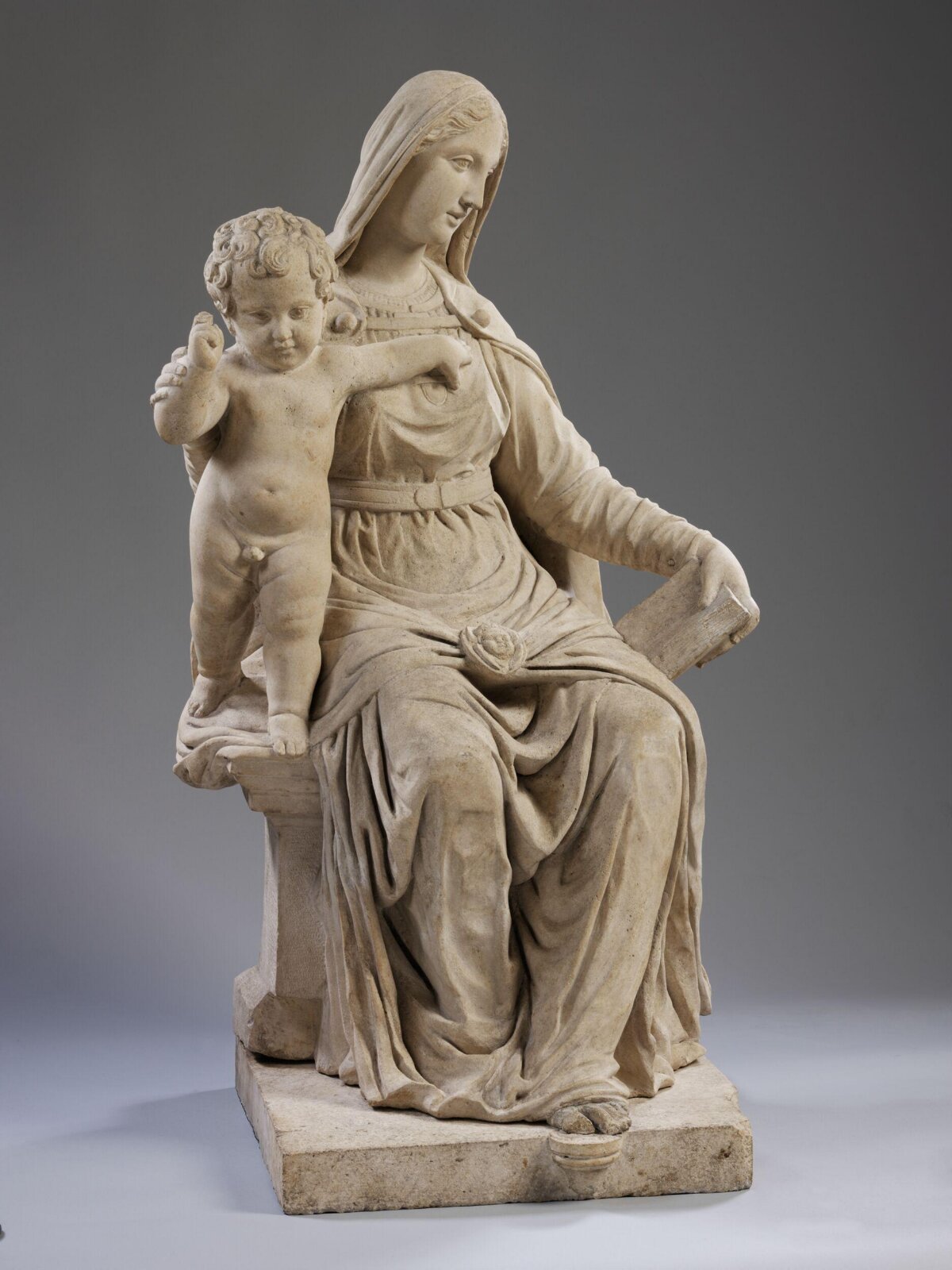
Virgin and Child, Francesco Cavrioli, ca. 1645
FFrancesco Cavrioli

Virgin and Child

ca. 1645 · Figure group · 117 × 65.5 cm

Si può ammirare?

Sì, riceve visite

Victoria and Albert Museum

Londra, Regno Unito

SalaMedieval & Renaissance, Room 50b, The Paul and Jill Ruddock Gallery

Esposta al pubblico. Chi lo garantisce è indicato qui sotto.

Verificato
12 giorni fa
Ultimo cambio di stato
25 set 2026
Fonte
Il museo
Sulla mappaPagina del museo

Sulla scultura

This group was previously thought to be by Girolamo Campagna (1549-1625), dated 1578, and to have come from the church of the Madonna dell'Arsenale, Venice, a small church demolished in 1809. While the Virgin’s provenance has been confirmed, it has now been demonstrated that the sculpture was made by the 17th century sculptor Francesco Cavrioli (c. 1600-1670) (see Siracusano 2014).

Continua a leggere

The original location of the Virgin, atop the facade of the church of the Madonna dell’Arsenale is recorded in a painting by Canaletto in Woburn Abbey. It was framed by two angels that have not yet resurfaced. When the church was demolished in 1809, the Virgin was first moved to an unknown location and reappeared around 1840, when it was donated by the admiral Amilcare Paolucci to the Scuola della Misericordia. It was then bought by Sir John Leslie in 1878 and installed over a tablet bearing an inscription recording the transfer.

The attribution to Francesco Cavrioli has been made on stylistic comparisons with other documented sculptures, in particular with the high relief altarpiece carved in 1645 for the Battuti altar in the cathedral of Santa Maria Nova in Serravalle (Vittorio Veneto), the sculptor birth town. The Virgin can also be confronted to the Allegory of Venice, also dated from 1645, in San Giorgio Maggiore.

Francesco Cavrioli was active in Venice from the 1630s; he became one of the closest collaborator to the architect Baldassare Longhena (1598-1682).

Victoria and Albert Museum

Scheda

Numero di inventario
A.15&A-1961

Che cosa raffigura

Virgin and Child

In catalogo

SculturaPietraBaroccoXVII secoloVenezia

Fonti

  • Victoria and Albert Museum
  • Immagine: Victoria and Albert Museum — © Victoria and Albert Museum, London
Sotto lo stesso tetto: Victoria and Albert Museum

Pagina del museo
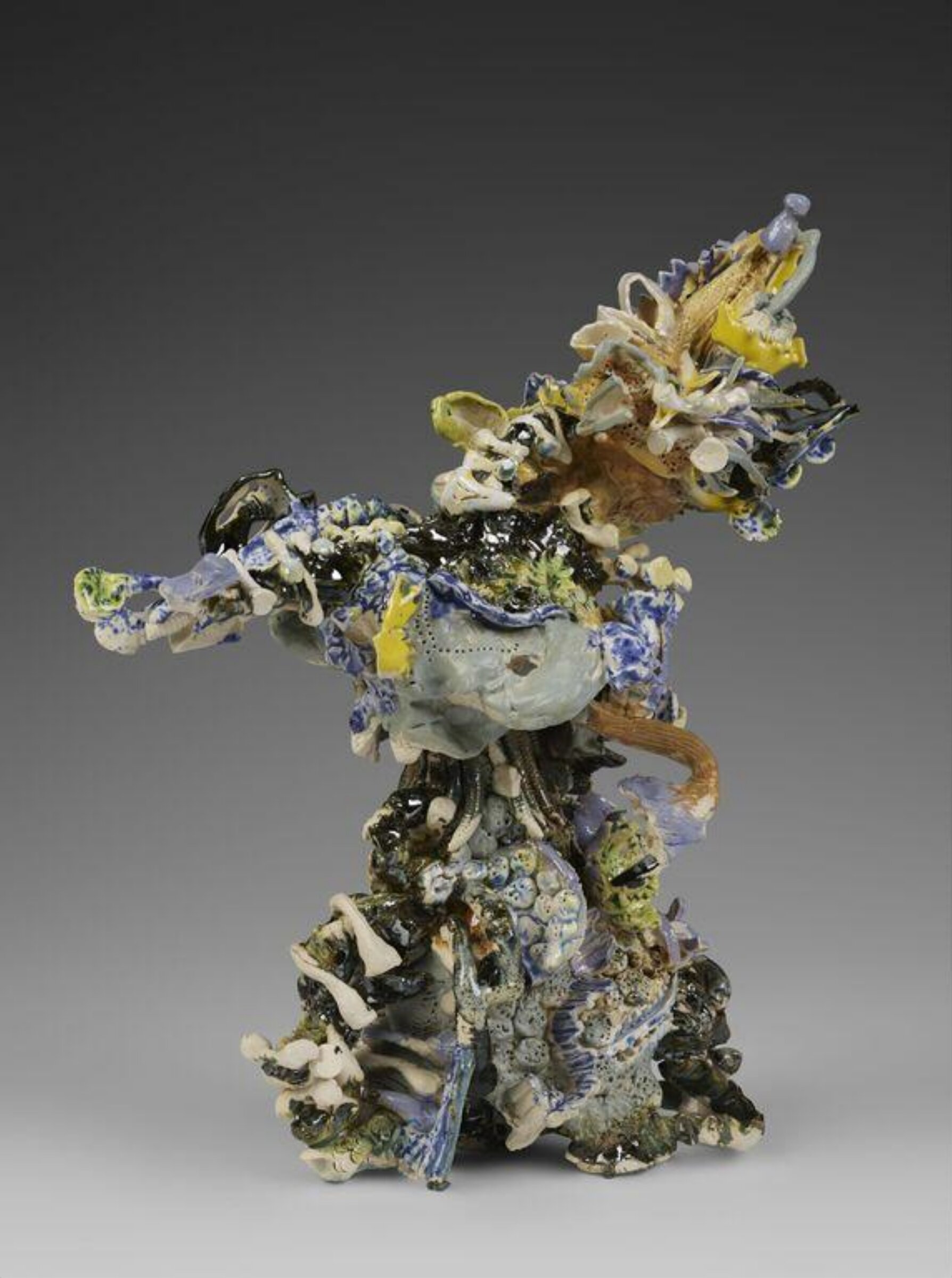
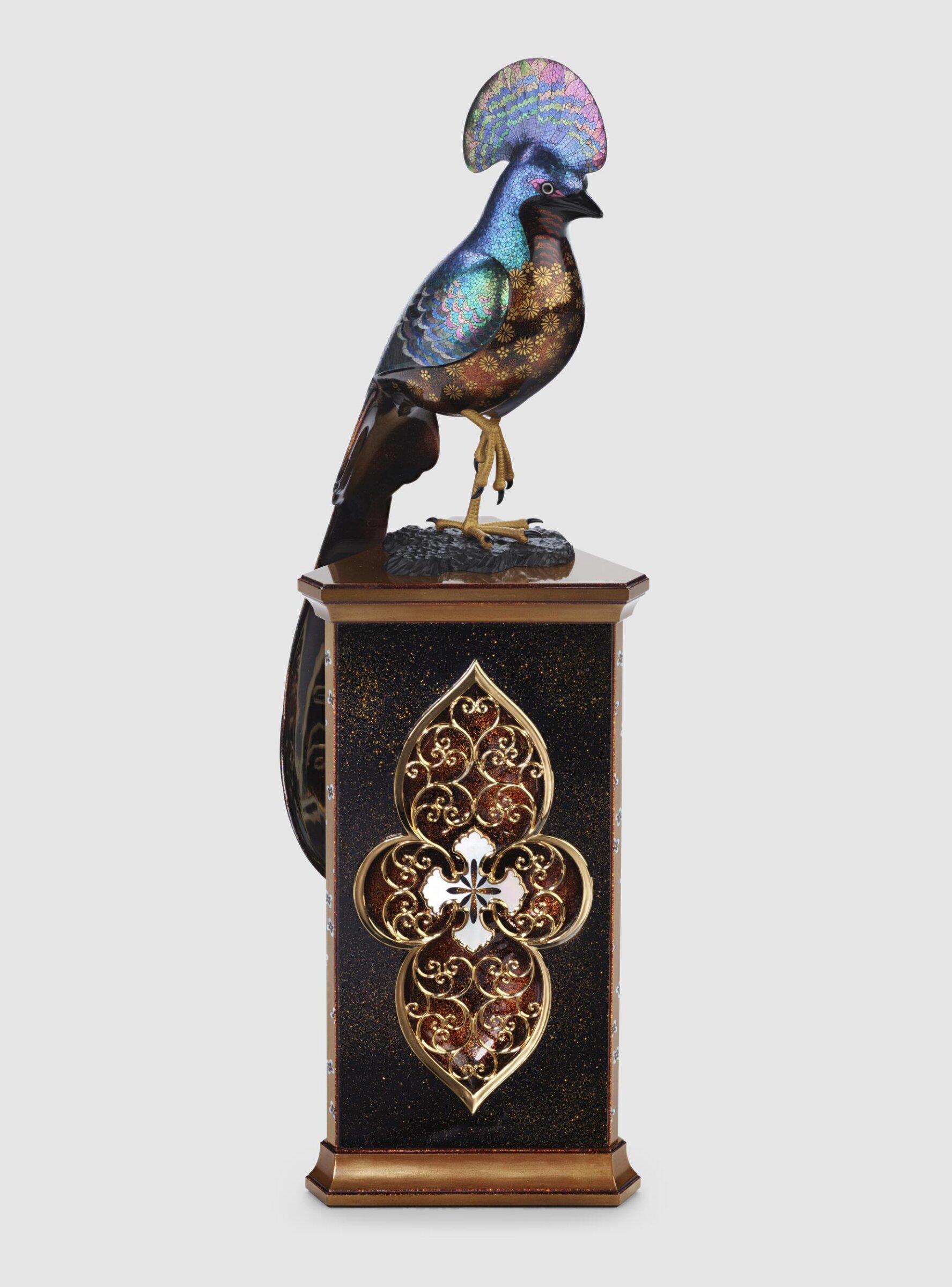
Bird of Paradise, Hashimoto Chitaka, 2026

Hashimoto Chitaka

Bird of Paradise, 2026

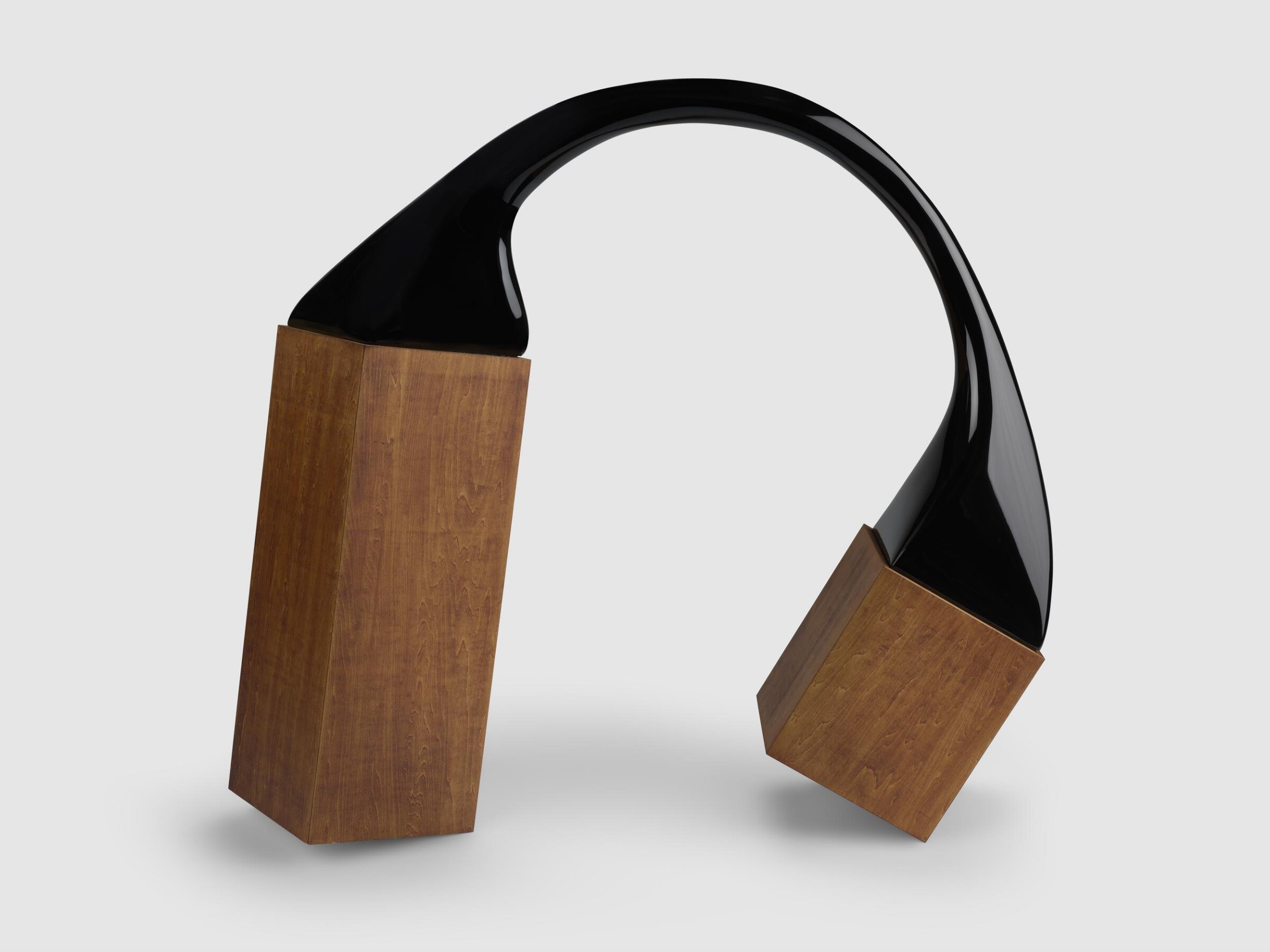
Torsion 2, Taruma Shoko, 2025

Taruma Shoko

Torsion 2, 2025

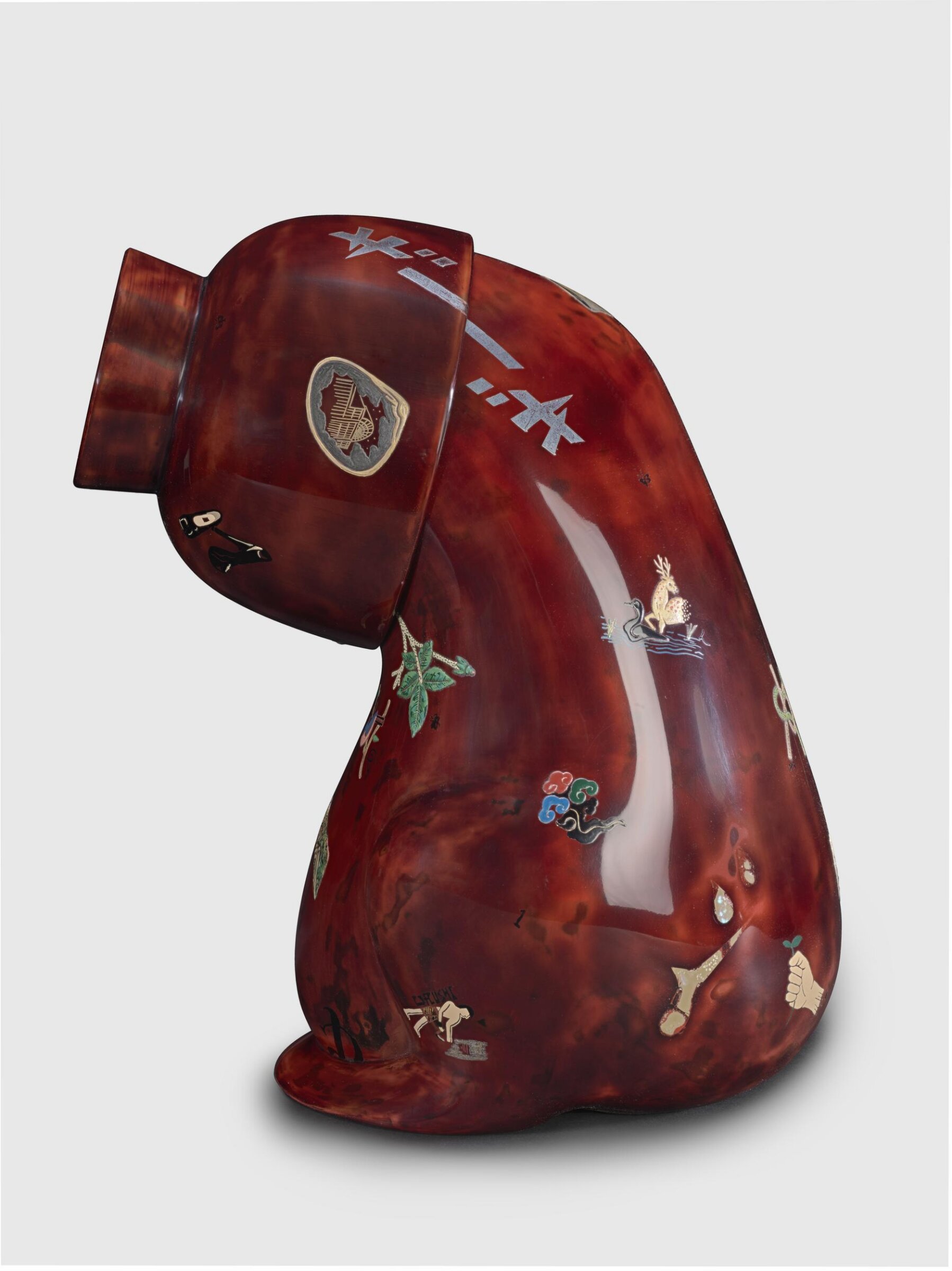
Fu, Someya Satoshi, 2025

Someya Satoshi

Fu, 2025

Bow Before the Curtain Falls, 2024

Bow Before the Curtain Falls, 2024

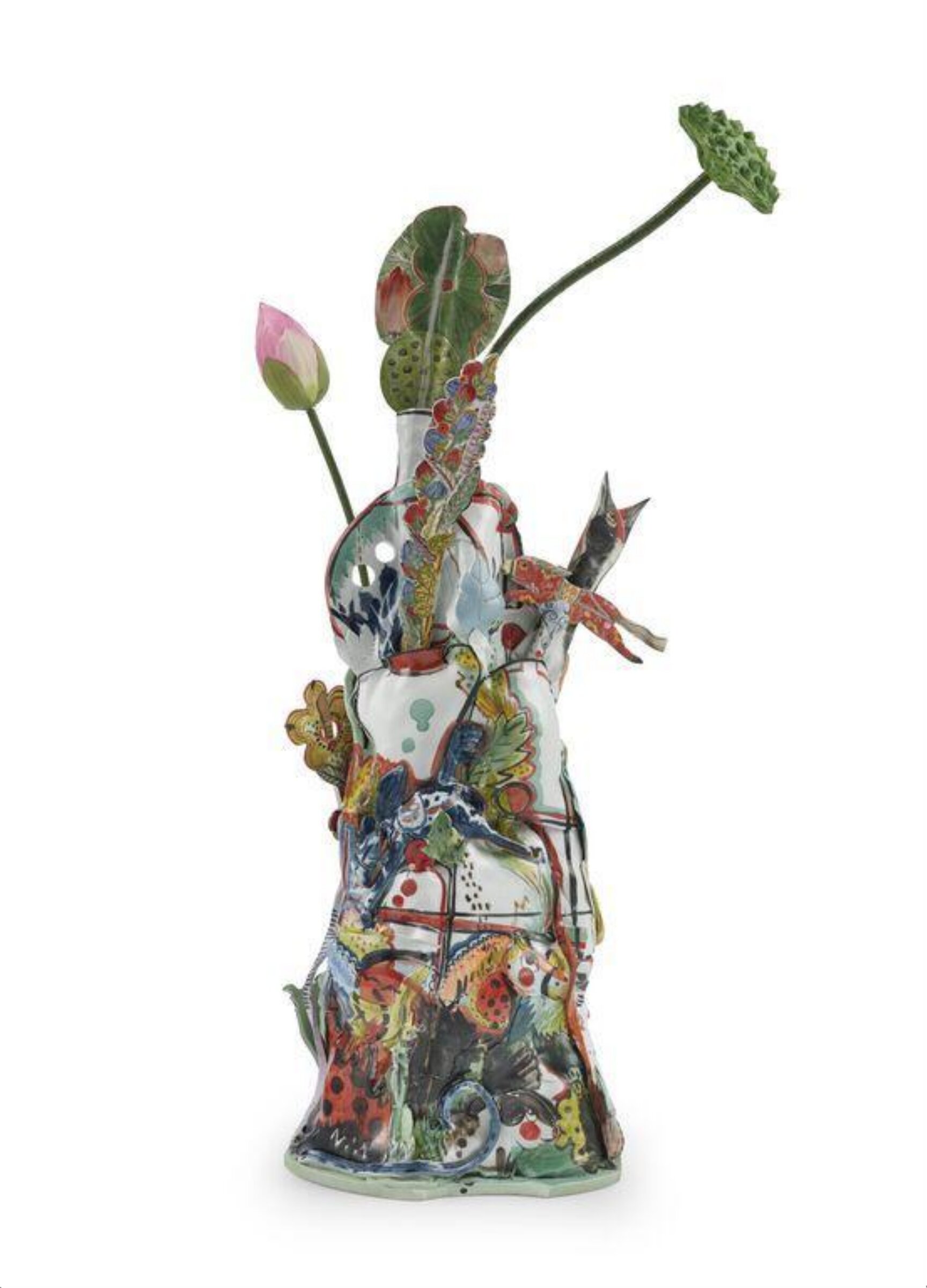
Summer, 2024

Summer, 2024

Red Flow, Ishizuka Genta, 2024

Ishizuka Genta

Red Flow, 2024

3D replica of Michelangelo's Prisoner (4117-1854), Factum Arte, 2024

Factum Arte

3D replica of Michelangelo's Prisoner (4117-1854), 2024

Sculpture, ‘Co-Existence – the Man and the Monkey’, Zhao Lin, 2024

Zhao Lin

Sculpture, ‘Co-Existence – the Man and the Monkey’, 2024