ART WIKI32.979 in sala
MappaCollezioneArtistiMuseiMostreRivista
Accedi

ART WIKI

Dove è appeso il capolavoro, e quando si può entrare.

Collezioni: Art Institute of Chicago, Cleveland Museum of Art, Ermitage, Galleria Tret'jakov, Getty Museum, Harvard Art Museums, Hirshhorn Museum and Sculpture Garden, Metropolitan Museum of Art, Minneapolis Institute of Art, Museo del Louvre, Museo Puškin delle belle arti, Museo russo, Museum of Modern Art, National Gallery of Art, National Museum of Asian Art, National Portrait Gallery, Rijksmuseum, Smithsonian American Art Museum, Statens Museum for Kunst, Victoria and Albert Museum, Villa Getty, Whitney Museum of American Art, Catalogo statale del fondo museale russo (274 musei), Europeana (19 musei), Wikidata (6 musei), Paris Musées (12 musei) e Joconde, la banca dati dei musei del Ministero della Cultura francese (495 musei). Le immagini appartengono ai titolari dei diritti.

Sezioni

  • Mappa
  • Ricerca
  • Collezione
  • Capolavori
  • Esposte ora
  • Artisti

Altro

  • Musei e gallerie
  • Mostre
  • Rivista
  • Da dove vengono i dati
  • Privacy e cookie
HomeMappaCatalogo
  1. Collezione/
  2. Victoria and Albert Museum/
  3. Venus standing on a shell
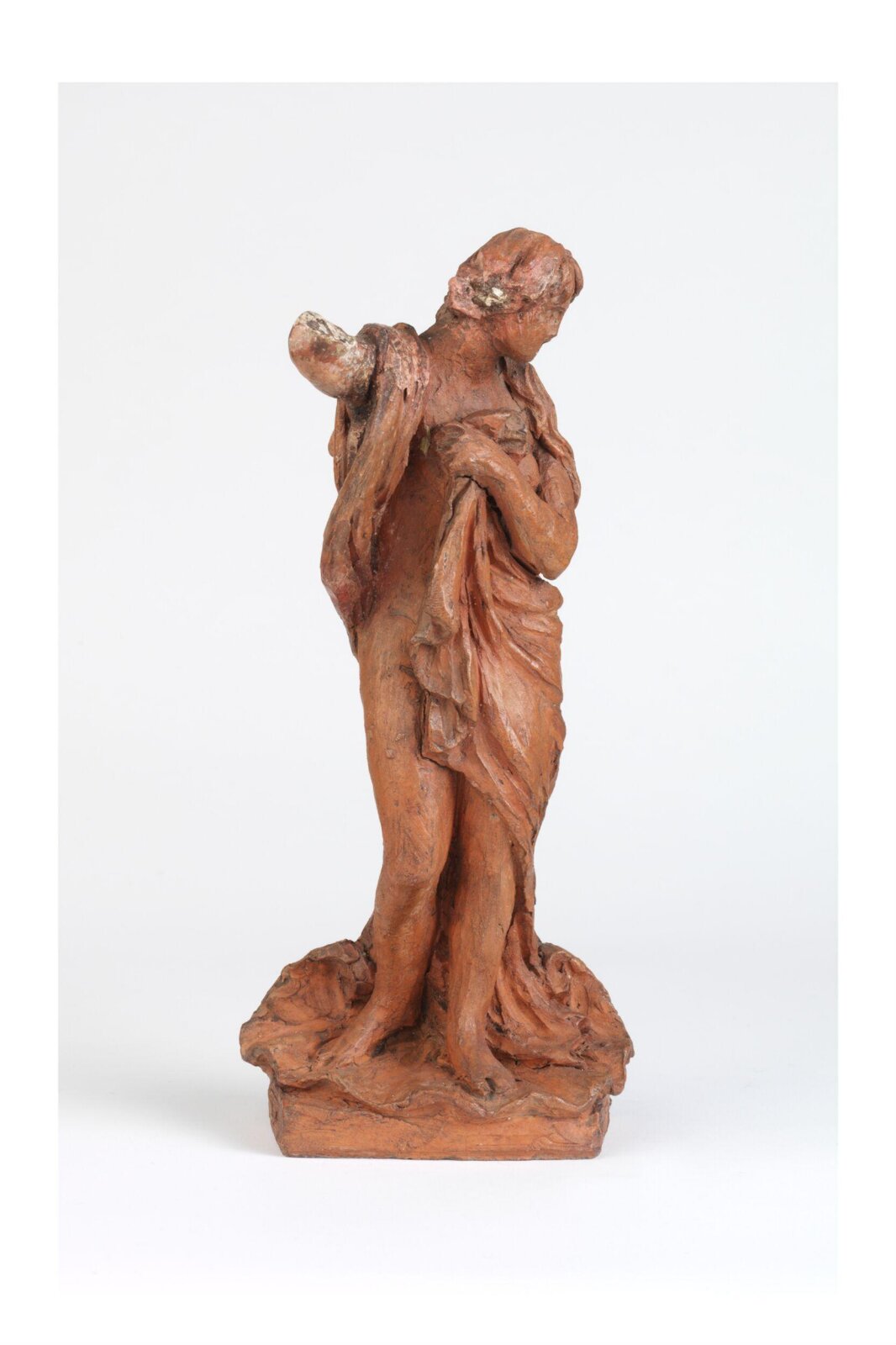
Venus standing on a shell, Joseph Nollekens, ca. 1800

Venus standing on a shell

ca. 1800 · Sculpture

Sulla scultura

This small terracotta study, which is probably not related to any known finished work, exemplifies Nollekens's facility in handling clay. It may have been exhibited at the Royal Academy in 1800 and purchased, after Nollekens's death, by another sculptor, Peter Rouw, when it appeared in the sale of Nollekens's studio effects held on 4 July, 1823.

Continua a leggere

Joseph Nollekens (1737-1823) was a prolific sculptor of portrait busts and operated a thriving workshop in London. He spent eight years in Rome from 1762 to 1770, where he worked with Bartolomeo Cavaceppi restoring and copying antique marbles. One of these copies, his group of Castor and Pollux, is in the Museum's collection (Museum no. A.59-1940). He probably perfected his modelling of clay while he was in Rome and started to experiment in making small figures or groups. These occasionally became models for large-scale finished marbles, but many, like this one, still in his studio at his death, were simply studies in their own right, which he called pensieri (thoughts).

Victoria and Albert Museum

Scheda

ca. 1800

Altre opere di Joseph Nollekens

Tutte le opere

Nella stessa sala · Sculpture, Room 22, The Dorothy and Michael Hintze Galleries, Victoria and Albert Museum
Pagina del museo

Sullo stesso tema · Shell

Tutte le opere sul tema
17371823
Numero di inventario
A.9-1944

Fonti

  • Victoria and Albert Museum
  • Immagine: Victoria and Albert Museum — © Victoria and Albert Museum, London
Joseph Nollekens, ritrattoJoseph NollekensInghilterra, 1737–1823

Si può ammirare?

Sì, riceve visite

Victoria and Albert Museum
Londra, Regno Unito

SalaSculpture, Room 22, The Dorothy and Michael Hintze Galleries

Esposta al pubblico. Chi lo garantisce è indicato qui sotto.

Verificato
13 giorni fa
Ultimo cambio di stato
25 set 2026
Fonte
Il museo
Sulla mappaPagina del museo
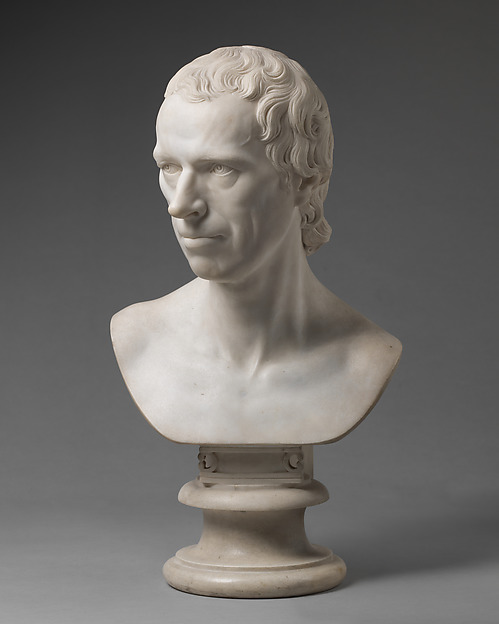
Laurence Sterne (1713–1768), Joseph Nollekens, first modeled 1766

Laurence Sterne (1713–1768)

first modeled 1766 · Metropolitan Museum of Art

Venus, Joseph Nollekens, 1773

Venus

1773 · Getty Museum

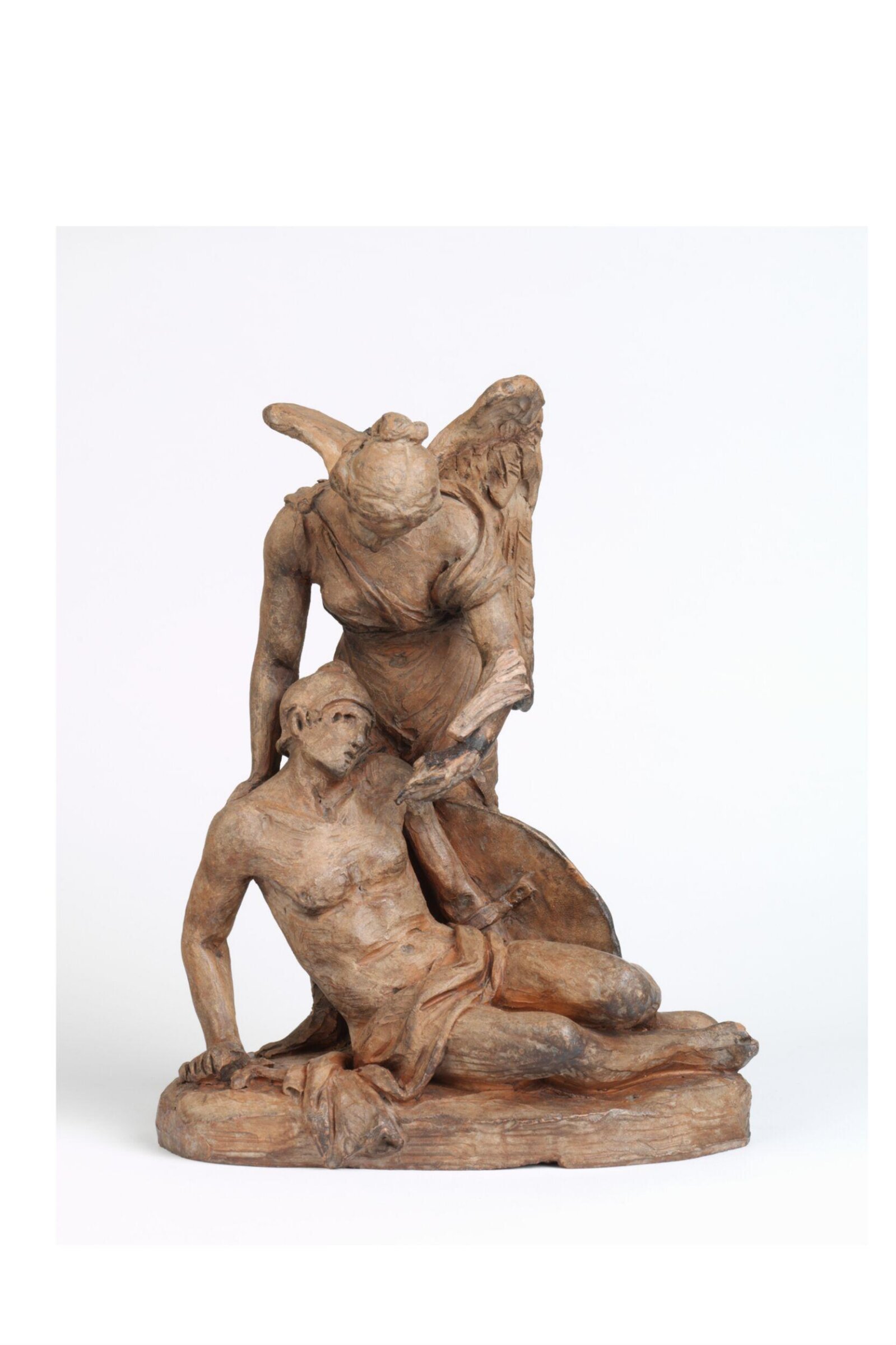
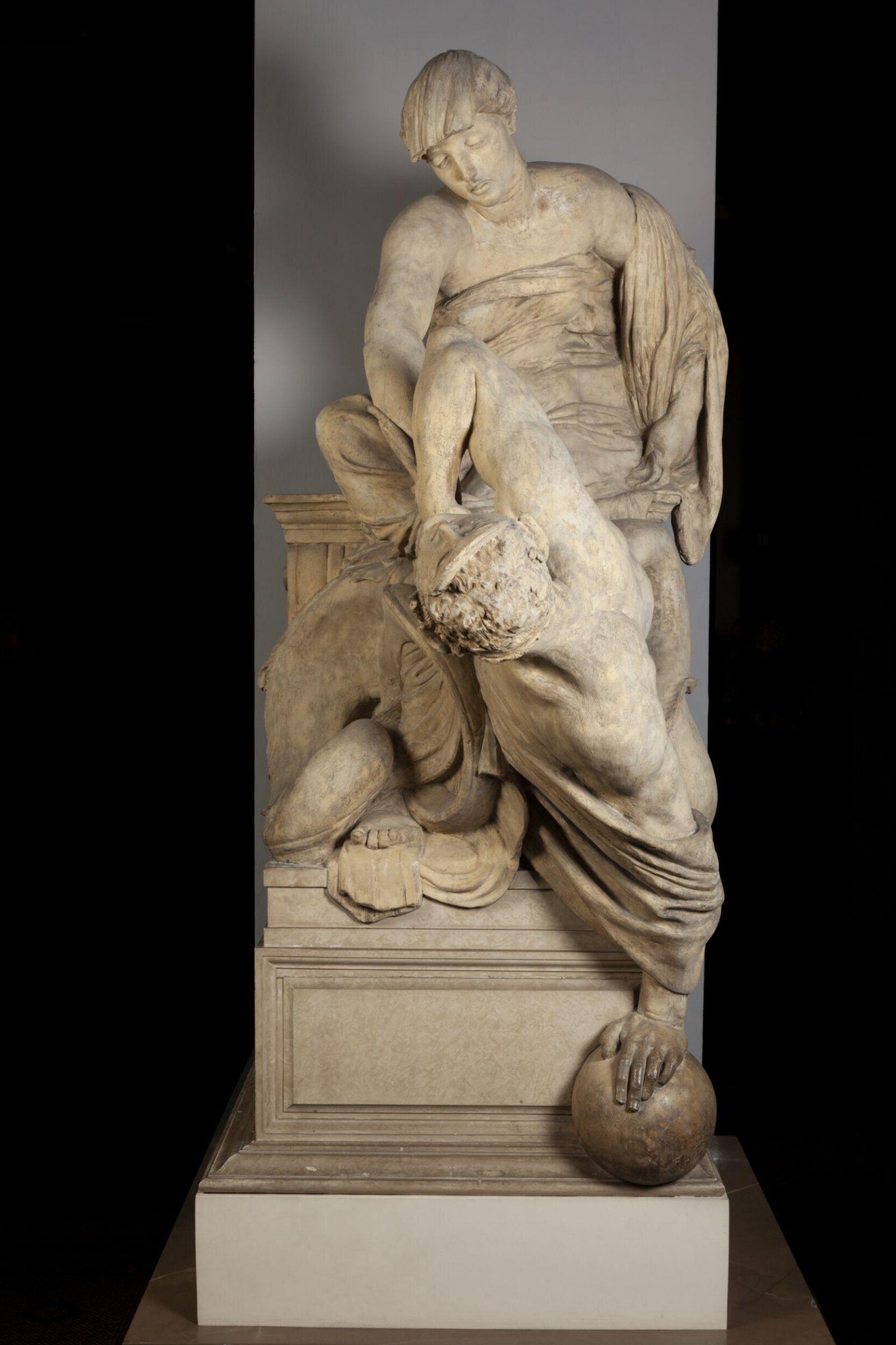
A Hero dying in the arms of Victory, Joseph Nollekens, late eighteenth century

A Hero dying in the arms of Victory

late eighteenth century · Victoria and Albert Museum
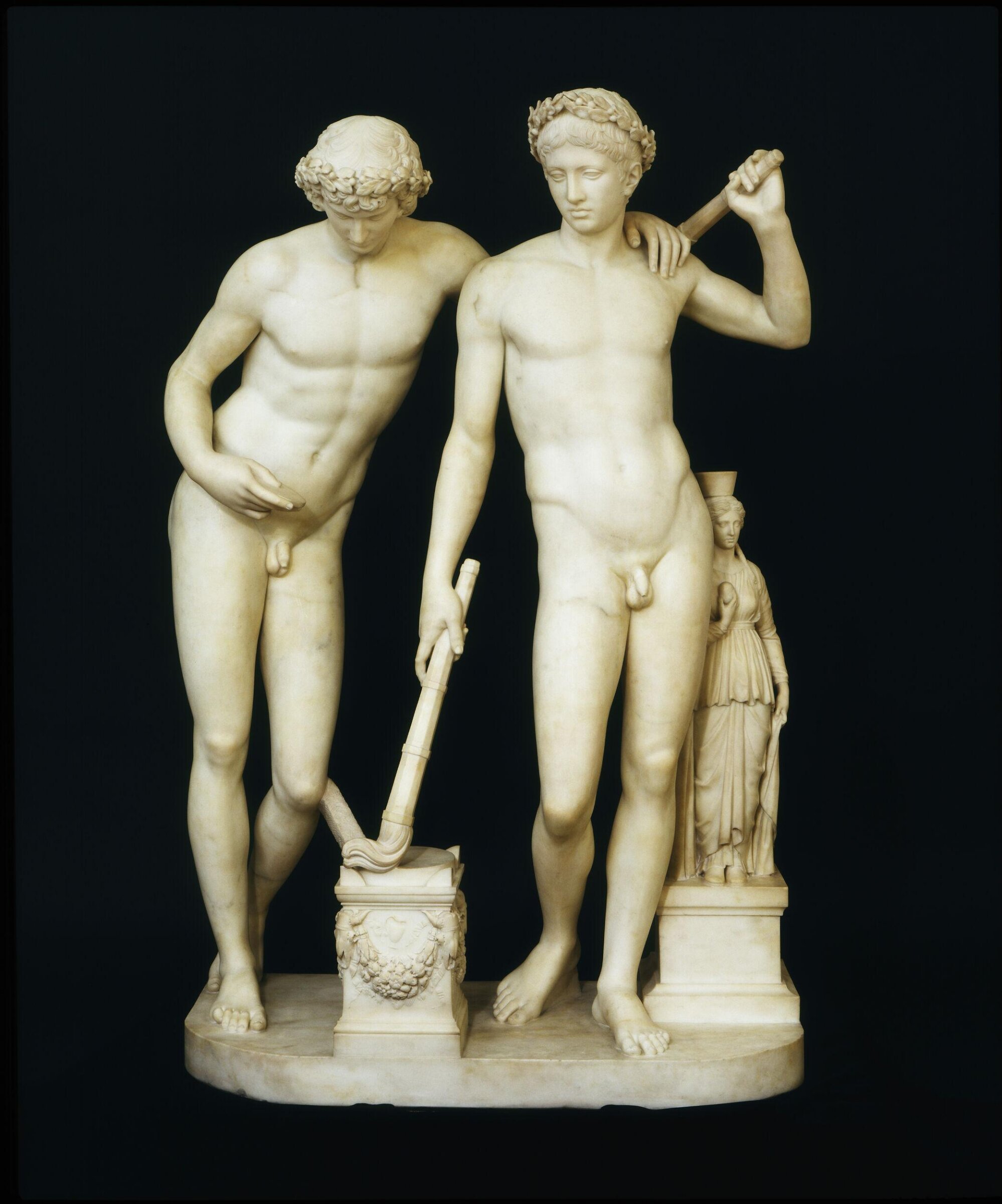
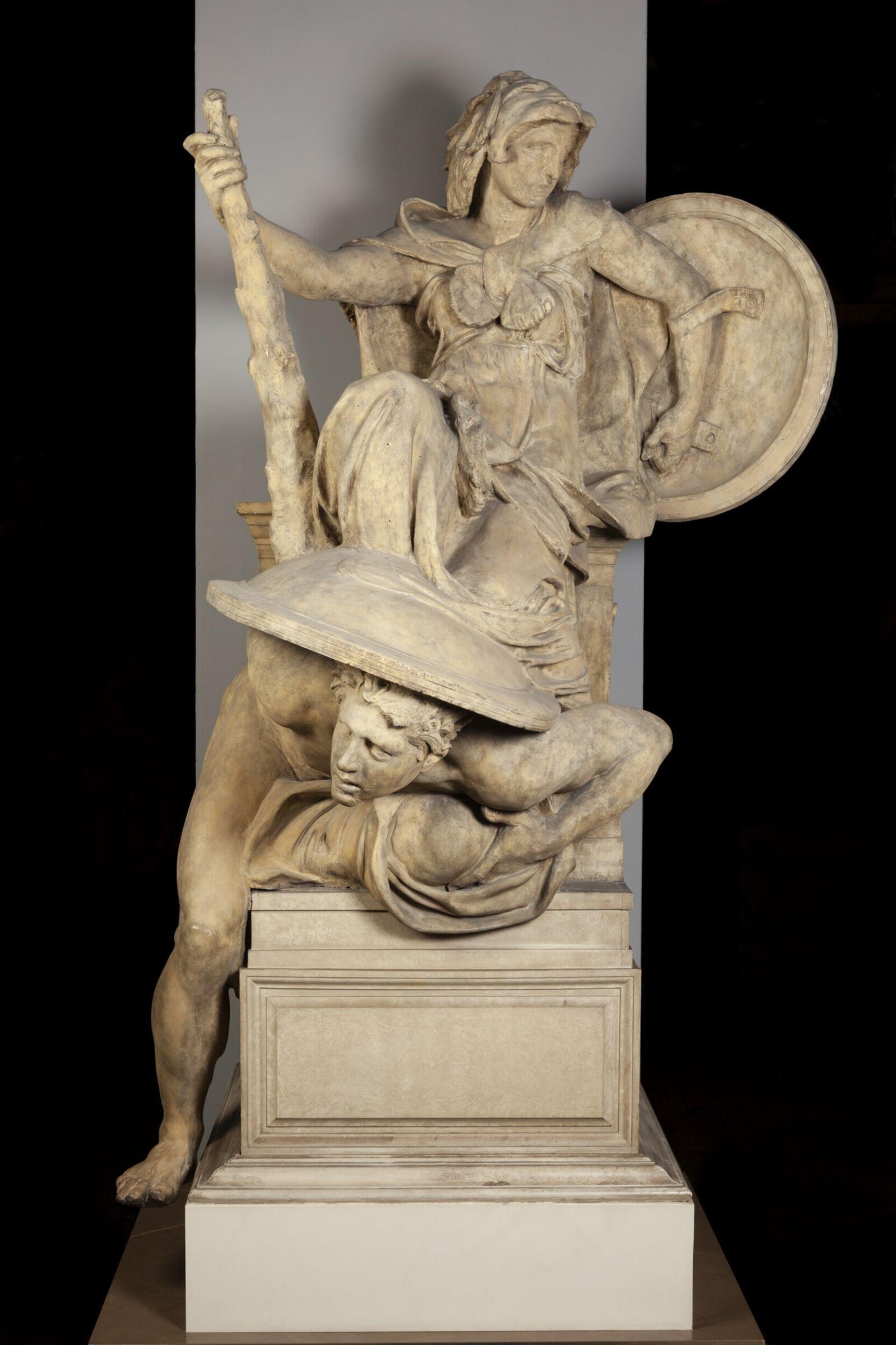
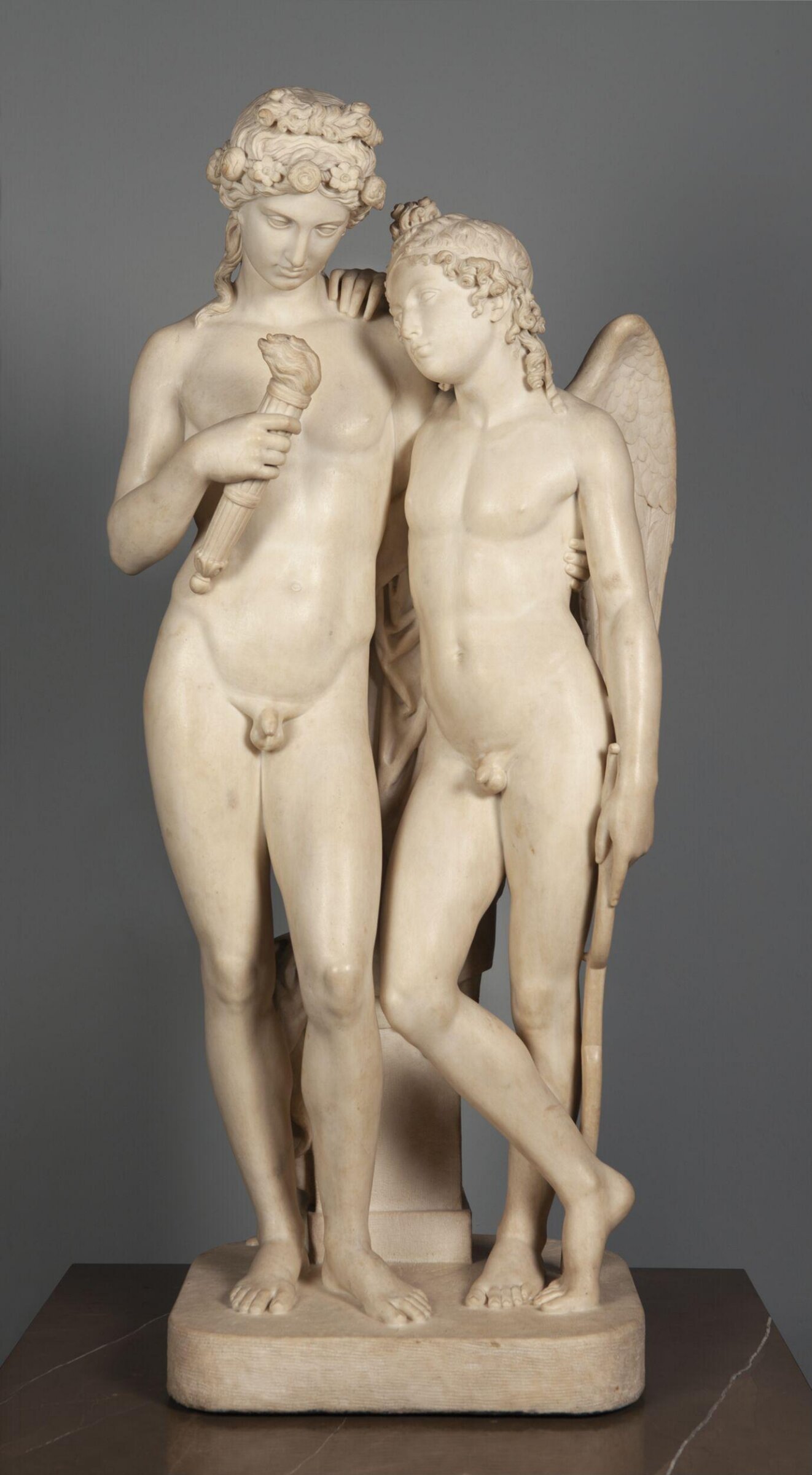
Castor and Pollux, Joseph Nollekens, 1767

Castor and Pollux

1767 · Victoria and Albert Museum
Minerva, Joseph Nollekens, 1775

Minerva

1775 · Getty Museum

Juno, Joseph Nollekens, 1776

Juno

1776 · Getty Museum

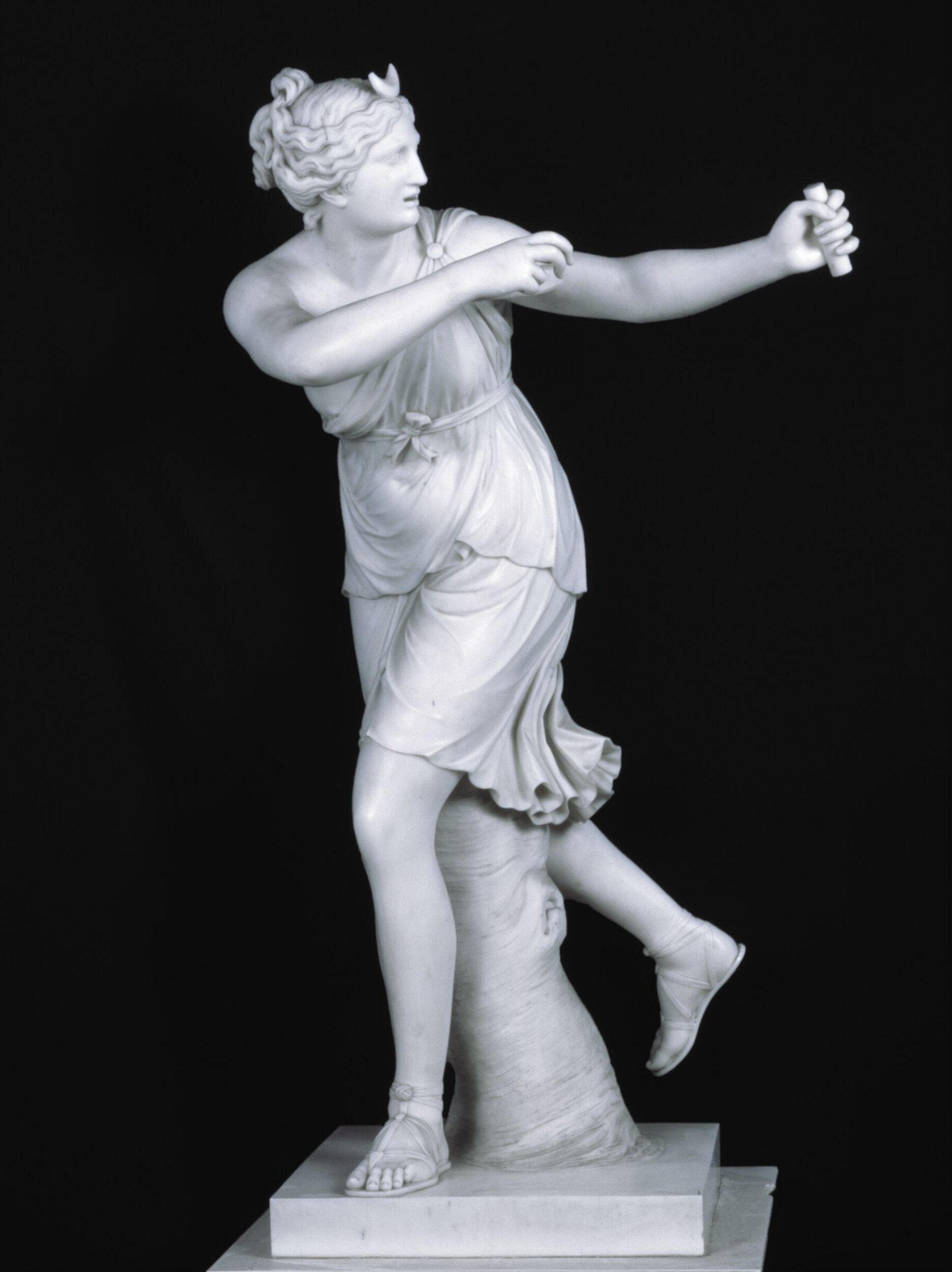
Diana, Joseph Nollekens, 1778

Diana

1778 · Victoria and Albert Museum

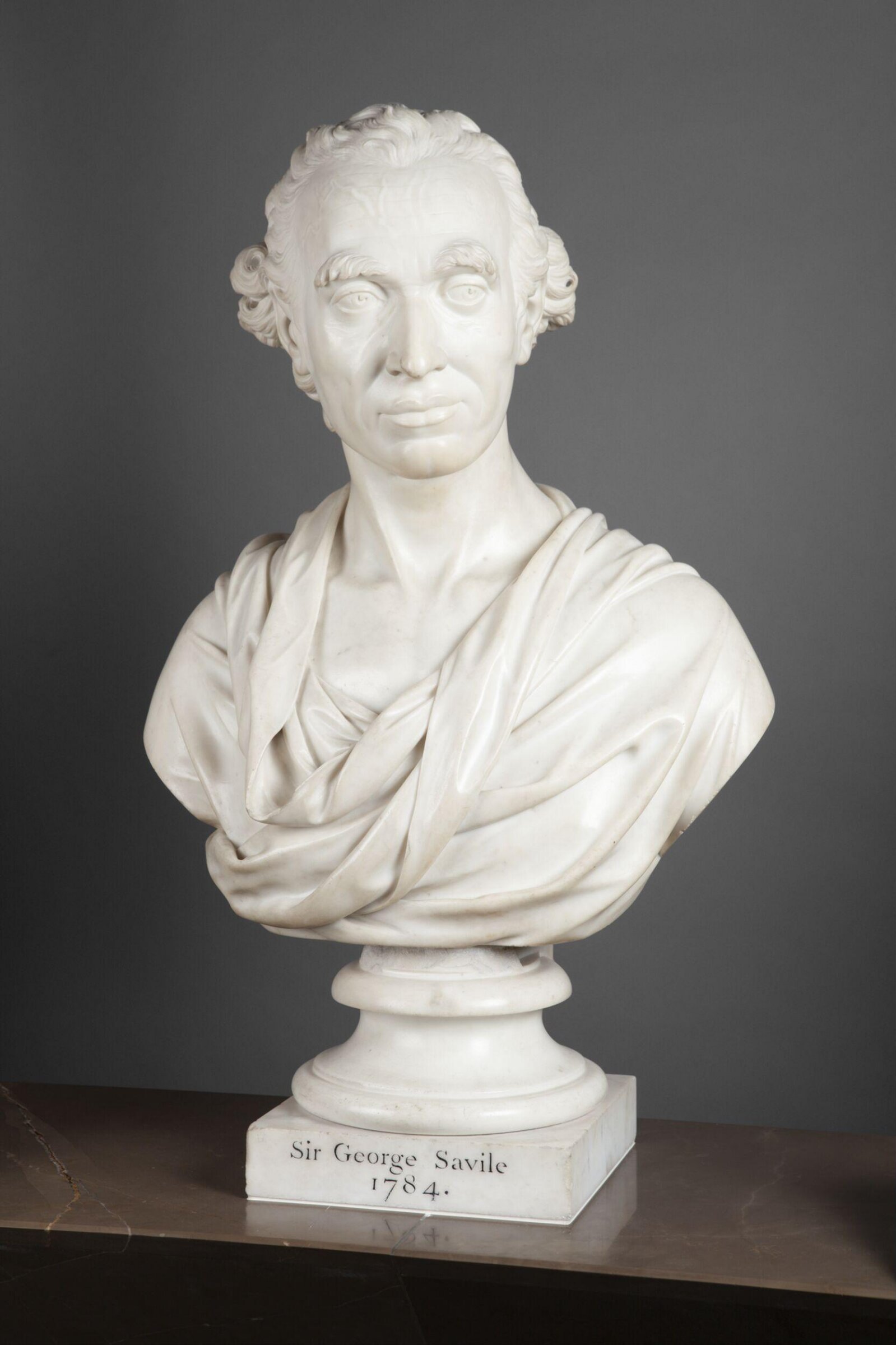
Sir George Savile (1726–84), Joseph Nollekens, 1784

Sir George Savile (1726–84)

1784 · Victoria and Albert Museum

Model for Wellington Monument: Truth and Falsehood, Alfred George Stevens, 1867-8

Alfred Stevens

Model for Wellington Monument: Truth and Falsehood, 1867-8

Valour and Cowardice, Alfred George Stevens, 1866

Alfred Stevens

Valour and Cowardice, 1866

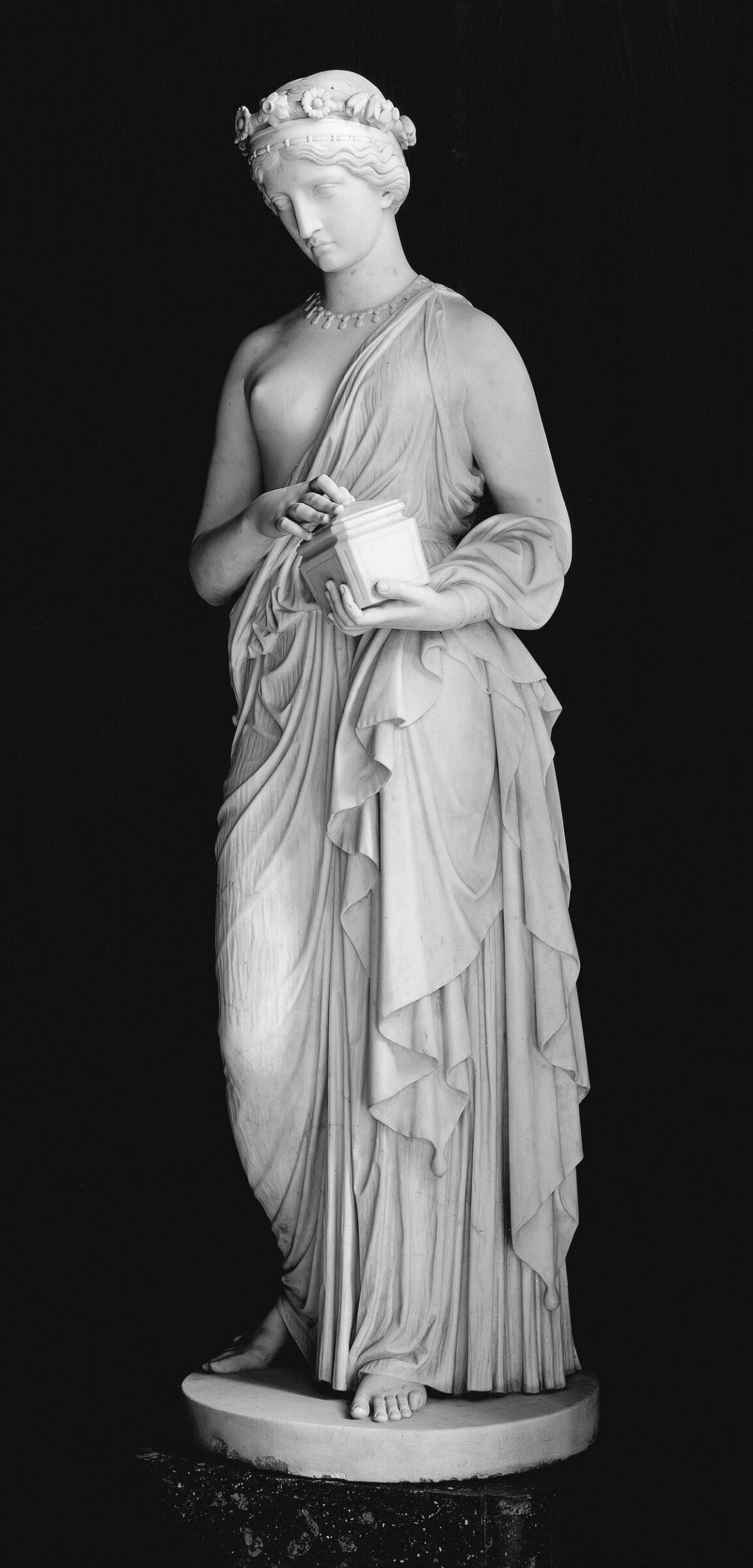
Pandora, John Gibson, 1856

John Gibson

Pandora, 1856

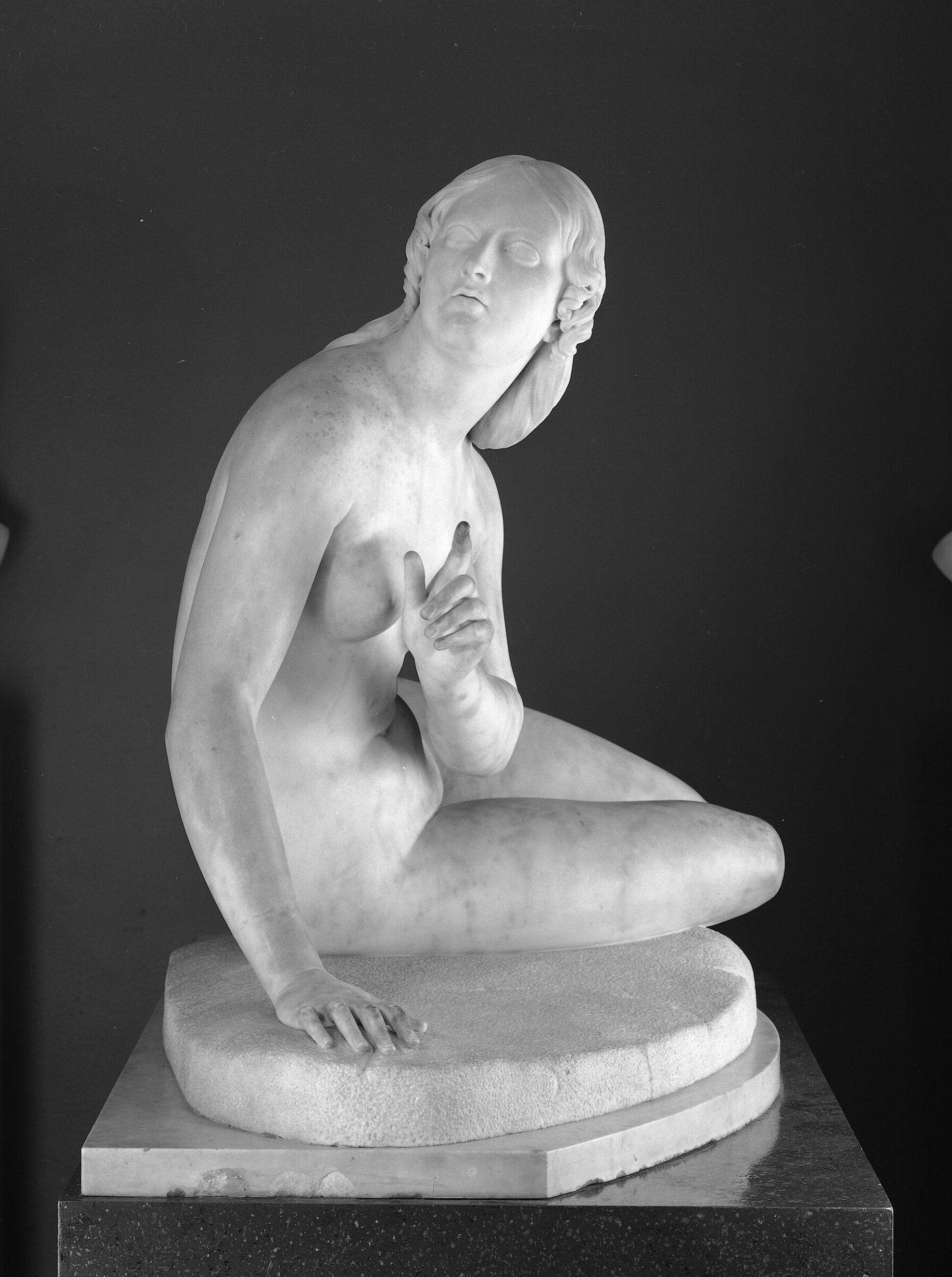
Eve listening to the voice, Edward Hodges Baily, 1842

Edward Hodges Baily

Eve listening to the voice, 1842

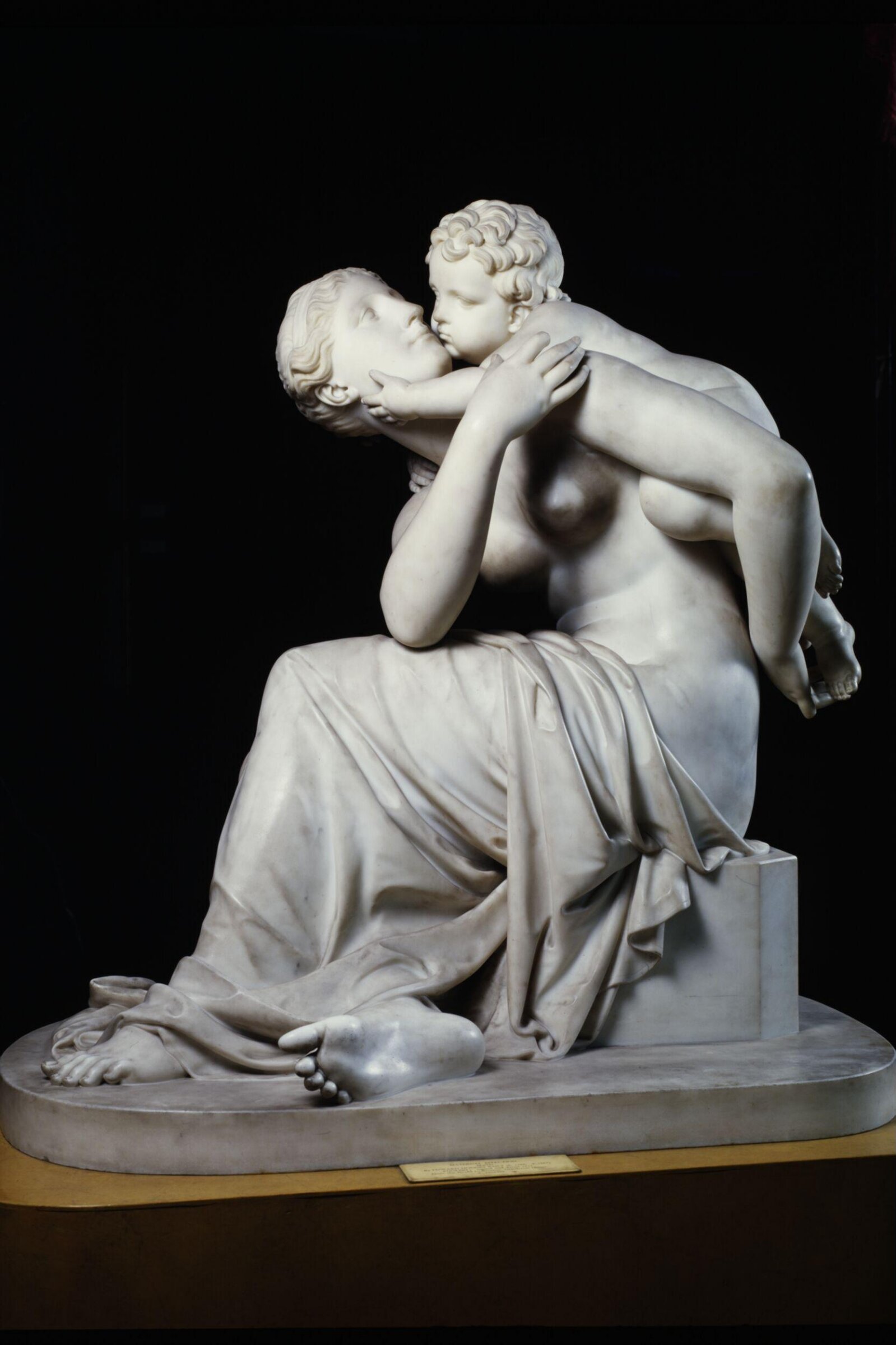
Maternal Affection, Edward Hodges Baily, 1837

Edward Hodges Baily

Maternal Affection, 1837

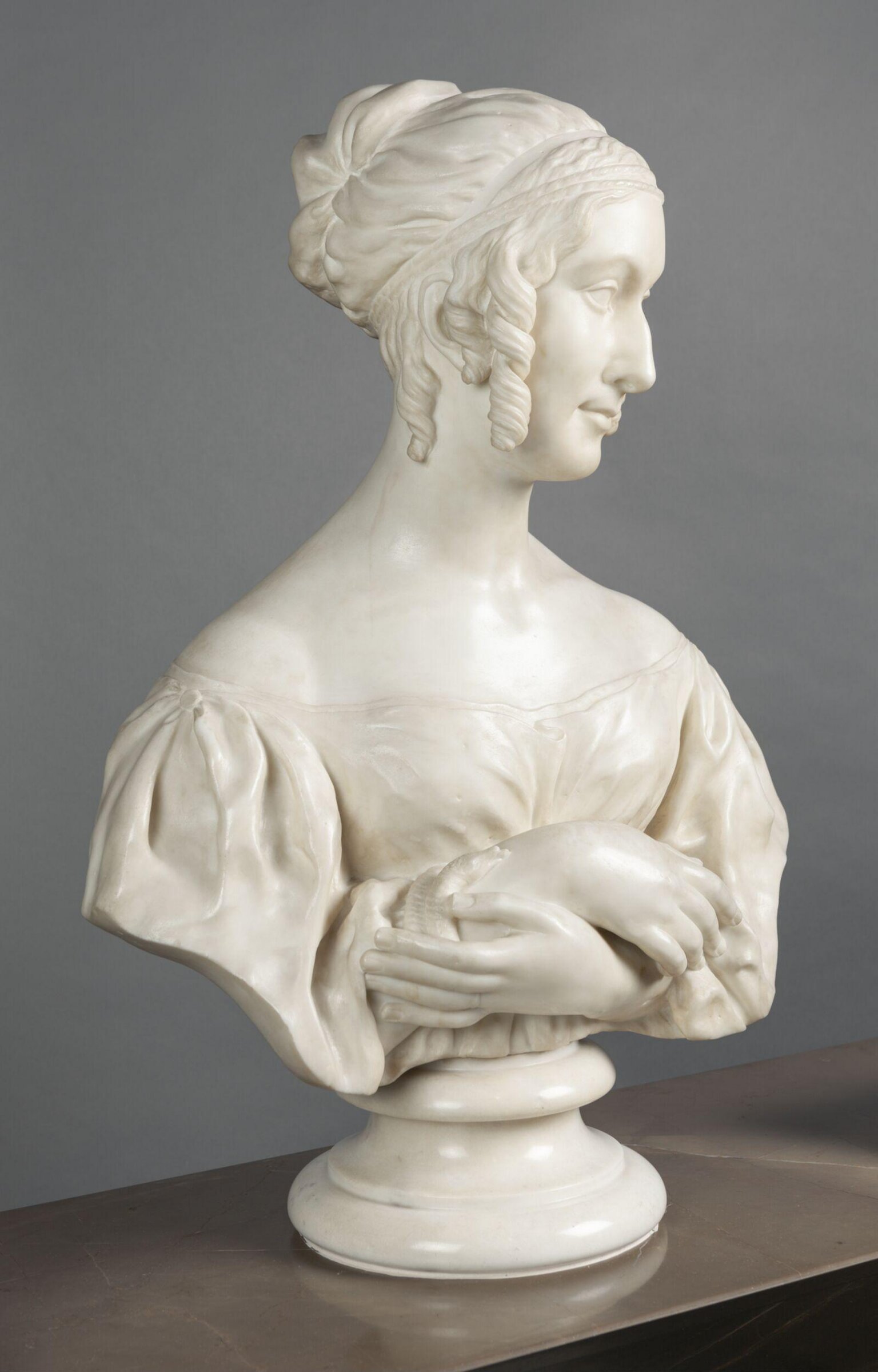
Catherine, Lady Stepney (d. 1845) as Cleopatra, Richard Cockle Lucas, ca. 1836

Richard Cockle Lucas

Catherine, Lady Stepney (d. 1845) as Cleopatra, ca. 1836

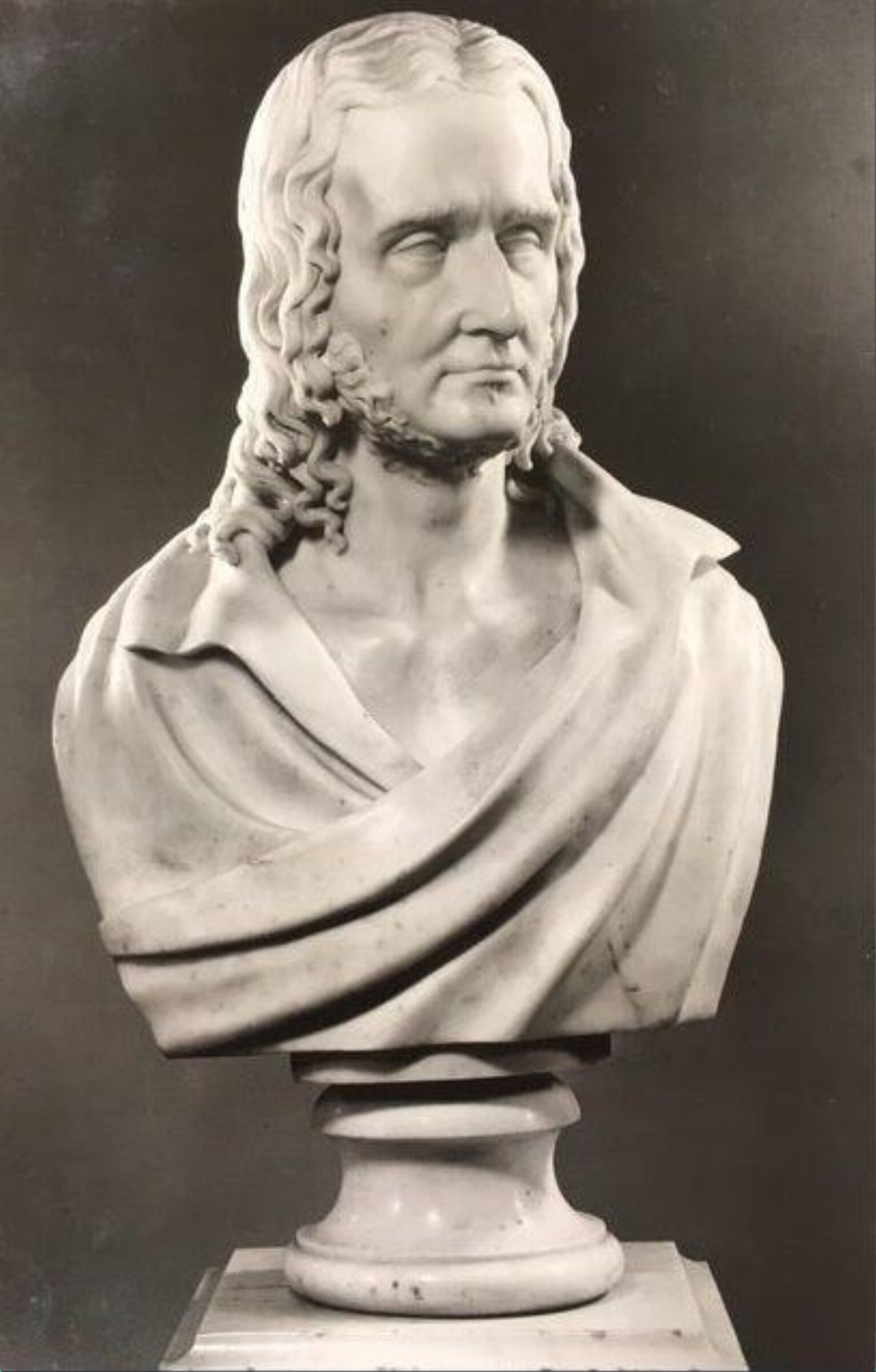
Nicolò Paganini, Henry Westmacott, 1832

Henry Westmacott

Nicolò Paganini, 1832

Cupid kindling the torch of Hymen, George Rennie, ca. 1831

George Rennie

Cupid kindling the torch of Hymen, ca. 1831

Two Loves, Agostino dei Musi after Raphael

Raphael

Two Loves

Non esposta · National Gallery of Art

Sea-shells, M.C. Escher, 1949

Maurits Cornelis Escher

Sea-shells, 1949

Non esposta · National Gallery of Art

Contrast (Order and Chaos), M.C. Escher, 1950

Maurits Cornelis Escher

Contrast (Order and Chaos), 1950

Non esposta · National Gallery of Art

Shell No. I, Georgia O'Keeffe, 1928

Georgia O'Keeffe

Shell No. I, 1928

National Gallery of Art

The Shell, Georgia O'Keeffe, 1934

Georgia O'Keeffe

The Shell, 1934

Non esposta · National Gallery of Art

The Mocking, Wenceslaus Hollar, after a follower of Hans Holbein the Younger

Hans Holbein

The Mocking

Non esposta · National Gallery of Art

Red-backed Sandpiper, Robert Havell after John James Audubon, 1836

John James Audubon

Red-backed Sandpiper, 1836

Non esposta · National Gallery of Art

Ivory Gull, Robert Havell after John James Audubon, 1836

John James Audubon

Ivory Gull, 1836

Non esposta · National Gallery of Art

Che cosa raffigura

ShellVenus

In catalogo

SculturaTerracotta e ceramicaNeoclassicismoRomanticismoXIX secoloLondra