ART WIKI32.979 in sala
MappaCollezioneArtistiMuseiMostreRivista
Accedi

ART WIKI

Dove è appeso il capolavoro, e quando si può entrare.

Collezioni: Art Institute of Chicago, Cleveland Museum of Art, Ermitage, Galleria Tret'jakov, Getty Museum, Harvard Art Museums, Hirshhorn Museum and Sculpture Garden, Metropolitan Museum of Art, Minneapolis Institute of Art, Museo del Louvre, Museo Puškin delle belle arti, Museo russo, Museum of Modern Art, National Gallery of Art, National Museum of Asian Art, National Portrait Gallery, Rijksmuseum, Smithsonian American Art Museum, Statens Museum for Kunst, Victoria and Albert Museum, Villa Getty, Whitney Museum of American Art, Catalogo statale del fondo museale russo (274 musei), Europeana (19 musei), Wikidata (6 musei), Paris Musées (12 musei) e Joconde, la banca dati dei musei del Ministero della Cultura francese (495 musei). Le immagini appartengono ai titolari dei diritti.

Sezioni

  • Mappa
  • Ricerca
  • Collezione
  • Capolavori
  • Esposte ora
  • Artisti

Altro

  • Musei e gallerie
  • Mostre
  • Rivista
  • Da dove vengono i dati
  • Privacy e cookie
HomeMappaCatalogo
  1. Collezione/
  2. Victoria and Albert Museum/
  3. Valerio Belli
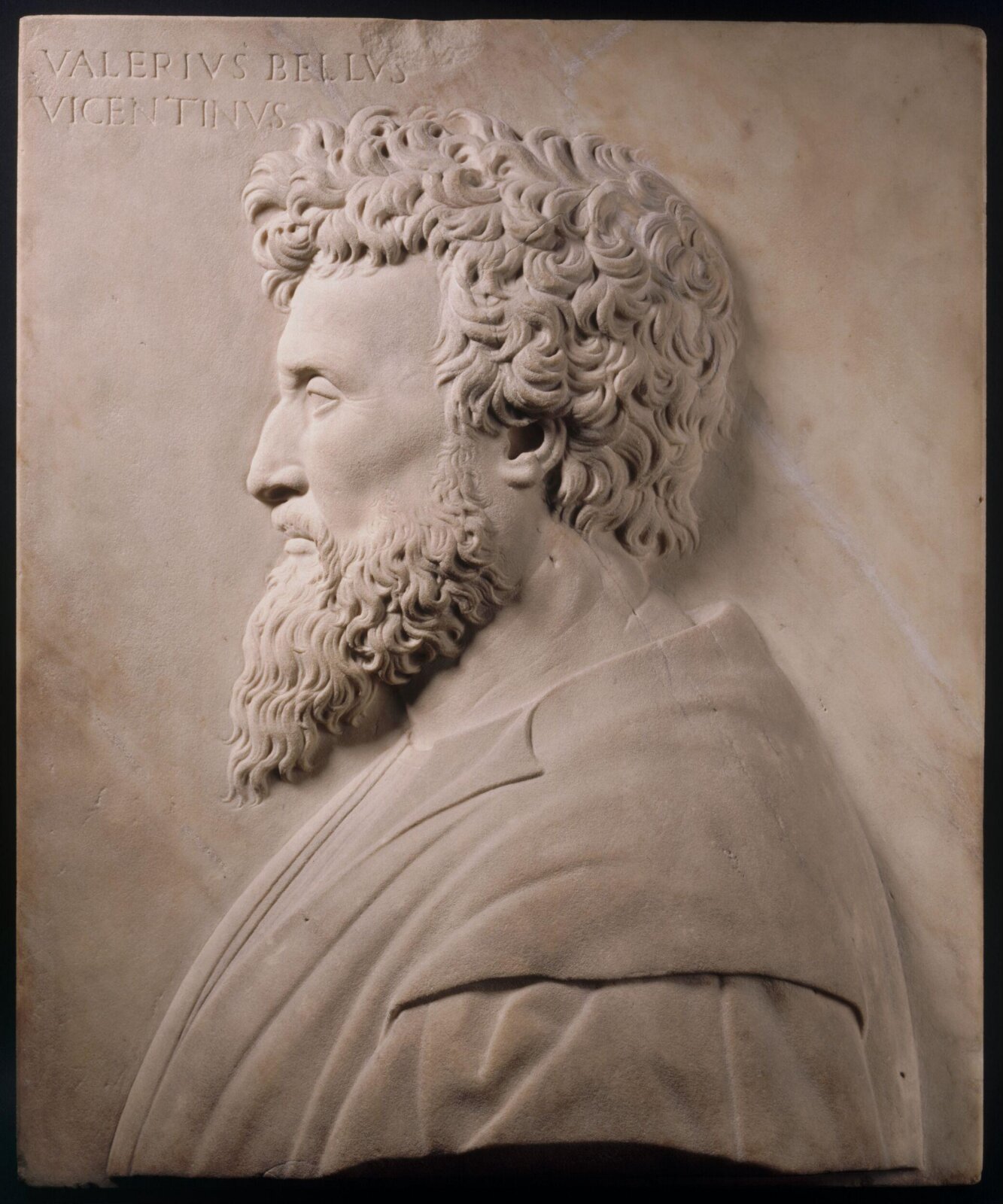
Valerio Belli, possibly Valerio Belli, ca. 1530-1540

Valerio Belli

ca. 1530-1540 · Relief · 54.1 × 45 cm

Sulla scultura

The name of the sculptor of this portrait of Valerio Belli is not known. It has been speculated that it is a self-portrait, but this is unlikely, as Belli is not known to have produced marble sculptures.

Belli (around 1468-1546) was a famous engraver of hardstones and gems, in particular rock crystal. He worked at the papal court in Rome under two successive popes and also in Vicenza, his native city. Among his masterpieces is a casket made for Pope Clement VII in 1537 and composed of 24 scenes from the life of Christ engraved on rock-crystal plaques.

Continua a leggere

The art of engraving gemstones, much admired since the early days of the Roman Empire, was revived in Europe during the Renaissance. Enthusiasts prized and collected cameos (in which the image stands proud of the surface) and intaglios (in which the image is hollowed out of the surface). These pieces sometimes served as symbols of power and were mounted in jewelled settings, and sometimes as small objects for private devotion or enjoyment.

Victoria and Albert Museum

Scheda

Numero di inventario
A.4-1932

Nella stessa sala · Medieval & Renaissance, Room 62, The Foyle Foundation Gallery, Victoria and Albert Museum

Pagina del museo
Ppossibly Valerio Belli

Si può ammirare?

Sì, riceve visite

Victoria and Albert Museum

Londra, Regno Unito

SalaMedieval & Renaissance, Room 62, The Foyle Foundation Gallery

Esposta al pubblico. Chi lo garantisce è indicato qui sotto.

Verificato
13 giorni fa
Ultimo cambio di stato
25 set 2026
Fonte
Il museo
Sulla mappaPagina del museo

In catalogo

SculturaMarmoRinascimentoXVI secoloVicenza (town)

Fonti

  • Victoria and Albert Museum
  • Immagine: Victoria and Albert Museum — © Victoria and Albert Museum, London
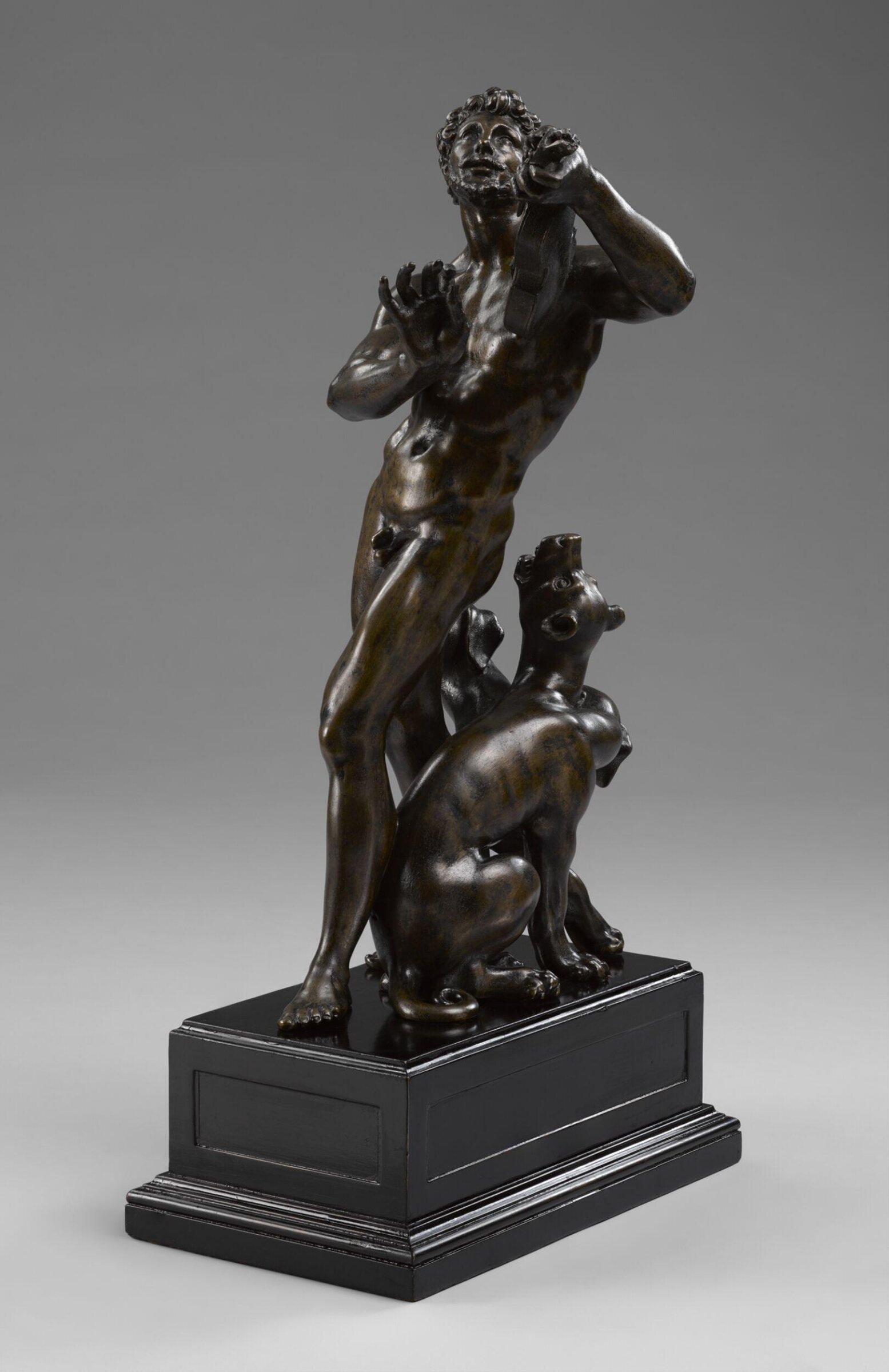
Orpheus and Cerberus, Hendrick de Keyser, ca. 1610-1615

Hendrick de Keyser

Orpheus and Cerberus, ca. 1610-1615

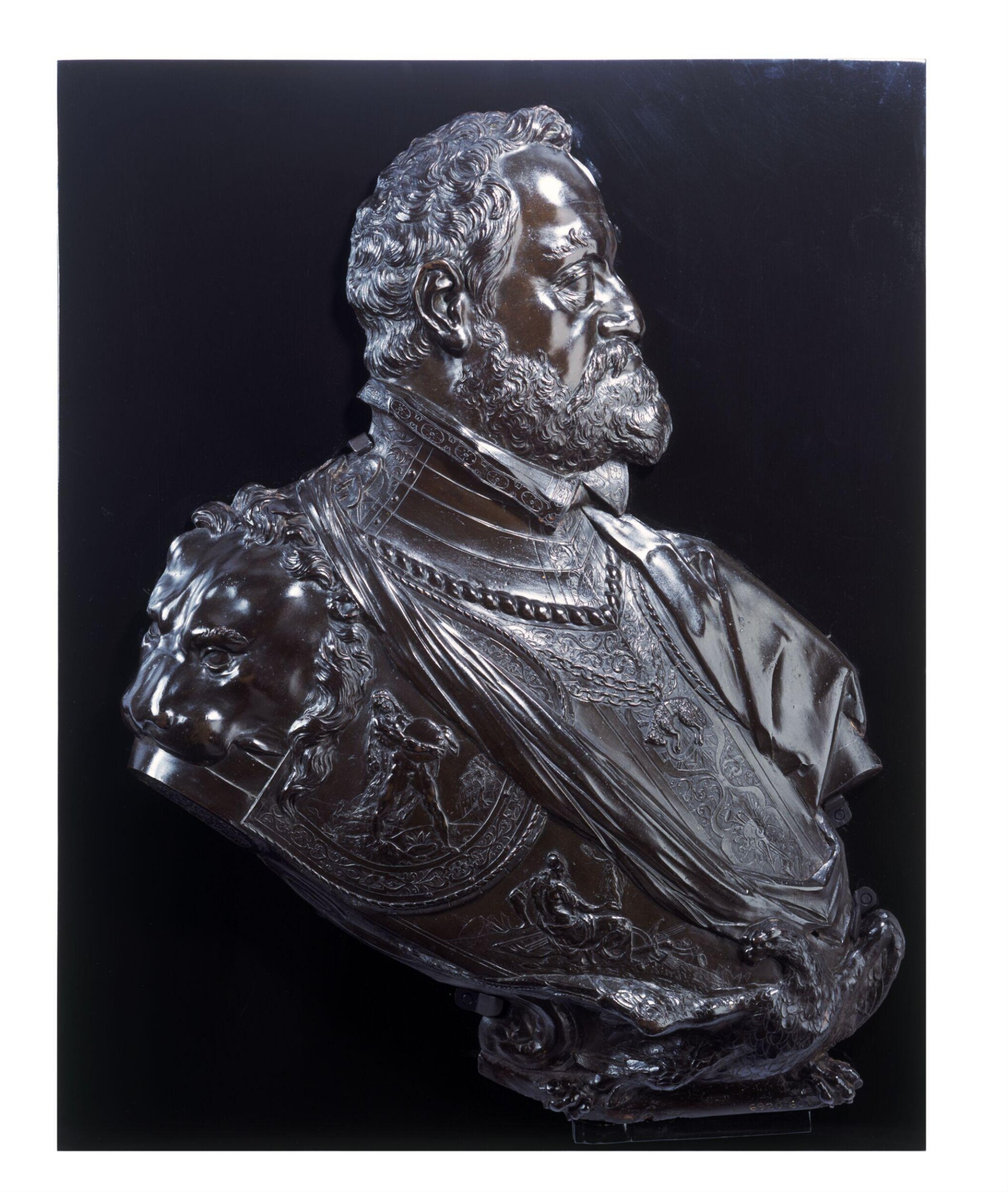
The Emperor Rudolph II, Adriaen de Vries, 1609

Adriaen de Vries

The Emperor Rudolph II, 1609

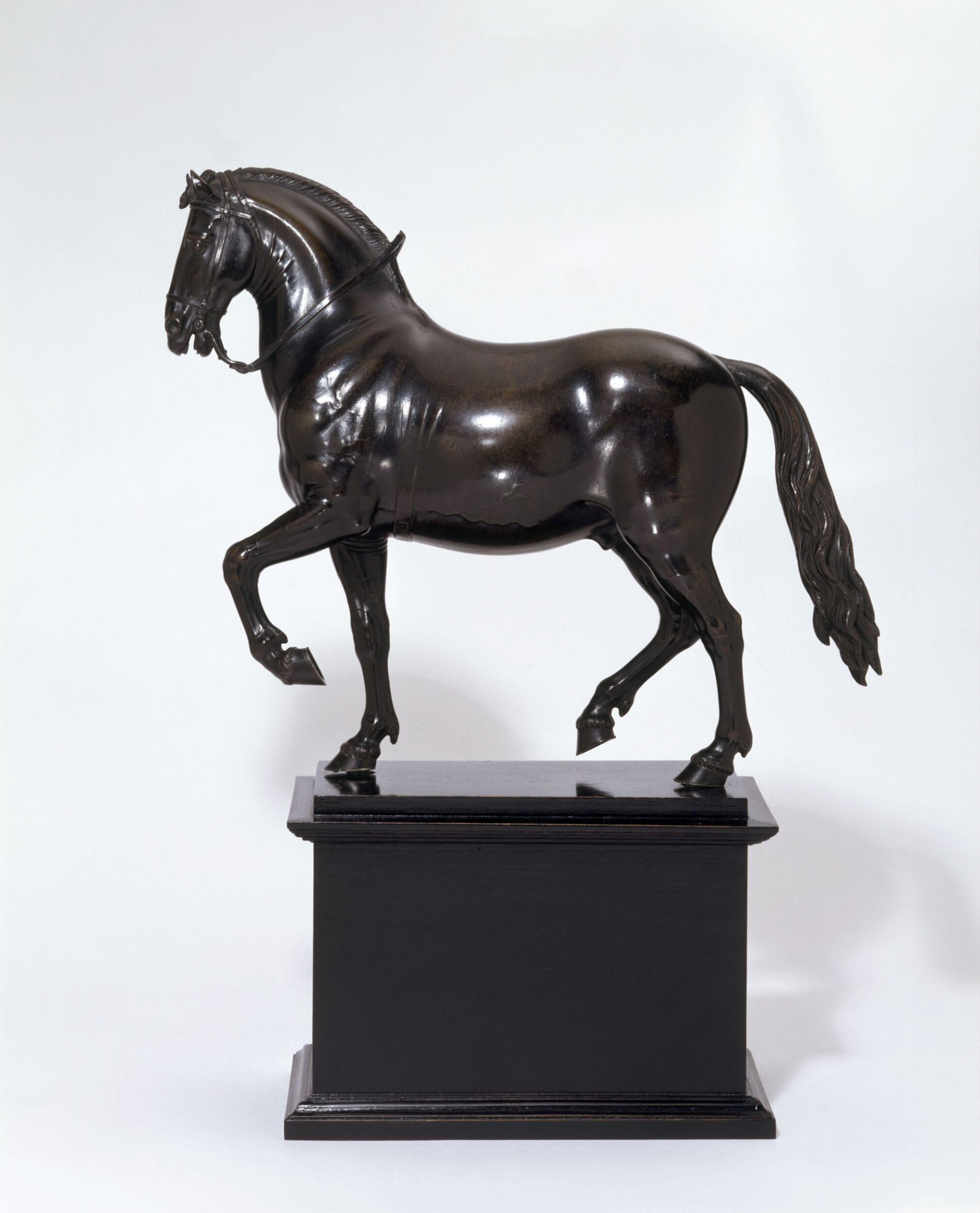
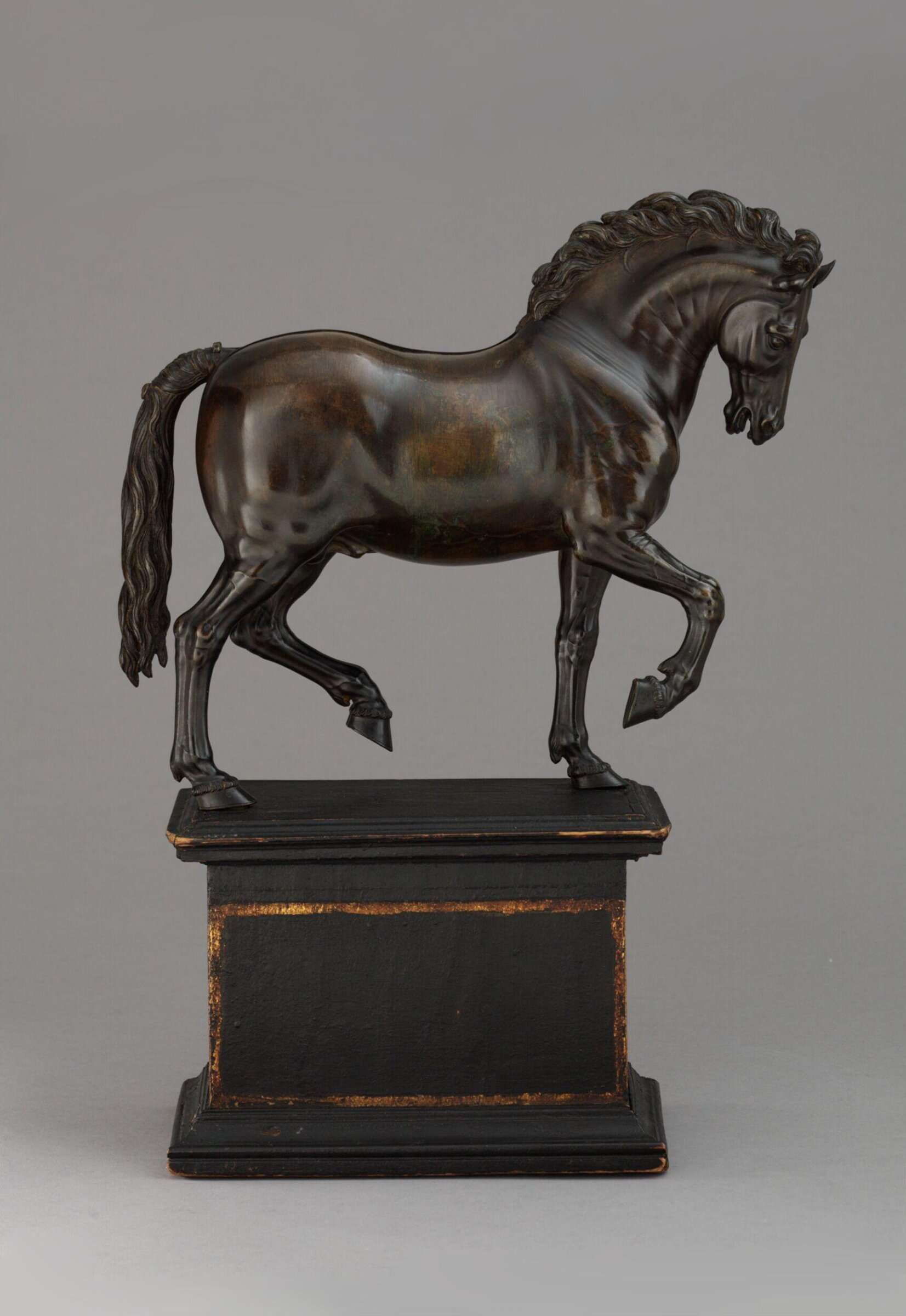
A Pacing Horse, Antonio Susini, ca. 1600

Antonio Susini

A Pacing Horse, ca. 1600

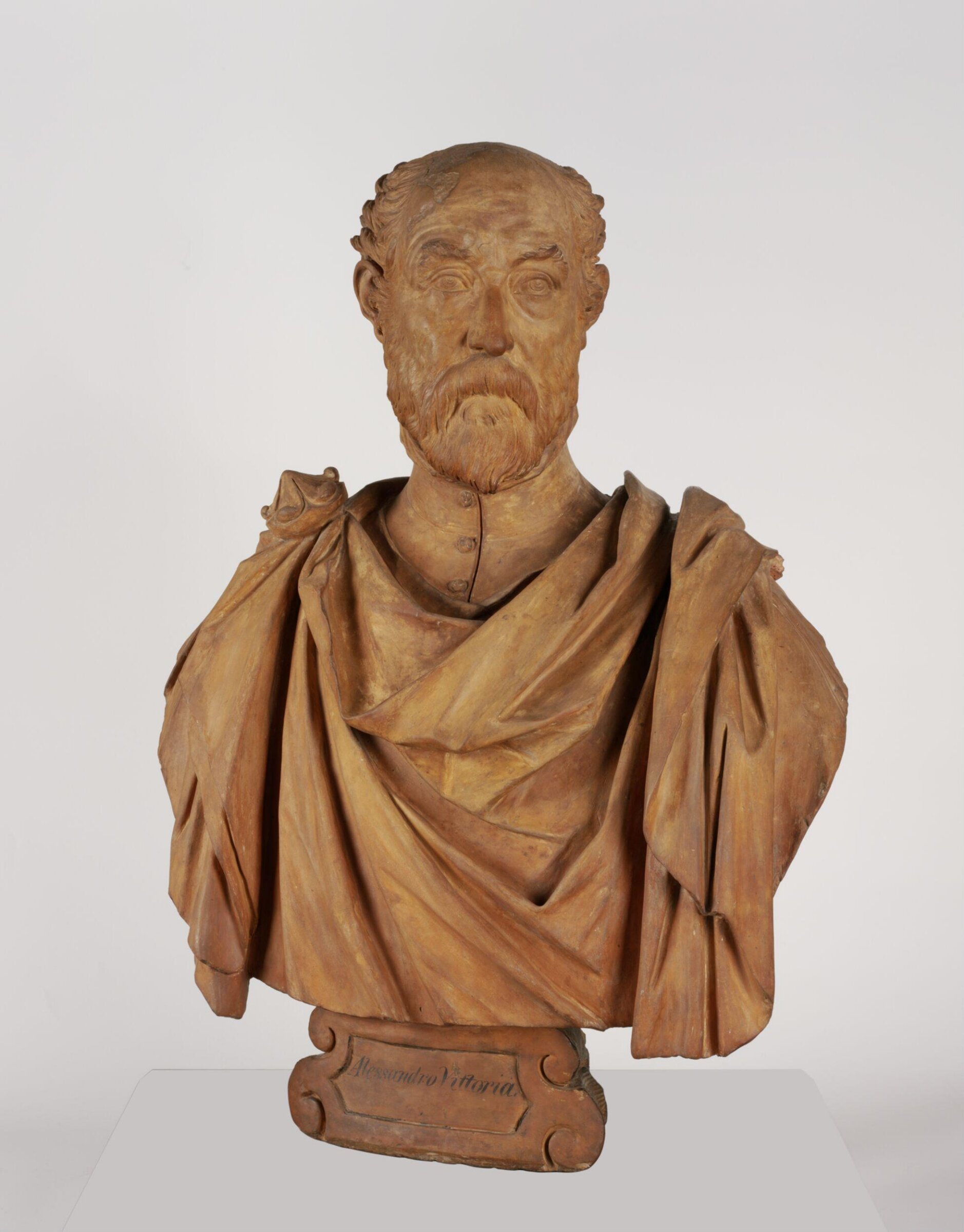
Self-portrait, Alessandro Vittoria, workshop of Alessandro Vittoria, ca. 1600

workshop of Alessandro Vittoria

Self-portrait, Alessandro Vittoria, ca. 1600

A Pacing horse, workshop of Giambologna, ca. 1595-1600

workshop of Giambologna

A Pacing horse, ca. 1595-1600

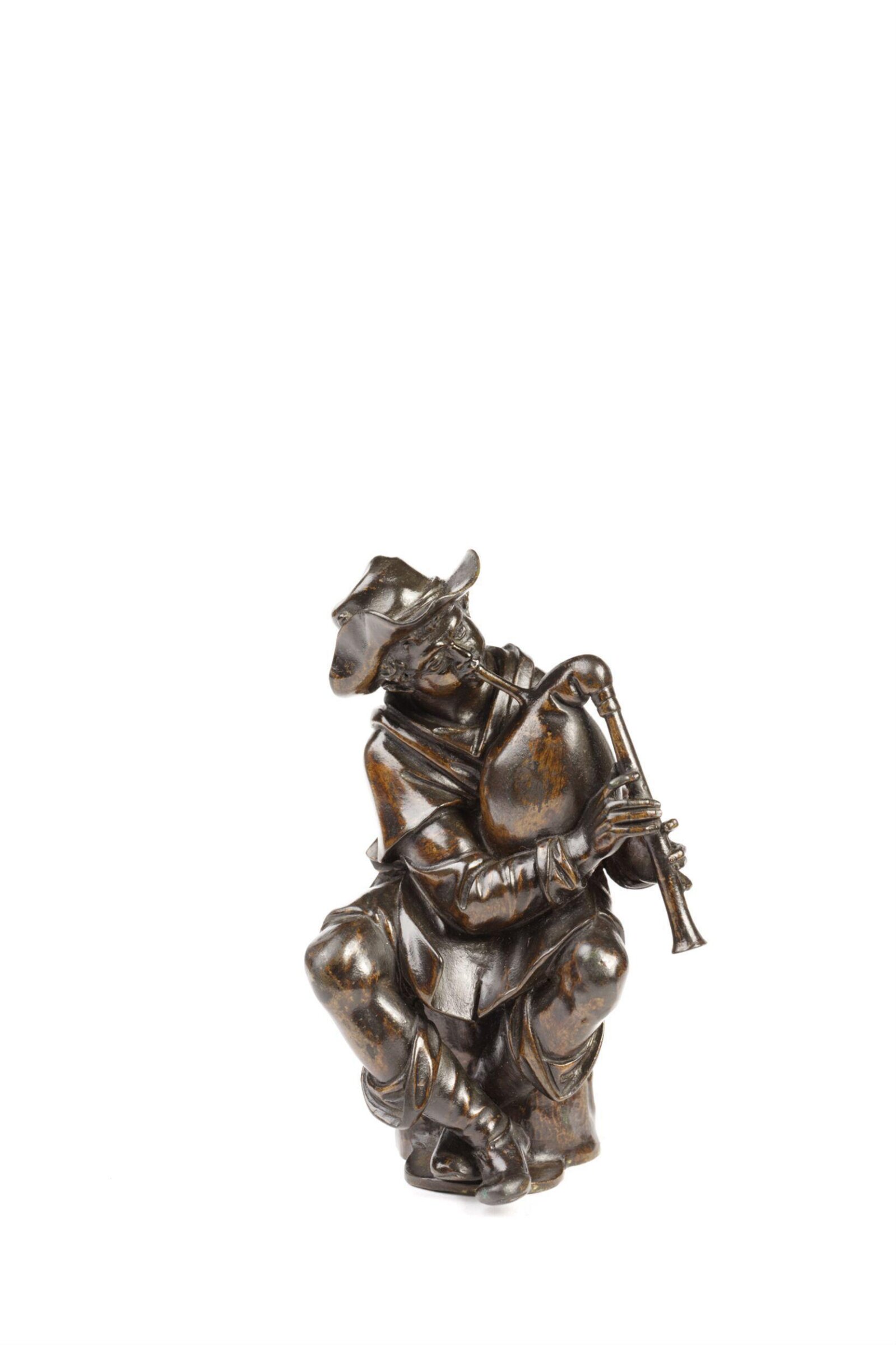
Seated boy playing the bagpipes, after Giambologna, 1590-1610

after Giambologna

Seated boy playing the bagpipes, 1590-1610

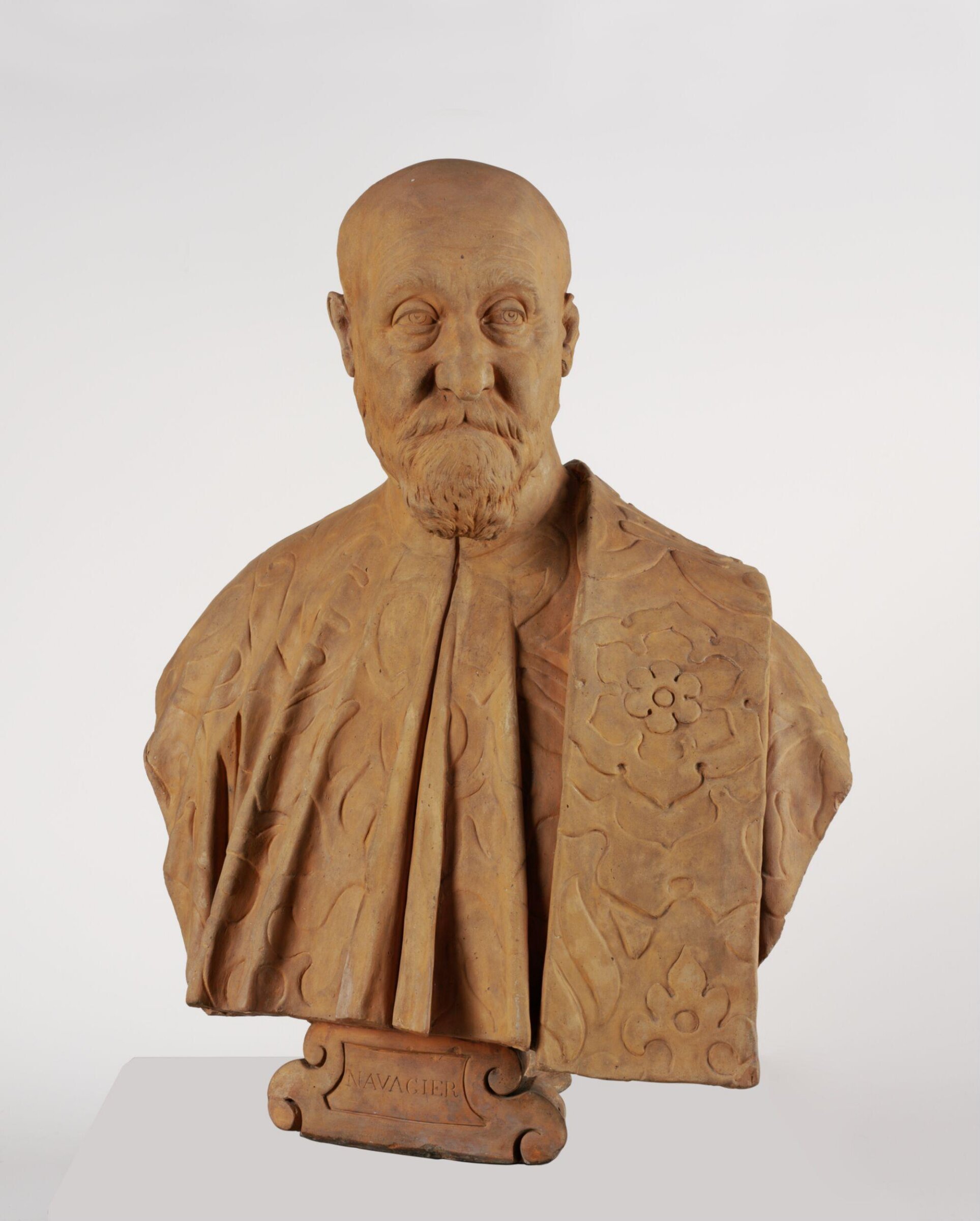
Bust of a member of the Navagero family, Alessandro Vittoria, ca. 1590-1600

Alessandro Vittoria

Bust of a member of the Navagero family, ca. 1590-1600

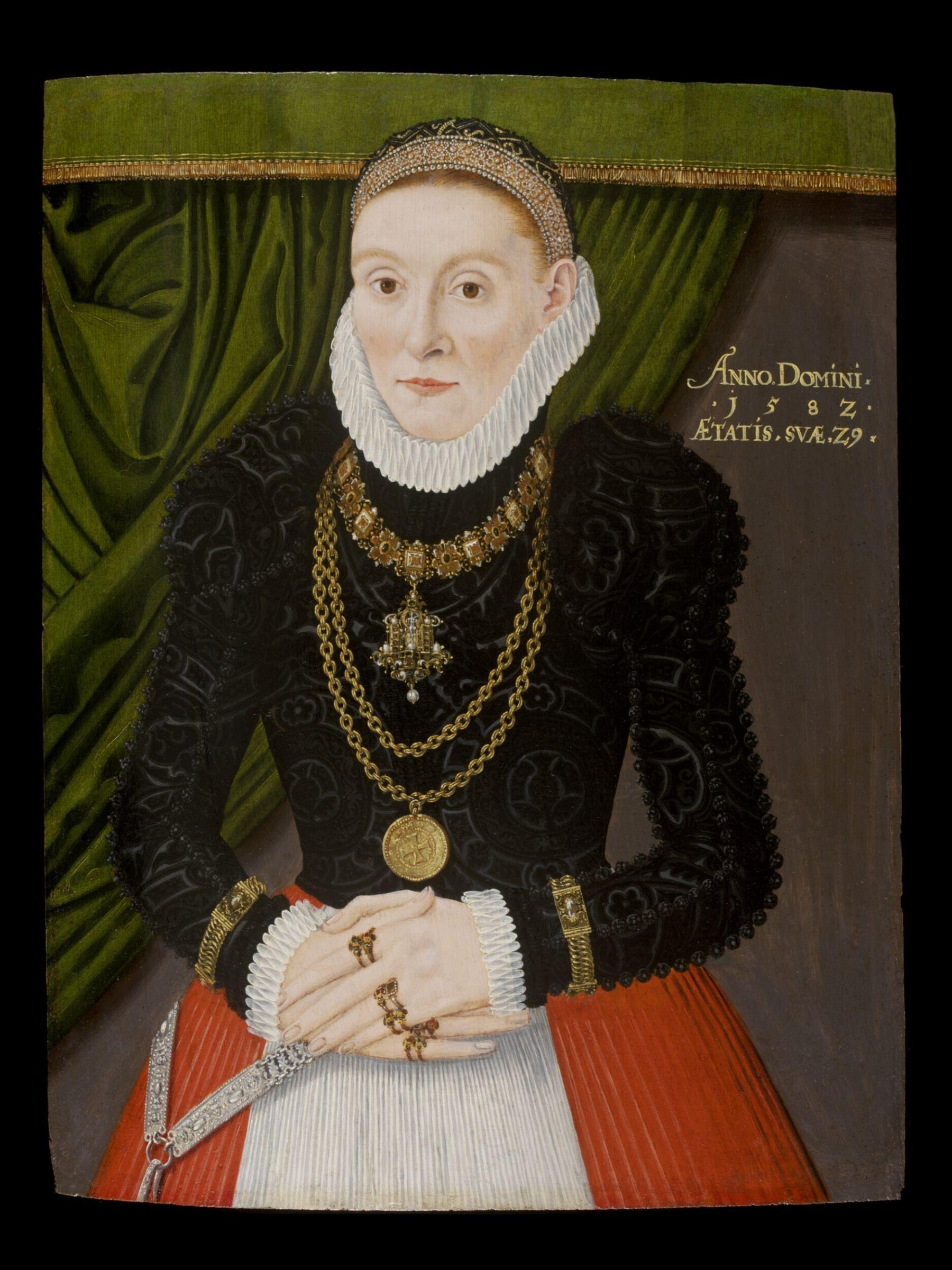
A Lady aged 29 in 1582, 1582

A Lady aged 29 in 1582, 1582