![Untitled [parallelogram], Block #6-R, Donald Judd, 1961–1963/1968](https://whitneymedia.org/assets/artwork/34007/2008_199_cropped.jpg)
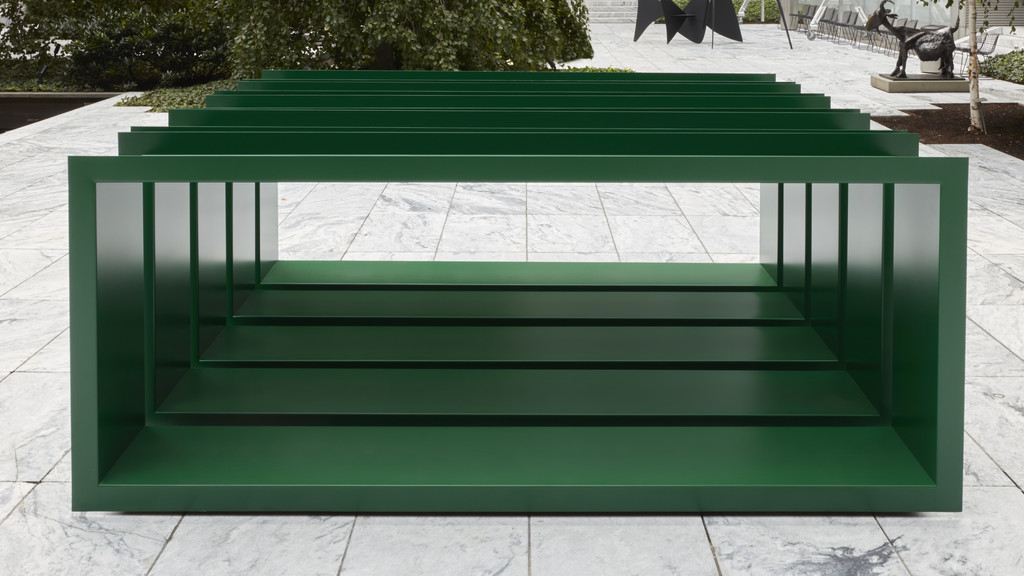
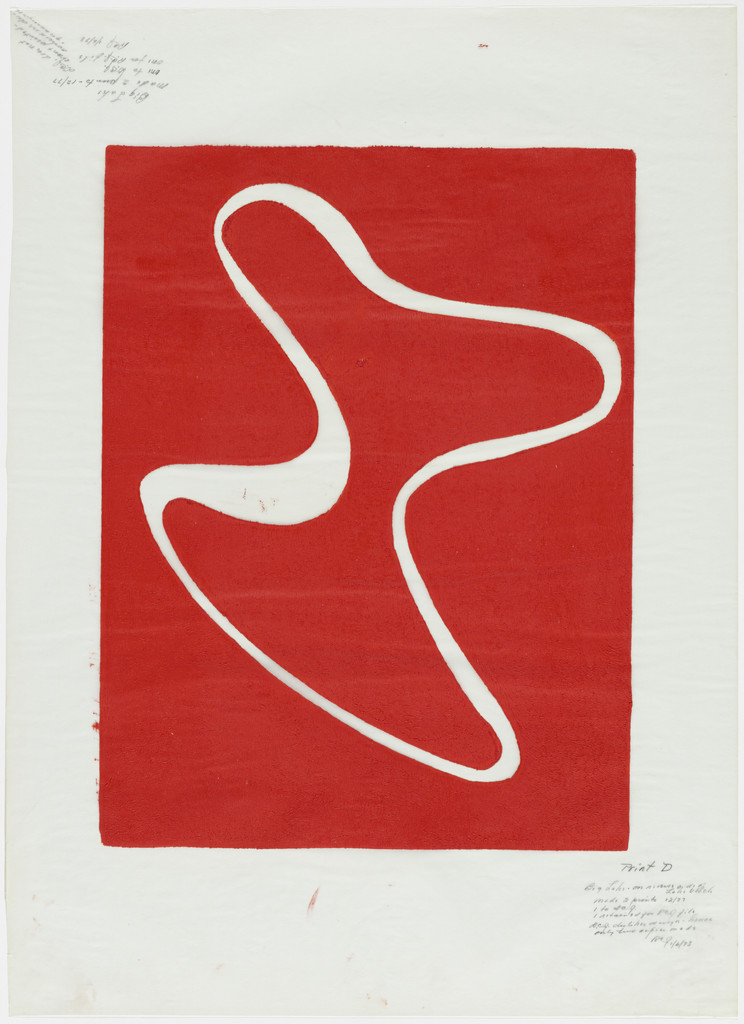
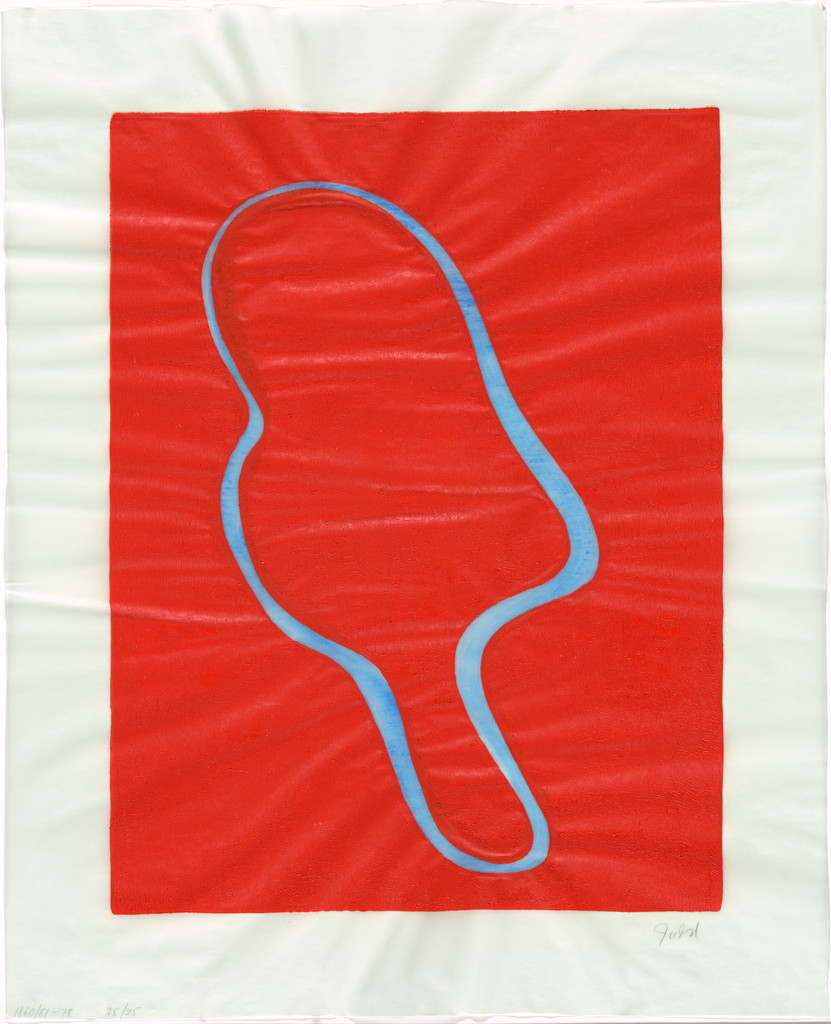
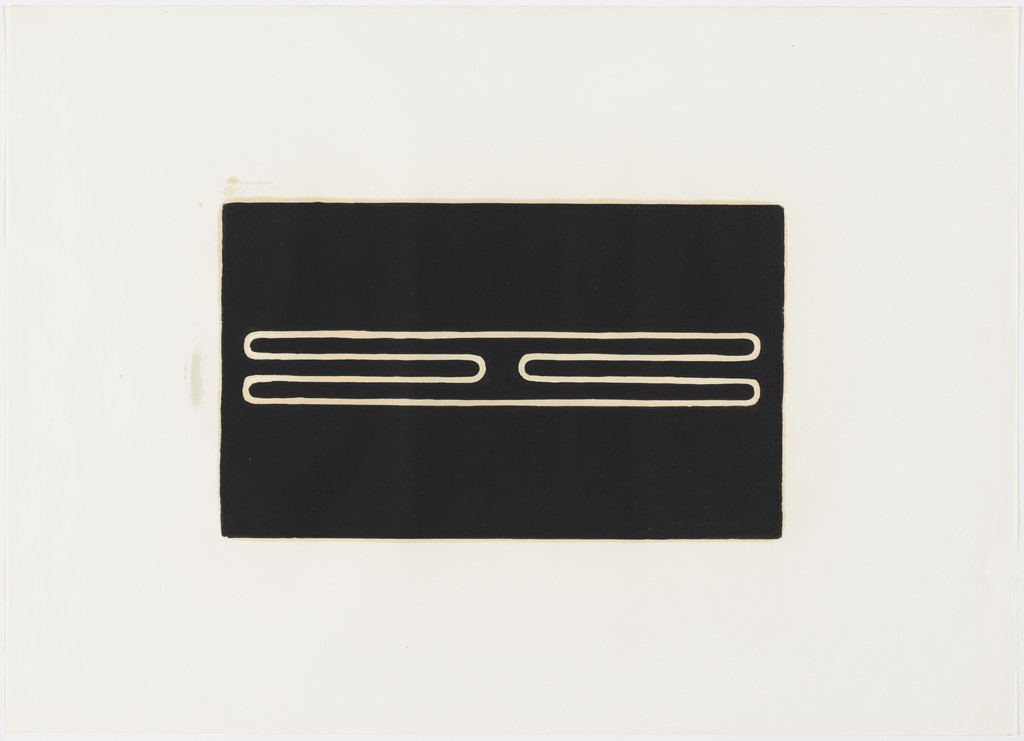
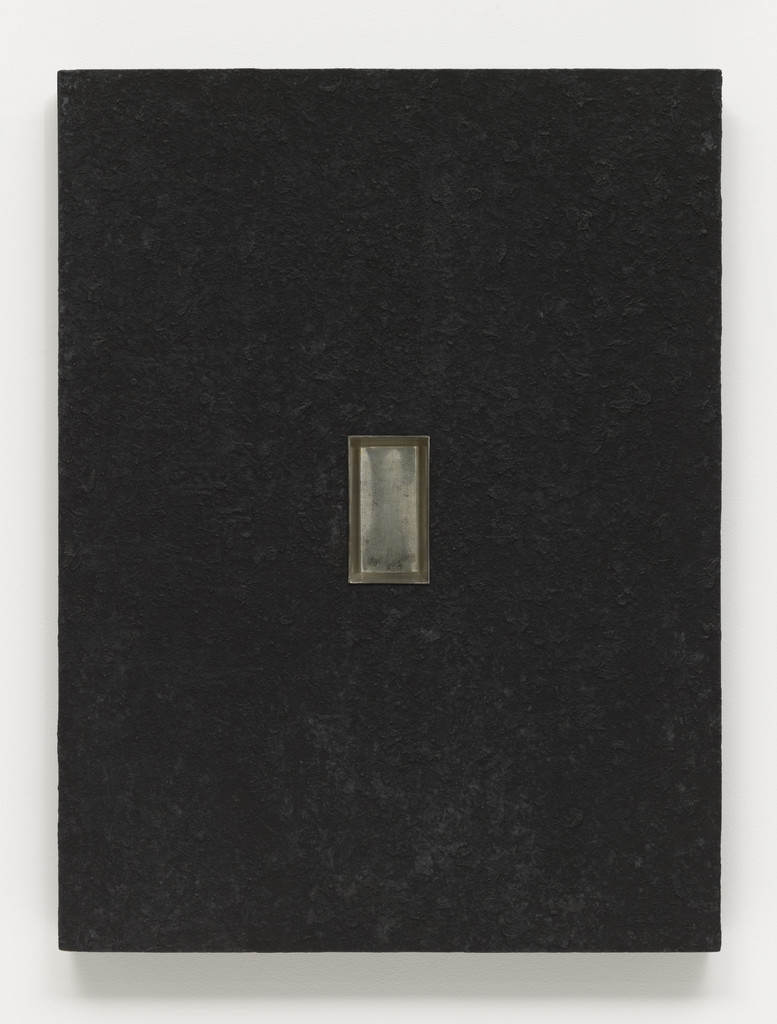
Untitled [parallelogram], Block #6-R
Si può vedere?
Non esposta al momento
Dove si trova «Untitled [parallelogram], Block #6-R» oggi? Collezione: Whitney Museum of American Art, New York. Non esposta al momento. Verificato 25 settembre 2026.

New York, Stati Uniti
Appartiene alla collezione, ma al momento non è esposta.
- Verificato
- Fonte
- Il museo
Scheda
- Numero di inventario
- 2008.199
In catalogo
Fonti
- Whitney Museum of American Art
- Immagine: Whitney Museum of American Art — © the artist or rights holder
Nella vita di Donald Judd
Tutta la vita1963
Solo show at the Green Gallery
Judd’s next solo show after 1957 opens at the Green Gallery in 1963: he shows works he at last thought worthy of showing. By then he has established an essential vocabulary of forms — “stacks”, “boxes” and “progressions” — which will preoccupy him for the next thirty years.
1964
Begins delegating fabrication to manufacturers
While Judd made his early works himself, in collaboration with his father, Roy Judd, in 1964 he begins to delegate fabrication, working from his drawings, to professional artisans and industrial manufacturers such as Bernstein Brothers.
1964
Writes the essay “Specific Objects”
Moving from painting to three-dimensional work, Judd writes the essay “Specific Objects” in 1964 (published in 1965 in Arts Yearbook 8): it finds a starting point for a new territory in American art and rejects inherited European values — illusion and represented space — in favour of real space. Among the examples he cites are Westermann, Samaras, Chamberlain, Jasper Johns, Dan Flavin, Ortman and Bontecou. He refuses to call his own works, made by small fabricators using industrial processes rather than sculpted, sculpture.
1966
“Primary Structures” at the Jewish Museum
Judd shows two pieces at the seminal exhibition “Primary Structures” at the Jewish Museum in New York. In the panel discussion he challenges Mark di Suvero’s claim that real artists make their own art: the method should not matter as long as the result is art.
1968
Retrospective at the Whitney Museum
In 1968 the Whitney Museum of American Art stages a retrospective of Judd’s work that includes none of his early paintings.
1968
Buys 101 Spring Street
Judd buys a five-story cast-iron building at 101 Spring Street (designed by Nicholas Whyte, built in 1870) for under $70,000, and it becomes his New York residence and studio: over the next 25 years he renovates it floor by floor, occasionally installing works he bought or commissioned from other artists. The building lets him place his work permanently — the start of his insistent push for permanent installations, since temporary exhibitions, he believed, push the art itself into the background.